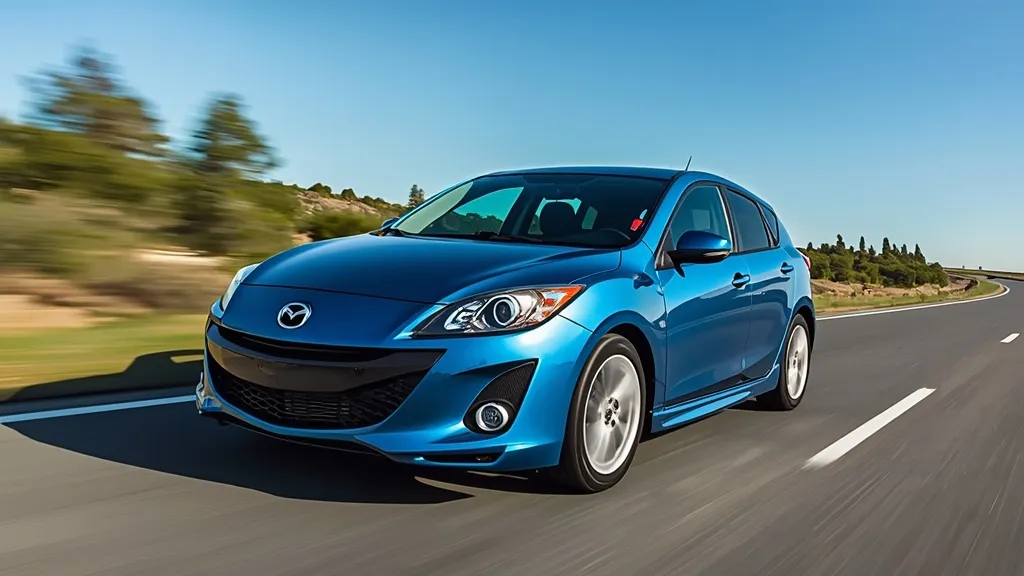
In the bustling landscape of compact cars, the 2009 Mazda 3 carved out a significant niche, earning a reputation for its engaging driving dynamics and stylish design. But is a car from that era still a smart buy today? As the final model year of the highly acclaimed first generation, the 2009 Mazda 3 represents a refined iteration of Mazda “Zoom-Zoom” philosophy. For those considering buying a 2009 Mazda 3 used, understanding its strengths, 2009 Mazda 3 common problems, and overall 2009 Mazda 3 reliability is absolutely crucial.
This comprehensive 2009 Mazda 3 review will delve into everything you need to know, from its historical context to essential maintenance tips and what to look for before you even think about handing over your cash. Let’s dive in.
A Look Back: The First-Generation Mazda 3 Legacy
Birth of a Driver Car
When the Mazda 3 debuted in 2004, it was a breath of fresh air. It replaced the competent but forgettable Protegé and immediately set a new standard for how a compact car should feel from behind the wheel. It was built on a global platform shared with the Ford Focus and Volvo S40, giving it a solid, European-inspired chassis that its competitors simply couldn’t match at the time.
Mazda “Zoom-Zoom” Philosophy
This wasn’t just a marketing slogan; it was an engineering ethos. Mazda was determined to prove that an affordable, practical car didn’t have to be boring. The Mazda 3 was the poster child for this idea, offering sharp steering, a well-tuned suspension, and an overall sense of connection between the driver and the road.
The 2009 Model Year: A Refined Farewell
The 2009 Mazda 3 is special because it’s the swan song of this beloved first generation (known by enthusiasts as the “BK” platform). By this point, Mazda had worked out many of the early kinks, making the 2009 model one of the most sorted and desirable years of the entire run. It was the peak of a design that had already won over critics and drivers worldwide.

Why the 2009 Mazda 3 Still Shines: Strengths and Features
So, why are we still talking about a 15-year-old car? Because in many ways, the 2009 Mazda 3 still delivers an experience that some brand-new cars fail to capture.
Engaging Driving Dynamics
This is the number one reason to consider a 2009 Mazda 3. It’s simply fun to drive.
Responsive Steering and Handling
The steering is direct and communicative, giving you a clear sense of what the front wheels are doing. It feels nimble in city traffic and confident on a winding country road.
Sporty Suspension Tuning
The ride is firm but not harsh. It prioritizes handling and minimizes body roll in corners, making it feel more like a budget sports sedan than a typical economy car.
Engine Options and Performance
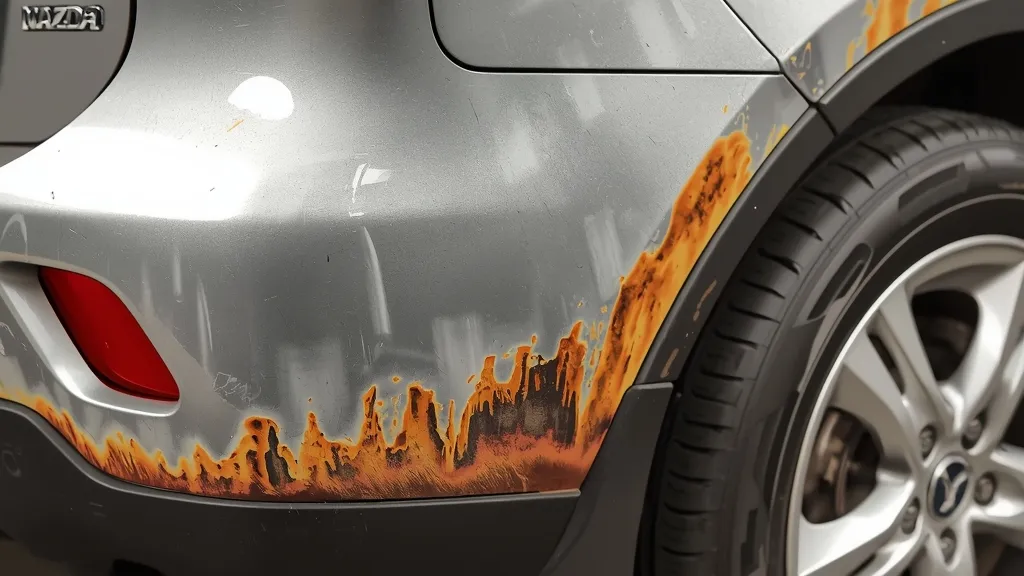
You had a few choices under the hood, each with its own character:
- The Efficient 2.0L Engine: Found in the “i” trims, this 148-horsepower engine is the sensible choice. It’s reliable, provides adequate power for daily commuting, and offers the best fuel economy of the naturally aspirated bunch.
- The Capable 2.3L Engine: Standard on the “s” trims, this engine bumps the power to 156 hp and, more importantly, adds a healthy dose of torque. It feels noticeably quicker and more responsive, making it the preferred choice for those who want a bit more “Zoom-Zoom.”
- Unleashing the Power: The Mazdaspeed3: This is a different beast entirely. A turbocharged 2.3L engine pumping out a massive 263 horsepower and 280 lb-ft of torque to the front wheels. The Mazdaspeed3 was, and still is, a legitimate performance icon. A proper Mazdaspeed3 buying guide is a must for anyone considering this thrilling but demanding model.
Stylish and Practical Design
The first-gen Mazda 3 has aged gracefully. Its clean lines and athletic stance still look good today.
- Sedan vs. Hatchback: The sedan offers a classic, tidy look, while the five-door hatchback provides a huge boost in practicality and cargo space, making it a fan favorite.
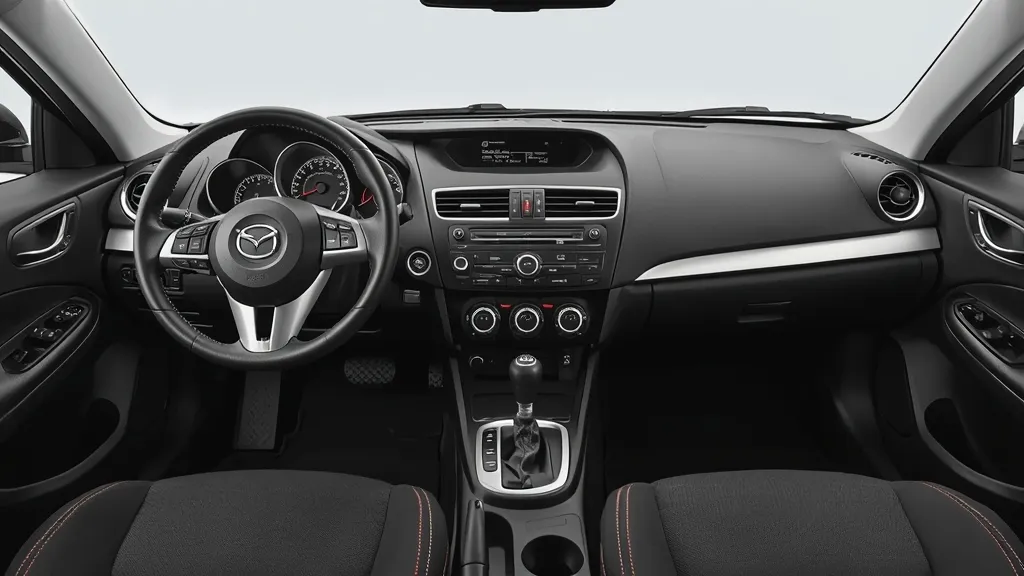
- Interior Comfort and Ergonomics: The cabin is driver-focused, with clear gauges and controls that are easy to reach. The seats are supportive, and for its time, the interior materials were a step above many rivals.
Common Pitfalls: Understanding 2009 Mazda 3 Common Problems
Here’s the reality check. No 15-year-old car is perfect, and the 2009 Mazda 3 has some well-documented Achilles’ heels. Being aware of these is non-negotiable.
The Infamous Rust Issue
If there is one word associated with this generation of Mazda, it’s rust. This is, without a doubt, the single biggest issue to watch out for, especially if you live in a region that uses road salt in the winter.
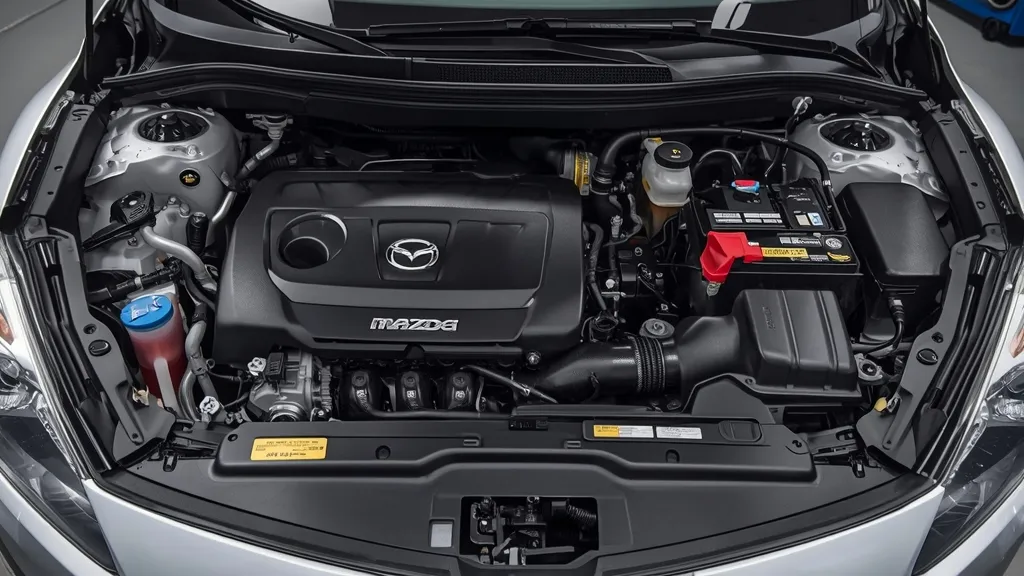
- Rear Wheel Wells and Fenders: This is ground zero. Look for bubbling paint or visible corrosion around the lip of the rear fenders.
- Rocker Panels: The panels below the doors can rust from the inside out. Tap them gently to listen for a crunchy sound.
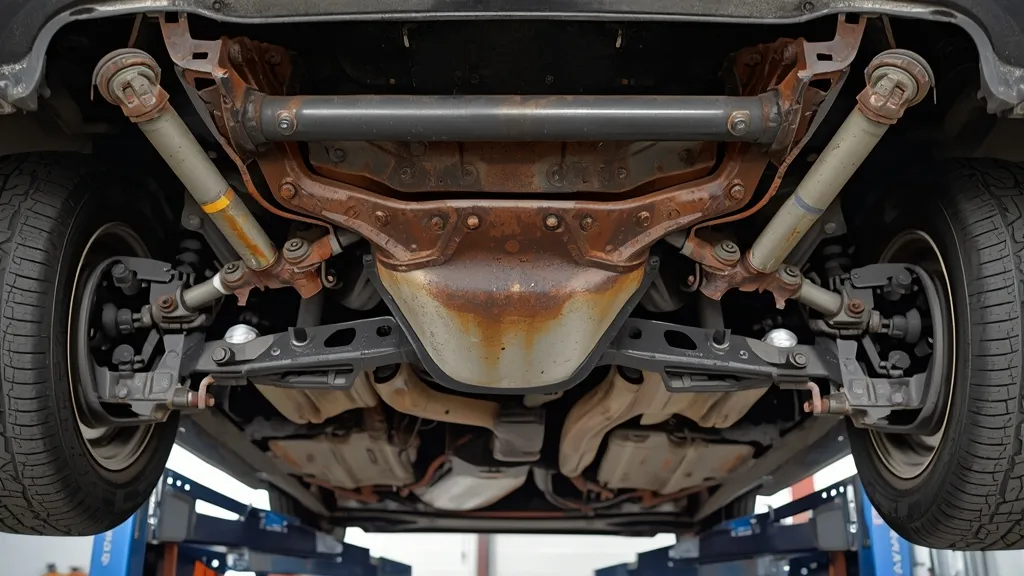
- The Critical Subframe: This is the most serious concern. The front subframe, which holds the engine and suspension, can suffer from severe Mazda 3 subframe rust. A rusted-out subframe is a major safety hazard and can be prohibitively expensive to replace.
- Effective Mazda 3 Rust Prevention: If you find a clean example, the first thing you should do is invest in a quality undercoating service to protect it for the future.
Engine-Specific Concerns
Beyond the bodywork, there are a couple of mechanical gremlins to be aware of.
- 2009 Mazda 3 VVT Repair Cost and Actuator Failure (2.3L Engine): The 2.3L engine is known for issues with its Variable Valve Timing (VVT) system. The tell-tale sign is a loud, grinding, or rattling noise from the engine for a few seconds on a cold start. According to data from automotive repair sites, ignoring this can lead to a stretched timing chain and catastrophic engine failure. The 2009 Mazda 3 VVT repair cost can be significant, often running over $1,000, as it’s a labor-intensive job.
- Engine Mount Wear: The passenger-side engine mount is prone to leaking its hydraulic fluid and failing, causing excessive vibration in the cabin, especially when in gear at a stop.
Transmission Troubles
While generally robust, the automatic transmissions require attention. Some owners have reported Mazda 3 automatic transmission problems, such as hard shifting or slipping. Regular fluid changes are your best defense. The manual gearboxes, on the other hand, are typically bulletproof.
Suspension and Steering Woes
The sporty handling of the 2009 Mazda 3 comes at a price.
- Mazda 3 Suspension Issues: The front lower control arm bushings are a common failure point. Worn bushings will cause a clunking noise over bumps and can lead to sloppy steering feel. Worn struts and shocks are also common at this age.
- Power Steering Pump: While more common on earlier models, the power steering pump can sometimes whine or fail. Check for consistent steering assist and any unusual noises when turning the wheel.
Your Guide to Buying a Used 2009 Mazda 3: What to Inspect
Armed with this knowledge, you can now inspect a potential 2009 Mazda 3 like a pro.
Pre-Purchase Inspection Checklist
- Thorough Rust Examination: Get on the ground with a flashlight. Check the rear wheel wells, rocker panels, and especially the front subframe. If you see significant, flaky rust on structural components, walk away.
- Engine Health: Start the car from cold if possible. Listen intently for that VVT rattle from the 2.3L engine.
- Transmission Functionality: On your test drive, ensure the automatic shifts smoothly without hesitation or harsh clunks.
- Suspension Check: Drive over some bumps and listen for any clunking or squeaking noises.
- Electrical System Verification: Test every button—windows, locks, A/C, radio.
Test Drive Essentials
Feel the car out. Does the steering feel tight? Does it pull to one side? Are the brakes strong and responsive? These are all clues to the car overall health. According to the National Highway Traffic Safety Administration (NHTSA), there have been numerous owner complaints logged for the 2009 Mazda 3, covering everything from suspension to airbags, so a thorough check is vital NHTSA, 2024.
Researching Vehicle History
Always get a vehicle history report (like CarFax or AutoCheck). It will reveal accident history, title issues, and sometimes, service records. Speaking of which, a car with a thick stack of maintenance receipts is always a good sign.
Owning and Maintaining Your 2009 Mazda 3
So you found a good one. How do you keep it that way? Following the 2009 Mazda 3 maintenance schedule is key.
Essential Maintenance
- Fluid Changes: Regular oil changes are the lifeblood of any engine. Don’t neglect transmission fluid, coolant, and brake fluid.
- Spark Plugs and Filters: These are simple, inexpensive items that have a big impact on performance and fuel economy.
- Brake System Care: Keep an eye on pad life and rotor condition.
Proactive Repairs
Don’t wait for problems to get worse. If you hear a suspension clunk, get it checked out. If you notice a small rust bubble, address it before it spreads. Being proactive is the difference between a reliable daily driver and a money pit.
Performance and Aesthetic First Gen Mazda 3 Modifications
For the enthusiast, the 2009 Mazda 3 is a fantastic platform. A good set of tires, upgraded brake pads, and a rear sway bar can transform the handling. For those looking for more, a world of engine and cosmetic first gen Mazda 3 modifications awaits.
2009 Mazda 3 Reliability: Is it Still a Good Investment?
So, the big question: what’s the final verdict on 2009 Mazda 3 reliability? It’s a mixed bag that depends heavily on the specific car you find.
- Case Study Example: Consider two buyers. Buyer A finds a low-mileage 2009 Mazda 3 from a salt-free state with a full service history. They invest in rustproofing and have the VVT system inspected. They enjoy a fun, reliable car for years. Buyer B, however, buys a cheaper model from a snowy climate without a proper inspection. They soon discover severe subframe rust and a noisy engine, facing repairs that cost more than the car is worth.
The car itself is fundamentally well-built, with reliable powertrains (when maintained). As confirmed by original reviews, its initial quality was praised for its class Edmunds, 2009. However, its susceptibility to rust and a few specific mechanical weak points means that a pre-purchase inspection isn’t just recommended—it’s mandatory.
The 2009 Mazda 3 is for the buyer who values driving experience and is willing to do their homework to find a well-cared-for example.
Conclusion
The 2009 Mazda 3 remains a compelling choice for drivers seeking an affordable, engaging, and practical compact car. It’s a vehicle from an era when “fun to drive” was still a top priority for mainstream automakers. While it comes with its share of 2009 Mazda 3 common problems, particularly the dreaded rust, its fundamental strengths in driving dynamics and design continue to attract savvy buyers.
By understanding its history, recognizing potential issues like the VVT actuator, and committing to a diligent maintenance schedule, a used 2009 Mazda 3 can still deliver years of enjoyable and reliable transportation. For those who appreciate a car with character and a lively spirit, the final first-generation 2009 Mazda 3 truly embodies the “Zoom-Zoom” ethos, proving that a great design never really goes out of style.
2009 Mazda 3 FAQs
Question: Is the 2009 Mazda 3 a reliable used car?
Answer: The 2009 Mazda 3 can be a reliable used car if well-maintained and free from significant rust. Its engines are generally robust, but common issues like VVT actuator failure on 2.3L models and widespread rust, especially on the subframe, can impact long-term reliability and cost of ownership.
Question: What are the most common problems with the 2009 Mazda 3?
Answer: The most common problems for the 2009 Mazda 3 include significant rust on rear wheel wells, rocker panels, and the front subframe. The 2.3L engine is prone to VVT actuator failure, causing rattling on cold starts. Additionally, worn suspension bushings and occasional automatic transmission issues are also reported.
Question: How much does it cost to fix the VVT issue on a 2009 Mazda 3?
Answer: The 2009 Mazda 3 VVT repair cost for the 2.3L engine can be substantial, often ranging from $800 to over $1,500. This estimate typically includes parts for the VVT actuator, timing chain, and associated gaskets, plus significant labor due to the complexity of accessing the components.
Question: Where should I check for rust when buying a used 2009 Mazda 3?
Answer: When buying a used 2009 Mazda 3, thoroughly inspect the rear wheel wells, rocker panels, and especially the front subframe for rust. These areas are notoriously prone to corrosion due to inadequate factory rustproofing. Always get underneath the car to check the frame components.
Author Bio
Alex Carter is an automotive journalist and certified mechanic with over 15 years of experience in the industry. Specializing in used car analysis and long-term reliability studies, Alex has a passion for helping consumers make informed decisions. His work focuses on bridging the gap between technical specifications and real-world ownership experiences.
Disclaimer
The information provided in this article is for informational purposes only. It is based on extensive research, industry data, and general owner experiences. However, the condition of any used vehicle can vary significantly. Before purchasing any vehicle, it is strongly recommended to have it thoroughly inspected by a qualified, independent mechanic. The author and publisher are not responsible for any decisions made based on the content of this article.
You can refer to more:
- NHTSA 2009 Mazda 3 Complaints & Recalls : Provides official government data on owner complaints, investigations, and safety recalls for the 2009 Mazda 3, crucial for pre-purchase research.
- Edmunds 2009 Mazda 3 Expert Review : Offers an authoritative review from when the car was new, providing insights into its original performance, features, and professional critique.
- CarComplaints.com 2009 Mazda 3 Problems : Aggregates thousands of real-world owner complaints, categorizing them by specific issues and severity, useful for identifying common problems like rust and VVT.