
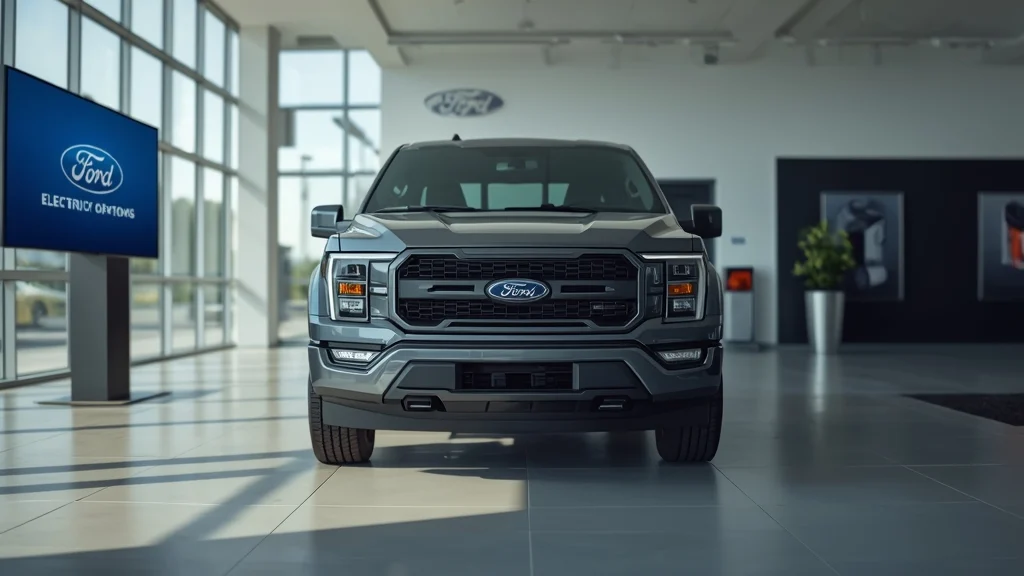
Ford announces five new models under $40,000, including a $30k electric midsize truck, to make car ownership more affordable. Learn more now.
U.S. car buyers are feeling the pressure as the average new‑vehicle price tops $50,000, a level many consumers simply cannot afford. In response, Ford’s leadership has pledged to bring fresh, wallet‑friendly options to the market.
Why Price Matters
With steep pricing driving shoppers toward used cars or cheaper brands, the automaker sees a clear opportunity to win back price‑sensitive buyers. Ford aims to close the gap by launching five completely new models priced below $40,000.
The New Affordable Lineup
Announced at this week’s NADA Show, the upcoming models will roll out across several categories—pick‑up trucks, SUVs, vans, and even electric vehicles—before 2030. All are designed from the ground up, not merely as stripped‑down versions of existing lines.
First Model: $30,000 Electric Midsize Truck
The first vehicle to hit showrooms, slated for a 2025 release, is a midsize electric pickup with an expected price tag of around $30,000. For a major brand like Ford, that price point is exceptionally competitive in today’s electric‑vehicle landscape.
Beyond the Truck: SUVs, Vans, and More
Andrew Frick, head of Ford Blue and Model e, explained that the new catalogue will span a variety of powertrains and body styles. “The new range will cover sub‑compact cars, trucks, SUVs, and vans, using multiple energy sources. While we fill product gaps, we also need practical, short‑term solutions to improve consumer access,” he said.
Short‑Term Strategies While Waiting for New Launches
- Boost sales of standard‑spec versions of popular models such as the Explorer and Bronco.
- Expand certified‑pre‑owned programs to provide reliable, lower‑cost alternatives.
- Introduce incentive packages aimed at first‑time buyers.
Frick added that roughly ten different initiatives are already in motion to broaden vehicle accessibility for everyday drivers.
With these moves, Ford hopes to reshape the affordability narrative in the U.S. automotive market and make owning a new Ford a realistic goal for a wider audience.