
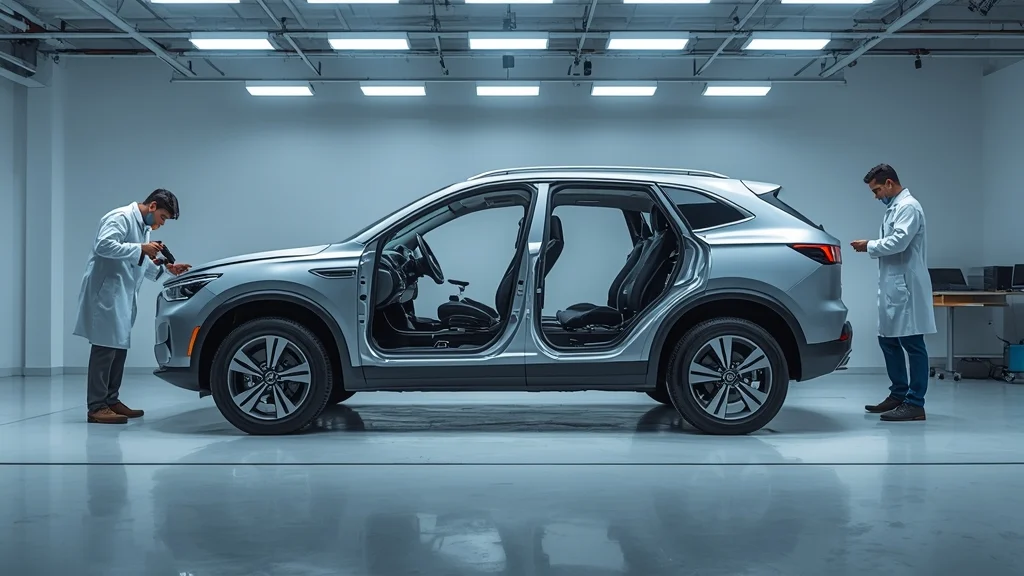
Xiaomi CEO Lei Jun streams a live teardown of the YU7 electric SUV, debunking myths and showcasing build quality. Discover the facts now!
Why a livestream mattered
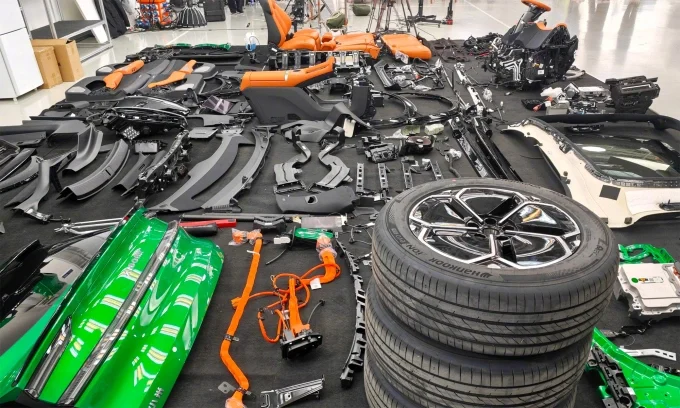
On January 3, Xiaomi founder, chairman and CEO Lei Jun opened a four‑hour live broadcast that showed engineers dismantling the brand‑new YU7 electric SUV straight in front of the camera. The session was a direct response to a wave of online criticism and misinformation that had begun circulating about Xiaomi’s second flagship EV, the SU7‑successor YU7.
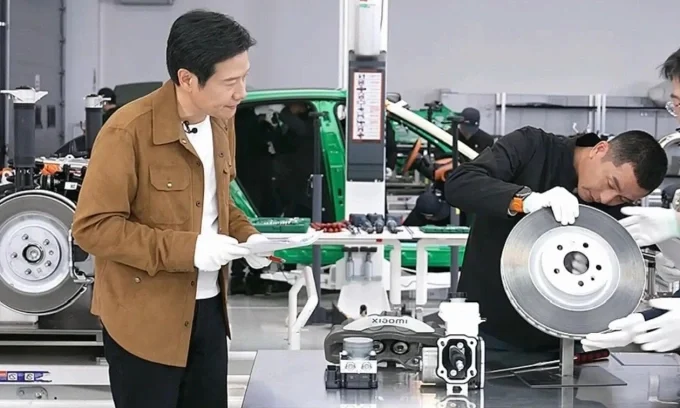
Addressing the viral misconceptions
During the stream, Lei tackled the most common claims head‑on:
- Range claim of 1,300 km on a single charge – Lei clarified that the figure refers to a “mid‑charge” scenario, meaning the vehicle would stop at a charging station, top‑up the battery, and then continue. It is not a single uninterrupted charge.
- “Instant brake at 200 km/h” video – The clip originated from a controlled test of the SU7 Ultra at the factory and was edited to exaggerate the results. No such brake system exists on the YU7.
- Wheel rims exploding on impact – The footage shows a safety‑engineered release mechanism that deflates the cabin pressure and dissipates crash forces, not a material defect.
Quality of the build
Lei highlighted that the YU7 uses 2,200 MPa ultra‑high‑strength steel, one of the toughest grades employed in mass‑produced cars. This material choice, combined with a robust chassis design, underpins the vehicle’s safety credentials.
Unfair comparisons
The CEO warned against pitting the mid‑range YU7 against luxury models priced at 1‑2 million CNY (≈ $285,000). “We compete in a different segment, and the metrics should reflect that,” he said.
Interactive Q&A
Initially, comments were disabled, but the feed was reopened to let viewers ask questions in real time. Lei encouraged the audience to keep the dialogue transparent, promising that Xiaomi Auto would provide factual answers to any doubts.
Sales outlook
In the same broadcast, Lei shared performance figures: Xiaomi Auto delivered 410,000 EVs in 2025 and is aiming for 550,000 units in 2026. The target balances ambition with realistic production capacity.
What this means for Xiaomi Auto
The YU7 livestream marks Xiaomi’s first large‑scale public effort to demystify its EV technology. By showing the teardown live, the company hopes to build trust, demonstrate engineering rigor, and set a precedent for openness in the fast‑growing electric‑vehicle market.