

New tax rules in Vietnam will push pickup truck prices higher from 2026. Learn how the increased special consumption tax affects buyers and what incentives exist for electric models. Stay informed!
New Special Consumption Tax Rules Take Effect in 2026
At the end of 2025, Vietnam issued a decree detailing the implementation of the Special Consumption Tax (SCT) law. Starting January 1, 2026, the government will adjust SCT rates for a range of vehicle models, with pickup trucks—both cargo and passenger variants—seeing the most significant hikes.
How the Tax Changes Impact Different Pickup Types
For vehicles equipped with engines under 24 seats, which includes four‑wheel passenger cars, passenger pickup trucks, dual‑cabin cargo pickups, and vans with a fixed partition between passenger and cargo areas, the SCT will now be applied according to engine displacement.
- Passenger pickups: SCT ranges from 35% to 150% depending on cubic capacity.
- Dual‑cabin cargo pickups (commonly seen with a “C” license plate): a base SCT of 15%, climbing up to 34% as engine size increases.
The majority of pickups currently sold in Vietnam fall into the dual‑cabin cargo category, meaning most owners will face the new 15%‑plus rate, with a 25‑year usage limit attached.
Electric Pickups Get a Temporary Break
Fully electric pickups will be taxed at a reduced rate of 3% in 2026, rising to 11% in March 2027. Dual‑cabin electric cargo pickups start at 2% in 2026 and increase to 7% the following year. This preferential treatment is part of the government’s push for greener transportation.
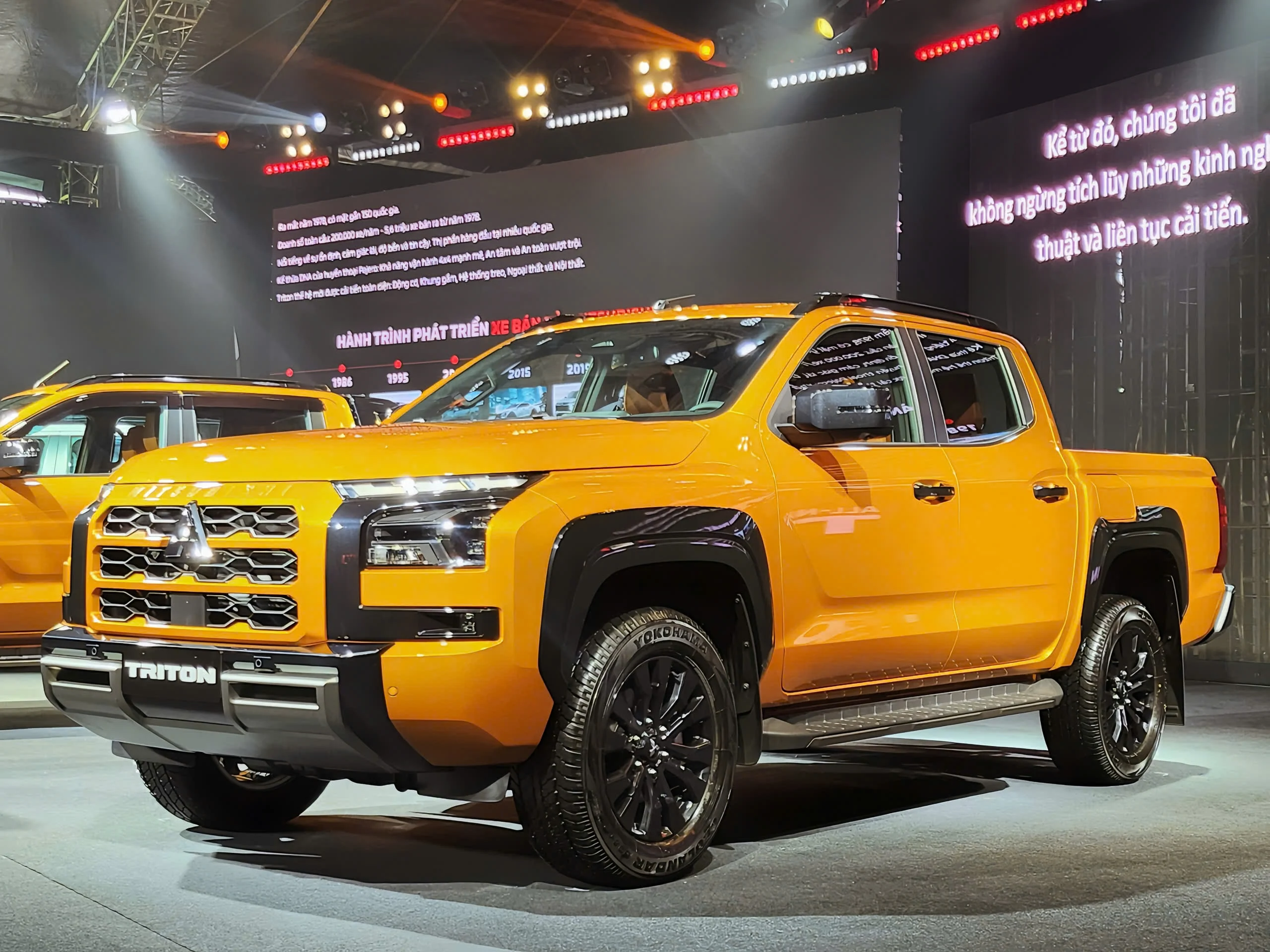
What Buyers Should Consider
Prospective buyers need to weigh the higher upfront cost driven by the SCT against the long‑term savings of lower fuel expenses and potential incentives for electric models. While traditional diesel or gasoline pickups will see a noticeable price bump, electric variants benefit from a lower tax rate and the environmental edge.
Key factors to evaluate include:
- Engine size and its corresponding SCT bracket.
- Whether you need a passenger‑oriented or cargo‑oriented pickup.
- Potential resale value after the 25‑year usage limit.
- Availability of charging infrastructure for electric models.
By understanding these elements, Vietnamese consumers can make more informed decisions and avoid unexpected cost surprises when the new tax regime kicks in.
Looking Ahead
The tax adjustments signal a broader shift in Vietnam’s automotive policy: higher fees for fuel‑powered pickups paired with incentives for electric alternatives. As the market adapts, manufacturers are expected to expand their electric pickup line‑ups, offering consumers more choices that align with the country’s green‑mobility goals.
Stay updated on the latest developments, as further regulatory tweaks may affect pricing and incentives throughout the next few years.