

Mercedes-Benz introduces its new MB.DRIVE ASSIST PRO self‑driving system in the United States, challenging Tesla’s Full Self‑Driving. Discover the impact on urban mobility today.
German luxury automaker Mercedes‑Benz is set to launch a high‑level driver‑assistance package in the United States later this year, positioning the brand directly against Tesla’s Full Self‑Driving (FSD) suite.
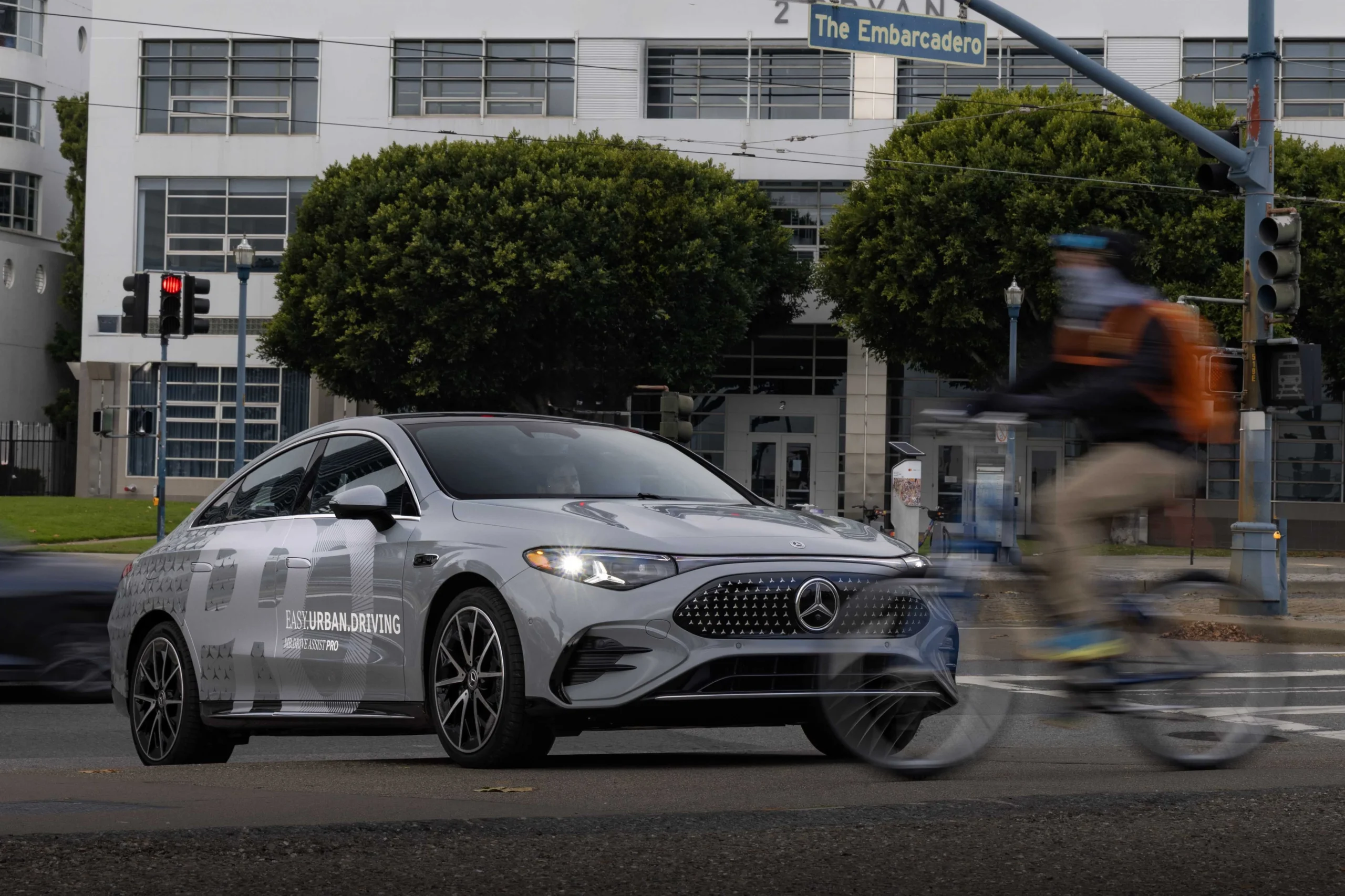
What’s Inside MB.DRIVE ASSIST PRO?
Dubbed MB.DRIVE ASSIST PRO, the system can take a vehicle from a parking spot to a destination point with minimal driver input. It handles city intersections, makes lane changes, and obeys traffic‑signal information—all under the constant supervision of a human driver.
Technically, the package relies on roughly 30 sensors, including cameras, radar units and ultrasonic detectors. All data is processed by a dedicated computer capable of up to 508 trillion operations per second, allowing real‑time perception and decision‑making.
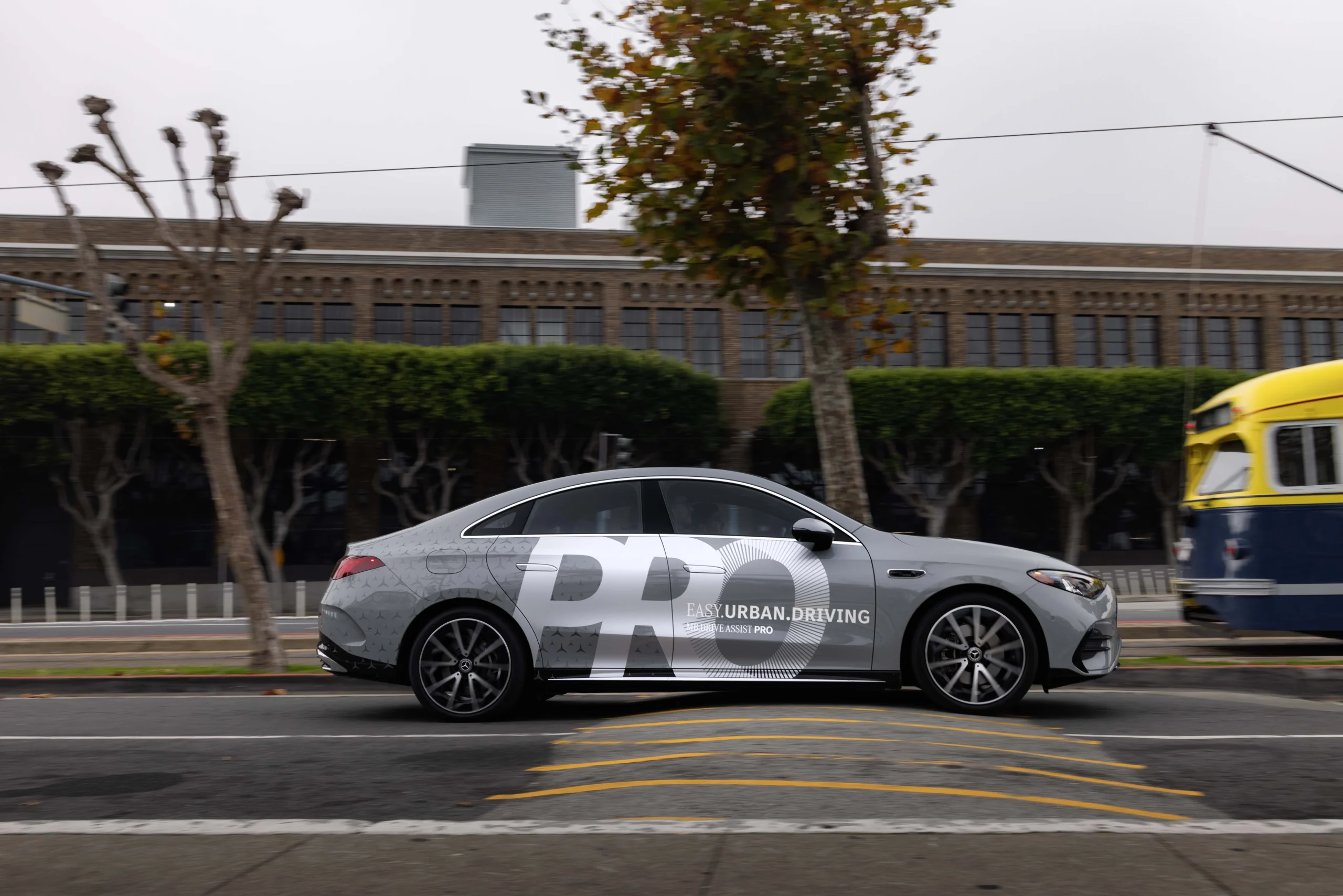
Pricing and Availability
In the U.S., MB.DRIVE ASSIST PRO will be priced at $3,950 for a three‑year term. Mercedes also plans subscription alternatives—monthly or annual—but the exact rates have yet to be disclosed. By comparison, Tesla’s FSD costs around $8,000 for a perpetual license or $99 per month on a subscription basis.
How It Stacks Up Against Tesla’s FSD
While most automakers restrict autonomous functions to highway cruising, both Mercedes‑Benz and Tesla are pushing into the more chaotic urban environment where pedestrians, cyclists and unpredictable traffic patterns prevail. Mercedes stresses that the driver must stay alert and ready to intervene at any moment, mirroring Tesla’s current safety stance.
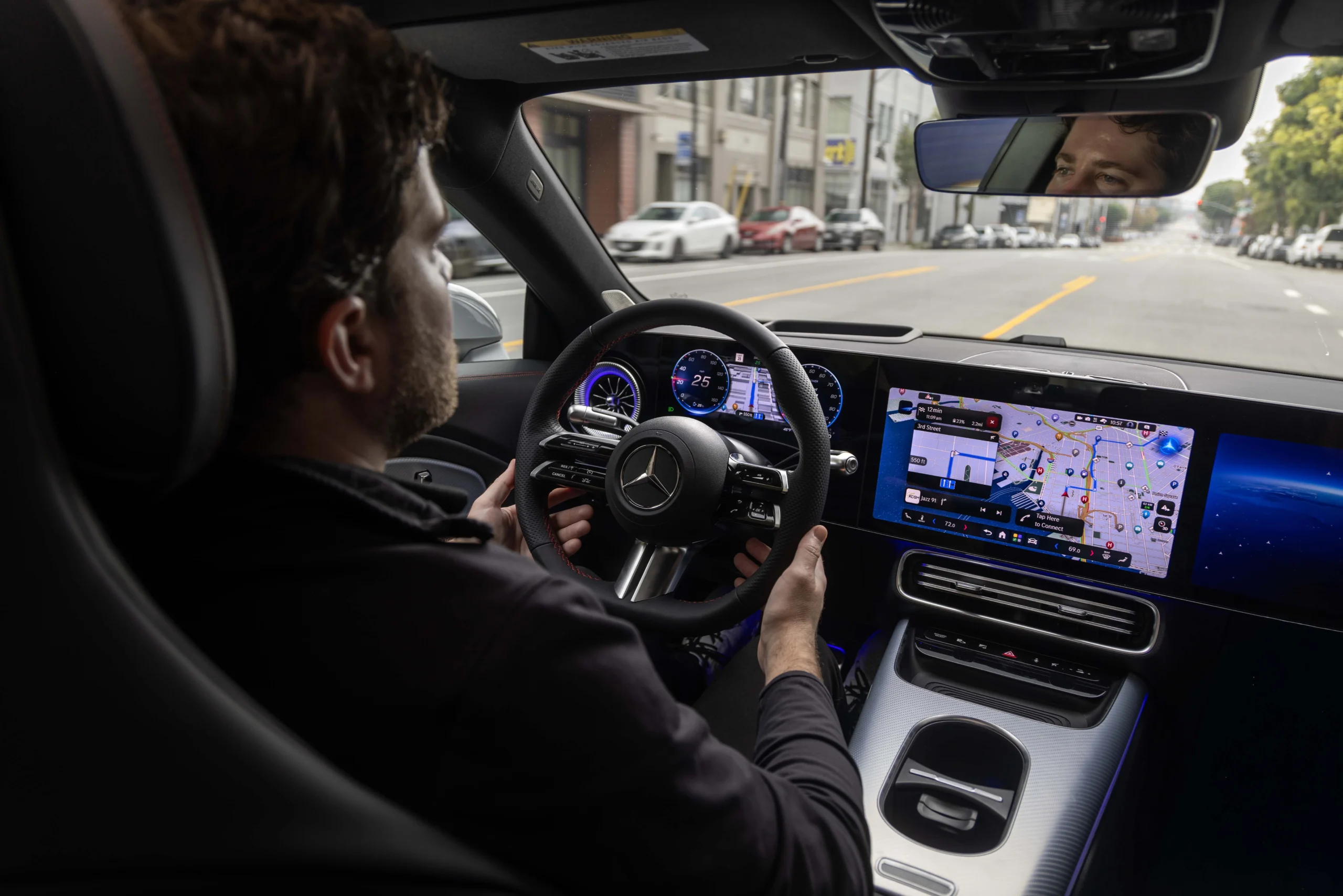
From a hardware standpoint, Mercedes benefits from a partnership with Nvidia, using the latest AI‑accelerated platforms in its new CLA model—the first vehicle built on the MB.OS operating system. This enables over‑the‑air (OTA) updates that can refine self‑driving capabilities long after the car leaves the showroom.
Challenges Ahead
Despite the technical progress, regulatory hurdles and safety concerns remain major obstacles on the road to fully autonomous passenger cars. Tesla’s CEO Elon Musk has repeatedly promised a future of driver‑less streets, yet his timelines remain speculative. Current deployments such as Tesla’s limited robotaxi service in Austin, Texas, still involve safety drivers.
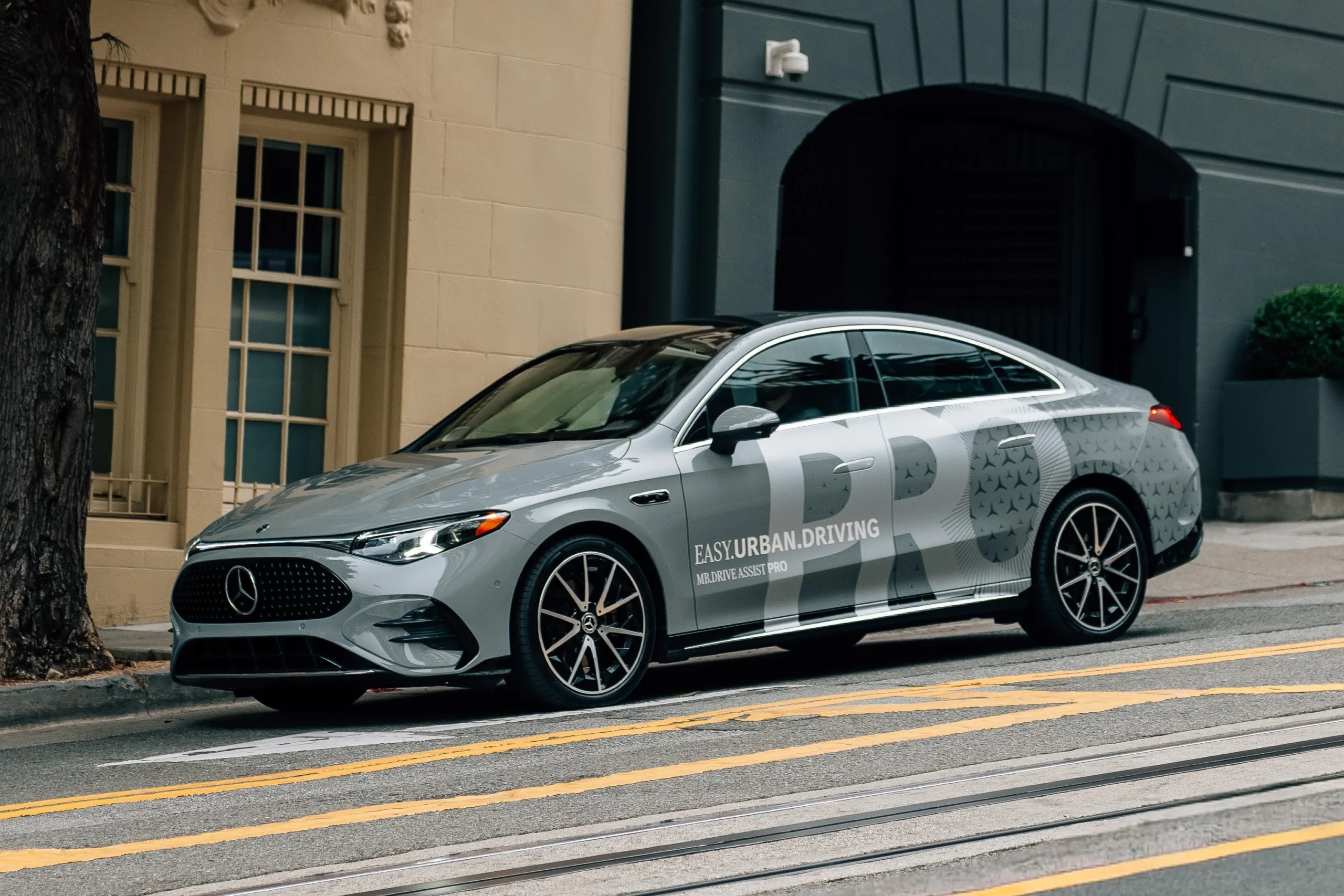
Mercedes‑Benz’s entry into the commercial market marks a shift from isolated pilot projects to broader consumer availability, signalling that the auto industry views autonomous driving as a long‑term revenue engine.
What It Means for Consumers
For buyers looking for cutting‑edge assistance in everyday traffic, the MB.DRIVE ASSIST PRO offers a compelling, lower‑cost alternative to Tesla’s premium package. As software updates roll out, the system’s capabilities are expected to evolve, potentially narrowing the gap between the two flagship autonomous solutions.
Stay tuned as Mercedes‑Benz expands the rollout and regulators shape the future of urban self‑driving technology.