
Mercedes-Benz introduces MB.DRIVE ASSIST PRO, a near‑autonomous city‑driving system for the US, priced at $3,950 and set to rival Tesla’s FSD. Discover the details now!
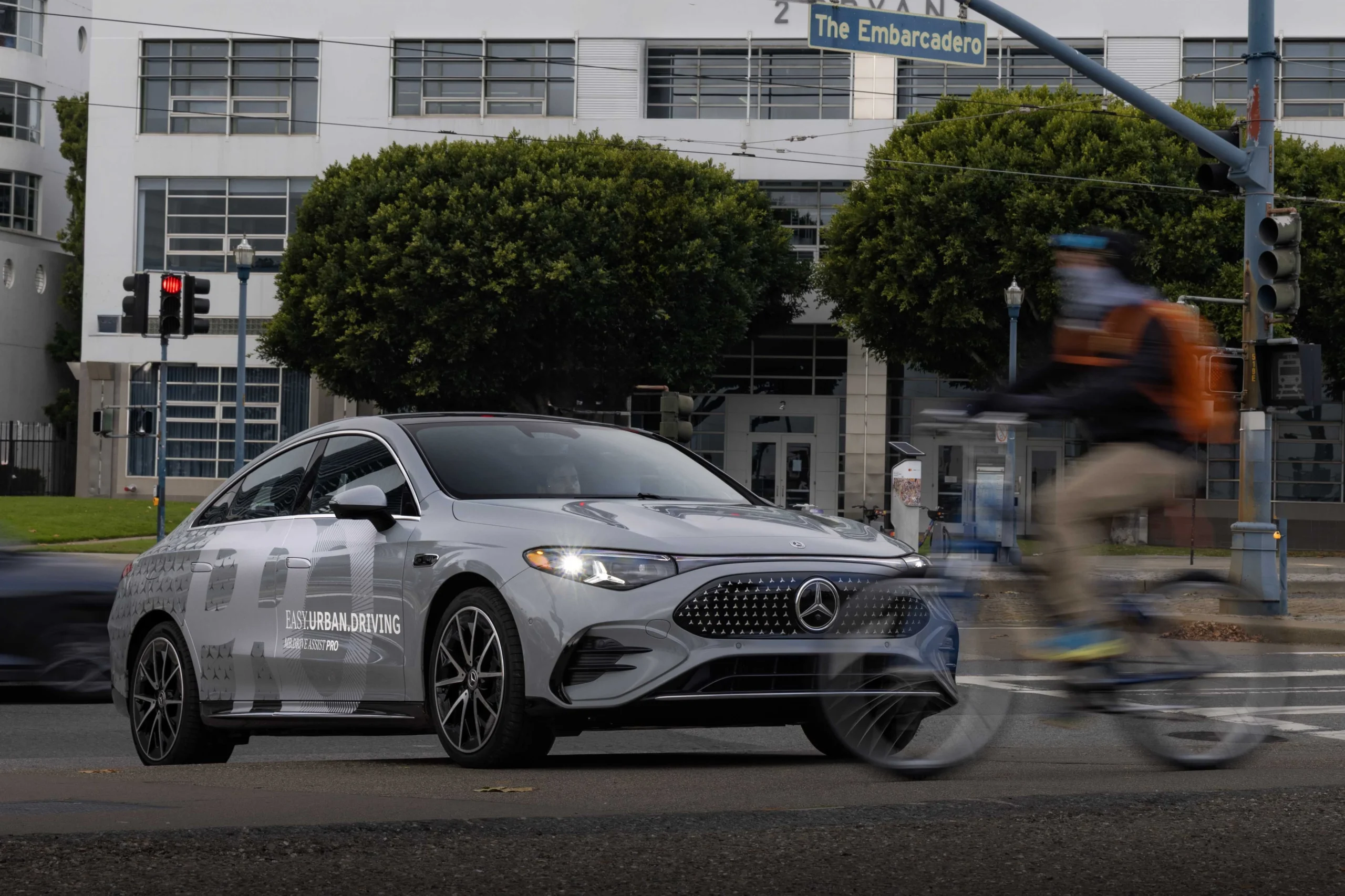
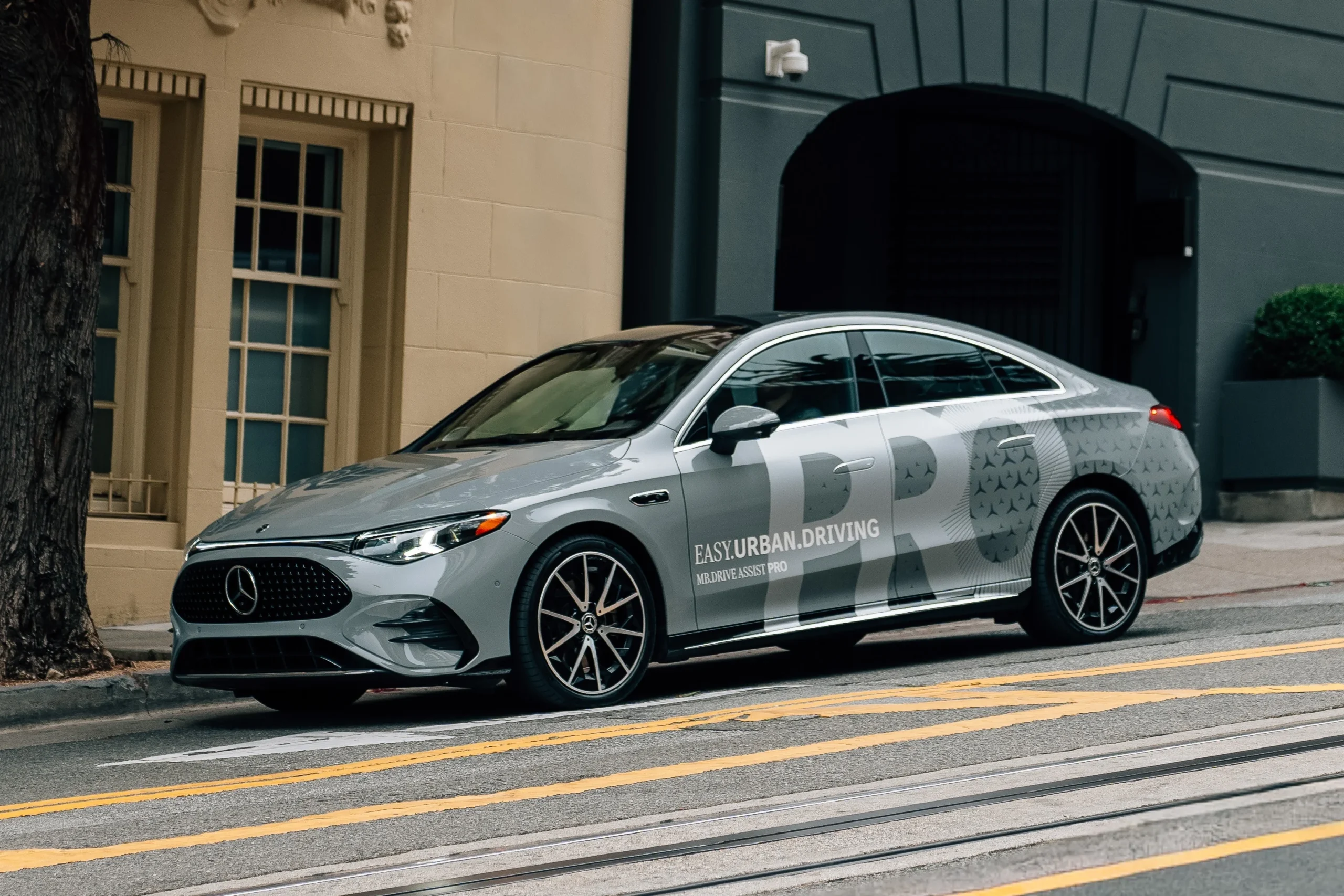
Mercedes-Benz announced that it will launch its latest advanced driver‑assistance system, MB.DRIVE ASSIST PRO, in the United States by the end of this year. The technology enables vehicles to operate almost autonomously on city streets while keeping the driver ready to intervene.
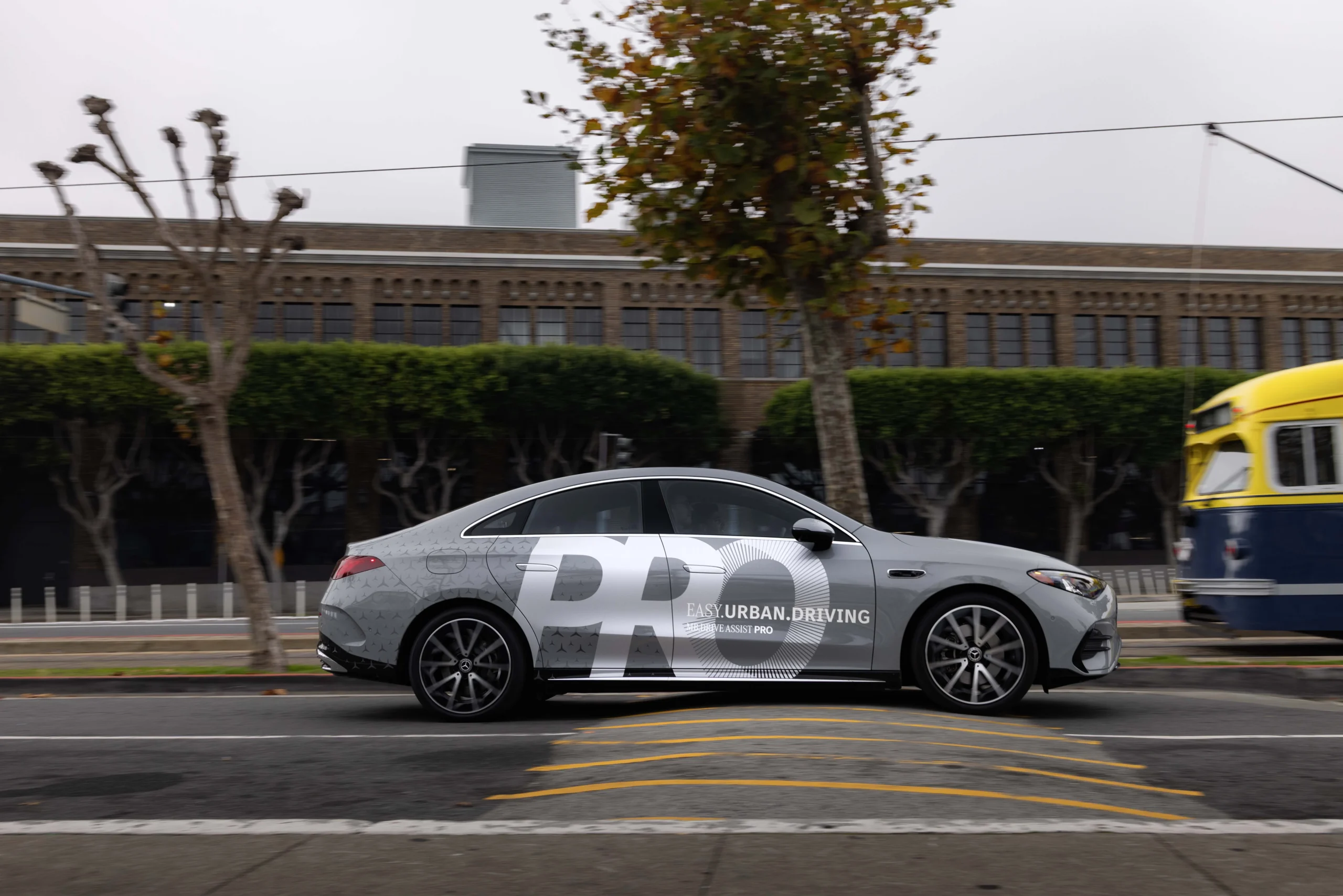
What the system can do
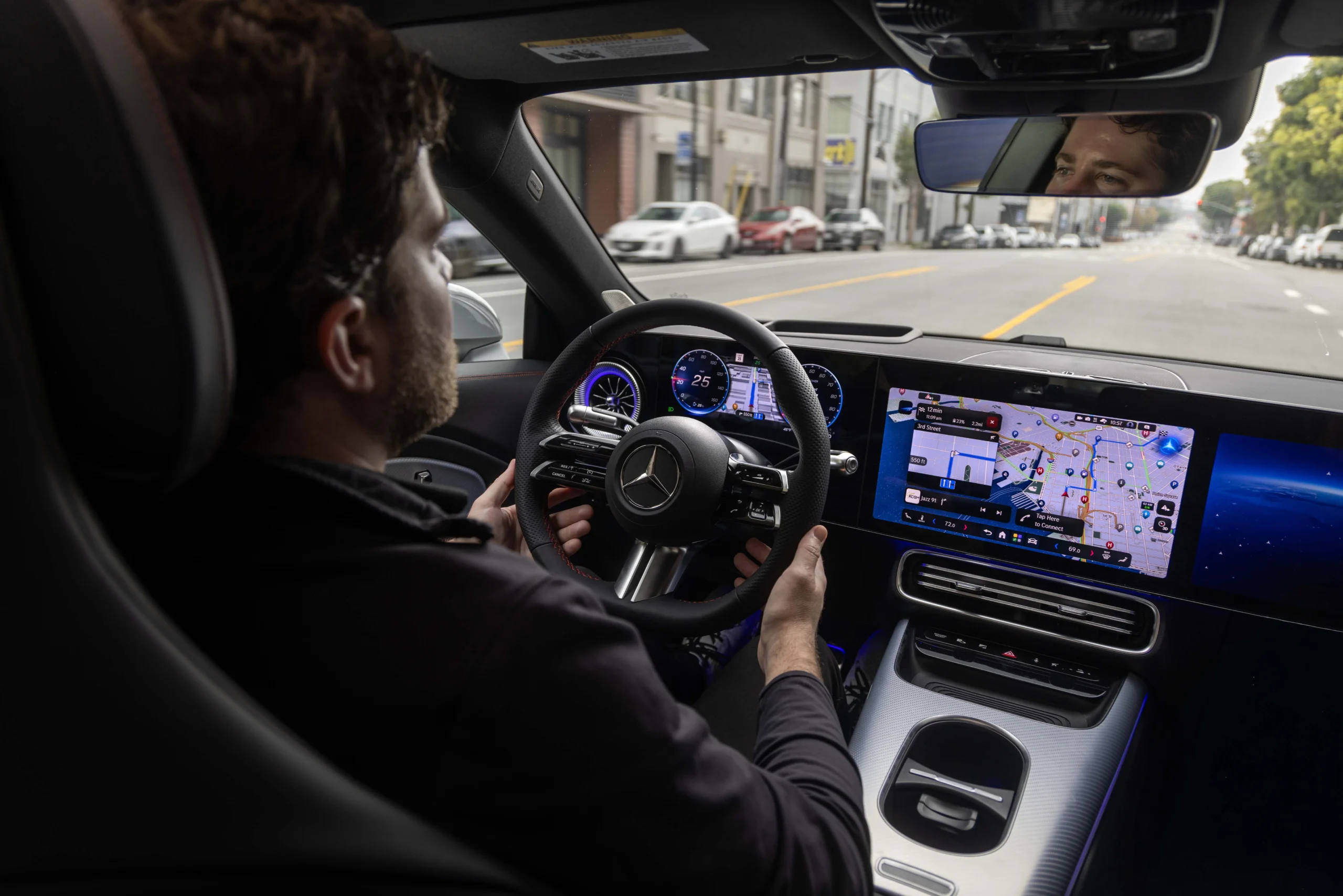
MB.DRIVE ASSIST PRO is designed to handle the entire journey—from the moment a car leaves a parking space to the final destination. It can navigate complex intersections, make lane changes, and obey traffic‑light signals without driver input, though the driver must stay alert at all times.
Pricing and availability
In the U.S. market the package will be offered for a three‑year period at a base price of $3,950. Mercedes says a monthly or yearly subscription will also be available, with detailed rates to be announced later. By comparison, Tesla’s Full Self‑Driving (FSD) package costs about $8,000 outright or $99 per month.
From China to America
The system has already been deployed in China since late 2023, giving Mercedes‑Benz a head start in the commercial rollout of urban autonomous features.
Technical underpinnings
- Approximately 30 sensors, including cameras, radar and ultrasonic units.
- On‑board computer capable of 508 trillion operations per second.
- Integration with Nvidia’s AI platform and the new MB.OS operating system.
- Over‑the‑air (OTA) updates that will continuously improve functionality.
How it stacks up against Tesla
Both Mercedes‑Benz and Tesla are pushing self‑driving tech beyond highway‑only use cases into densely populated urban environments, where pedestrians, cyclists and unpredictable traffic patterns present greater challenges. While Tesla continues to refine its FSD suite and runs limited robotaxi pilots in Austin, Texas, Mercedes‑Benz aims to bring a commercially viable city‑driving solution to a broader audience.
Regulatory and safety considerations
Despite the leap forward, regulators and safety advocates remain cautious. The system still requires the driver to remain vigilant and ready to take control, reflecting the industry’s current legal framework for Level 3 automation.
Mercedes‑Benz’s aggressive move into urban assisted driving signals a shift from experimental trials to real‑world commercial deployment, underscoring the growing importance of autonomous technology in the automotive sector.