
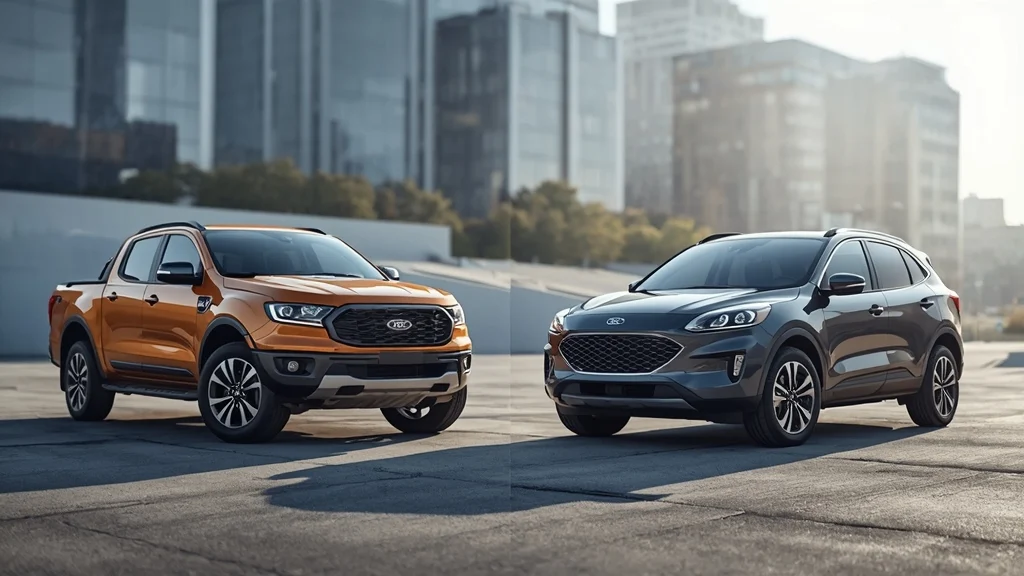
Ford reported a 6% rise in U.S. sales for 2025, driven by strong hybrid demand and the budget‑friendly Maverick truck, despite a slowdown in EV growth. Learn more now.
Ford Motor Company announced that its U.S. vehicle sales climbed 6% in 2025, reaching a total of 2,204,124 units. The uptick came despite a broader industry slowdown in pure‑electric vehicle (EV) demand.
Hybrid models power the growth
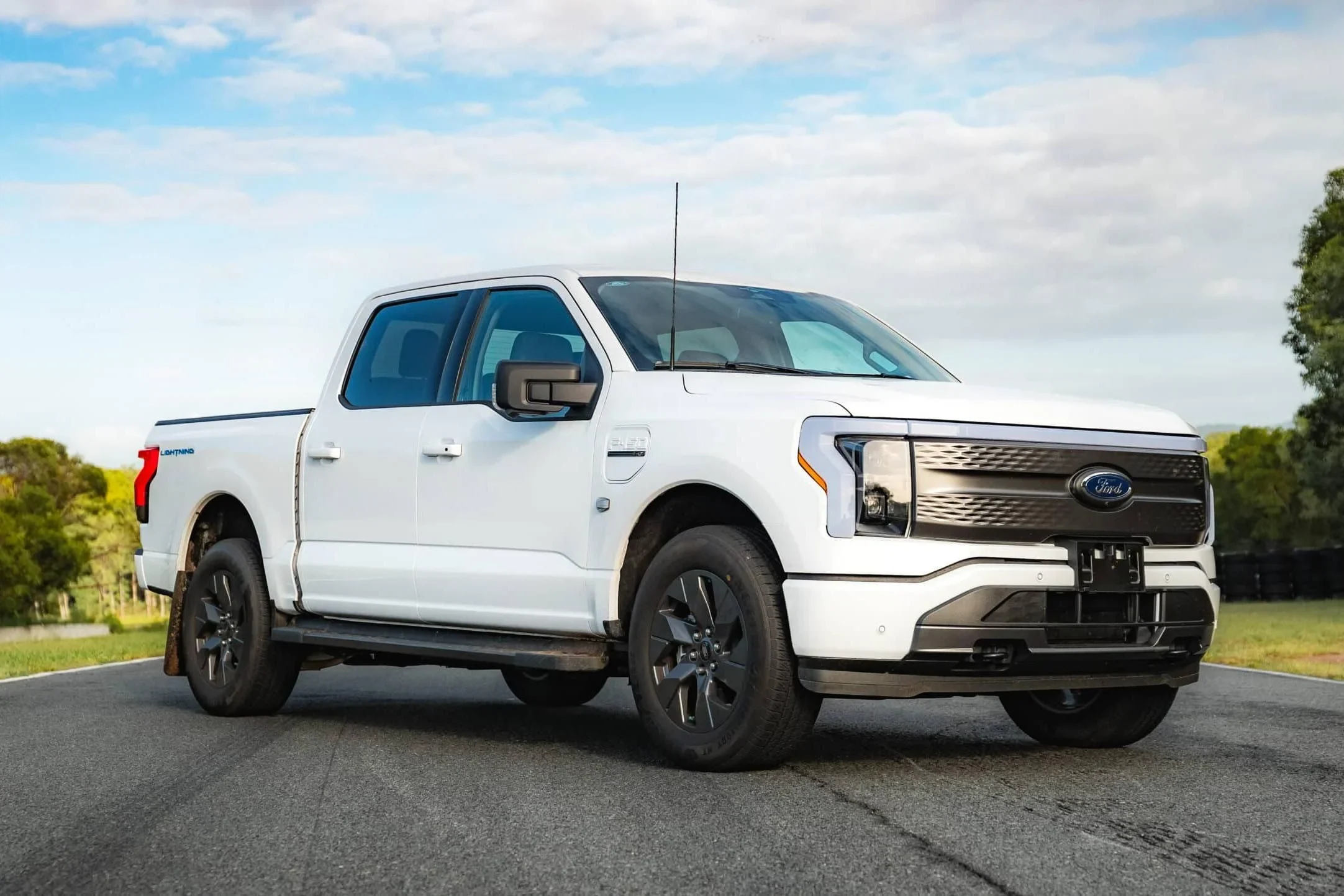
Hybrid‑powered cars were the engine behind the increase, posting a 22% jump to 228,072 units sold, up from 187,426 the previous year. The surge reflects consumers’ desire for better fuel efficiency without the range‑anxiety associated with full‑electric models.
Maverick: The affordable pickup that’s resonating
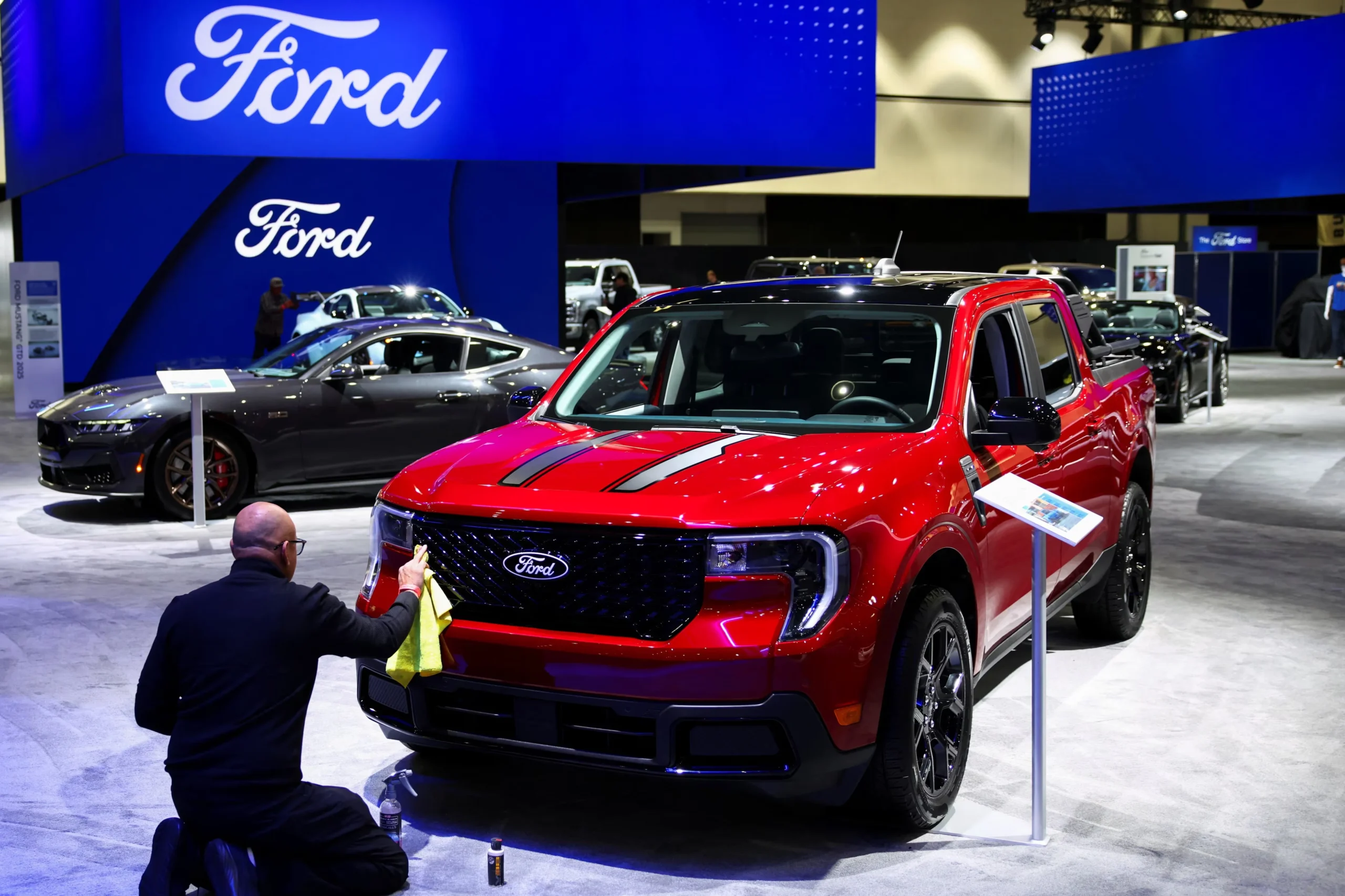
The compact, budget‑friendly Maverick pickup continued to outperform expectations, posting an 18% rise to 155,051 units. CEO‑level executives credit the model’s low entry price and practical design for helping buyers manage the still‑elevated price environment across the automotive sector.
EV strategy recalibrated
In December 2025 Ford disclosed a $19.5 billion asset write‑down and the suspension of several EV projects. The move follows recent policy shifts that have reduced tax incentives for all‑electric vehicles, prompting the company to tighten its EV roadmap.
To stay competitive, Ford introduced the Ford Universal EV Platform, a $5 billion investment aimed at creating flexible, scalable electric architectures. The first vehicle built on this platform will be a $30,000 electric pickup that mirrors the Maverick’s size and price point.
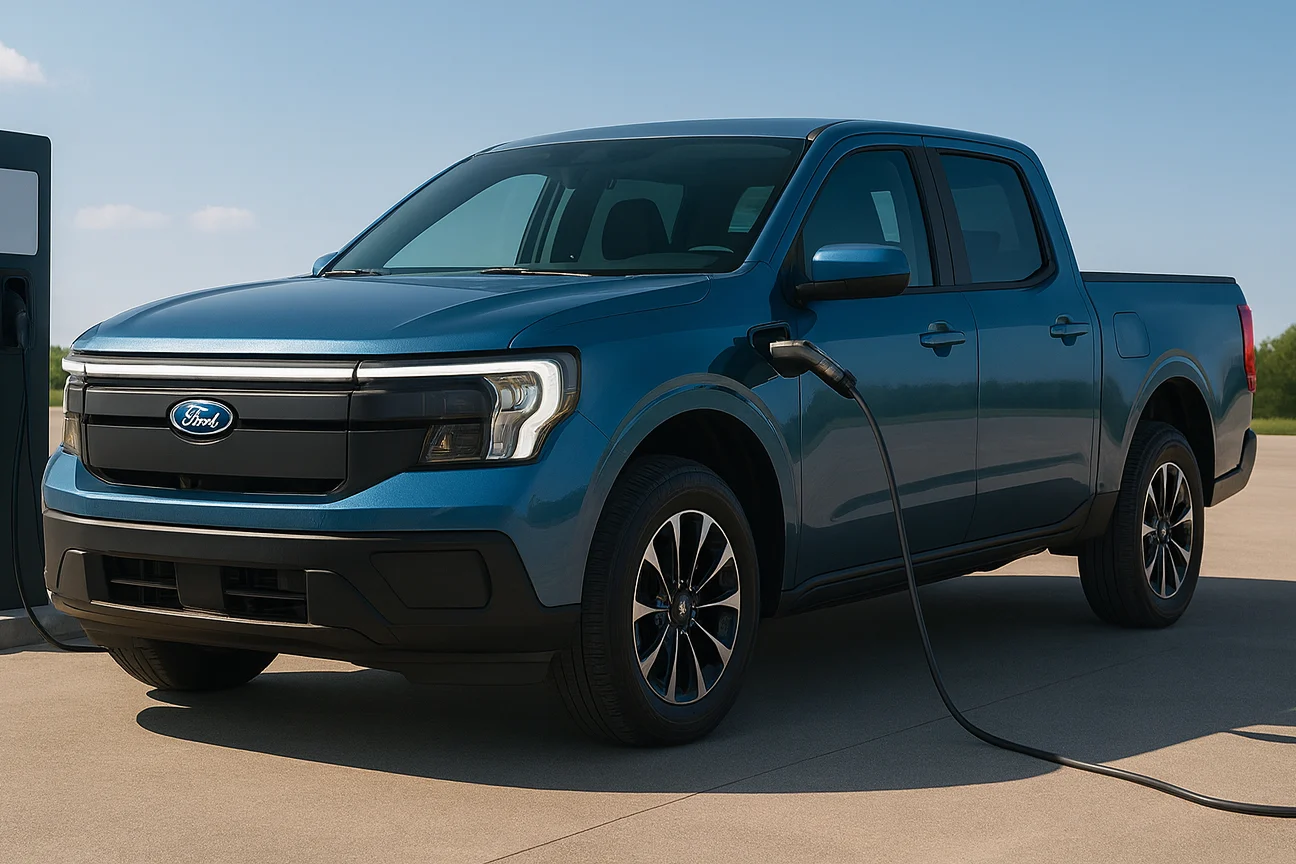
Additionally, the second‑generation F‑150 Lightning has been re‑engineered as an extended‑range electric‑vehicle (EREV), addressing lingering concerns over charging infrastructure and real‑world range.
Industry context
Ford’s results echo the broader positive momentum reported by rivals such as Toyota, Hyundai and General Motors, which also posted year‑over‑year sales gains despite lingering supply‑chain challenges, tariff pressures and the phase‑out of the $7,500 federal EV tax credit.
Analysts view Ford’s balanced focus on hybrids, affordable trucks, and a more pragmatic EV strategy as a resilient approach in an unsettled market.