

Thailand’s EV market topped 44,000 units in Jan 2026, raising share to 48% after EV3 incentives and tax cuts. Find out how it fuels SE Asia’s EV hub.
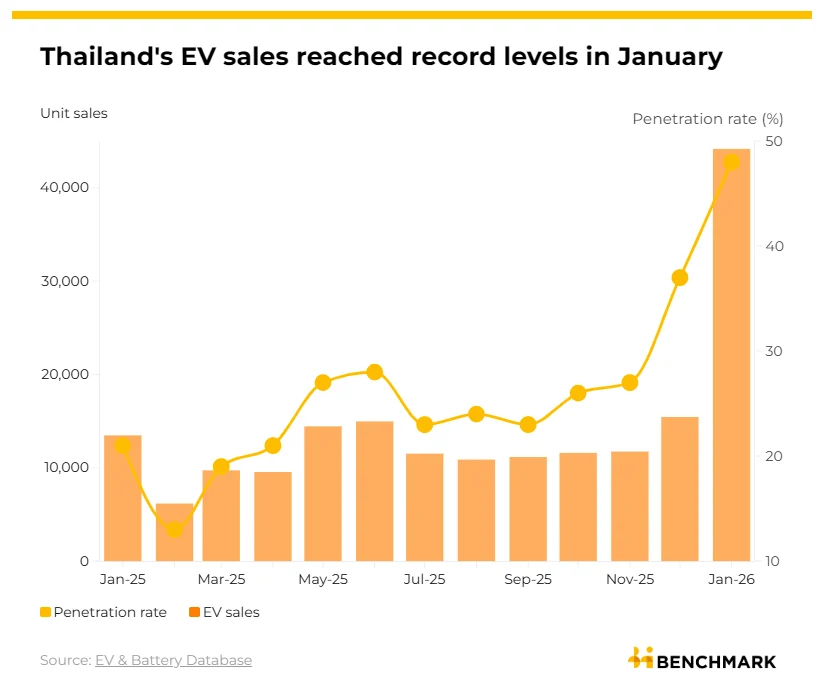
In January 2026, Thailand’s electric‑vehicle (EV) market reached a new milestone: more than 44,000 units were registered – the highest monthly total ever recorded in the country. That surge lifted the overall EV penetration to 48%, eclipsing the previous peak of 37% seen in December 2025.
Policy Drivers Behind the Surge
The rapid climb was largely sparked by a strategic extension of the registration deadline under the government’s EV3 programme. The original cut‑off of December 2025 was moved to January 2026, giving manufacturers and buyers extra time to finalise registrations. At the same time, the EV3.5 schedule – originally ending in December 2027 – was pushed to January 2028, further encouraging long‑term investment.
EV3 and EV3.5 Incentive Packages
- Direct cash subsidies for end‑consumers purchasing EVs.
- Import‑tax reductions on completely built‑up (CBU) vehicles, provided the maker commits to future local EV production.
- Mandatory local‑content ratios: currently 2 domestically produced vehicles for every imported unit, rising to 3:1 from 2027.
- Export credits: each EV shipped abroad counts as 1.5 vehicles toward a manufacturer’s local‑production quota.
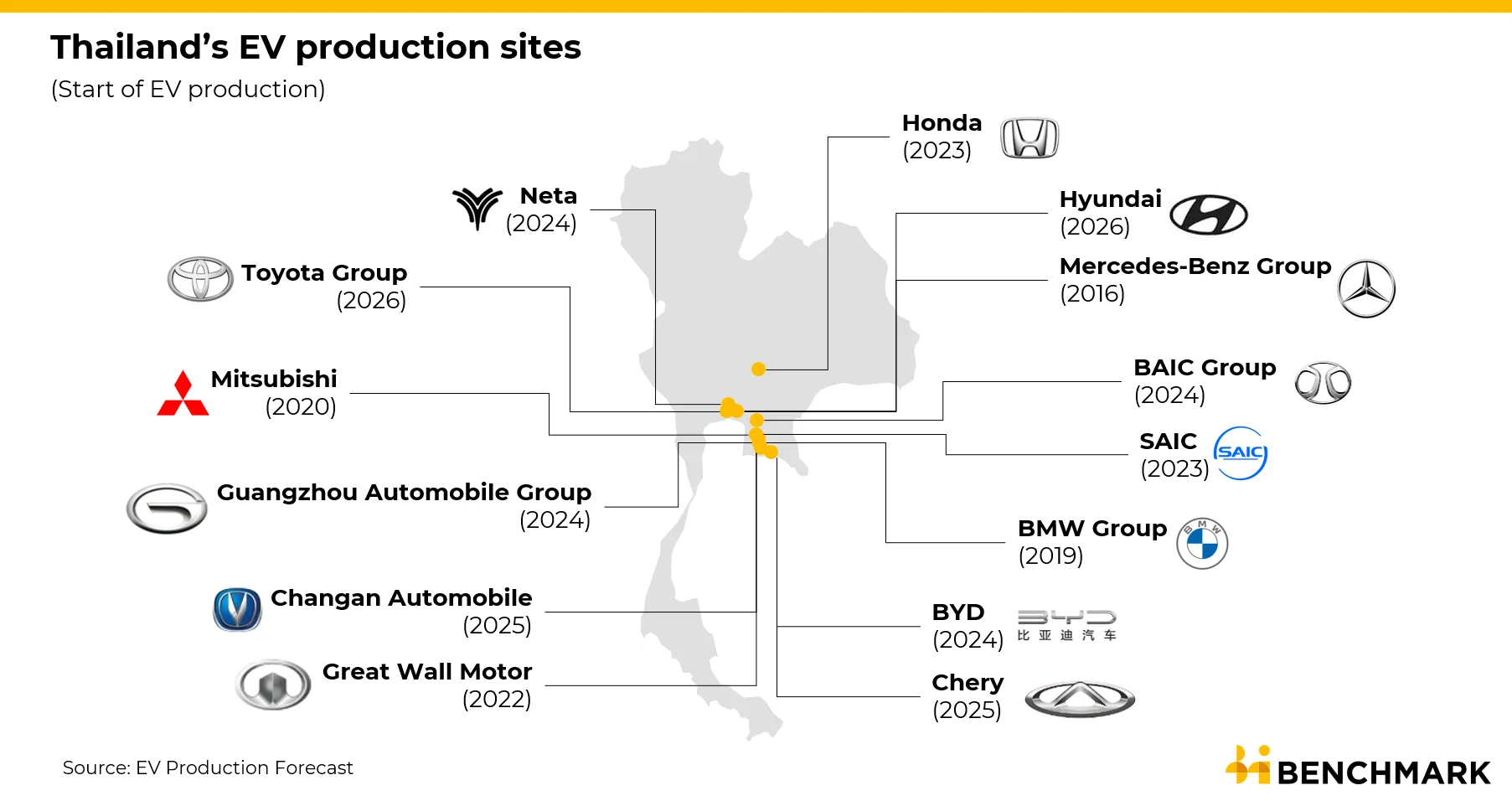
These measures are central to Thailand’s ambition to become Southeast Asia’s premier EV manufacturing hub. Already, 14 OEMs have established assembly lines in the kingdom, positioning the nation as a pivotal node for both regional sales and global exports.
Tax Reductions Effective Jan 1 2026
On 1 January 2026, special consumption tax rates were slashed:
- Passenger BEVs: from 8 % down to 2 %.
- BEV pickup trucks: from 2 % to 0 %.
The tax relief gave a noticeable short‑term boost to consumer demand, especially for commercial light‑vehicle fleets that benefit from the zero‑tax incentive.
Analyst Perspective
While the January spike is impressive, several analysts caution that it may be a one‑off effect driven by manufacturers racing to meet the extended EV3 deadline. If the registration window had not been shifted, the numbers could have been markedly lower.
Looking Ahead: Production, Export and Regulatory Outlook
Beyond the immediate surge, the EV3.5 programme is expected to cement Thailand’s long‑term EV ecosystem. The upcoming increase in local‑content requirements (to a 3:1 ratio) will push OEMs to expand domestic production capacity.

Export Strategy
To incentivise overseas sales, the government will count each exported EV as 1.5 units toward the local‑production quota. This policy aims to nurture a sustainable export pipeline while reinforcing Thailand’s status as an EV hub for the region.
Overall, Thailand’s latest figures underline a clear, policy‑driven strategy: stimulate domestic demand now, while laying the groundwork for a robust, export‑oriented EV manufacturing base in the years to come.