

Ford’s US sales jumped 6% in 2025, driven by strong hybrid demand and the affordable Maverick pickup. Discover how the automaker is reshaping its electric strategy.
Overall Performance
Ford Motor Company announced that its full‑year sales in the United States climbed 6% in 2025, reaching a total of 2,204,124 vehicles. That compares with 2,078,832 units sold in 2024, marking the automaker’s strongest annual growth in recent years.
Hybrid Models Lead the Charge
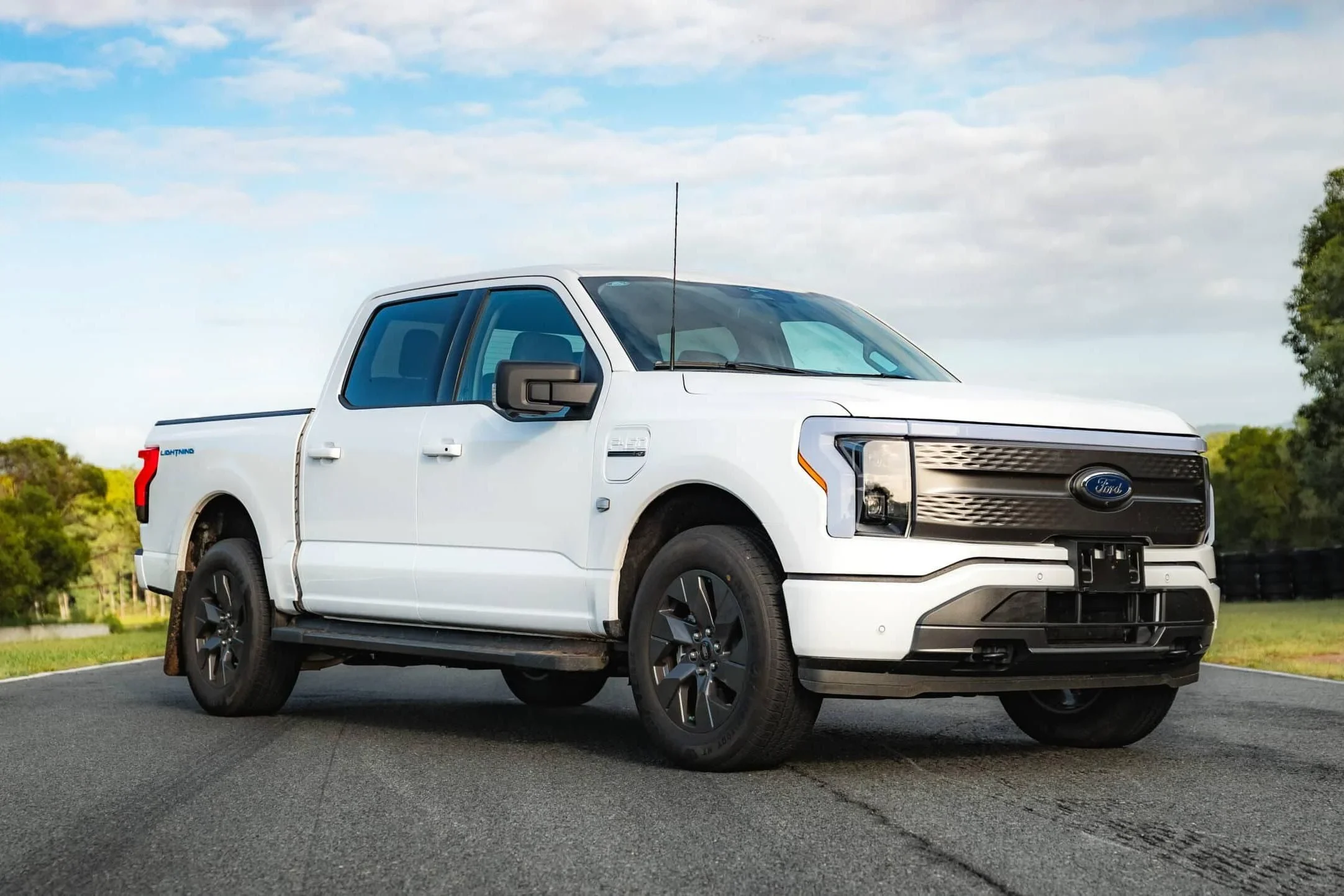
The biggest driver behind the uptick was robust demand for Ford’s hybrid lineup. Hybrid deliveries rose almost 22% year over year, with 228,072 hybrids leaving dealerships in 2025 versus 187,426 in 2024. The growth reflects consumers’ desire for better fuel efficiency without the range‑anxiety that still hovers over pure‑electric models.
Affordable Maverick Pickup Keeps Momentum
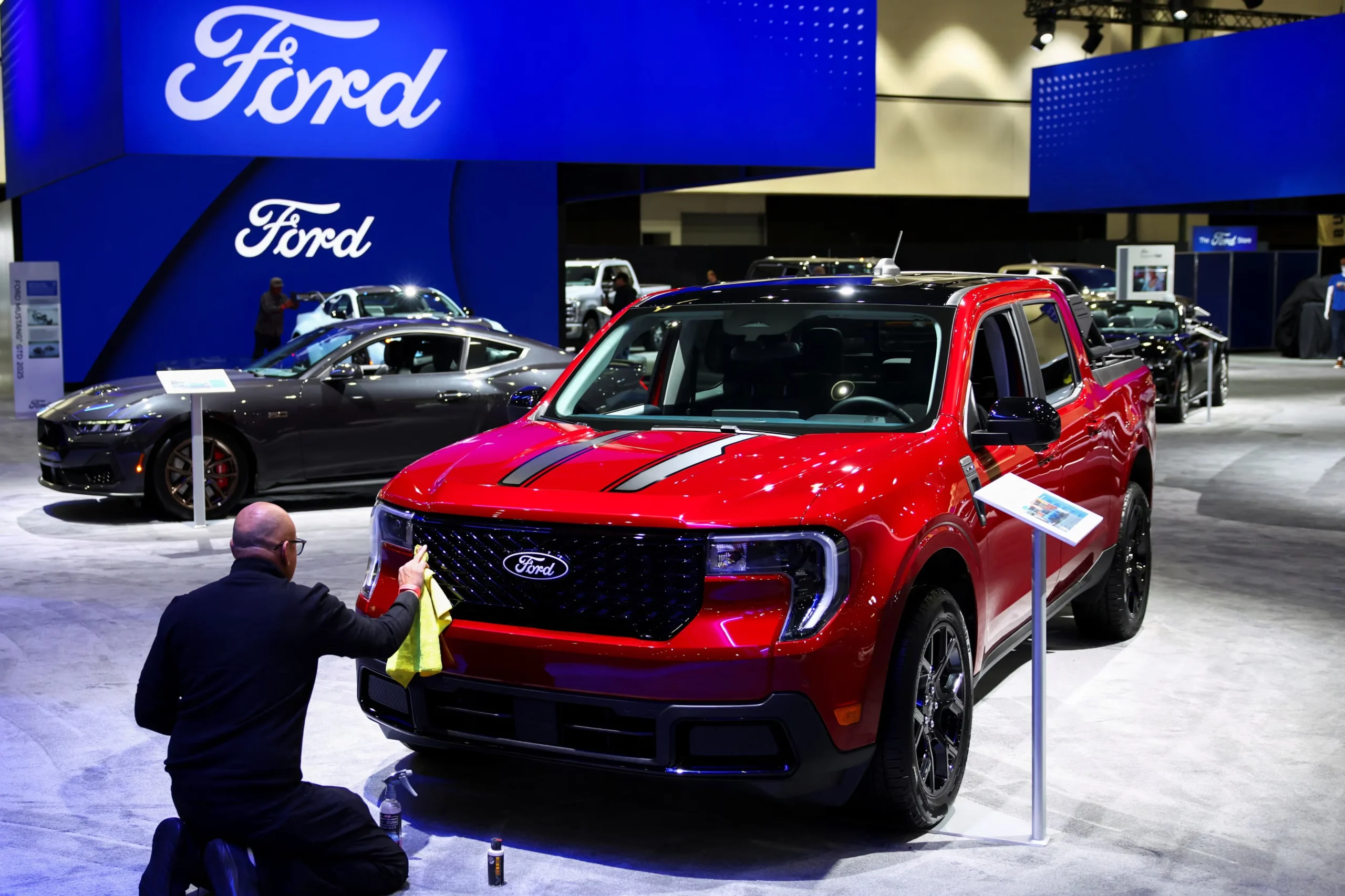
Ford’s compact, budget‑friendly Maverick pickup also posted impressive numbers. Sales increased roughly 18%, moving 155,051 units in 2025 compared with 131,142 the previous year. Andrew Frick, head of Ford’s gasoline‑and‑electric vehicle division, said, “The Maverick is a game‑changer for solving affordability challenges in the pickup market.”
Electric Strategy: A Pragmatic Shift
In December 2025, Ford disclosed a $19.5 billion write‑down on certain electric‑vehicle (EV) assets and announced the cancellation of several BEV projects. The move mirrors broader industry pressure from the Trump administration’s rollback of the $7,500 federal EV tax credit and a slowdown in pure‑electric demand.
To stay competitive while trimming costs, Ford introduced the Ford Universal EV Platform, a $5 billion investment that can underpin a variety of future models. The first vehicle built on this platform will be a $30,000 electric pickup—size‑comparable to the Maverick—aimed at price‑sensitive buyers.
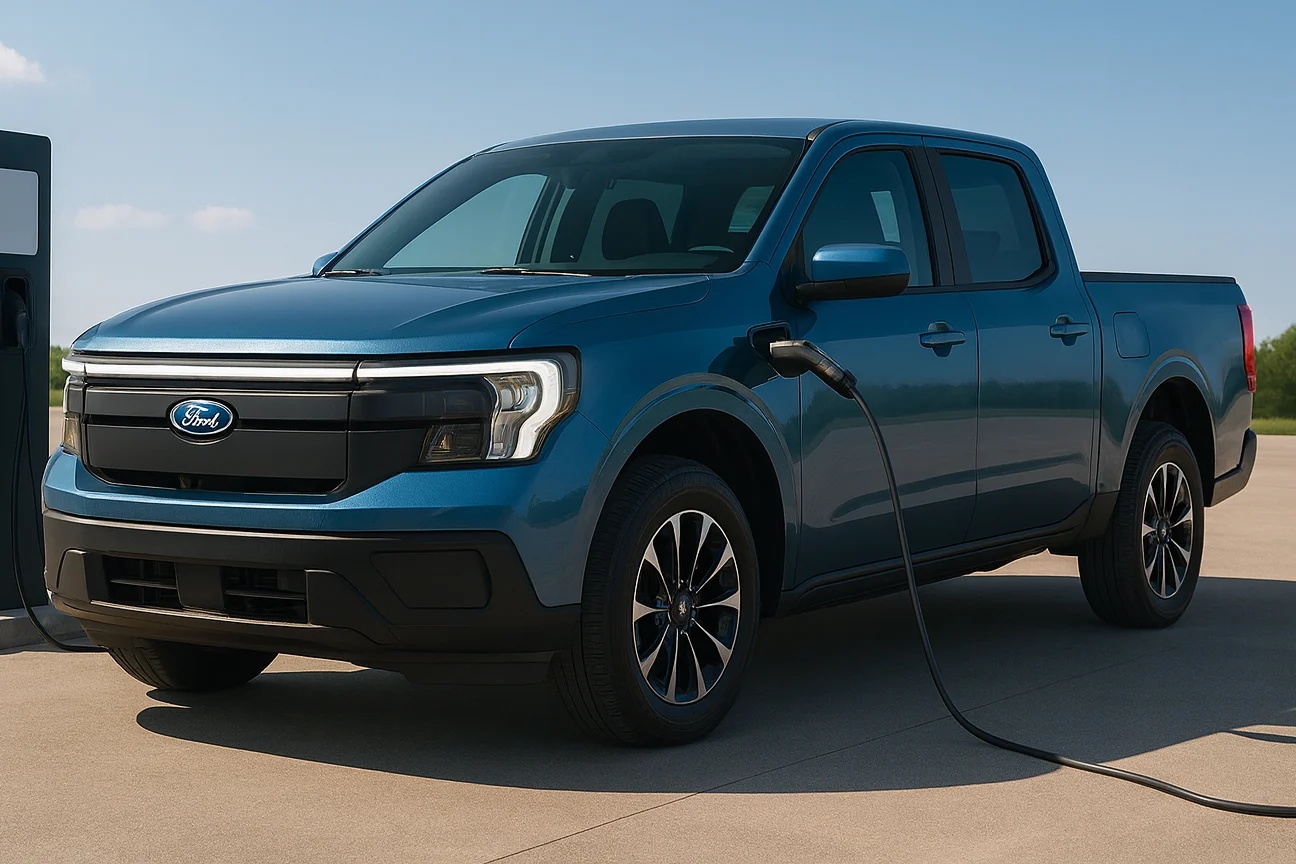
Ford also retrofitted the second‑generation F‑150 Lightning into an extended‑range electric vehicle (EREV) configuration. The redesign addresses charging‑infrastructure concerns by adding a gasoline‑driven generator that extends the vehicle’s usable range.
Industry Context
Ford’s positive results arrived just a day after peers such as Toyota, Hyundai and General Motors reported year‑over‑year sales gains, despite a turbulent market shaped by tariff uncertainties and the loss of federal EV incentives.
Looking Ahead
While the electric‑vehicle segment remains a strategic priority, Ford’s 2025 performance shows that a balanced portfolio—strong hybrids, affordable pickups and a flexible EV platform—can sustain growth even when policy and consumer sentiment shift. The automaker plans to roll out additional hybrid models and continue refining its cost‑effective EV offerings throughout 2026.