
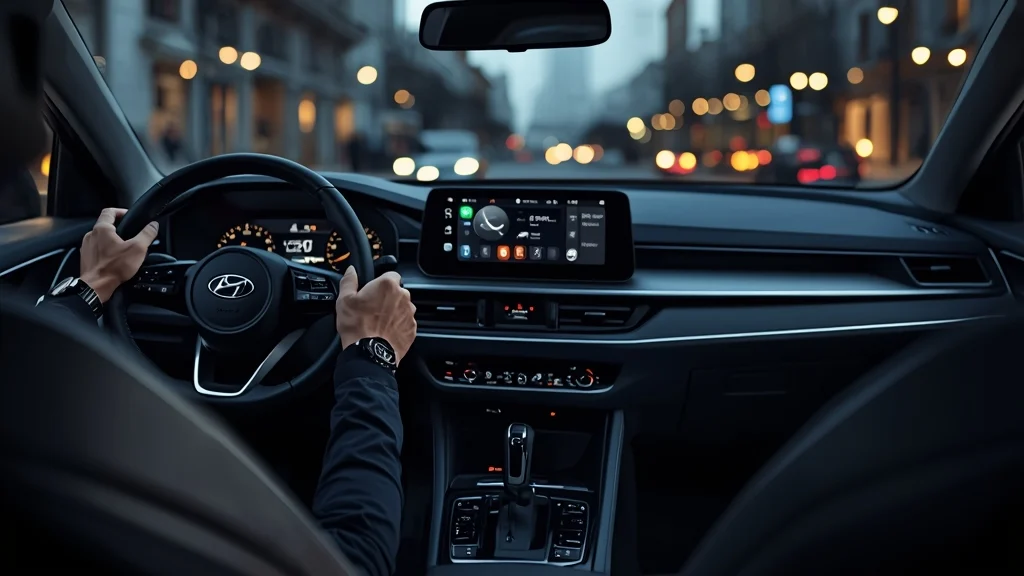
Discover the sleek new Hyundai Elantra 2027 interior featuring a 17‑inch vertical touchscreen, digital driver display, and AI voice assistant. Learn more now!
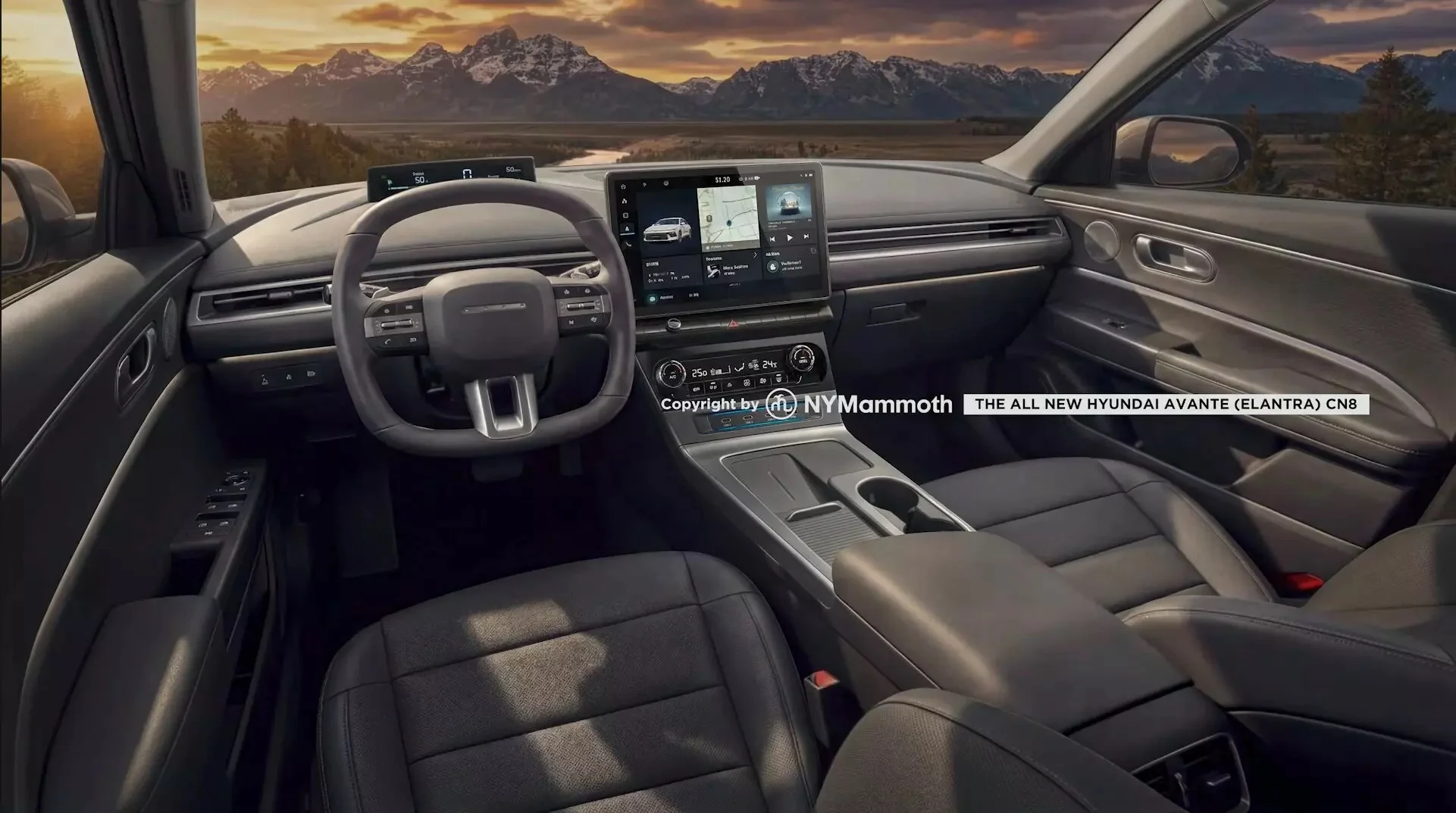
Hyundai is set to rewrite the rules of compact‑sedan design with the upcoming generation of the Elantra (known as the Avante in Korea). Leaked interior photos reveal a cockpit that leans heavily into software, digital displays and a minimalist layout that could make rivals such as the Honda Civic and Mazda3 look dated.
Larger Vertical Touchscreen
The centerpiece of the new Elantra is a 17‑inch vertically oriented touchscreen positioned in the centre console. This replaces the dual‑horizontal screens found on the current model and signals Hyundai’s push toward a single, unified infotainment hub.
Powered by Pleos Connect, Hyundai’s in‑house platform built on Android Automotive OS, the screen can run multiple apps side‑by‑side – think navigation, media streaming and vehicle information all at once.
Digital Driver Display
Above the steering wheel sits a slim, 9.9‑inch digital instrument cluster. Its high‑positioned placement keeps the driver’s line of sight on speed, gear selection and navigation prompts without obstructing the central touchscreen.
To maintain clear visibility, Hyundai has slimmed the steering wheel rim, giving a more cockpit‑like feel while preserving easy reach for essential controls.

AI‑Powered Voice Assistant
Hyundai introduces Gleo AI, an advanced voice assistant that understands complex natural‑language commands. Compared with traditional voice‑command systems, Gleo can manage navigation queries, climate settings and media playback with fewer prompts.
Simplified Physical Controls
While the central console is now mostly screen‑driven, Hyundai retains a row of tactile buttons for critical functions such as climate control and safety features. This hybrid approach balances modern aesthetics with the reliability of physical switches.
Software‑Defined Vehicle (SDV) Strategy
Pleos Connect is more than an infotainment system – it’s Hyundai’s stepping stone toward a true Software‑Defined Vehicle. Notable SDV features include:
- Cloud‑based user profiles that sync preferences across multiple Hyundai cars.
- An open‑app marketplace allowing third‑party developers to add new functionality.
- Over‑the‑air (OTA) updates that keep the vehicle’s software current without dealer visits.
Powertrain Outlook
Mechanically, the next‑gen Elantra is expected to keep its focus on fuel efficiency. Anticipated powertrains include:
- 1.6‑liter Smartstream gasoline engine.
- A hybrid variant pairing the 1.6‑L engine with an electric motor.
- An “N” performance version that may combine a turbocharged 2.5‑liter engine with hybrid assistance for extra power.
Global Launch Timeline
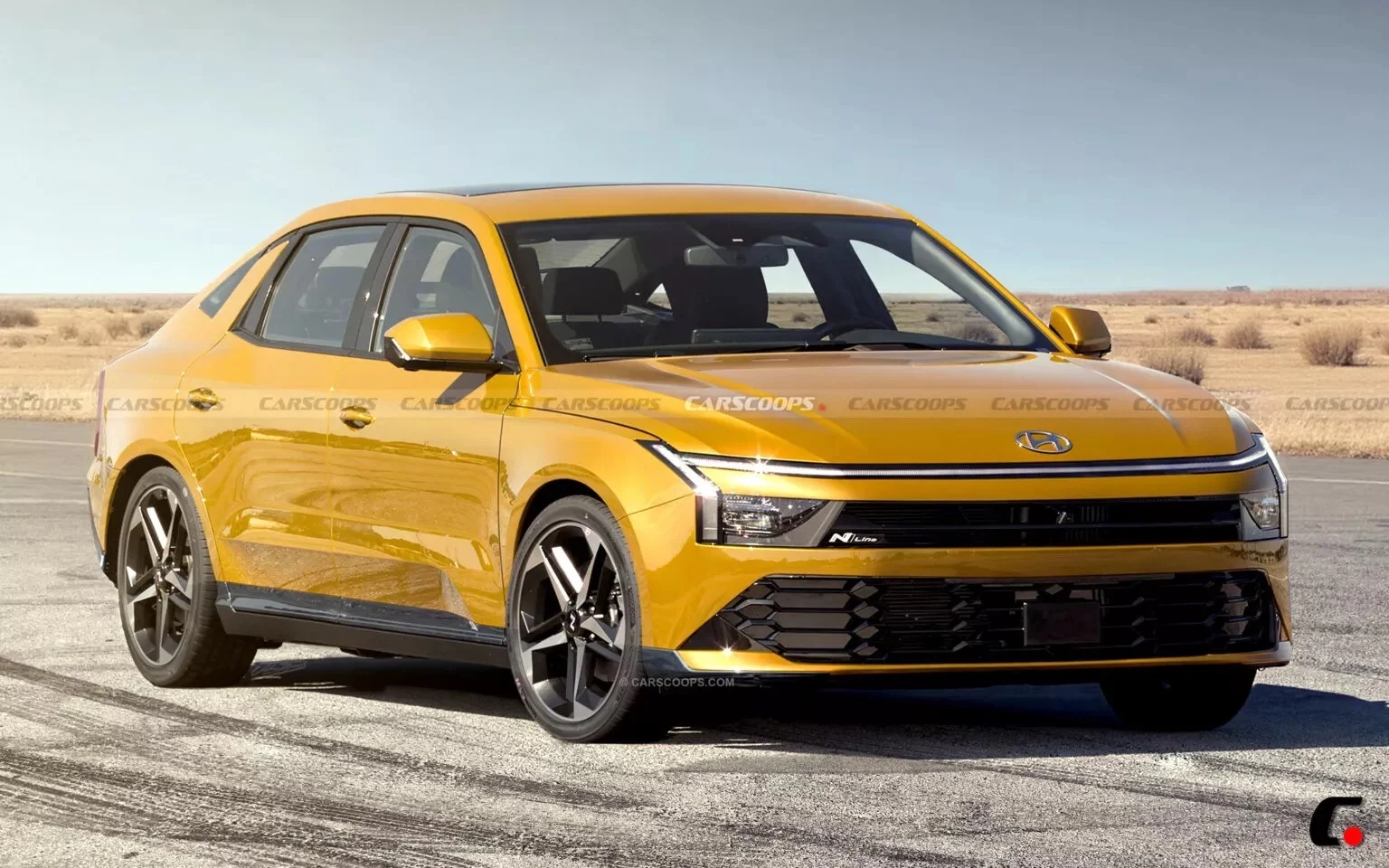
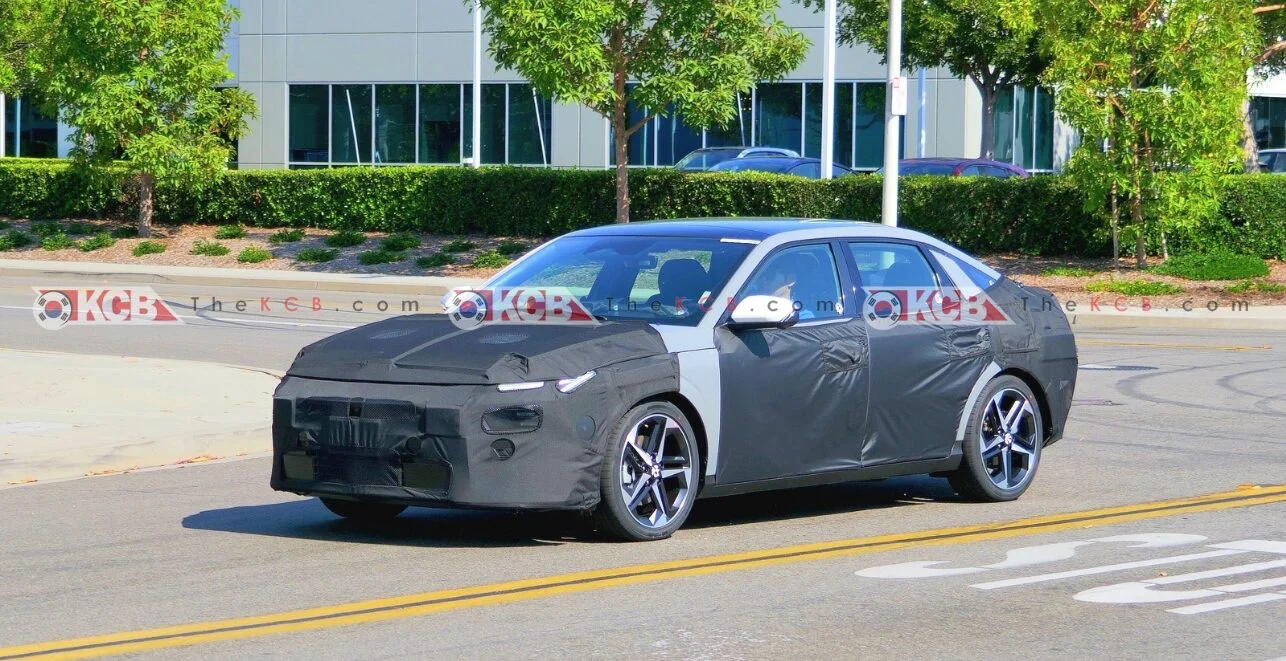
Industry insiders predict a worldwide debut in the second quarter of 2026, with sales in the United States slated for the 2027 model year.
As Hyundai accelerates its shift toward digital‑first interiors, the upcoming Elantra could set a new benchmark for C‑segment sedans, challenging the likes of the Civic and Mazda3 with a more sophisticated, software‑centric cabin.