
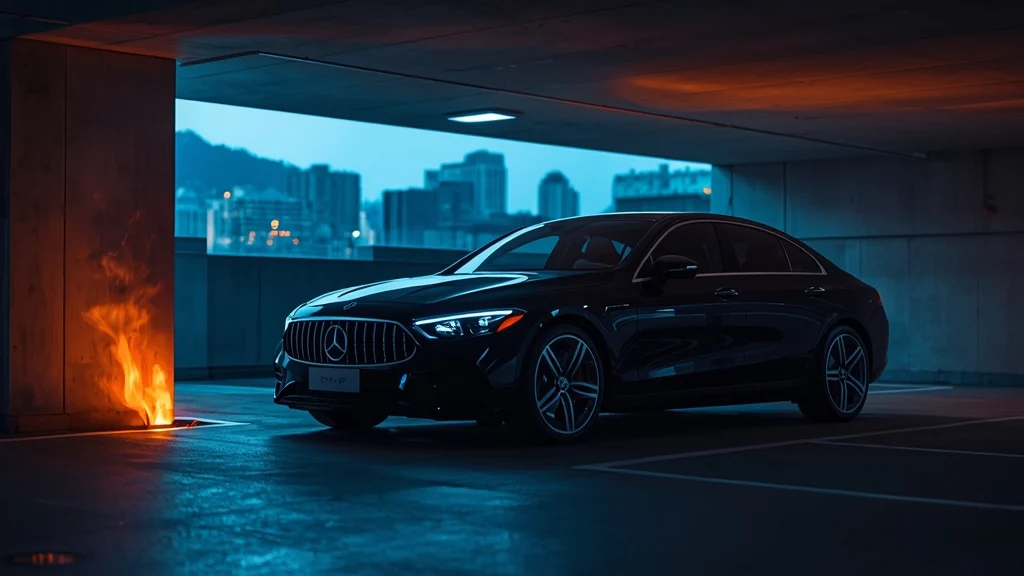
Mercedes-Benz faces a $7.6 million fine in South Korea for inaccurate EV battery disclosures. Learn the impact on the brand and what’s next.
South Korea’s Fair Trade Commission (FTC) has levied a hefty penalty of 11.2 billion won (about $7.6 million) against luxury automaker Mercedes‑Benz for providing misleading information about the batteries used in its electric models.

What the FTC found
The regulator says Mercedes‑Benz distributed sales‑training material that claimed every EQE and EQS vehicle was equipped with batteries supplied by CATL, the world’s largest EV‑battery maker. In reality, a subset of those cars were fitted with batteries from Farasis Energy, a different Chinese supplier. The discrepancy was omitted from both dealer guides and customer‑facing documents.
Triggering incident
The investigation was sparked by a fire involving an electric car in an underground parking lot in Incheon in August 2024. Officials discovered the affected vehicle used a Farasis‑manufactured battery, contradicting the company’s public statements.

Scope of the issue
According to the FTC, roughly 3,000 vehicles equipped with Farasis batteries were sold in South Korea between June 2023 and August 2024, generating about 281 billion won (≈$4.9 billion) in revenue. The fine, amounting to roughly 4 % of that revenue, represents the maximum penalty allowed for unfair trade practices under Korean law.
Potential legal repercussions
Beyond the financial sanction, the case has been referred to South Korean prosecutors for possible criminal investigation. The FTC indicated that both Mercedes‑Benz’s German headquarters and its Korean subsidiary were involved in drafting the misleading sales documents.
Implications for the brand
The penalty underscores growing scrutiny of transparency in the EV market, especially regarding battery provenance and safety. Mercedes‑Benz will need to adjust its communication strategy to restore consumer confidence and comply with stricter regulatory expectations worldwide.
What’s next?
Stakeholders are watching closely to see whether the automaker will issue a public clarification, revise its marketing materials, and how the criminal probe might affect future operations in South Korea and beyond.