

Kia’s next‑gen Sportage will ditch gasoline, offering HEV and PHEV models with up to 100 km electric range. Find out how this reshapes the C‑segment SUV market – read more now!

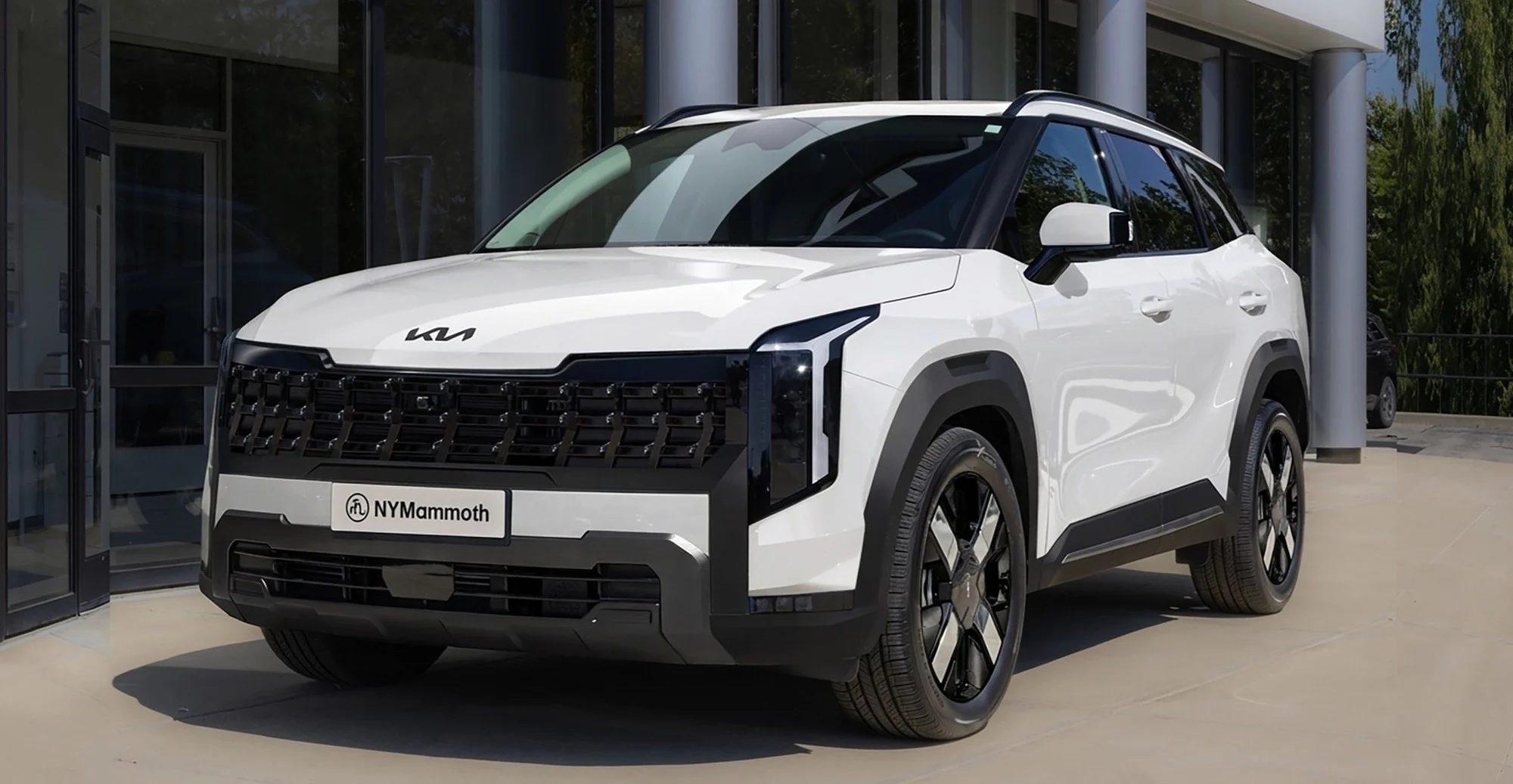
Kia is set to rewrite the rules of the compact‑SUV segment with the upcoming sixth‑generation Sportage, internally coded NQ6. Slated for a Q3 2027 launch, the new model will be the first Kia Sportage sold without a traditional gasoline engine – it will be offered solely as a hybrid, with both conventional HEV and plug‑in hybrid (PHEV) variants.

Why Kia Is Turning Fully Hybrid
Industry analysts have long warned of an “EV chasm” – a gap between early electric‑vehicle adoption and mass‑market acceptance. High purchase prices, limited charging infrastructure, and lingering consumer skepticism have slowed pure‑EV sales, especially in North America and Europe.
Hybrid technology, by contrast, continues to gain momentum. In the United States, Hyundai Motor Company and Kia together recorded a more than 50% surge in hybrid sales during the most recent month, while pure‑EV volumes stalled. By focusing the Sportage on hybrid powertrains, Kia can bridge the gap, delivering better fuel economy and lower emissions without forcing buyers into a full‑electric commitment.

Hybrid vs. Plug‑in Hybrid: What’s Under the Hood?
The upcoming Sportage will feature two electric‑focused architectures:
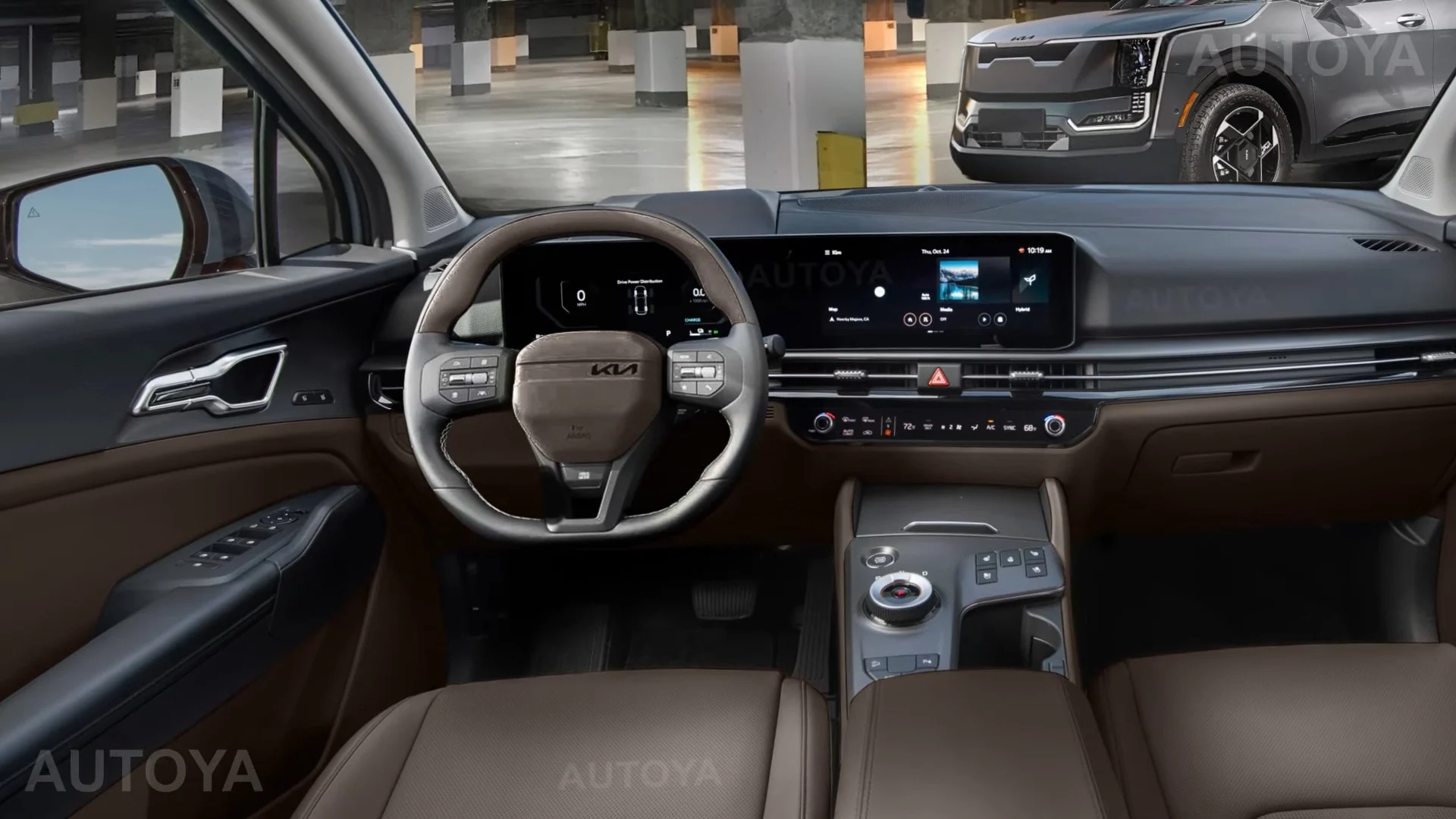
- Hybrid (HEV) version: A next‑generation electric motor paired with a larger‑capacity battery and a more powerful assisting engine. The system promises noticeable gains in fuel efficiency and smoother acceleration compared with the current‑gen models.
- Plug‑in Hybrid (PHEV) version: Designed for daily commuters, the PHEV will deliver up to 100 km (≈62 mi) of pure‑electric range on a full charge, allowing many users to complete their work‑day trips without touching the pump.
Both powertrains will share a simplified drivetrain layout, shedding the legacy gasoline‑only variants that have been part of the Sportage lineup since its inception.
Market Forces Driving the Shift
Regulatory changes are also playing a crucial role. Governments in North America and Europe have recently adjusted their emissions‑reduction roadmaps, easing some of the stricter targets and re‑evaluating subsidy structures. This creates a window for automakers to offer hybrid models that meet tightening standards while remaining affordable for buyers who are not yet ready to adopt a pure‑EV.
What This Means for Buyers
For consumers, the all‑hybrid Sportage promises several tangible benefits:
- Lower running costs: Reduced fuel consumption translates into smaller fuel bills, especially important as gasoline prices fluctuate.
- Extended range confidence: The PHEV’s 100 km electric range covers typical commuting distances, and the small gasoline engine acts as a range extender for longer trips.
- Future‑proofing: Owners gain a vehicle that complies with upcoming emissions regulations without needing a full electric upgrade.
Beyond the Sportage: Kia’s Broader Electrification Plan
The NQ6 Sportage is part of a larger strategy shared with sister company Hyundai. Both brands are preparing to introduce extended‑range electric vehicles (EREVs) in key markets such as North America and China. An EREV runs primarily on electric power, using a compact gasoline engine solely to recharge the battery when needed, thereby alleviating range‑anxiety—one of the biggest hurdles for pure‑EV adoption.
Should the 2027 launch stay on schedule, Kia will have a clear, pragmatic pathway toward full electrification, using the Sportage hybrid as a stepping stone that aligns with current market realities and consumer readiness.
Conclusion
By eliminating gasoline‑only engines from the Sportage lineup, Kia is positioning the model as a pragmatic answer to the evolving automotive landscape. The move satisfies stricter emissions standards, leverages growing hybrid demand, and prepares the brand for the next wave of electric mobility—all while offering drivers a familiar, versatile SUV experience.