
Discover why Chinese electric cars are getting pricier as AI-driven chip demand and lithium shortages surge. Learn more now!
The Chinese electric‑vehicle market is feeling the squeeze as AI‑driven demand for high‑performance memory chips and a shaky lithium supply chain push manufacturers to raise prices.
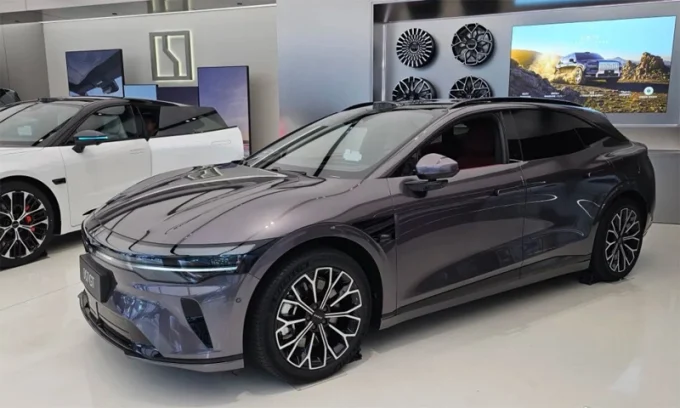
Zeekr 007 GT Announces a Price Increase
Geely’s premium brand Zeekr plans to lift the price of its upcoming 007 GT model by between 5,000 RMB and 8,000 RMB (roughly $700‑$1,200) when the upgraded version rolls out in Q2 2026. The current 007 GT, launched in April 2025, starts at 202,900 RMB ($27,200). The new variant will feature a jump from an 800 V to a 900 V electrical architecture and will be equipped with Nvidia’s Drive Thor‑U processor paired with scarce DDR5X memory.
Why AI and Chip Demand Are Pressuring Costs
Artificial‑intelligence applications are sparking an unprecedented surge in demand for automotive‑grade memory chips. According to market‑research firm TrendForce, DDR5 memory used in vehicle DRAM has leapt more than 300 % since the second half of 2025. This price spike alone can add $150‑$450 to the bill of a single electric car.
Lithium Supply Uncertainty Adds to the Burden
At the same time, lithium carbonate prices have skyrocketed by 75,000‑170,000 RMB ($10,900‑$24,600) per tonne. Prices for copper, aluminium and other precious metals are also climbing, tightening the cost structure for battery packs and overall vehicle production.
Industry‑Wide Price Adjustments
Zeekr is not alone. Other Chinese manufacturers have announced similar hikes:
- Chery’s premium Exeed ET5 210 Laser Radar Intelligent Luxury Edition – up 5,000 RMB ($700).
- FAW Bestune Yueyi 03 – up 2,000‑5,000 RMB ($300‑$700).
Executive Advice: Buy Now or Pay More Later
“If you want to buy a car, I recommend doing it as soon as possible,” says Lu Fang, chairman of Dong‑feng’s luxury brand Voyah. He warns that rising raw‑material costs, shifting supply‑chain models and competition for core resources with the AI sector will inevitably be reflected in retail prices.
The Bottom‑Line Impact on Consumers
Analysts estimate that memory‑chip upgrades alone can increase the cost of a new energy vehicle by 1,000‑3,000 RMB ($150‑$450), enough to wipe out the profit margin on many mid‑range and entry‑level models.
A Resource War Between Cars and AI
Today’s shortage is described as a “resource war” between the automotive industry and AI developers. High‑bandwidth memory (HBM) used for AI can deliver profit margins of up to 65 %, far exceeding those of conventional automotive chips, which pushes car‑chip production lower down the priority list.
Potential Production Delays Ahead
Experts warn that the chip crunch could start to disrupt global vehicle production as early as Q2 2026, hitting electric‑car makers that rely heavily on advanced processors the hardest.
What Buyers Should Do
For consumers, the message is clear: act quickly, keep an eye on price trends, and consider locking in a purchase before the next wave of adjustments hits the market.