
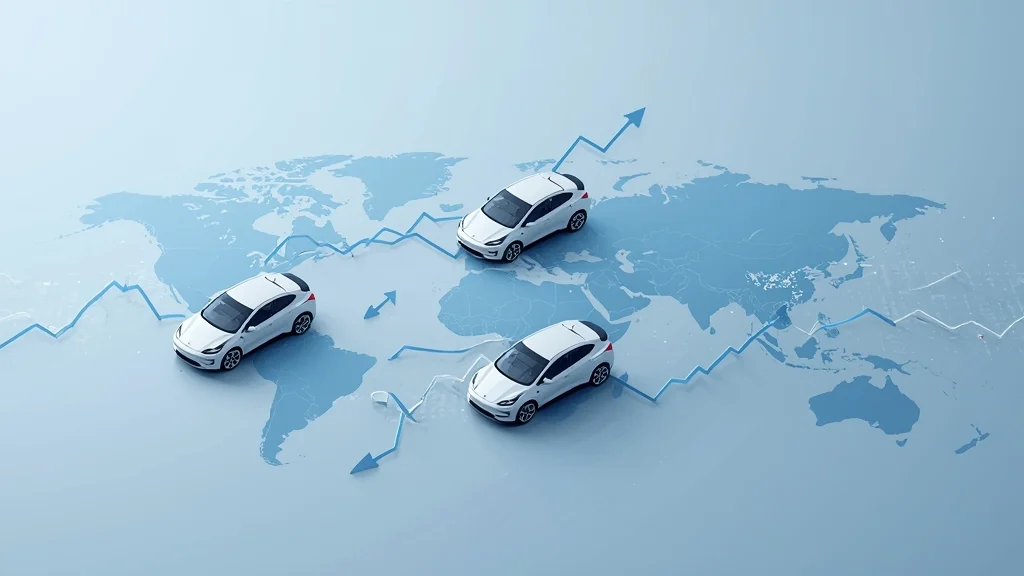
Global electric vehicle sales fell 11% in Feb as major incentives end. Discover regional impacts and what’s next. Read more now.
China’s Sharp Decline
According to Reuters, global EV registrations fell 11% in February – the steepest drop since the early‑COVID surge in 2020. The primary driver is the rollback of government incentives in key markets.
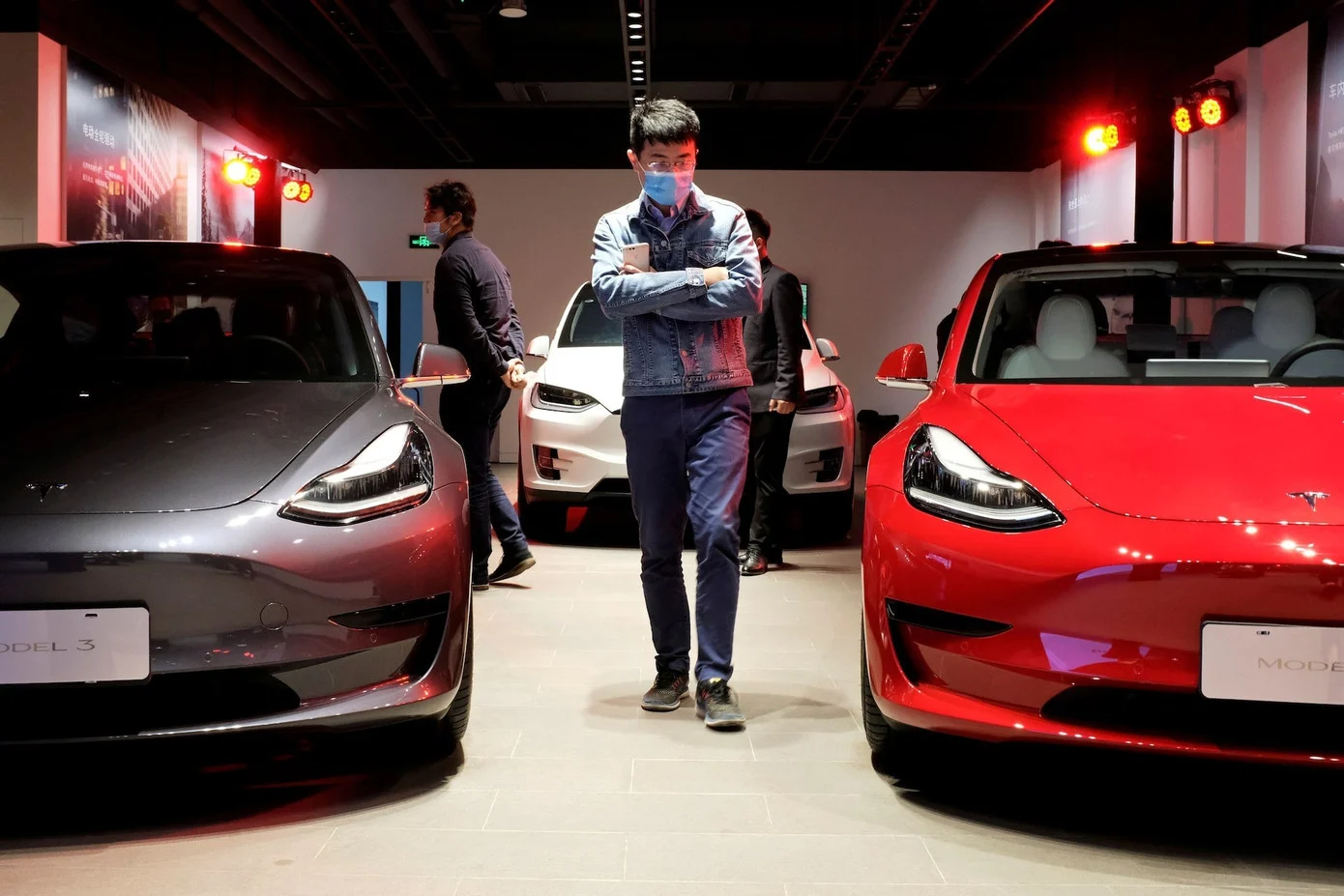
In China, the subsidy for scrapping old cars was slashed and the tax exemption for new EV purchases expired at the end of last year. BMI market data shows that February registrations of battery‑electric vehicles (BEV) and plug‑in hybrids (PHEV) fell 32% year‑on‑year to under 500,000 units. The China Association of Automobile Manufacturers (CAAM) reported a 34% contraction in total vehicle sales.
North America Faces Consecutive Drops
Across North America, new‑EV registrations slipped 35% to fewer than 90,000 units – the fifth straight month of decline since the U.S. federal tax credit ended in September 2025 and after proposals from the Trump administration to relax CO₂ standards.
The sales slump hit manufacturers hard. Ford’s EV volume dropped 70%, Honda’s fell 81%, and Kia saw a 52% decrease, contributing to losses exceeding $70 billion for companies heavily reliant on the U.S. market.
Europe Defies the Downturn
Europe remains an outlier. EV sales rose 21% in February, though growth slowed compared with most of the previous year. Year‑to‑date, the European market is up 21%.
Germany posted a 26% surge thanks to a new subsidy programme launched in January 2026. France recorded a 30% jump, while Italy achieved a 23% rise in February – its strongest month on record – and is up 98% year‑to‑date after the October 2025 incentive backed by the EU Recovery and Development Fund (households can receive up to €11,000, SMEs up to €20,000).
Asia and Emerging Markets Show Growth
Beyond the major regions, global EV registrations increased 78% year‑on‑year, adding more than 180,000 vehicles. South Korea stood out, tripling its monthly sales to over 37,200 units and reaching a 30% market share after the launch of a 2026 subsidy scheme.
Policy Drives Divergence
Electrek notes that the most striking feature of today’s EV landscape is the widening gap between regions. Europe and Korea are buoyed by restored subsidies, while the United States lags behind. China’s slowdown appears linked to policy adjustments rather than a fundamental demand issue, as export volumes of Chinese EVs continue to grow.
In short, the global transition to electric mobility is not stalling; it is simply becoming more uneven. Future growth will hinge on how quickly governments reinstate or redesign incentive programmes and regulatory frameworks.