
Ford has launched 18 recalls this year, affecting over 7.4 million U.S. vehicles, including F‑Series trucks. Learn the safety fixes and protect your ride.
Ford Motor Company has already announced 18 separate recall campaigns in 2024, affecting more than 7.39 million vehicles across the United States. While the total number of affected cars is lower than the staggering 13 million units hit by 153 recall events in 2023, the frequency of recalls remains a headline‑grabbing story for the automaker.
Why 2024 Looks Different
Experts say Ford is unlikely to match last year’s record‑setting number of recall events, but the sheer volume of vehicles involved could still surpass the previous year’s figures. The current tally includes a wide range of models—from the best‑selling F‑Series pickups to popular SUVs such as the Bronco, Edge, Escape, and Explorer, as well as luxury Lincoln variants.
Largest Recall: A Software Glitch in the Trucks
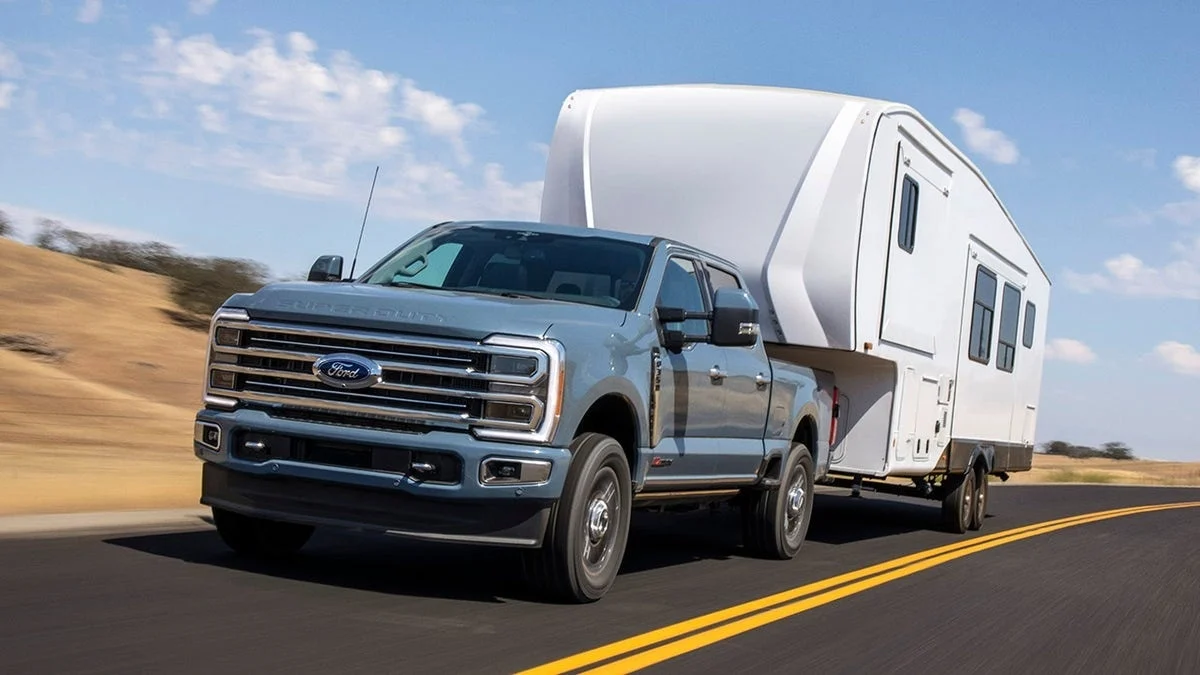
The biggest single recall to date targets nearly 4.4 million light‑duty trucks, primarily the F‑Series lineup. A software flaw can cause the brake system and trailer‑mounted turn‑signal lights to become inoperative when the vehicle is coupled to a trailer. Ford is addressing the issue with an over‑the‑air (OTA) software update that owners can download at participating dealerships.
Other Notable Recalls This Year
- Camera display error: About 850,000 2021‑2026 Ford Bronco and 2021‑2024 Ford Edge vehicles may show a frozen rear‑view camera image, prompting a recall to recalibrate the display software.
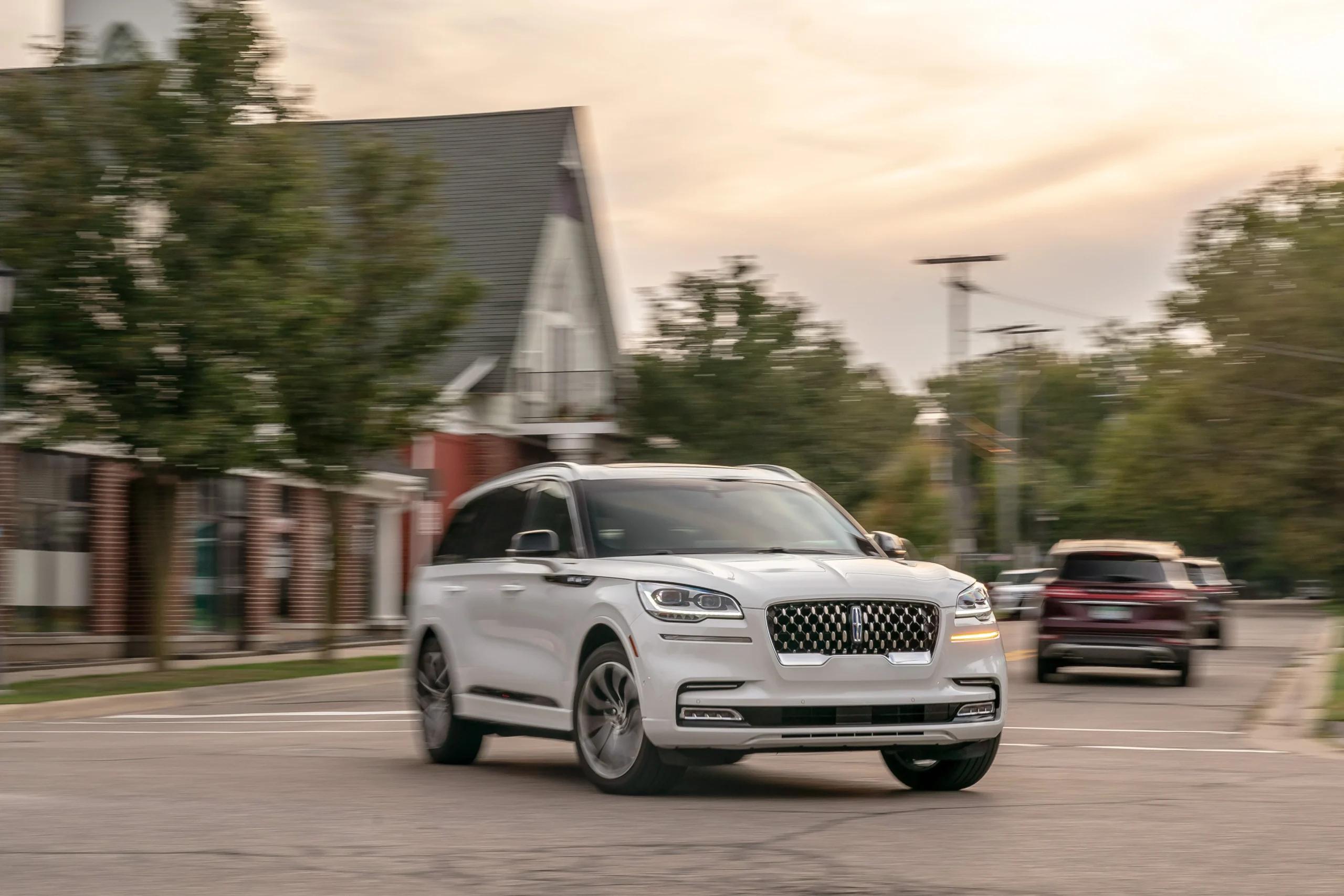
- Windshield‑wiper sensor fault: Roughly 604,000 models—including the Ford Escape, Ford Explorer, Lincoln Aviator, and Lincoln Corsair from the 2020‑2022 model years—are being recalled because a faulty sensor can cause the wipers to fail to clear the windshield properly.
- Brake‑loss issue in the 2025 Transit: Close to 16,000 newer Transit vans are subject to a recall after reports of a loss of braking function under certain conditions.
Regulatory Scrutiny and New Safety Practices
At the end of 2024, the U.S. National Highway Traffic Safety Administration (NHTSA) penalised Ford for not fully complying with federal recall requirements. As part of the settlement, Ford committed to revamping its recall procedures and will meet with NHTSA on a quarterly basis for the next three years.
Ford says the uptick in recall activity reflects a strategic shift toward quicker detection and remediation of both hardware and software defects. The company has doubled the size of its technical‑safety team, intensified testing of critical systems such as drivetrains and braking, and expanded its OTA‑update capabilities.
What Owners Should Do
If you own a Ford model that appears on any of the above recall lists, contact your local dealer promptly to schedule the necessary repair or software update—many of which are performed free of charge. Keeping your vehicle’s software up to date is one of the most effective ways to stay safe on the road.
Ford’s proactive approach to addressing these issues demonstrates the brand’s commitment to safety, even as the frequency of recalls puts a spotlight on the challenges of modern automotive engineering.