
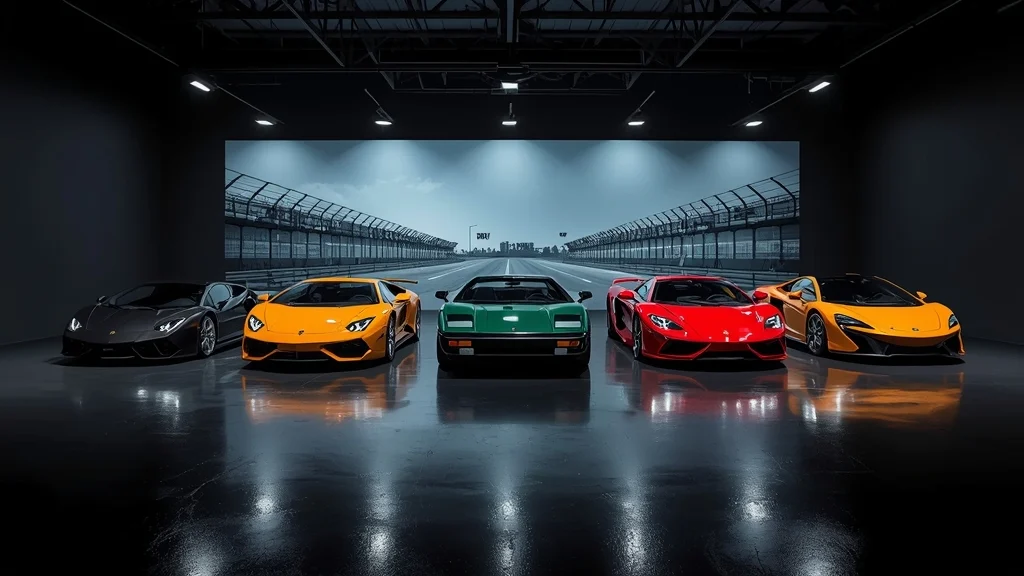
Explore the 60‑year legacy of supercars and discover which iconic model truly earns the title of the greatest supercar ever. Read on!
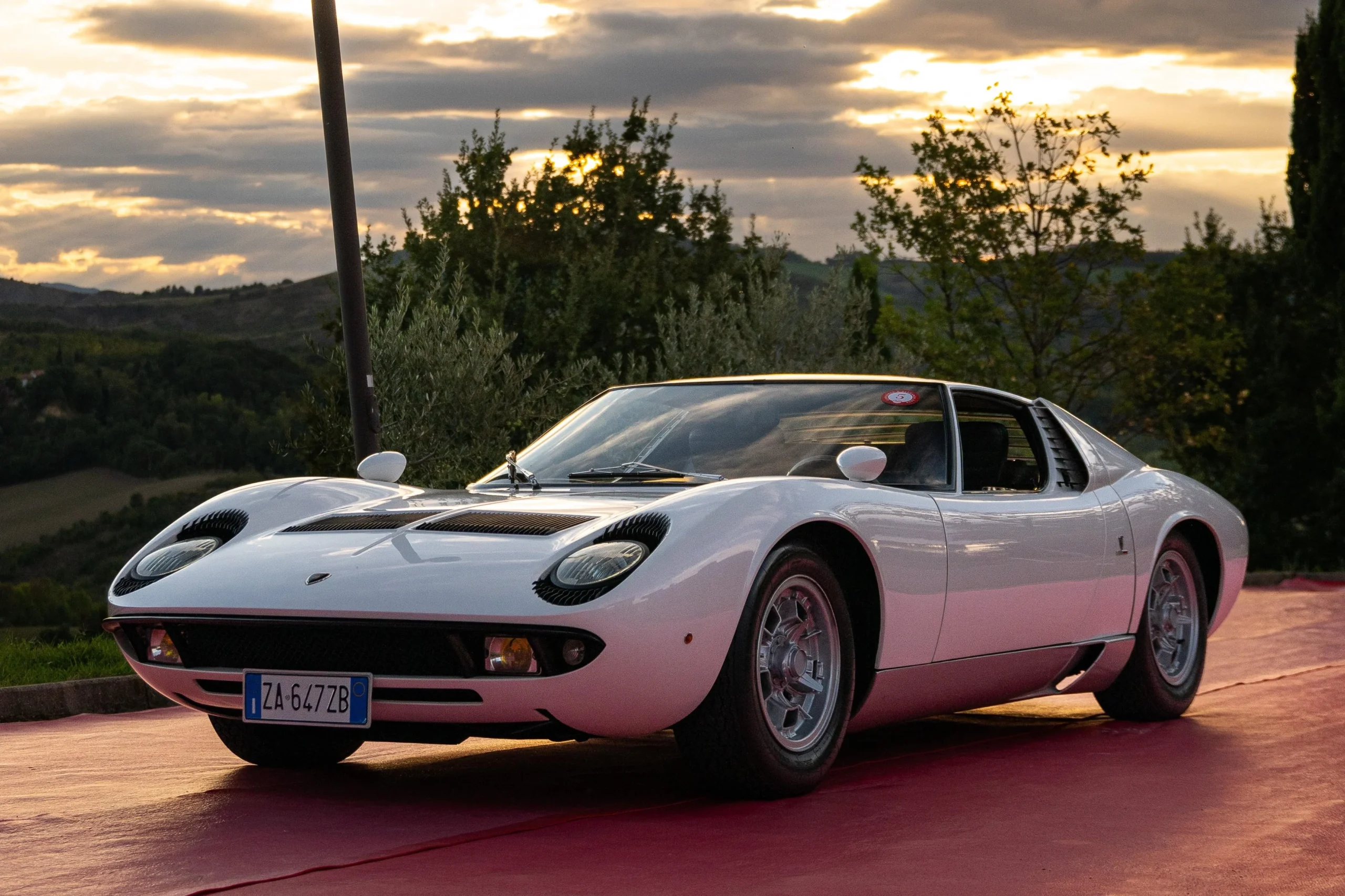
Six decades ago, the automotive world was forever changed when Lamborghini unveiled the Miura at the 1966 Geneva Motor Show. More than just a new model for an emerging brand, the Miura is widely credited with birthing the modern supercar era.
The Birth of the Modern Supercar
While Lamborghini was founded in 1963, the image we recognize today—sleek, mid‑engine, V12‑powered perfection—was solidified in March 1966. Earlier that year the company had teased a V12 chassis at the Turin Auto Show, but it was the fully‑fledged Miura that stole the spotlight.
At a time when the fastest road cars, such as the Ferrari 275 GTB, could barely top 250 km/h, the Miura’s 350 hp V12 pushed its top speed to 280 km/h, setting a new benchmark for road‑legal performance.
Lamborghini Miura: The Trailblazer
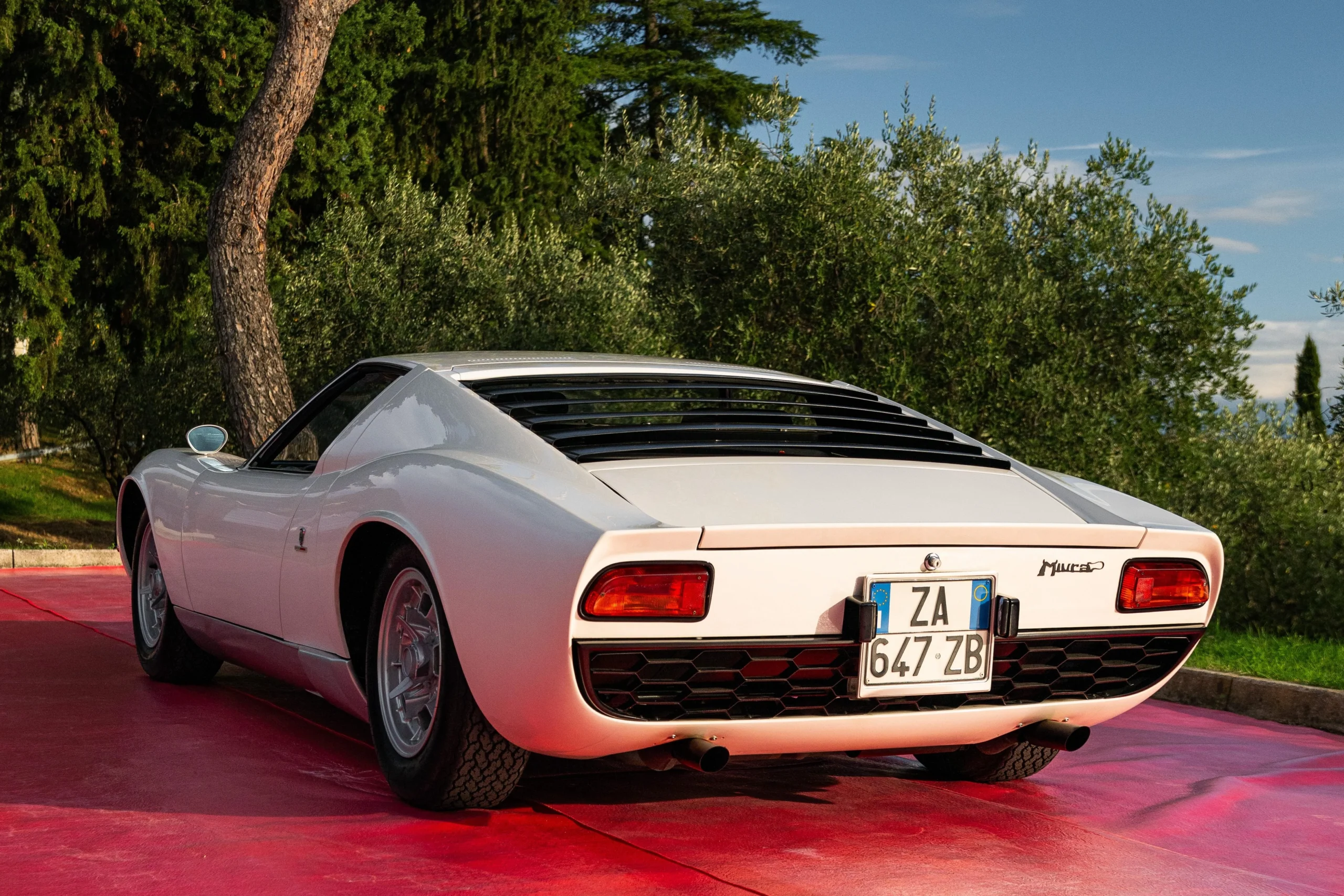
Designed by the legendary Marcello Gandini, the Miura combined race‑car proportions with a luxurious interior—hand‑stitched leather, polished metal trim, and a driver‑focused cockpit. British journalist Leonard Setright coined the term “supercar” after his awe‑inspiring test drive, a label that would soon become synonymous with two‑seat performance cars.
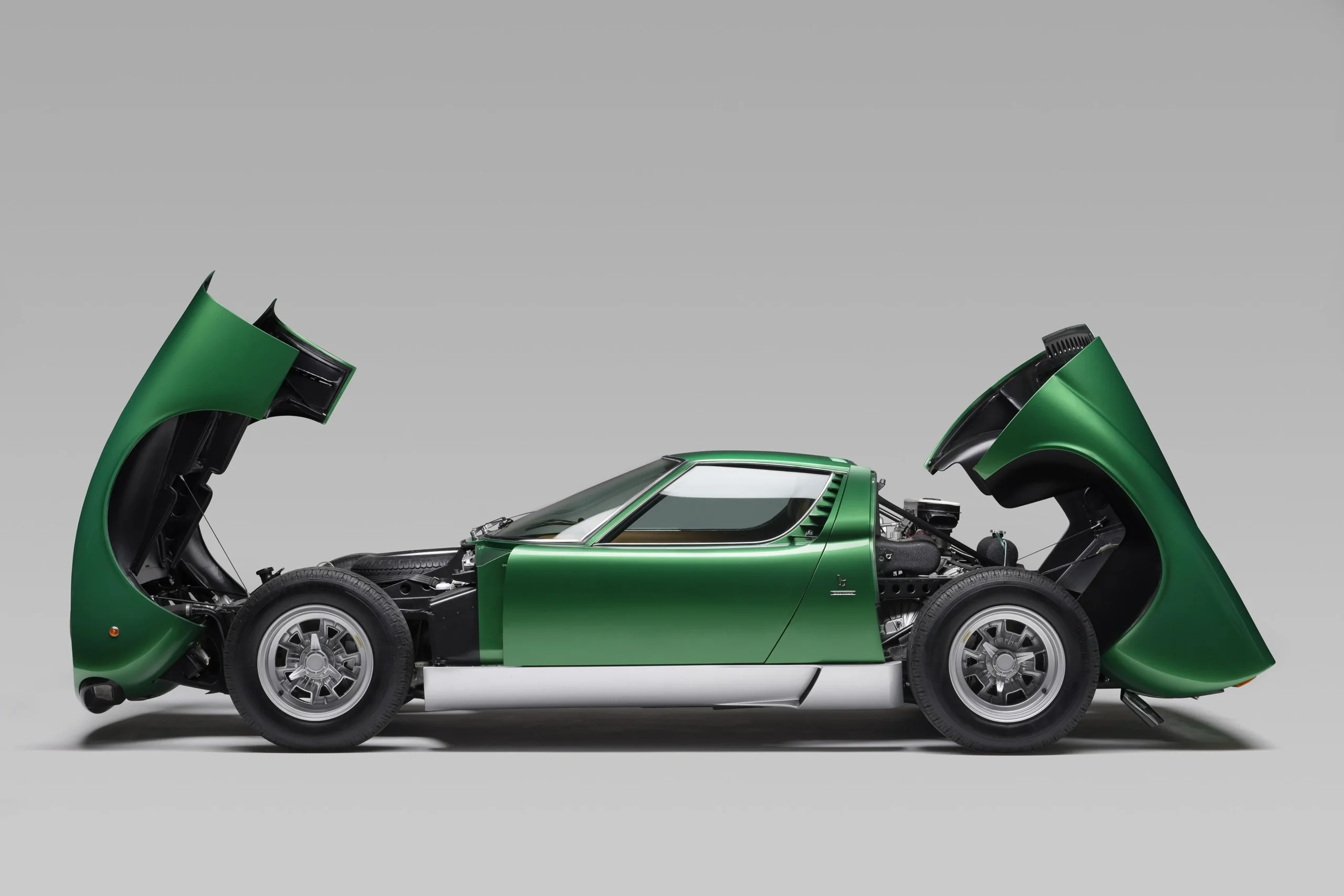
The Miura’s 3.9‑liter DOHC V12 (known as the P400) delivered 350 hp, eclipsing the 280 hp of the contemporary Ferrari 275 GTB. Its mid‑engine layout, a novel concept for a road car, would influence every supercar that followed.
Rivals and Successors
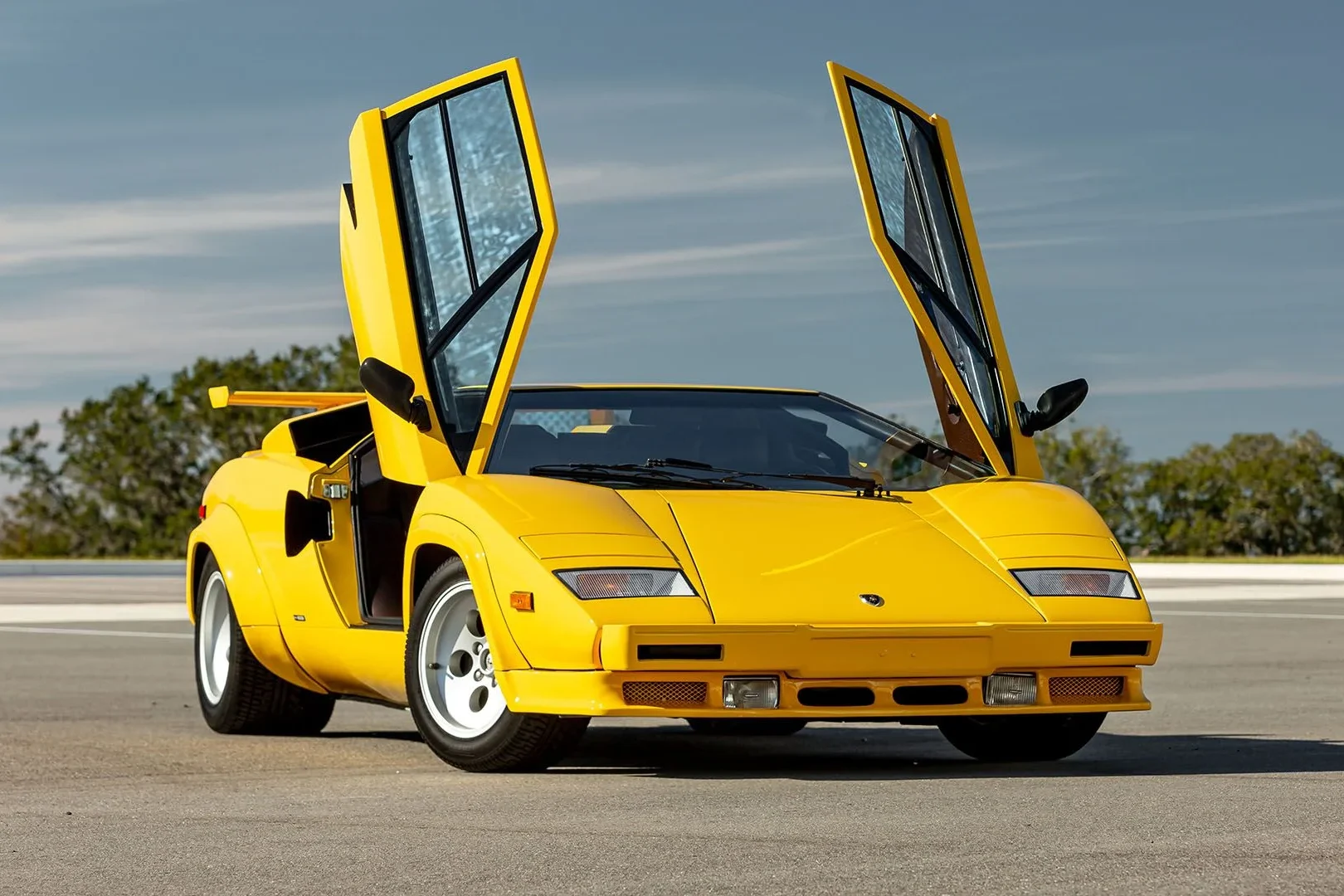
In the years that followed, Lamborghini raised the stakes with the Countach—a radical, angular masterpiece famous for its scissor doors and 5.0‑liter V12 that defined supercar aesthetics for the 1970s and 80s.
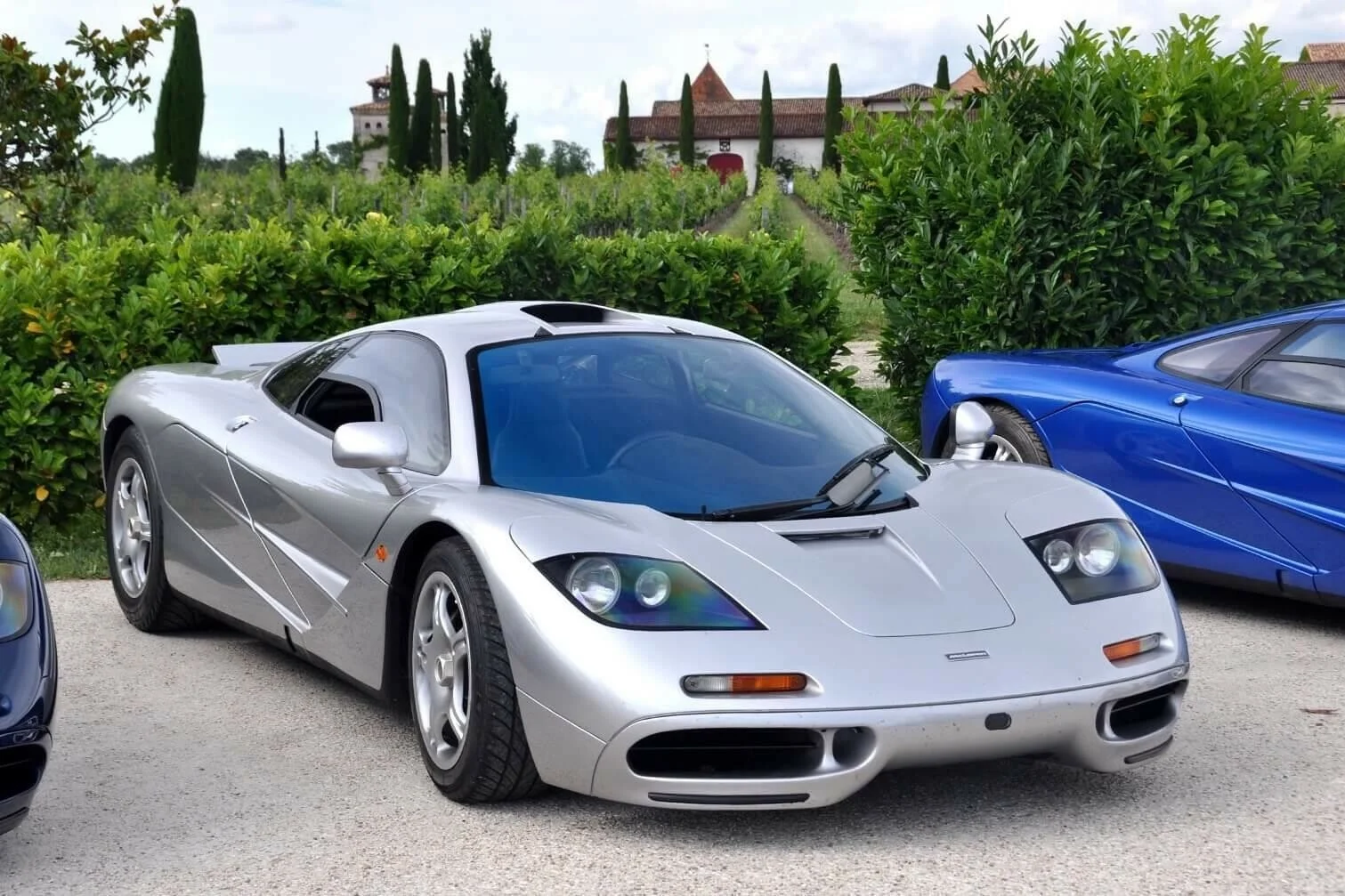
Across the Channel, McLaren introduced the F1 in 1992. With a carbon‑fiber monocoque, a naturally aspirated 6.1‑liter V12, and a top speed exceeding 400 km/h, the F1 pushed performance and materials technology into the hypercar realm.
Meanwhile, Japan’s Honda NSX (also sold as the Acura NSX) proved that a supercar could be reliable, daily‑drivable, and technologically advanced, thanks to its lightweight aluminum chassis and V6 engine with VTEC.
The Ongoing Debate: Which Is the Greatest?
Enthusiasts rarely agree on a single answer. Some argue the Miura deserves the crown as the inaugural true supercar, a timeless blend of beauty and brute force.
Others point to the Countach for setting the visual language that still dominates supercar design.
Many purists elevate the McLaren F1, citing its unparalleled performance, innovative materials, and lasting influence on hypercar development.
And a growing camp champions the NSX, highlighting its balanced approach to speed, reliability, and everyday usability—a philosophy echoed in today’s hybrid hypercars.
Conclusion: The Quest Continues
From pure V12 machines to hybrid and fully electric hypercars, the supercar landscape has evolved dramatically over 60 years. Yet the core question remains: which legend truly defines the title of the greatest supercar ever?
As technology races forward, the answer may shift with each new breakthrough—but the spirit of innovation that began with the Miura will always drive the pursuit of automotive perfection.