

India aims to increase ethanol blend to E25, but car makers warn of technical and legal risks. Learn the impact and what’s next.
With the nationwide rollout of E20 gasoline scheduled for 1 April, the Indian government is now pushing the next step: a 25 % ethanol blend (E25). The move is intended to curb the country’s reliance on imported crude oil, which satisfies roughly 85 % of domestic demand and has become even more costly amid the Middle‑East energy crisis.
Why E25? The Energy‑Security Rationale
By raising the ethanol proportion, policymakers hope to lower the import bill, support local sugarcane and corn producers, and stabilize fuel prices for consumers. However, the proposal has run into a wall of caution from vehicle manufacturers.
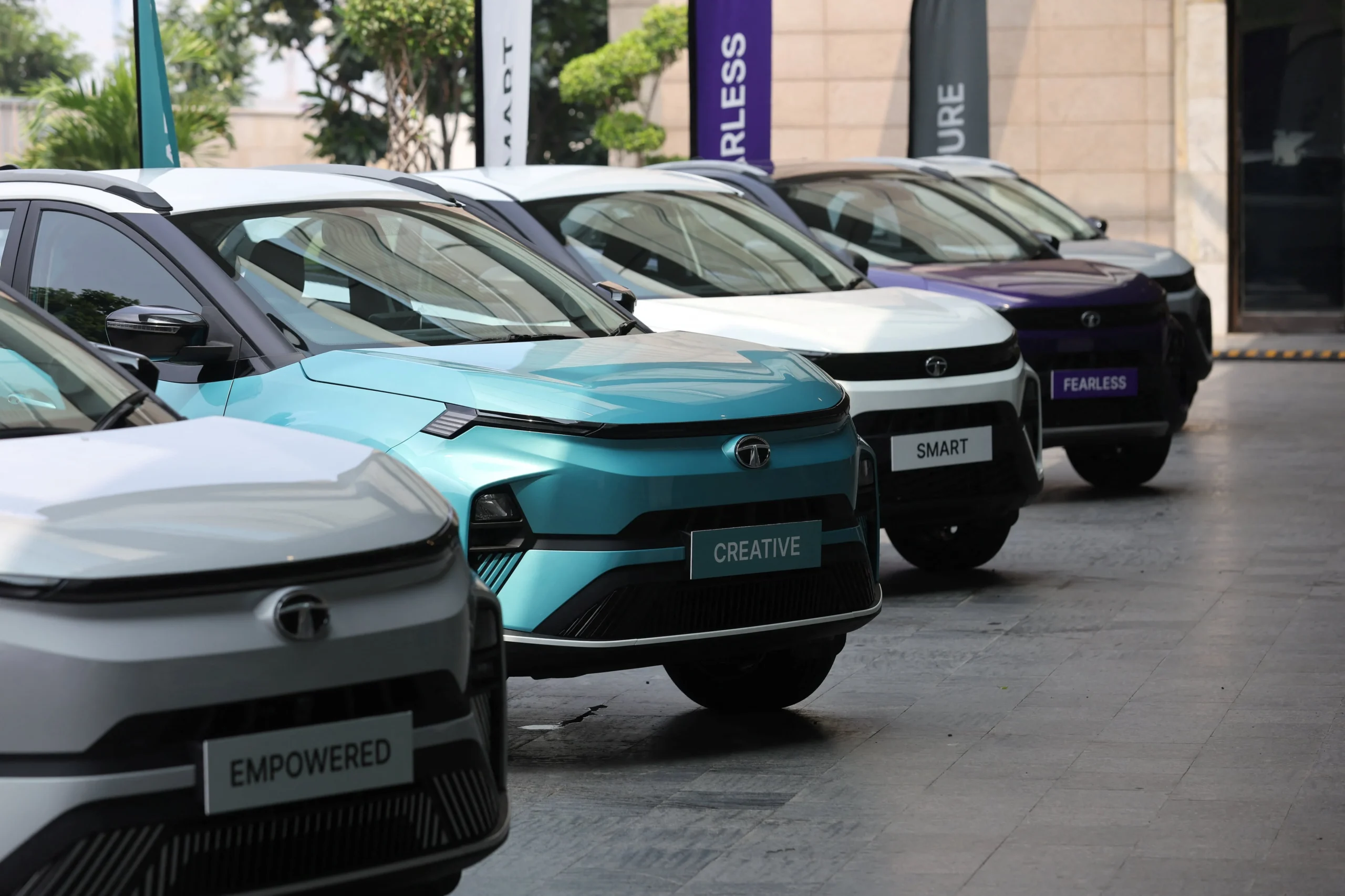
Automakers Cite Technical Hurdles
Recent meetings between the Ministry of Heavy Industries and major car brands revealed a litany of concerns:
- Emission standards compliance: Most new cars sold in India are calibrated for E20. Switching to E25 would alter combustion characteristics, risking failure in the In‑service Conformity (ISC) emissions tests even without any manufacturing defect.
- Corrosion and wear: Ethanol is more hygroscopic and corrosive than gasoline. Higher ethanol levels could accelerate degradation of rubber seals, plastic fuel lines and metal components that were not designed for such exposure.
- Fuel‑economy backlash: Early feedback from E20 users already points to reduced mileage and cold‑start problems in winter. Automakers fear that an E25 rollout would amplify these issues, leading to customer dissatisfaction and higher warranty costs.
Flex‑Fuel Vehicles: A Costly Alternative
The government is also promoting flex‑fuel models capable of running on blends from E85 up to E100. Yet manufacturers argue that the technology required to make engines robust across such a wide ethanol range remains prohibitively expensive, limiting mass‑market adoption.
Industry Calls for Rigorous Testing
Indian auto firms are urging the government to fund large‑scale scientific studies and to assess the impact of E25 on existing vehicle fleets before any mandatory implementation. They warn that forcing a higher blend on engines not yet ready could create a massive maintenance burden for millions of cars currently on the road.
What Comes Next?
Stakeholders expect a series of pilot programs and extended consultation periods. Until then, the timeline for an E25 mandate remains uncertain, balancing energy‑security goals with the practical realities of India’s automotive sector.