

Discover how autonomous vehicles could require over 300 GB of RAM, turning each car into a mobile data center. Learn more now!
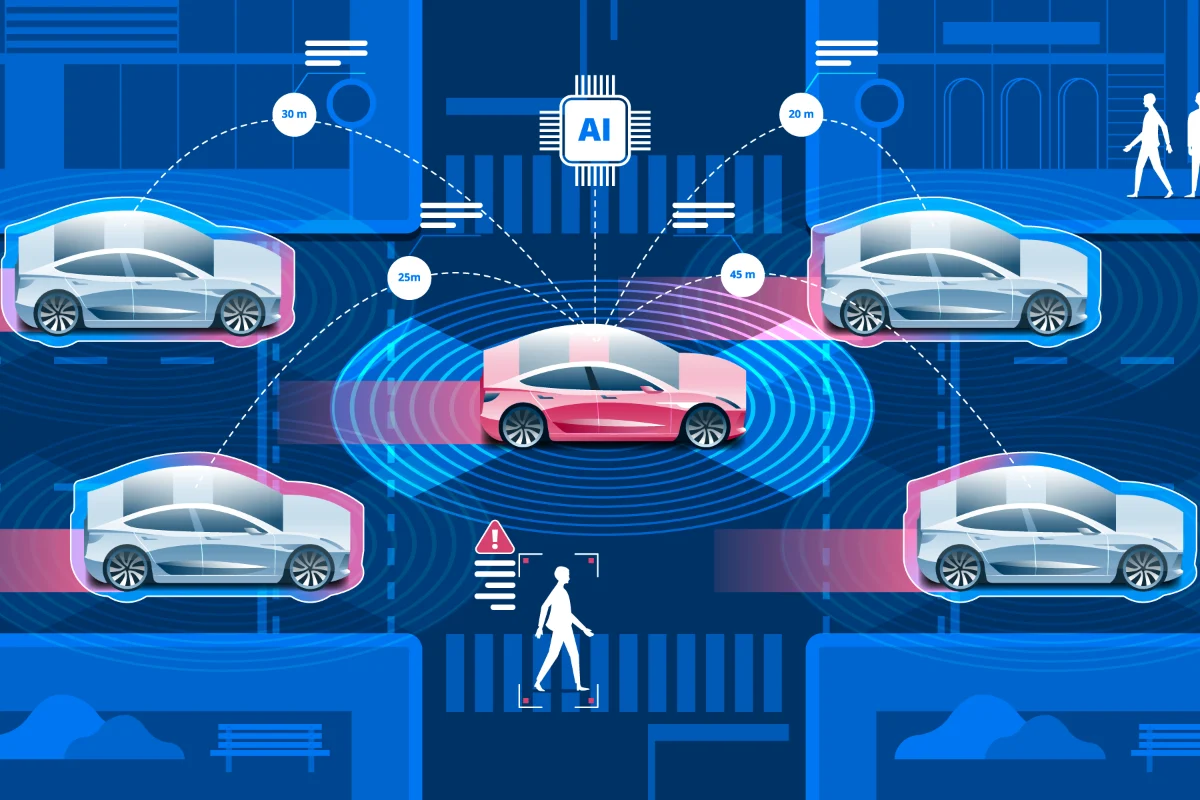
In the age of artificial intelligence (AI), the demand for high‑capacity RAM is exploding—not only in personal computers and data centers but also in the automotive world. Industry forecasts suggest that next‑generation driverless cars could require more than 300 GB of RAM, turning every vehicle into a moving data hub.
From ADAS to Full Autonomy
During a recent earnings briefing, Sanjay Mehrotra, CEO of Micron Technology, warned that Level‑4 autonomous vehicles and advanced robotics will push memory requirements past the 300 GB mark per car. By comparison, today’s Level‑2 advanced driver‑assistance systems (ADAS) typically consume around 16 GB of RAM—a fraction of what future models will need.
Why So Much Memory?
Current consumer vehicles mainly offer features such as adaptive cruise control or lane‑keeping assist. These functions rely on cameras and sensors, but the driver remains in charge. True autonomy, however, demands that a car simultaneously process data from multiple sources:
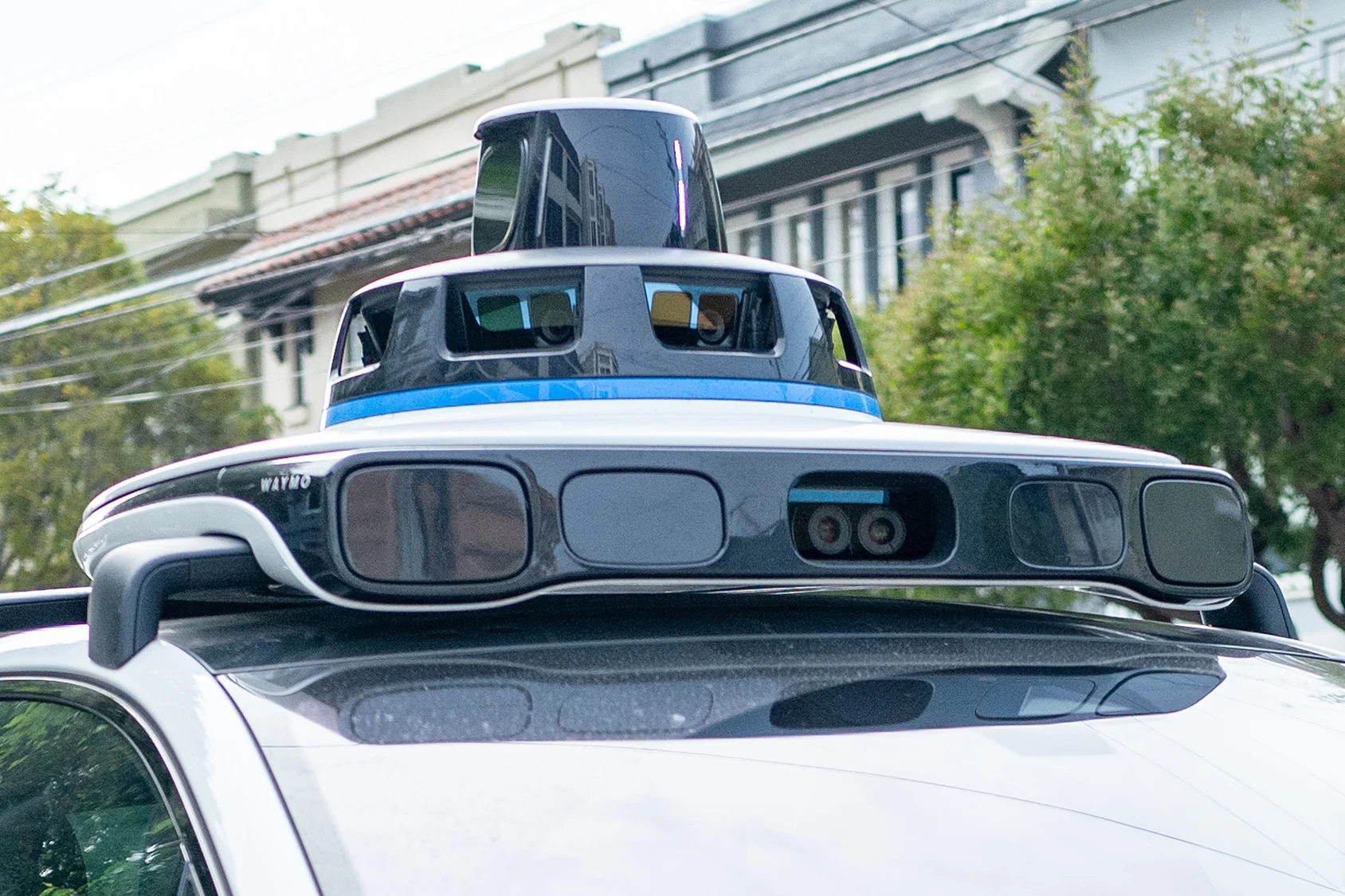
- Cameras
- Radar
- Lidar
- High‑resolution maps
- Complex AI models
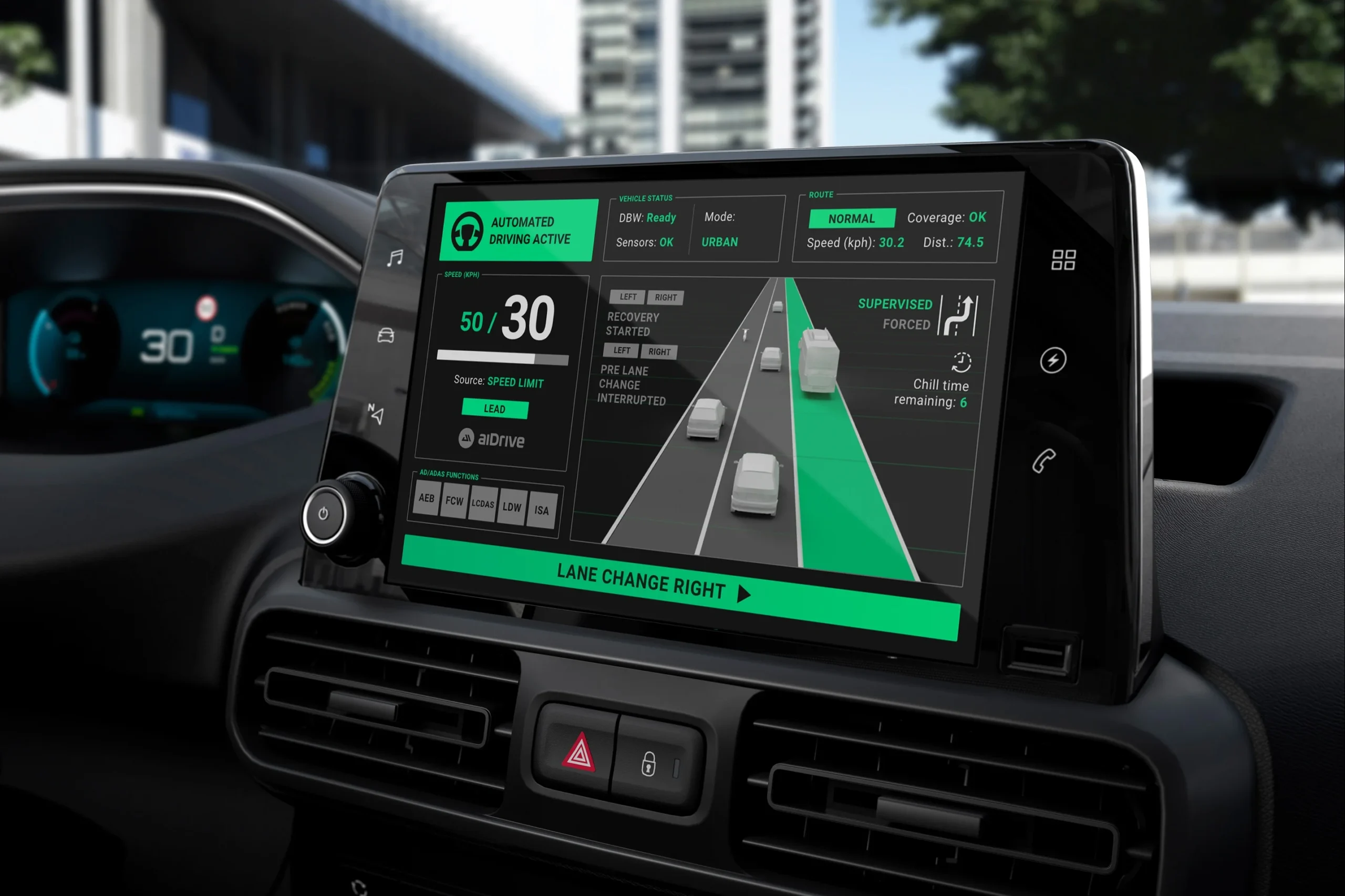
Every decision—braking, accelerating, steering—must be made in milliseconds. To achieve that speed, the vehicle’s AI needs a massive, fast‑access memory pool. In effect, a Level‑4 vehicle will behave like a “mobile data center,” constantly crunching terabytes of sensor data.
Safety, Reliability, and Performance
RAM is the lifeblood of AI inference engines. Insufficient memory leads to bottlenecks, latency spikes, and, worst of all, safety compromises. Autonomous systems must maintain real‑time performance to keep passengers and pedestrians safe, making high‑capacity RAM a non‑negotiable component.
The Bigger Picture: AI Driving Memory Demand
This trend mirrors a broader shift in the AI industry. Large‑scale AI workloads have already spurred a surge in server‑grade DRAM sales. Now that pressure is spilling over into physical devices—cars, robots, and edge servers—requiring manufacturers to rethink memory architecture.
Market Impact
Micron’s recent earnings highlight a surge in DRAM revenue driven by AI applications. Executives see the automotive sector as the next growth engine for memory makers. Tesla, for instance, announced its “Terafab” super‑factory project to produce AI chips in‑house, underscoring the strategic importance of on‑vehicle computing power.
What This Means for Consumers
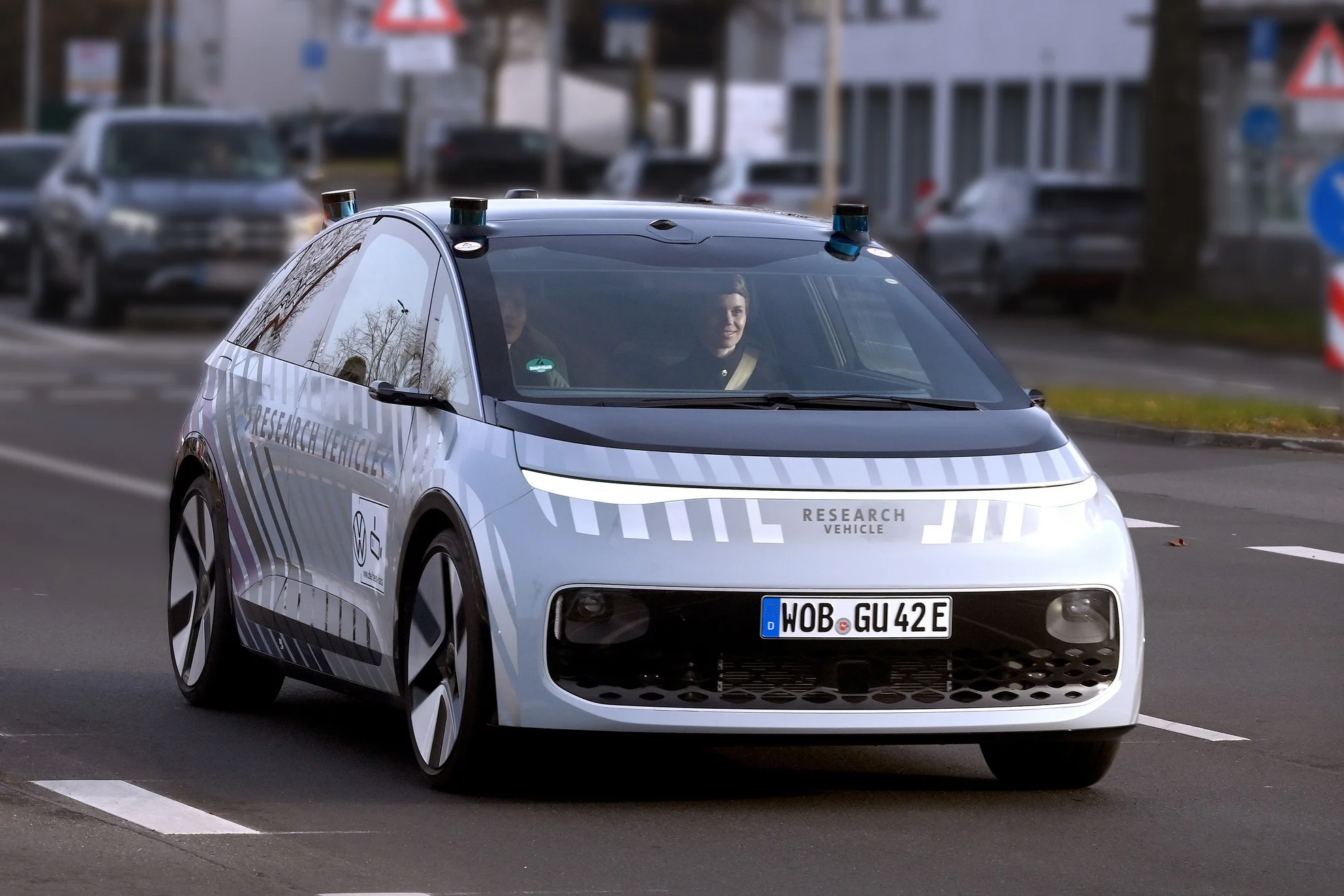
While fully autonomous cars are still years away, the hardware blueprint is already forming. When Level‑4 vehicles finally hit the road, expect a noticeable increase in vehicle cost, partly due to the premium memory modules needed to power them.
Stay tuned as the RAM race accelerates—your future car may soon need more memory than a high‑end gaming PC.