

Pakistan lowers highway speed limits to boost fuel efficiency and cut import costs. Learn how the new 100 km/h limit can save millions.
Pakistan’s National Highway and Motorway Police have announced a nationwide reduction in maximum speed limits, a move aimed at conserving fuel and improving energy efficiency amid rising global oil prices.
New Speed Limits on Major Roads
- Motorways: Light vehicles and cars now max out at 100 km/h (down from 120 km/h). Heavy buses and trucks are capped at 90 km/h (previously 110 km/h).
- National highways: Light vehicles are limited to 80 km/h (down from 100 km/h). Heavy buses and trucks can only travel up to 65 km/h (previously 80 km/h).
Why the Change?
The policy, issued under Prime Minister Shehbaz Sharif, is part of a broader energy‑conservation strategy. By slowing traffic, the government hopes to reduce fuel consumption, lower emissions, and ease the burden of high fuel prices on consumers.
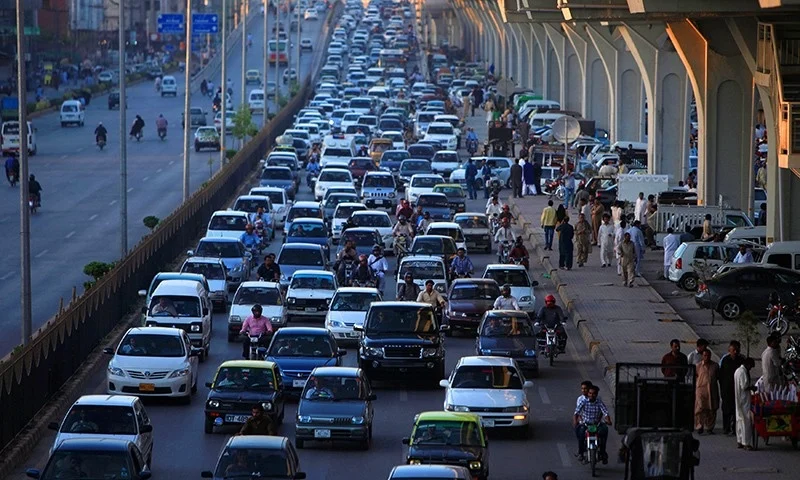
Potential Savings
According to the International Energy Agency (IEA), decreasing highway speeds by just 10 km/h can cut diesel use by up to 6%. In Pakistan, where gasoline averages about 321.17 PKR per litre (≈ $1.15 USD), officials estimate that the new limits could save the country millions of dollars in fuel imports each month.
Safety Benefits
Lower speeds also promise safer roads. Authorities have launched a nationwide awareness campaign to ensure drivers understand and comply with the revised limits, emphasizing that reduced speed can lead to fewer accidents and less severe crashes.
Looking Ahead
The new regulations took effect on March 26 and will be closely monitored for their impact on fuel consumption, traffic safety, and overall energy usage. If successful, Pakistan may consider further measures to promote sustainable transport across the region.