
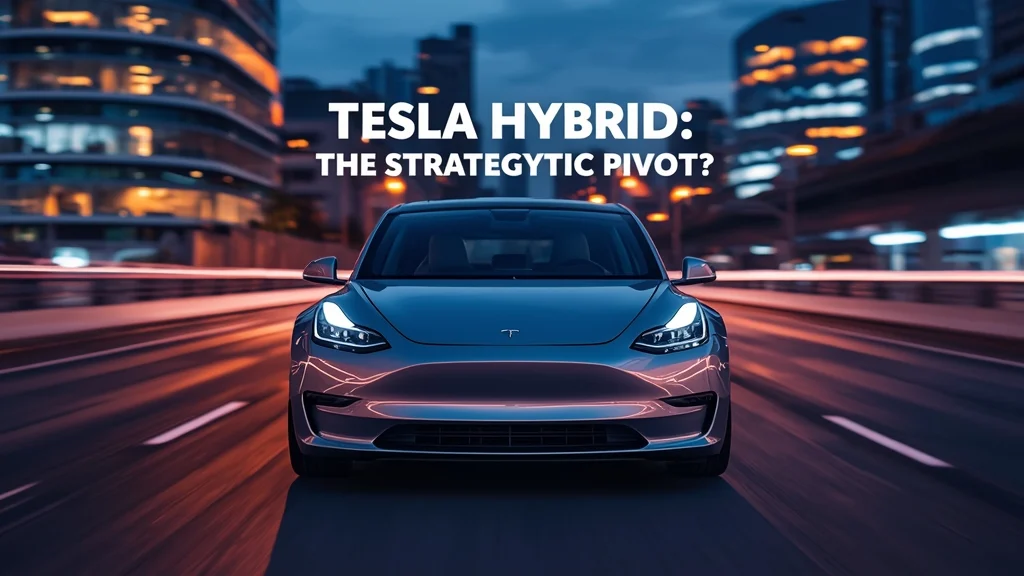
Is Tesla pivoting from pure EV? Discover the rumors surrounding the Tesla Model Y Hybrid and its potential range. Get the full details here!
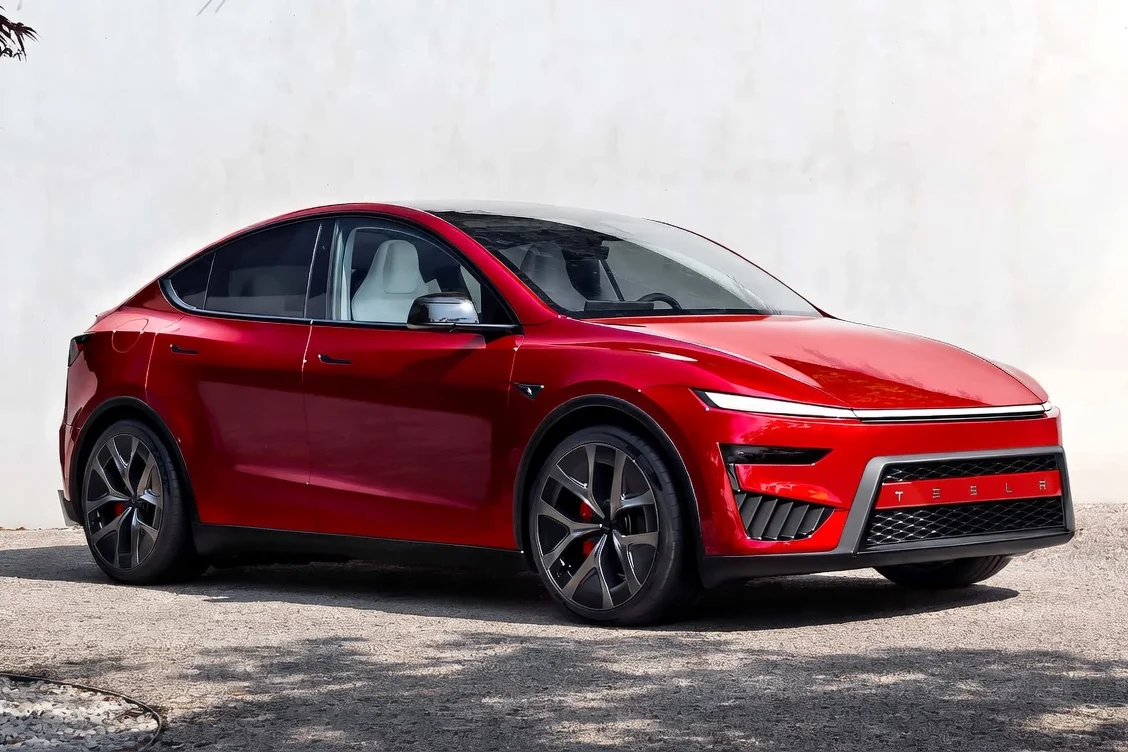
For years, Tesla has been the uncompromising champion of the all-electric revolution. However, as the global electric vehicle (EV) market faces a sudden cooldown, reports suggest the company is preparing a massive strategic pivot: the development of a hybrid version of its best-selling SUV, the Model Y.
Why Tesla is Considering a Hybrid Shift
The road hasn’t been entirely smooth for Elon Musk’s EV empire lately. Tesla is currently grappling with several headwinds that are forcing a rethink of its “pure electric” philosophy:
- Slowing Demand: EV adoption rates in key markets, particularly Europe, have dipped.
- Margin Pressure: Intense price wars have squeezed profit margins.
- Chinese Competition: The rapid ascent of Chinese automakers, who are offering high-tech, affordable alternatives, has put immense pressure on Tesla’s market share.
- Limited Portfolio: With a relatively small lineup of models, Tesla is struggling to meet the diverse needs of consumers who aren’t yet ready to go fully electric.
The Tech: An Extended Range Electric Vehicle (EREV)
Industry insiders suggest that Tesla isn’t looking at a traditional hybrid, but rather an Extended Range Electric Vehicle (EREV). In this setup, a small internal combustion engine acts solely as an on-board generator to charge the battery, rather than driving the wheels directly.
Design Changes and Specifications
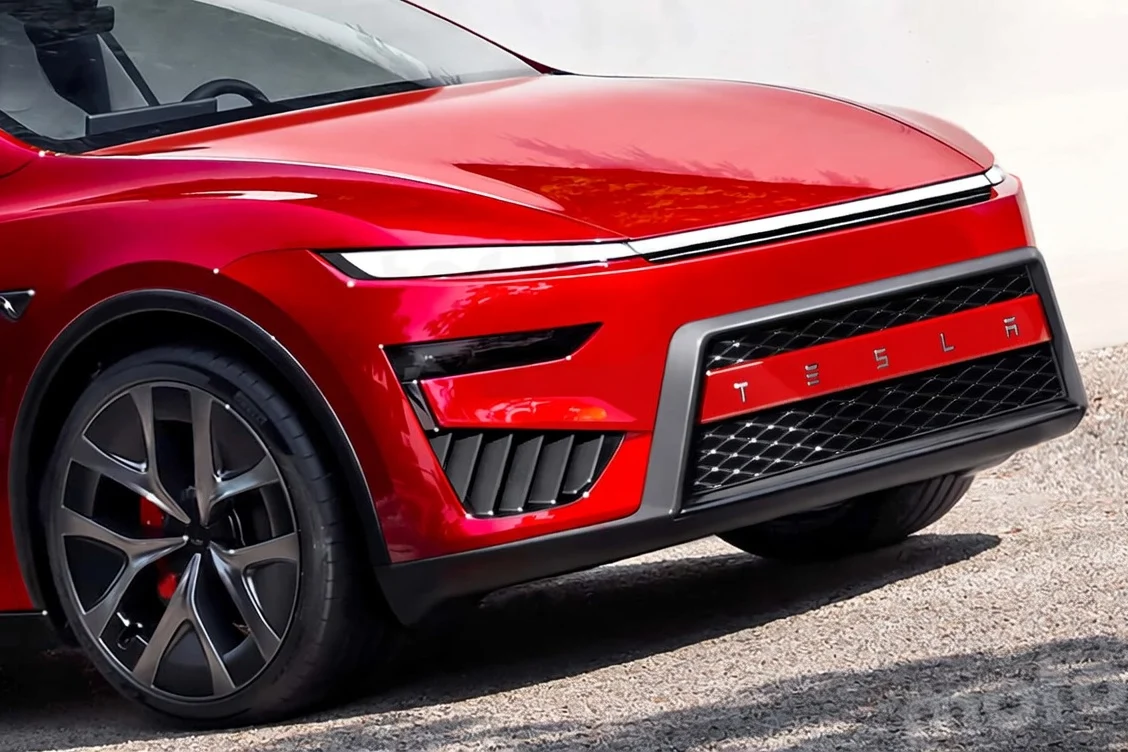
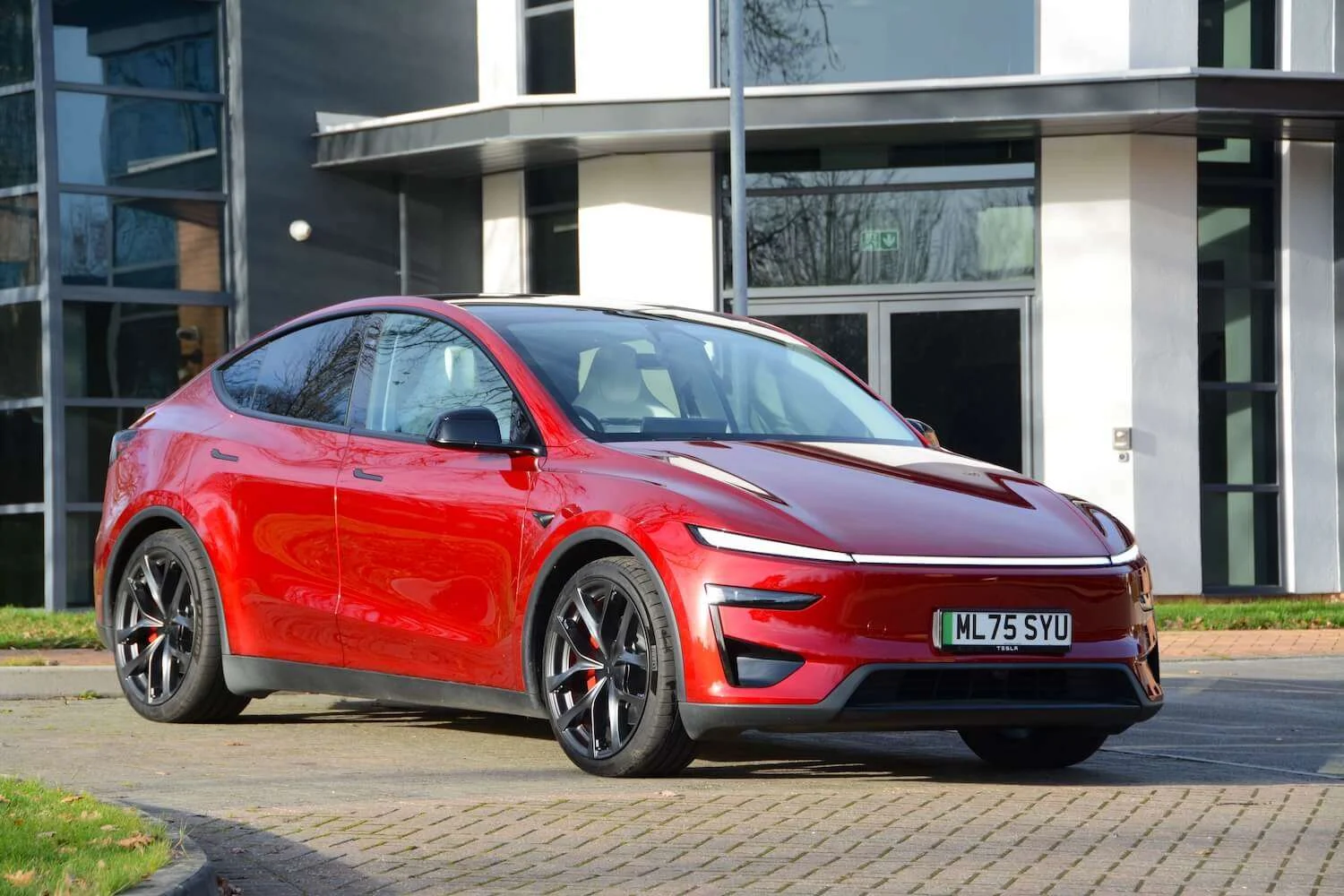
While the Model Y Hybrid is expected to retain the sleek silhouette of the high-performance Model Y Performance, a few key visual cues will give it away:
- New Front Fascia: Larger air intakes and vents will be added to the front bumper to cool the gasoline engine.
- Fuel Integration: A visible fuel filler cap will be located on the right rear fender.
- Internal Layout: To make room for the engine, the gasoline powerplant—rumored to be a compact 1.5L 4-cylinder—may be housed in the “frunk” (front trunk) area.
The BYD Connection
Interestingly, reports indicate that Tesla may partner with BYD for the engine supply. BYD, a fierce competitor and existing battery partner, already excels in hybrid technology with models like the Seal U DM-i, making them a logical choice for this venture.
Performance and Range: The Best of Both Worlds
To accommodate the hybrid system, Tesla may reduce the battery capacity to approximately 45 kWh, making room for a 50-liter fuel tank beneath the floor. The estimated results are impressive:
- Pure EV Range: Up to 350 km (approx. 217 miles) on electricity alone.
- Combined Range: A staggering 1,400 km (approx. 870 miles) when combining gas and electric power.
A New Era for Tesla
If these rumors materialize, the Tesla Model Y Hybrid would represent more than just a new product; it would be a fundamental shift in company DNA. Moving from a “100% electric” mandate to a flexible, hybrid-inclusive approach suggests that Tesla is prioritizing market survival and accessibility over ideological purity.
Expected to hit the market in late 2026 or early 2027, this move could be the key to maintaining Tesla’s global dominance in an increasingly volatile automotive landscape.