
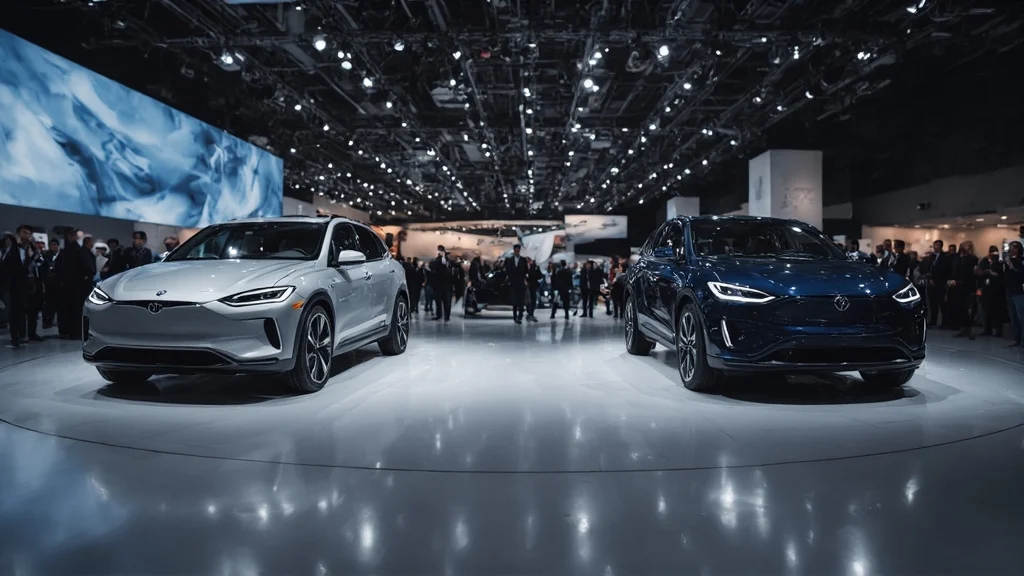
Automakers launch new EVs at the New York Auto Show despite falling US sales and tax credit cuts. Discover the future of electric driving here!
The American electric vehicle (EV) landscape is currently defined by a strange contradiction. While sales figures are dipping and consumer demand has cooled, the floor of the New York Auto Show remains buzzing with new releases. From affordable city cars to rugged SUVs, automakers are doubling down on their electric ambitions, betting that the current slump is merely a speed bump on the road to a fully electrified future.
New Contenders Enter a Volatile Market
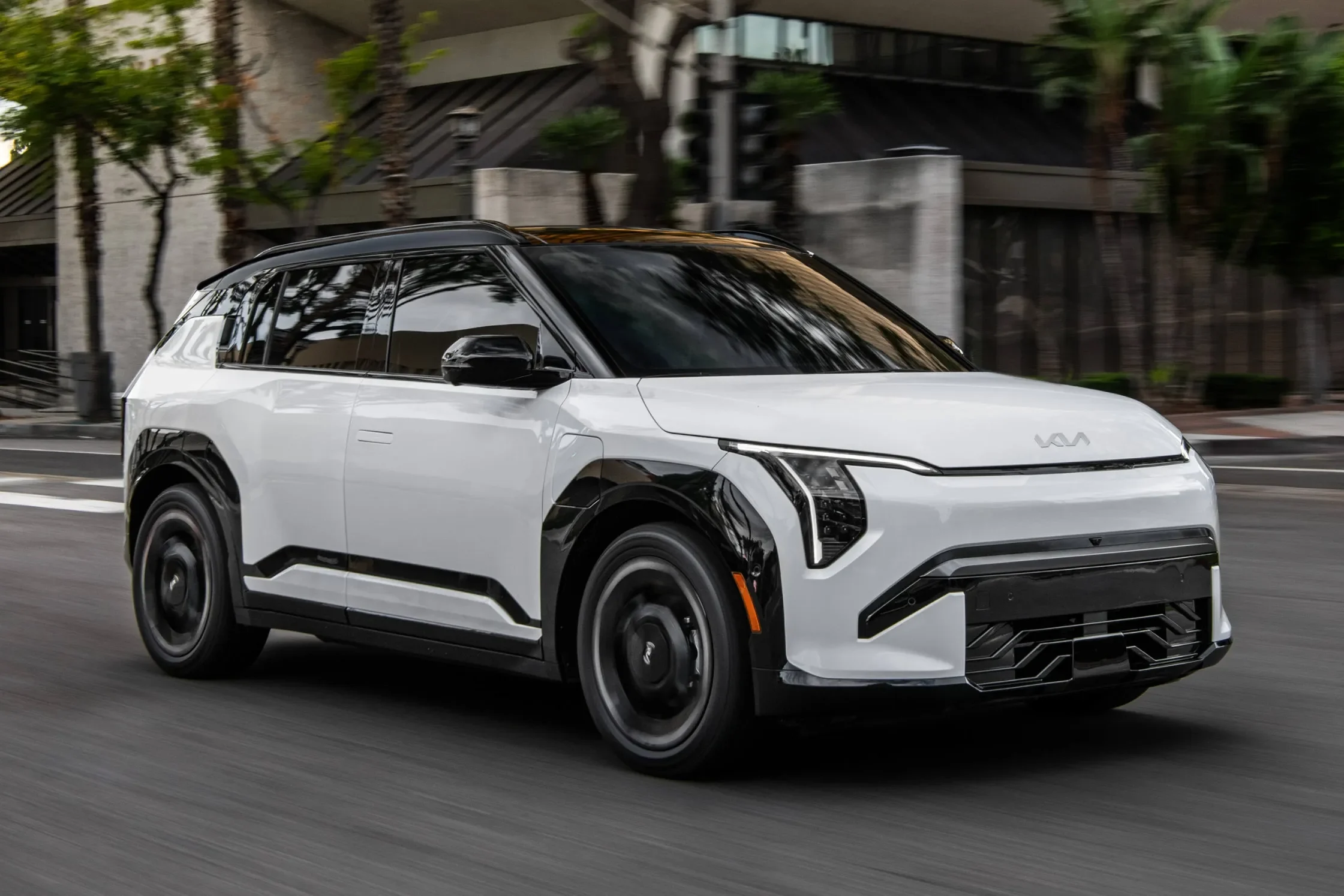
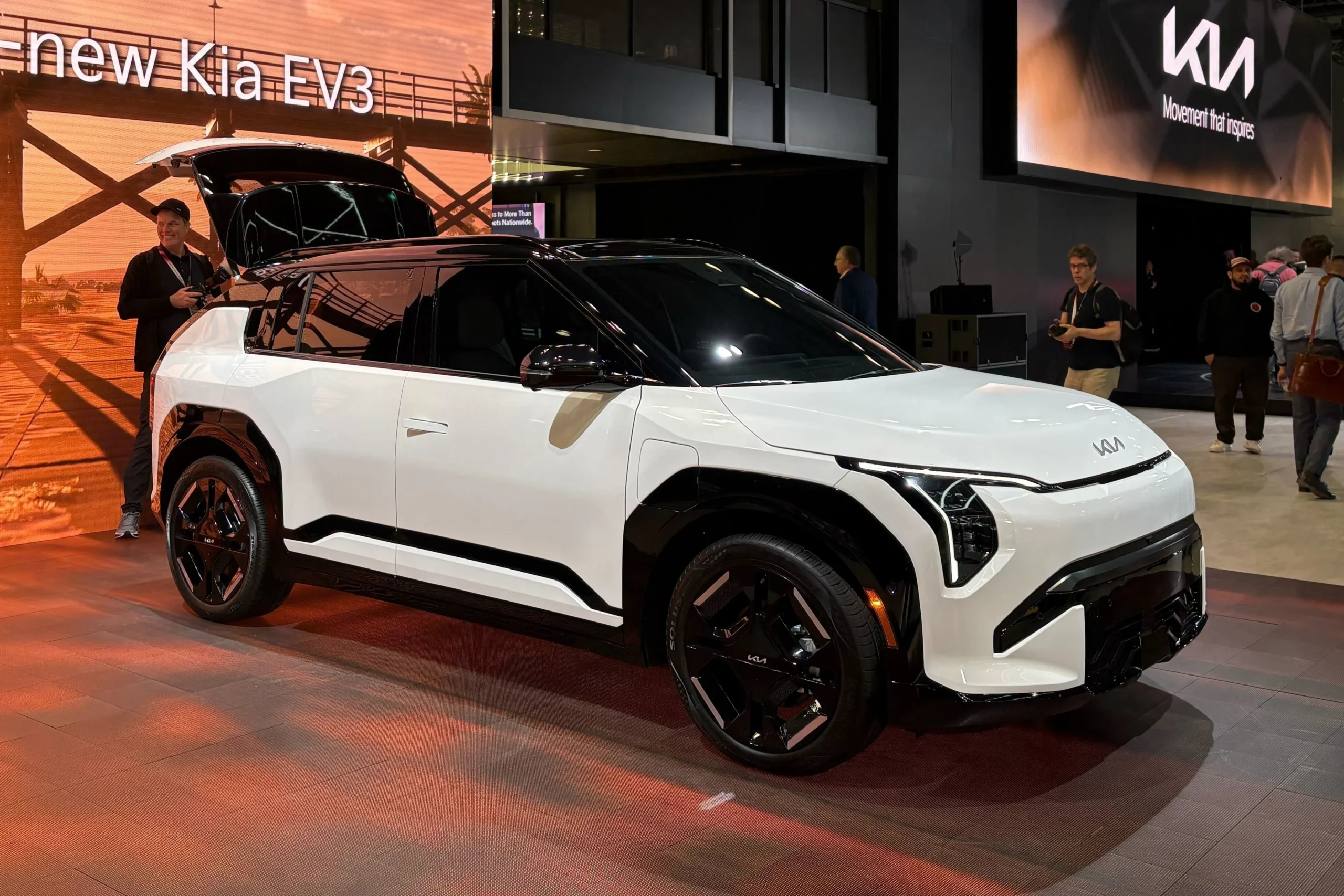
Despite the headwinds, several manufacturers are using the New York Auto Show to signal their long-term commitment to the US market. Kia has stolen the spotlight with the introduction of the EV3, an affordable electric model designed to bring EV ownership to a wider audience. Deliveries for the EV3 are expected to begin by the end of this year.
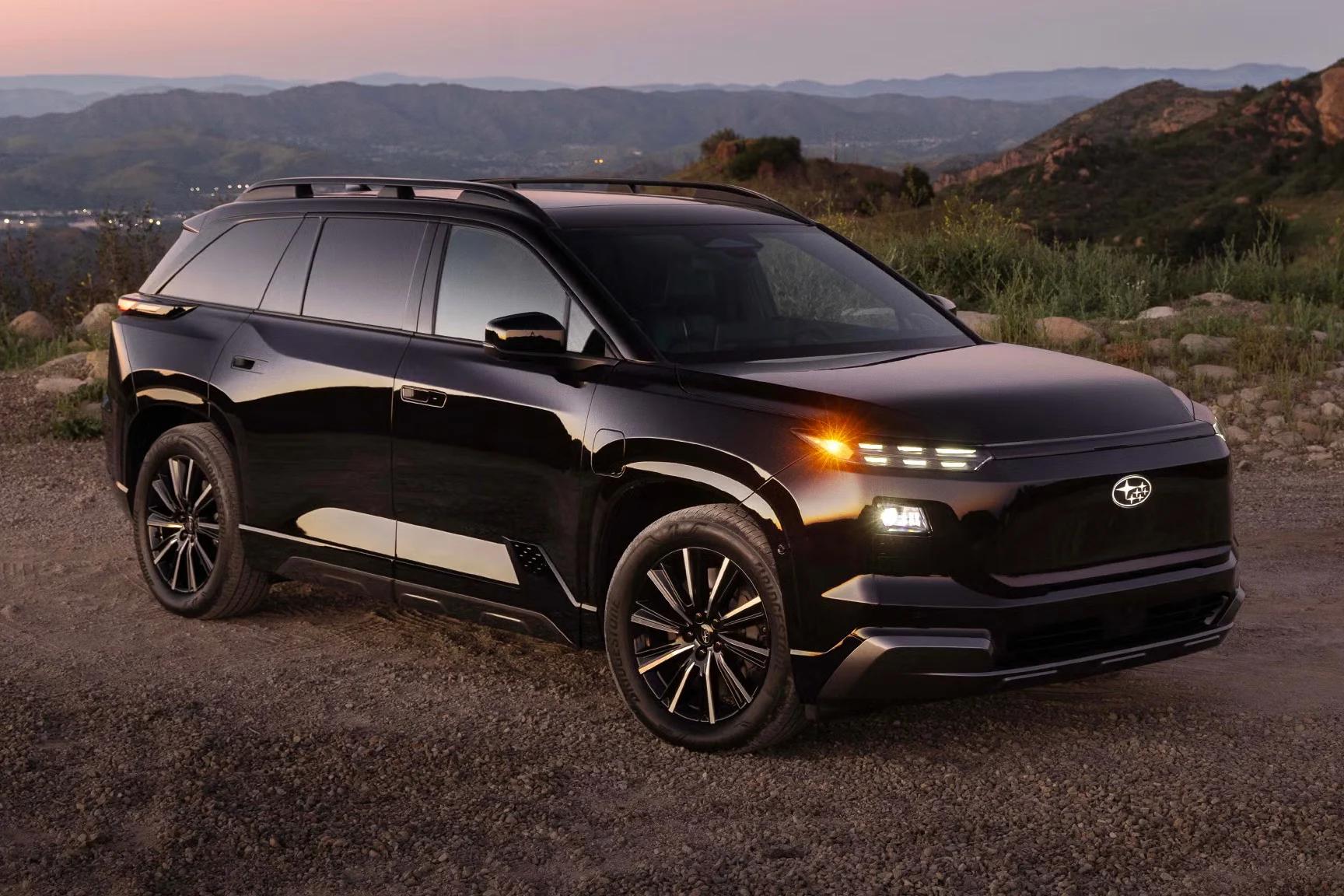
Not to be outdone, Subaru has unveiled the Getaway, a large electric SUV. Marking the brand’s fourth EV offering in the United States, the Getaway is slated for release later this year or in early 2025, targeting the highly lucrative family and outdoor-adventure segment.
The Cold Reality: Why EV Sales are Dropping
The enthusiasm at auto shows contrasts sharply with the actual sales data. The primary catalyst for the downturn has been the removal of the $7,500 federal tax credit, which previously acted as a major incentive for buyers to make the switch from internal combustion engines (ICE).
Data from the Alliance for Automotive Innovation—which represents industry giants like GM, Ford, Toyota, Volkswagen, Hyundai, and Stellantis—paints a sobering picture. While EVs held a 9.6% market share in the US in 2025, that figure plummeted to 6.5% over the last three months, the lowest level seen since 2022.
Christian Meunier, President of Nissan Americas, described the current demand as having nearly “disappeared.” He noted that with EVs making up only about 7% of the market—and half of those sales relying on heavy incentives—organic demand is not yet strong enough to sustain the industry without government help.
Strategic Pivots: Hybrids and Affordability
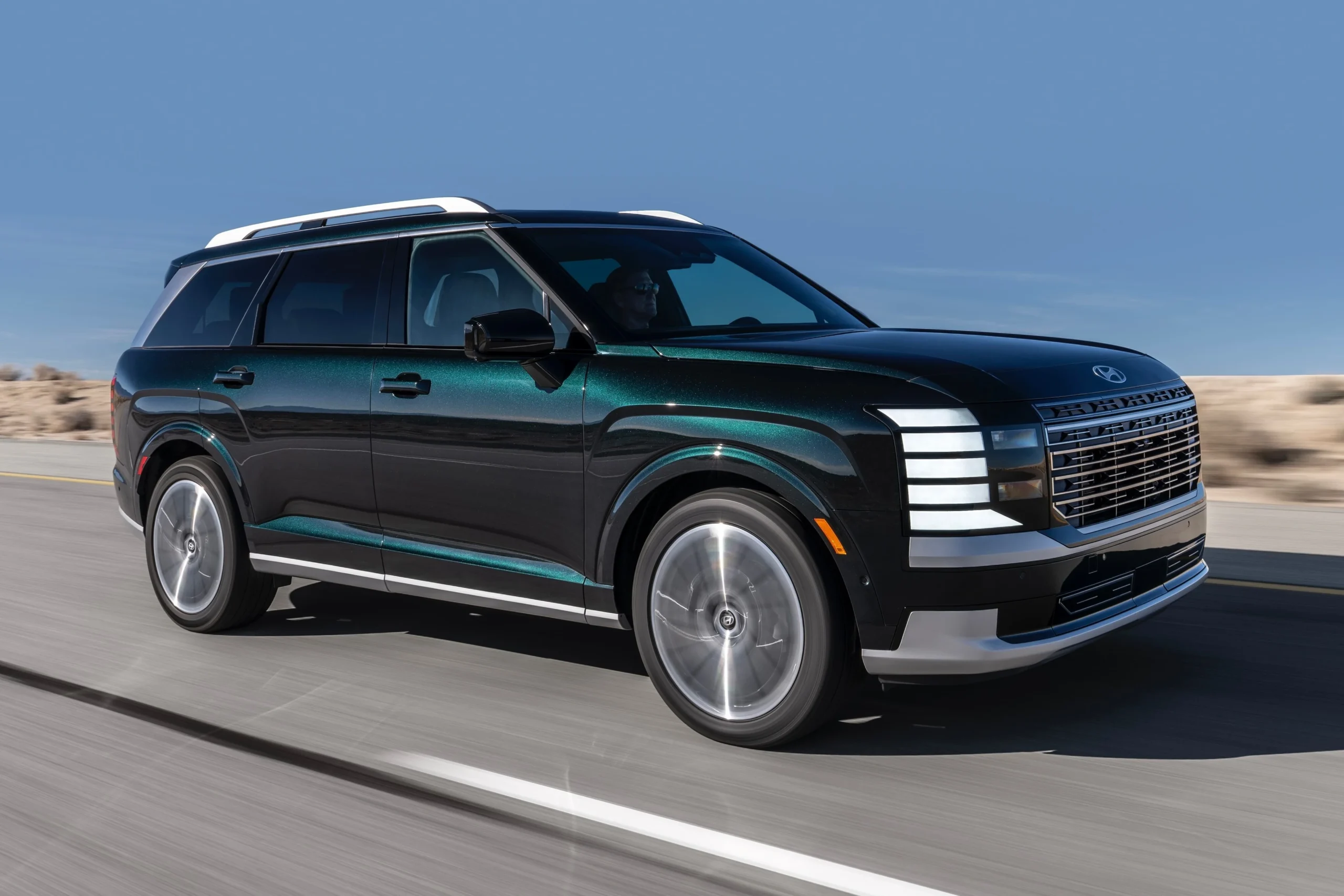
In response to the volatility, automakers are shifting their strategies to be more flexible. Hyundai CEO Jose Munoz revealed that while EV sales remain resilient in regions with high gasoline prices, such as California, the company is diversifying its production. Hyundai is now increasing its output of hybrid vehicles to bridge the gap for consumers not yet ready to go fully electric.
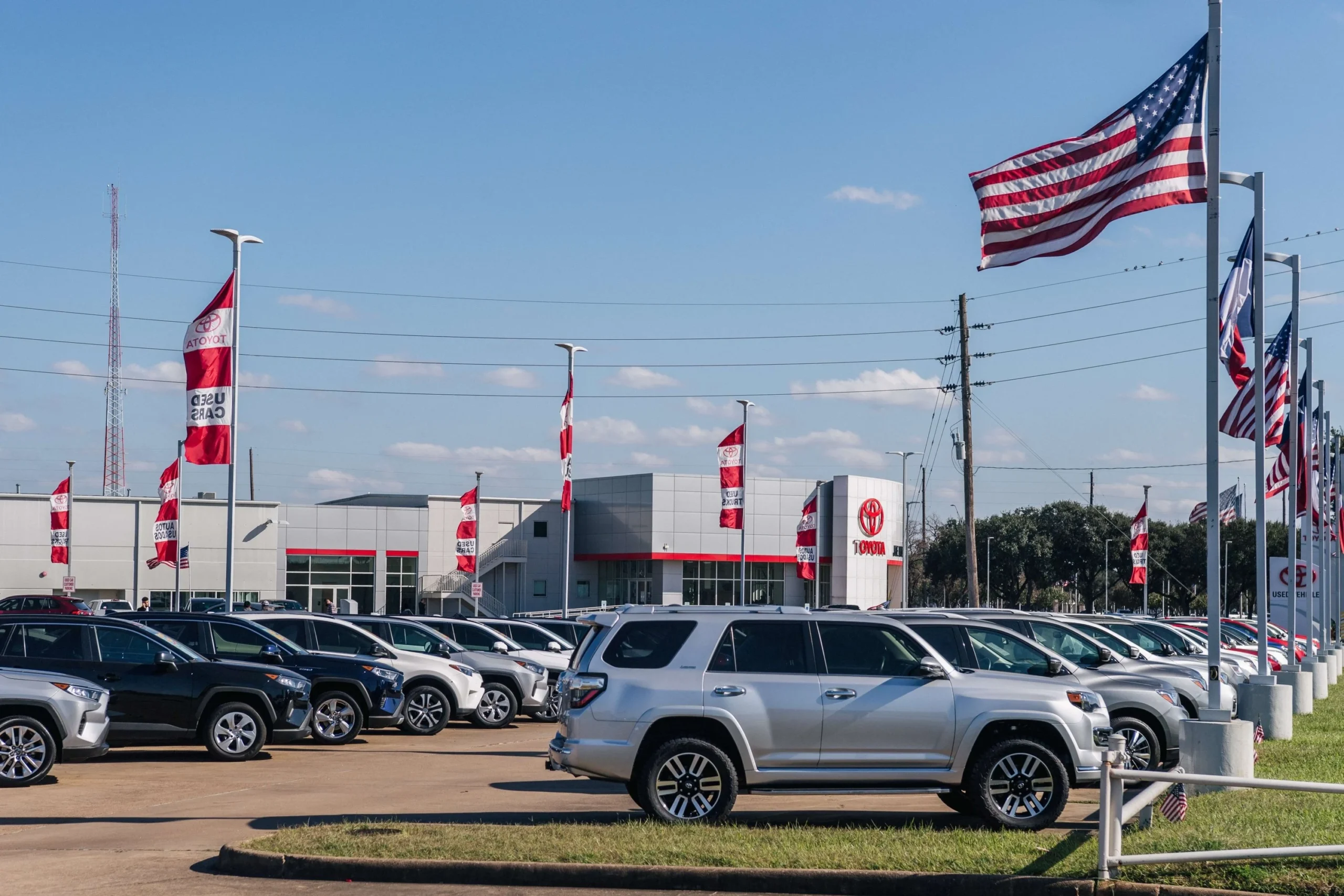
Munoz’s revised outlook is more conservative; he predicts EV market share will grow steadily to around 10-15%, moving away from previous industry fantasies of a 50-60% explosion in adoption.
Other brands are fighting back with aggressive pricing:
- General Motors has relaunched the Chevrolet Bolt EV, starting at an accessible price point of $27,600.
- Toyota Motor North America, led by David Christ, plans to introduce three new EV models this year, hoping that rising fuel costs will naturally push consumers back toward electric options.
The Political Influence and the Long Game
The shift in the market is not just economic but political. Under the administration of President Donald Trump, policies have shifted away from EV incentives and toward supporting traditional internal combustion engines, further complicating the transition for manufacturers.
However, the long-term perspective remains optimistic. Currently, EVs make up only about 2.5% of all vehicles on US roads. While the 10.2% sales share in 2024 showed a strong start, the industry recognizes that the transition will be a marathon, not a sprint.
By continuing to invest in diverse lineups—ranging from budget-friendly hatchbacks to luxury SUVs—automakers are ensuring they are positioned for the eventual recovery. As Kia America’s VP of Marketing, Russell Wager, suggests, the market will recover, albeit more slowly than initially expected, with a potential return to form within the next three to four years.