
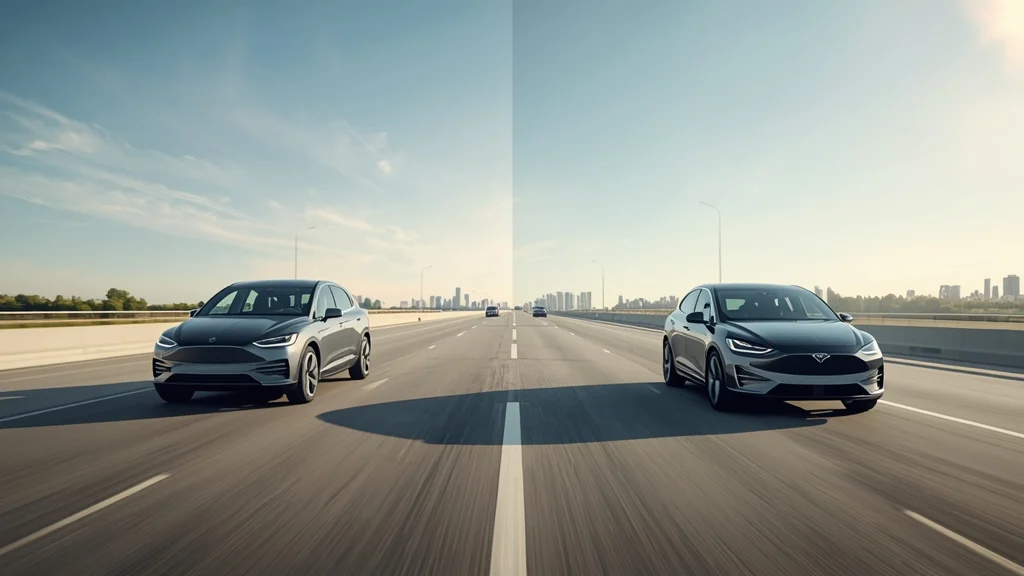
US automakers suggest replacing the outdated federal gas tax with a vehicle fee to fund roads fairly. See how this affects EVs and drivers.
The landscape of American transportation is shifting rapidly, and the way the government funds its roads is struggling to keep up. In a provocative new proposal, the Alliance for Automotive Innovation is calling for the complete abolition of the federal gasoline and diesel tax, suggesting a transition to a more modern, equitable fee structure.

A Shift Toward Fairness: The Weight-Based Fee
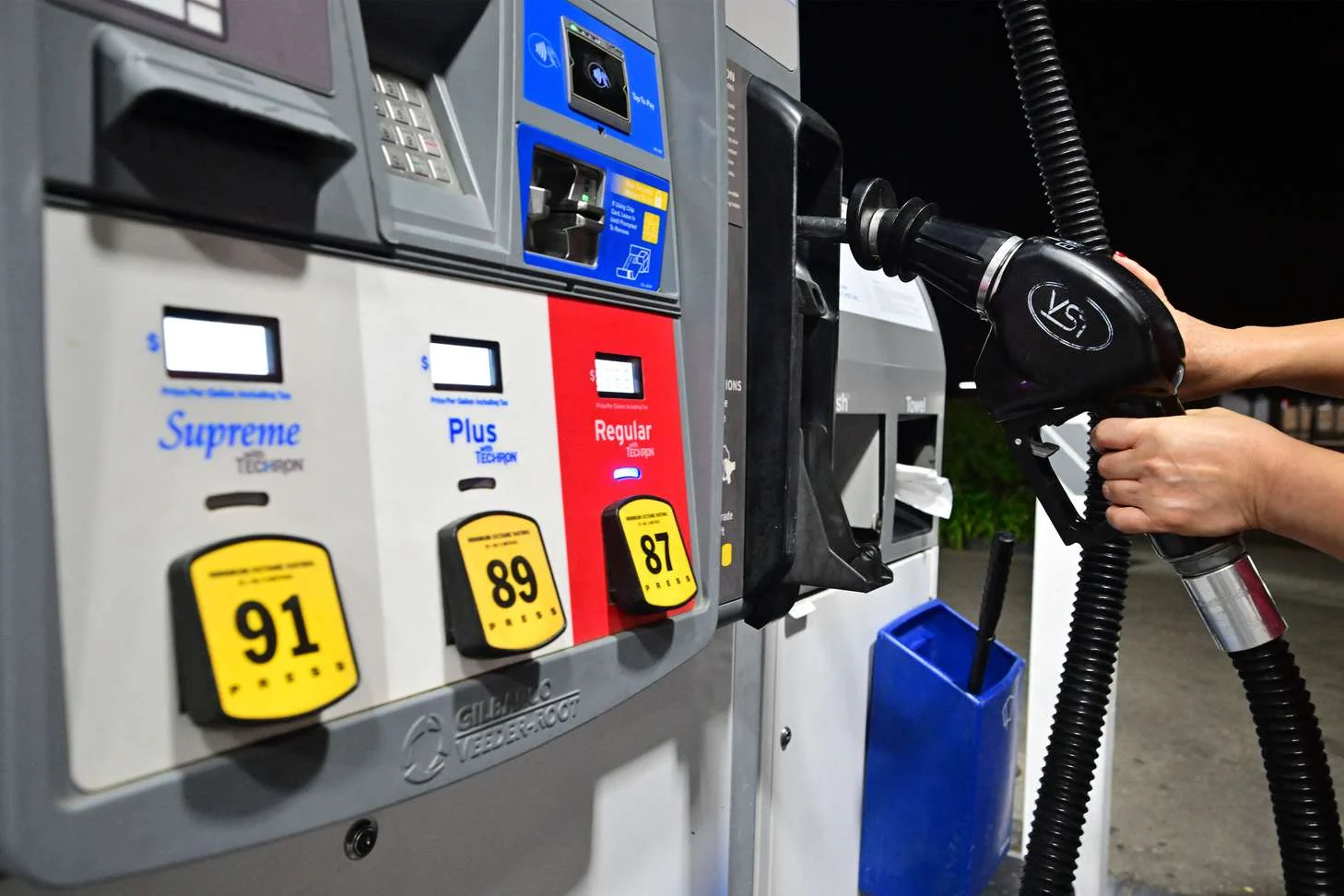
John Bozzella, head of the Alliance—which represents industry giants including Ford, General Motors, Toyota, Volkswagen, and Hyundai—argues that the current tax system is obsolete. He is proposing the removal of the federal tax of 18.4 cents per gallon for gasoline and 24.3 cents per gallon for diesel and kerosene.
In its place, the Alliance suggests implementing a fixed vehicle fee. This fee would be calculated based on the weight of the vehicle and collected during the annual registration process. The goal is simple: ensure that every vehicle on the road contributes its fair share toward the maintenance of the infrastructure it uses.
Why the Current System is Failing
According to Bozzella, the current gas tax creates an unfair financial burden. Drivers of older, less fuel-efficient vehicles, or those who travel long distances, are paying the lion’s share of road maintenance costs, while others contribute very little.
Beyond fairness, there is a severe financial gap. The U.S. Congress has not adjusted the federal gas tax since 1993. Because the tax hasn’t kept pace with inflation, its real value has plummeted by more than 60% over the last three decades.

This stagnation has led to a massive funding shortfall. Since 2008, over $275 billion—including $118 billion from the 2021 Infrastructure Investment and Jobs Act—has had to be diverted from the general federal budget to plug the holes in the Highway Trust Fund.
The Electric Vehicle (EV) Dilemma
The rise of electric vehicles has accelerated the crisis. Because EVs do not consume gasoline, they contribute nothing to the current gas tax system. However, EVs are typically significantly heavier than internal combustion engine (ICE) vehicles, meaning they often cause more wear and tear on road surfaces.
This imbalance has sparked political tension. Some Republican lawmakers have already pushed for specific EV levies. Last year, proposals were made to implement an annual fee of $250 for EVs and $100 for hybrids, though these have yet to be passed into law. Some Senators have even suggested taxes as high as $1,000 for electric vehicles starting in 2025.
A Race Against the Clock
The debate over how to fund America’s highways is reaching a boiling point. The current five-year federal road transportation law is set to expire on September 30, leaving policymakers with a narrow window to decide on a sustainable funding model.
Whether the U.S. sticks with a modified gas tax or pivots to the automotive industry’s proposed weight-based registration fee, one thing is clear: the status quo is no longer sustainable for a world transitioning to electric mobility.