
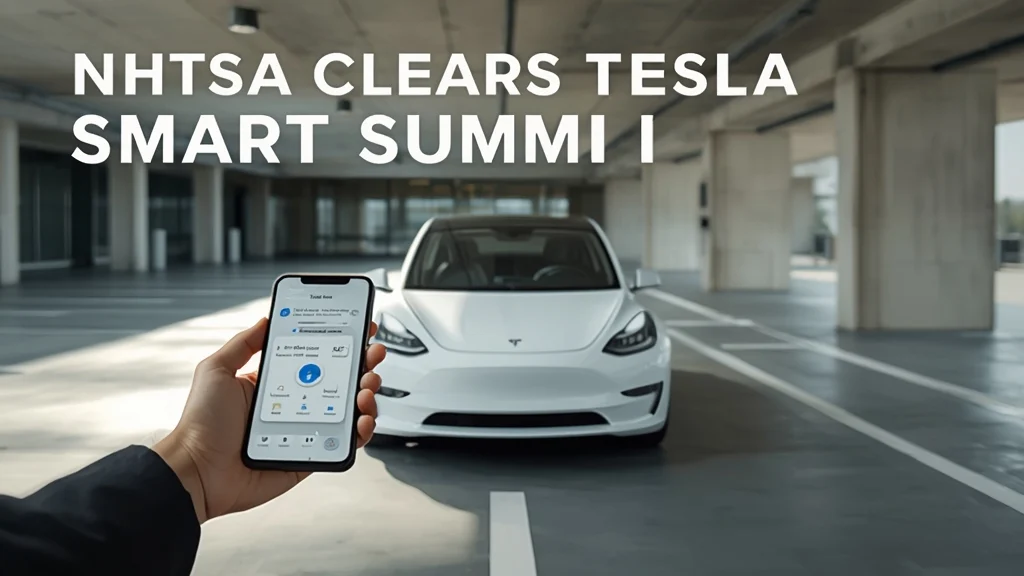
NHTSA concludes its probe into Tesla’s Smart Summon feature after software updates fixed key safety issues. Get the full details here.
The National Highway Traffic Safety Administration (NHTSA) has officially concluded its extensive investigation into Tesla’s remote vehicle control feature, known as “Actually Smart Summon” (ASS). The agency determined that reported incidents were limited to low-speed scenarios and did not result in serious consequences.
What Was Under Investigation?
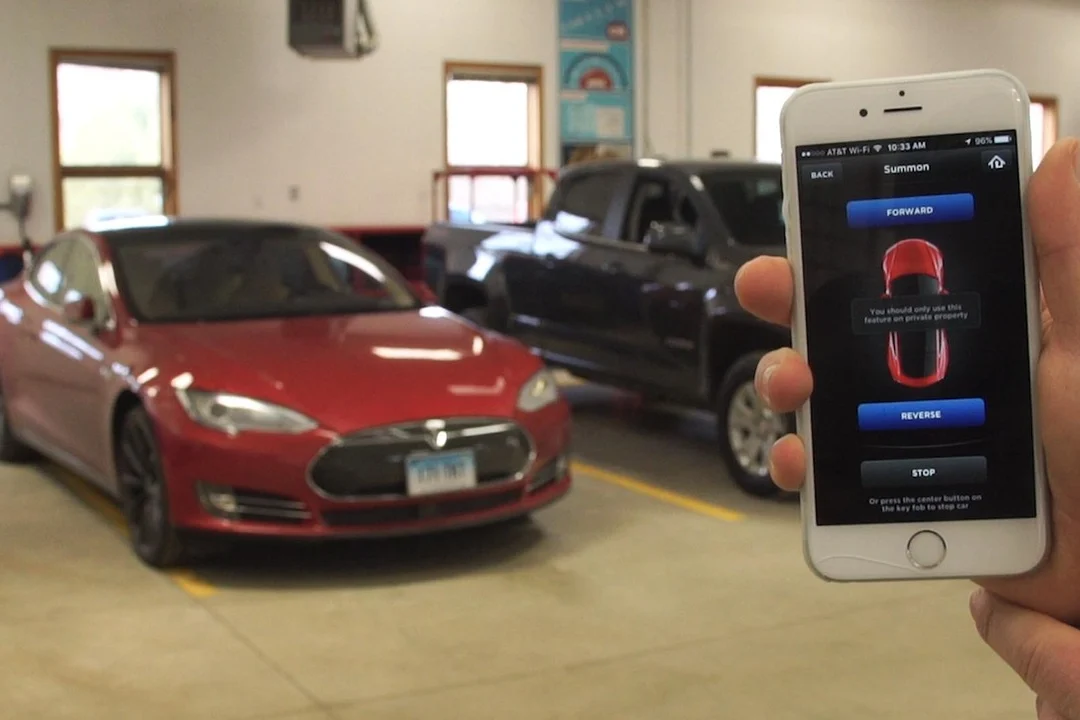
The probe focused on approximately 2.6 million Tesla electric vehicles equipped with the “Actually Smart Summon” system. This feature allows owners to remotely guide their cars over short distances—such as navigating a parking lot or a private driveway—using the Tesla mobile app.
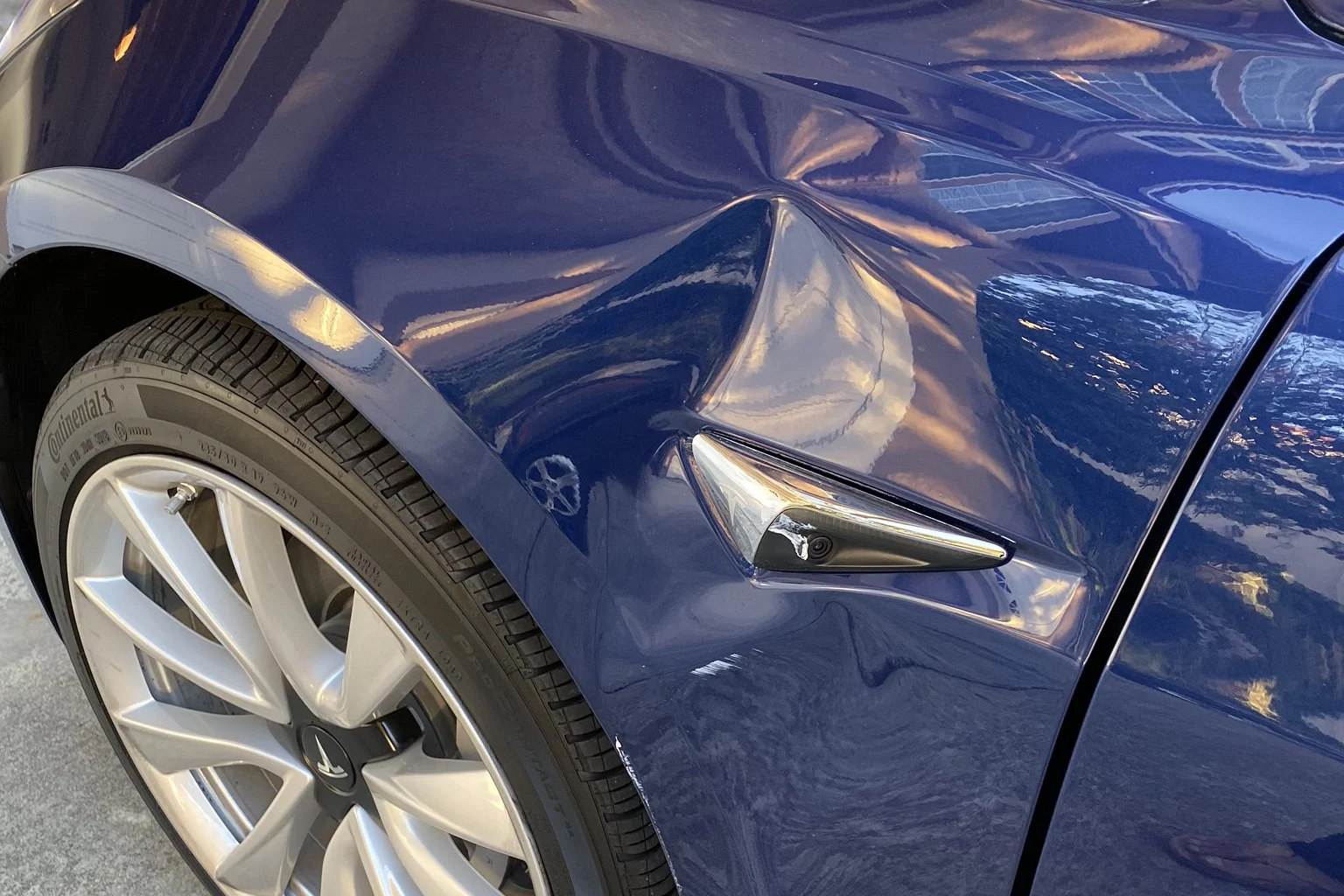
The investigation was initiated in early 2025 following reports of collisions while the feature was active. However, the NHTSA’s final findings revealed that the vast majority of these incidents occurred at very low speeds, primarily resulting in minor property damage. Of the roughly 100 reported collisions, there were zero recorded injuries or fatalities.
Common Issues and Root Causes
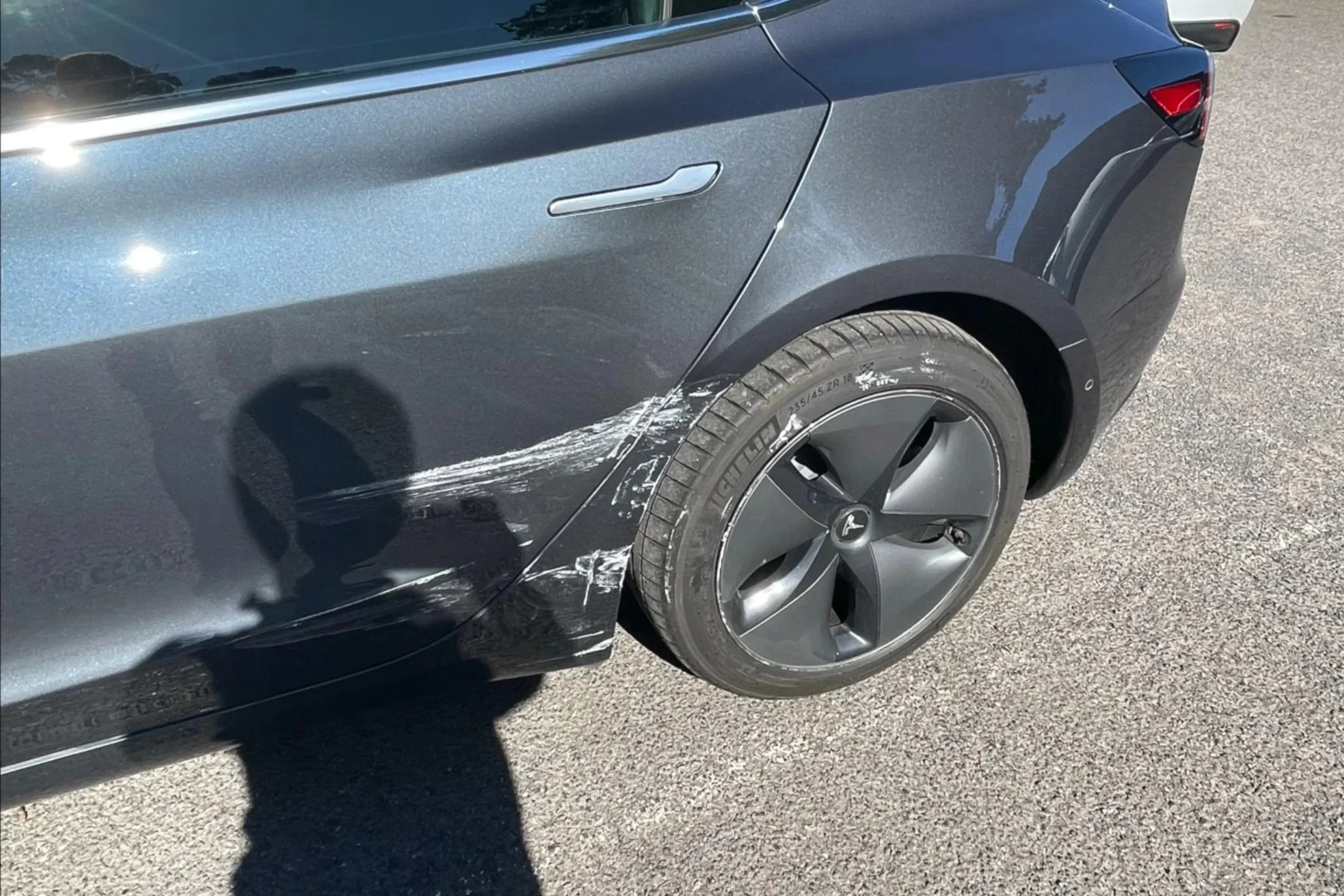
According to the agency, the most frequent accidents involved vehicles colliding with stationary objects, such as other parked cars, garage doors, or gates. These issues were most prevalent during the initial activation phase of the Summon feature, when the system’s environmental perception or visibility was limited.
Notably, none of the reported incidents were severe enough to trigger airbag deployment or require the vehicle to be towed from the scene.
Tesla’s Proactive Fixes
The NHTSA concluded that the frequency and severity of the incidents were too low to warrant more drastic regulatory intervention. This decision follows a series of over-the-air (OTA) software updates released by Tesla to enhance the system’s safety. These updates focused on:
- Improved Obstacle Detection: Enhancing the car’s ability to recognize stationary and moving objects.
- Camera Reliability: Better detection of obstructed cameras.
- Environmental Adaptability: Reducing errors caused by weather conditions, such as snow or steam, which previously interfered with the camera sensors.
The Bigger Picture: FSD Still Under Scrutiny
While the closure of the Smart Summon probe is a win for Tesla, the company remains under intense regulatory pressure regarding its more advanced driver-assistance systems. The NHTSA continues to closely monitor Tesla’s Full Self-Driving (FSD) technology.
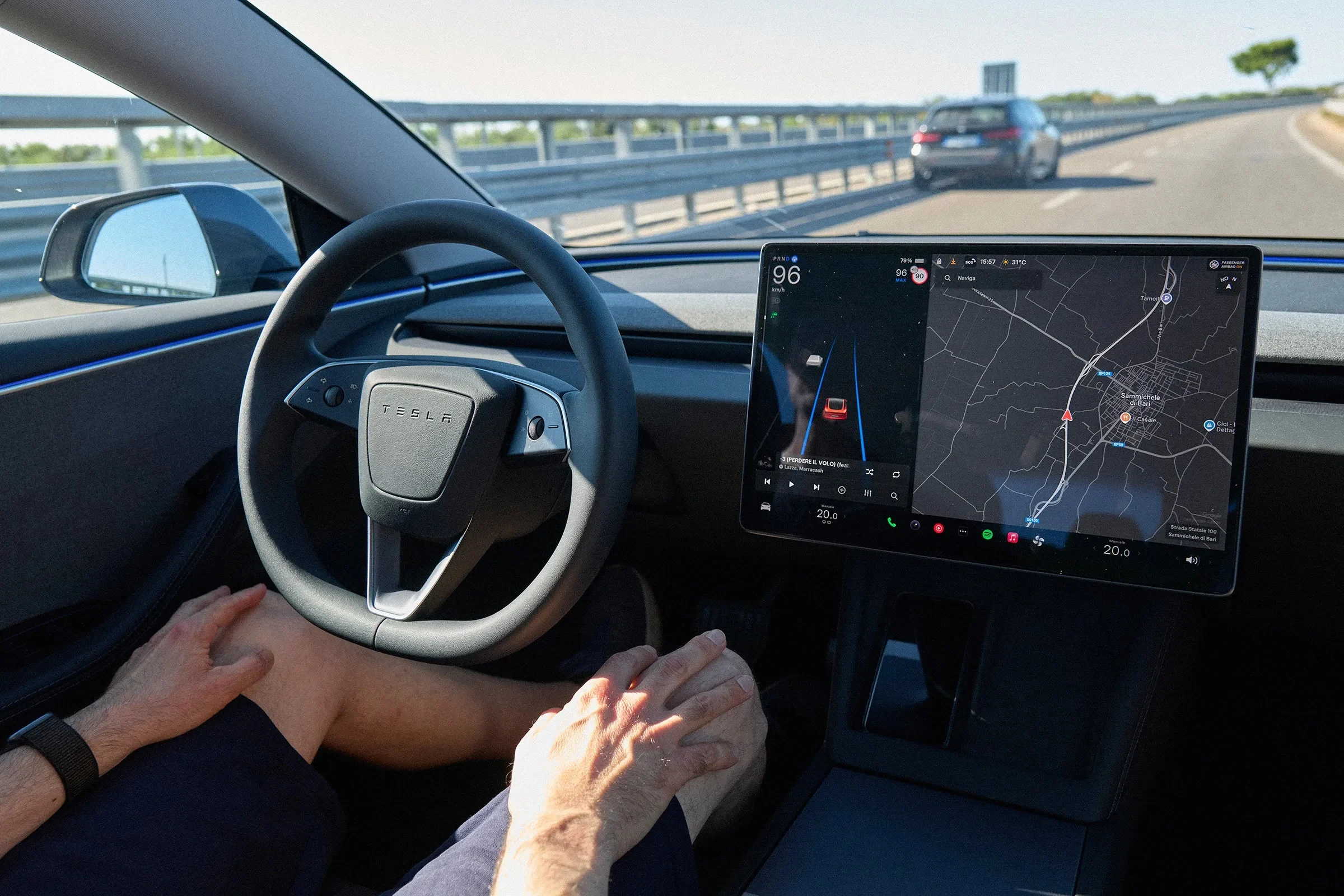
Last month, the agency escalated a separate investigation into FSD to a “technical analysis” phase—a critical step that often precedes a formal recall. This expanded probe now covers approximately 3.2 million vehicles.
Furthermore, in October 2025, the NHTSA opened a probe into 2.9 million FSD-equipped vehicles after receiving over 50 safety violation reports. Regulators expressed concerns that the system could lead vehicles to operate in violation of traffic laws, citing issues with driver alerts and real-world performance.
This ongoing tension underscores the high level of scrutiny facing autonomous and semi-autonomous driving technologies as they evolve in the global market.