
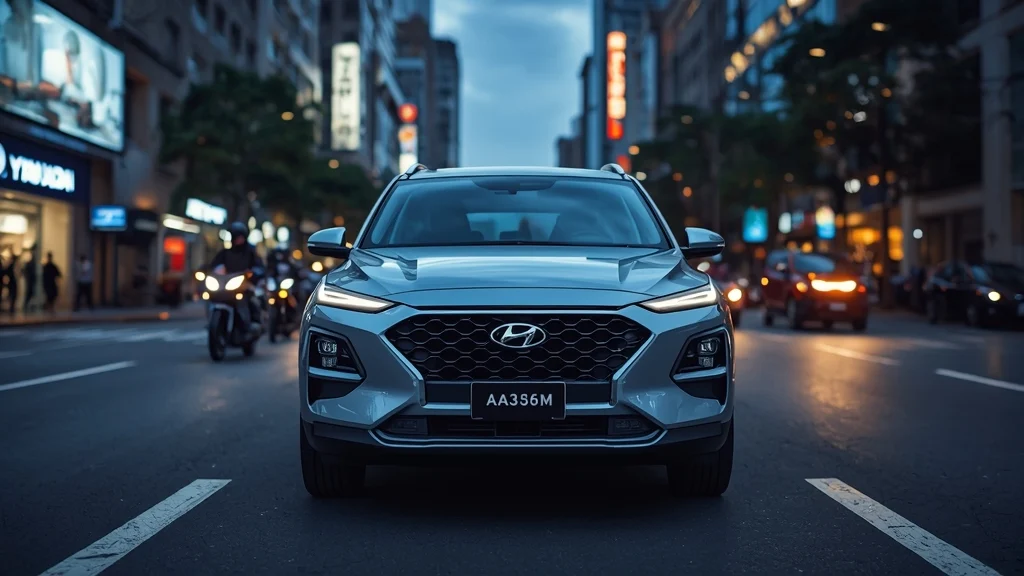
Facing pressure from Japanese rivals and EVs, which Korean cars still dominate the Vietnamese market? Explore the top performers and trends here.
For the past couple of years, the landscape for South Korean vehicles in Vietnam has shifted dramatically. Once the undisputed kings of the urban commute, legendary names like the Kia Morning and Hyundai Grand i10 have seen their dominance fade from the top of the sales charts.
In an era defined by aggressive pricing wars and the rapid ascent of electric vehicles (EVs) and Japanese competitors, the question arises: Which Korean models are still holding their ground?
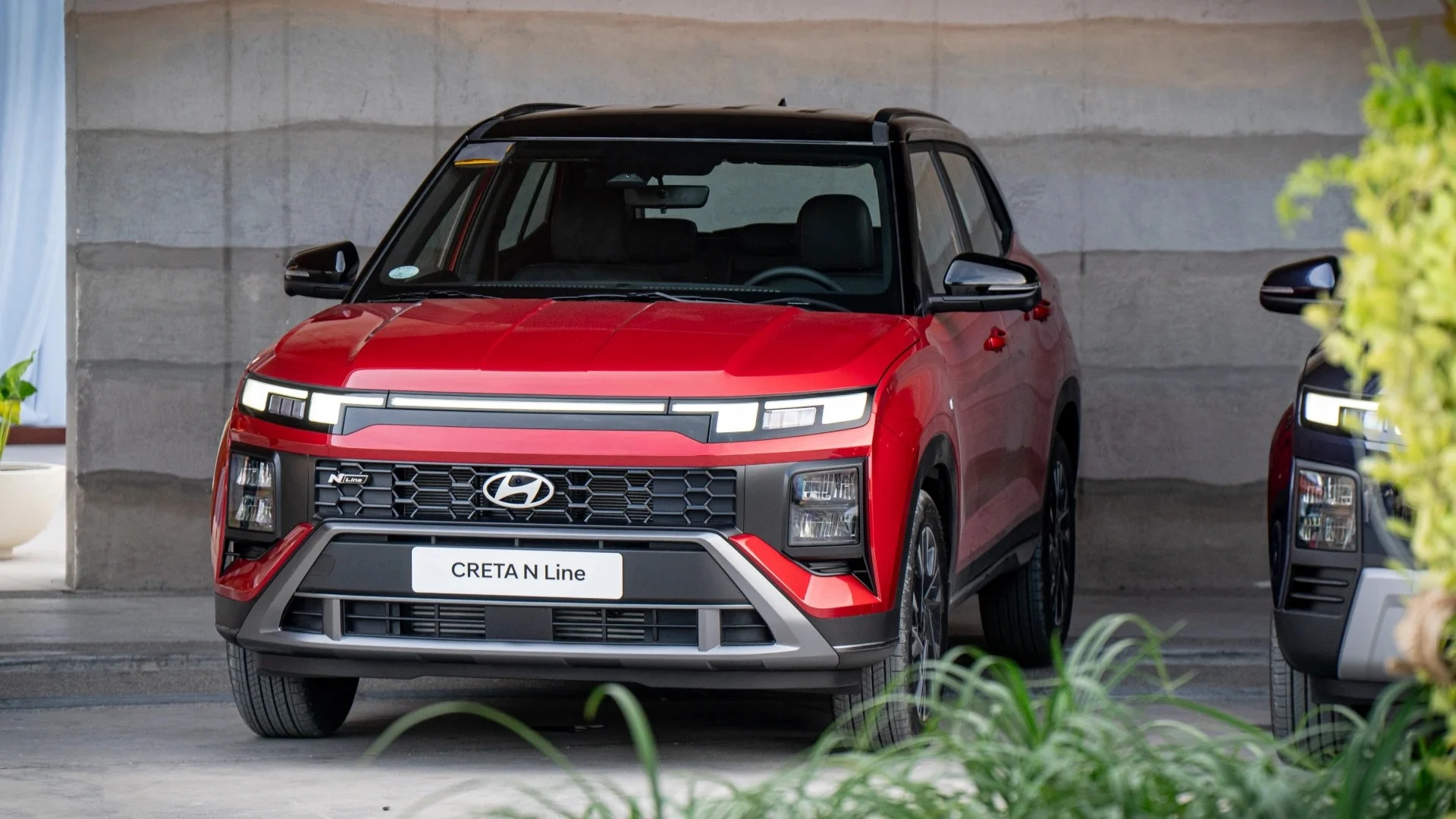
Hyundai Creta: The Steady Urban Performer
Among the current lineup, the Hyundai Creta stands out as a rare example of stability. Even during market downturns, the Creta maintains consistent monthly sales, thanks to a strategic blend of segment positioning and competitive pricing.
While officially positioned as a B-segment urban SUV, the Creta is priced similarly to many A-segment competitors. This creates an irresistible value proposition when compared to rivals like the Kia Sonet, Toyota Raize, Suzuki Fronx, or emerging Chinese contenders such as the BYD Atto 2 and Geely EX2.
The Creta’s success is built on three pillars: brand prestige, modern design, and a robust tech suite. Specifically, the Hyundai SmartSense ADAS package is a major draw, offering high-end safety features typically reserved for larger vehicles, including:
- Forward Collision-Avoidance Assist (FCA)
- Blind-Spot View Monitor (BVM) and Collision-Avoidance Assist (BCA)
- Lane Following Assist (LFA) and Lane Keeping Assist (LKA)
- Rear Cross-Traffic Collision-Avoidance Assist (RCCA)
- Adaptive Cruise Control
Starting at approximately 599 million VND, the Creta appeals to young buyers and families looking for a reliable, gasoline-powered compact SUV with a contemporary aesthetic. This strategy paid off in recent reports, with the Creta securing a spot in the top 10 best-selling cars with 749 units sold.
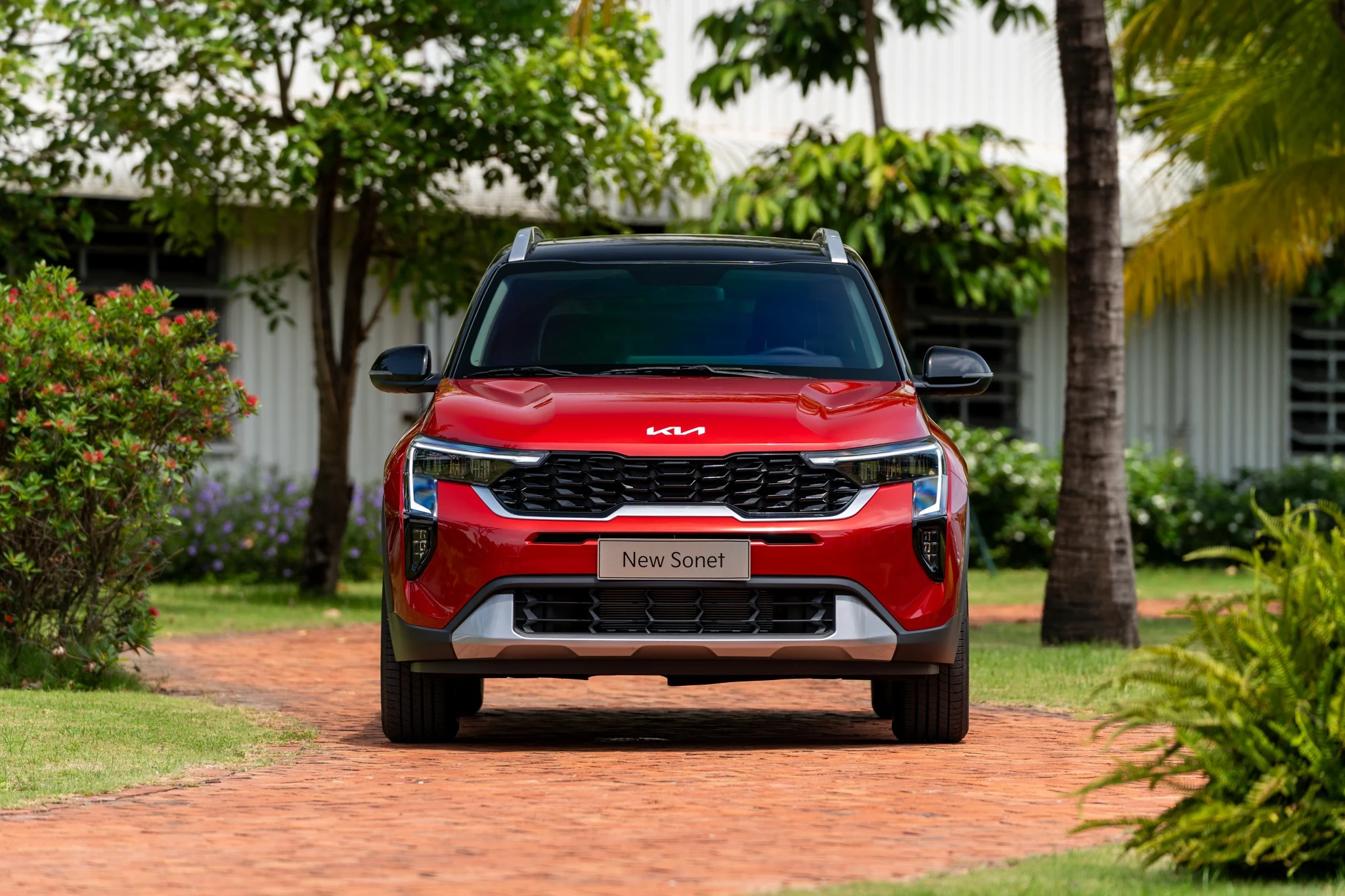
Kia Sonet: The Compact Specialist
The Kia Sonet follows a similar trajectory. Although marketed as a B-SUV by Thaco, its dimensions and equipment level align more closely with A-segment SUVs. This lean profile, combined with a stylish exterior, has kept the Sonet relevant, recording 773 units sold in March alone.
Under the hood, the familiar Smartstream 1.5L engine produces 113 hp and 144 Nm of torque—performance that is more than adequate for urban navigation and competing within its niche.
The Rising Pressure: Price Wars and the EV Shift
Despite the resilience of the Creta and Sonet, it is important to note that their success is relative. They are leading the Korean pack, but they are no longer outperforming their Japanese rivals or the surging EV segment.
The primary challenge is price. With a starting point near 600 million VND, buyers now have a plethora of options ranging from A-segment to B+ segment. Most notably, the VinFast VF 5 has disrupted the market, offering low initial costs and significantly lower operating expenses—a key deciding factor for the average Vietnamese SUV buyer.
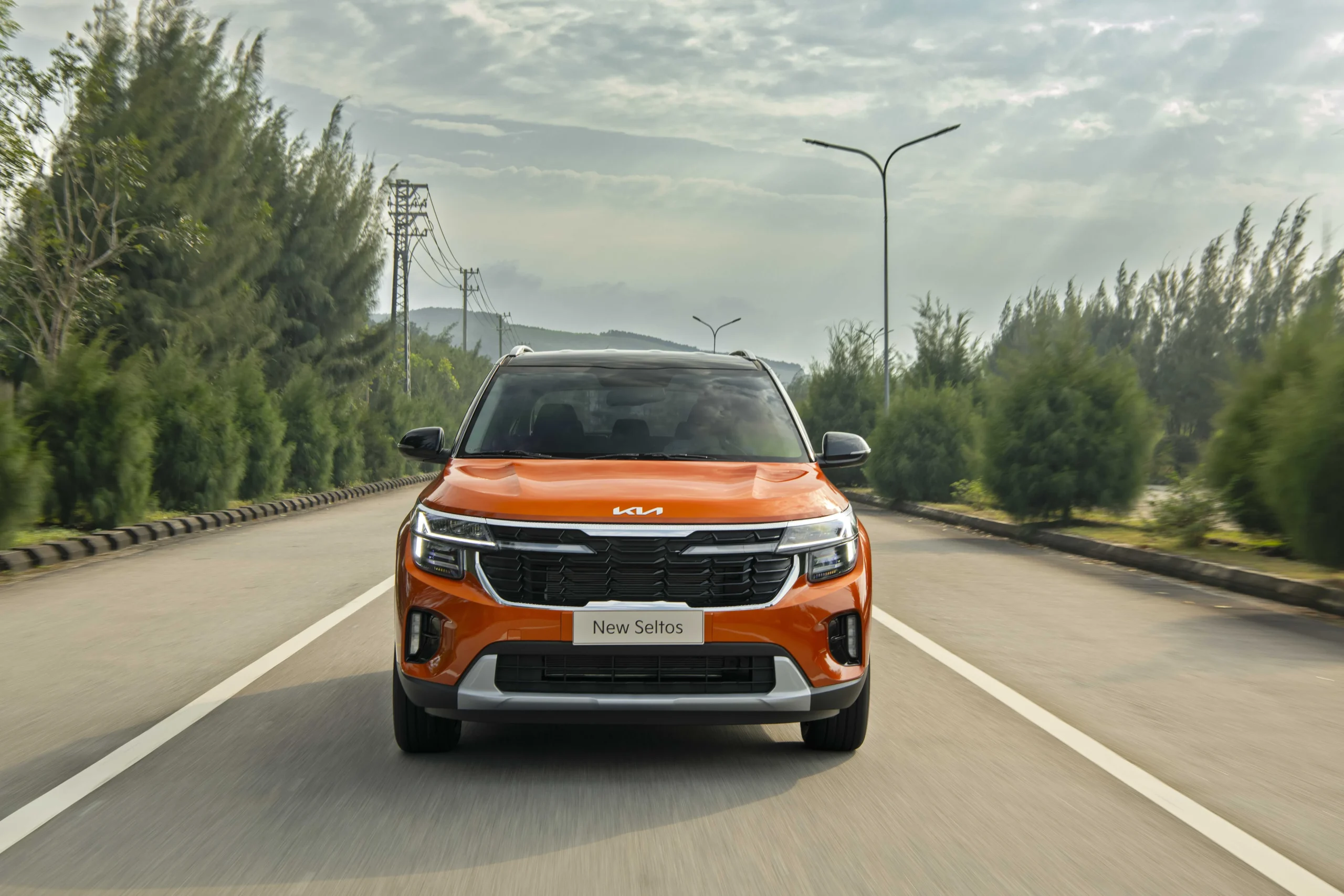
Kia Seltos: Brand Power vs. Market Reality
The Kia Seltos remains a strong contender, with 743 units sold in March. Compared to new Chinese entrants like the Omoda C5 or BYD Dolphin, the Seltos benefits from superior brand recognition and trust.
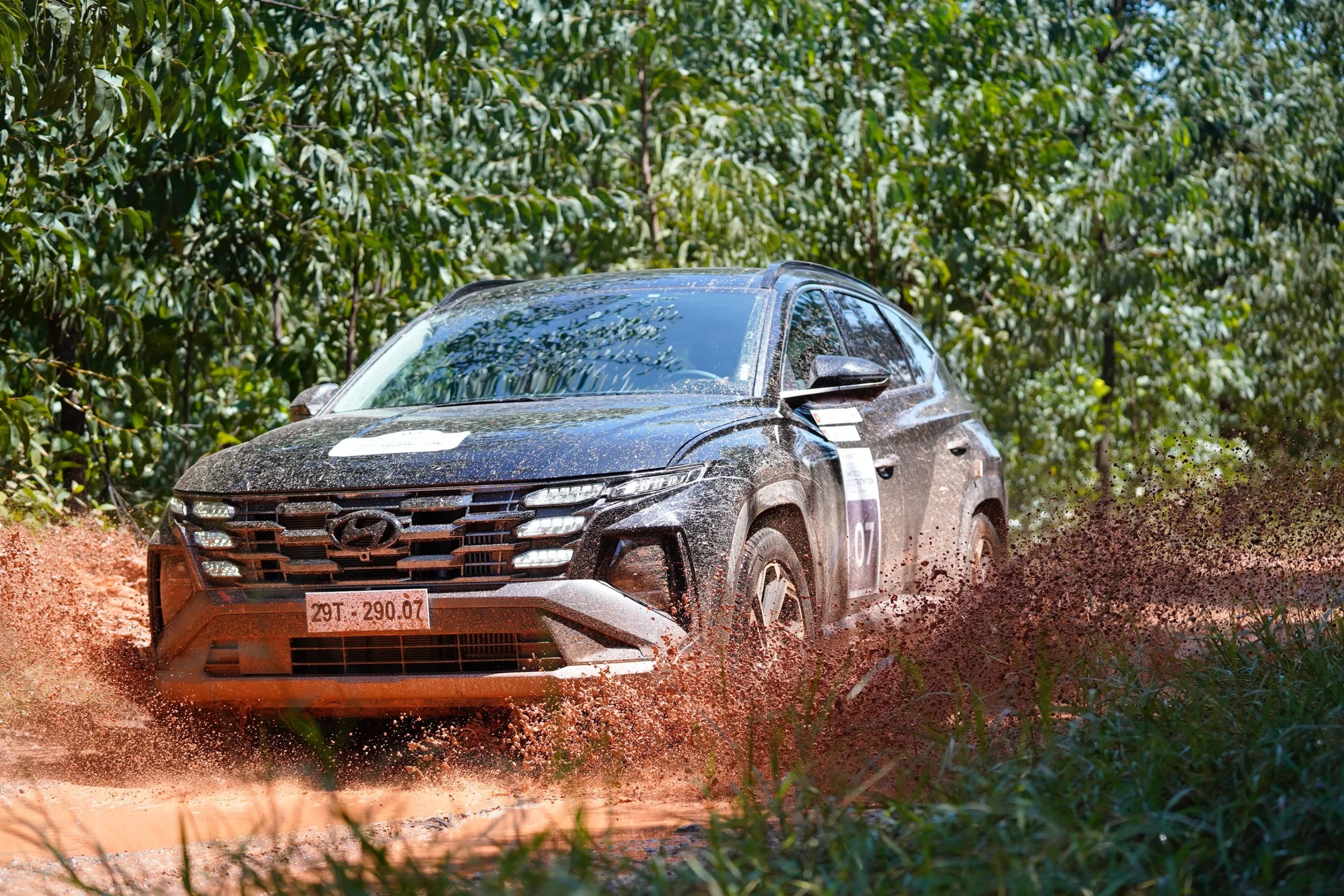
However, it still struggles in the broader B-SUV segment, which is currently dominated by the Toyota Yaris Cross (2,378 units), Mitsubishi Xforce (1,050 units), and VinFast VF 6 (1,042 units). While the Seltos is praised for its cutting-edge technology and design, industry analysts suggest a more aggressive pricing strategy is needed to reclaim its former glory.
Hyundai Tucson: The All-Round Family Favorite
In the C-SUV segment, the Hyundai Tucson remains a beacon of versatility. Unlike the Santa Fe, which has undergone more polarizing design shifts, the Tucson has maintained a neutral, sophisticated look that appeals strongly to family buyers.
While it faces stiff competition from the Mazda CX-5 and Ford Territory, the Tucson remains competitive with a starting price of 769 million VND, often bolstered by dealer incentives ranging from 20 to 50 million VND or significant registration fee supports.
One of the Tucson’s greatest strengths is its engine variety, offering:
- Standard 2.0L Smartstream gasoline engines
- A powerful 1.6L Turbocharged gasoline option
- A rare diesel variant, catering to a specific niche of long-distance drivers who prioritize torque and fuel efficiency.
The Bottom Line
The continued success of the Creta, Sonet, and Tucson proves that there is still a loyal customer base for South Korean cars in Vietnam—buyers who value modern ADAS technology and trend-setting design.
However, the loss of market exclusivity serves as a wake-up call. To compete with the ‘blooming’ Japanese brands and the rapid electrification of the market, Korean manufacturers must refocus on their core values and implement more competitive pricing strategies to win back the Vietnamese consumer.