
Chinese EVs are rapidly gaining ground in South Korea. Explore the rise of BYD and the government’s move to protect local brands. Learn more!
The South Korean automotive landscape is witnessing a seismic shift as Chinese electric vehicles (EVs) accelerate their penetration into the market. Driven by aggressive pricing and massive production scale, Chinese brands—and vehicles manufactured in China—are becoming increasingly attractive to consumers in the Land of the Morning Calm.
BYD’s Explosive Entry into Korea
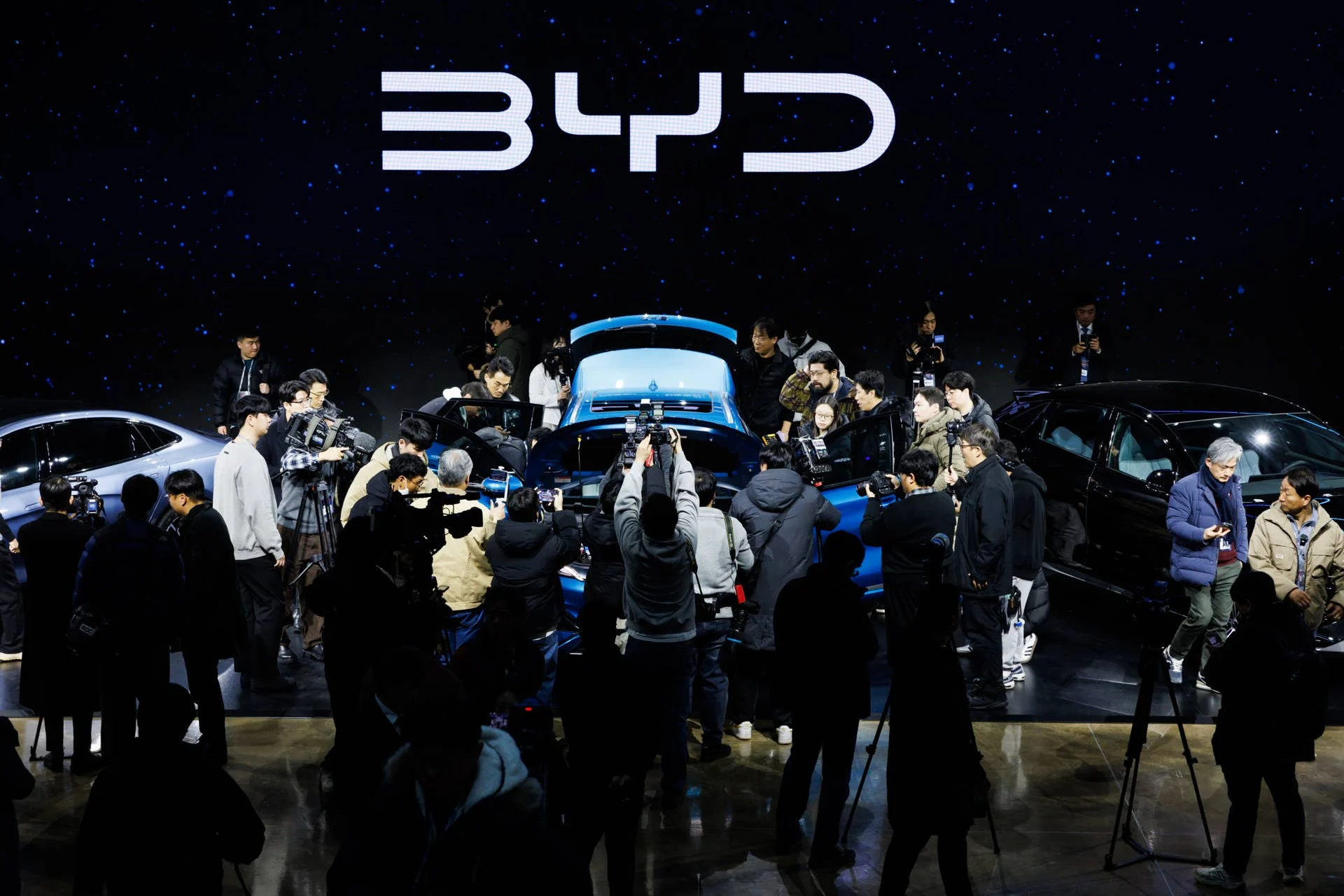
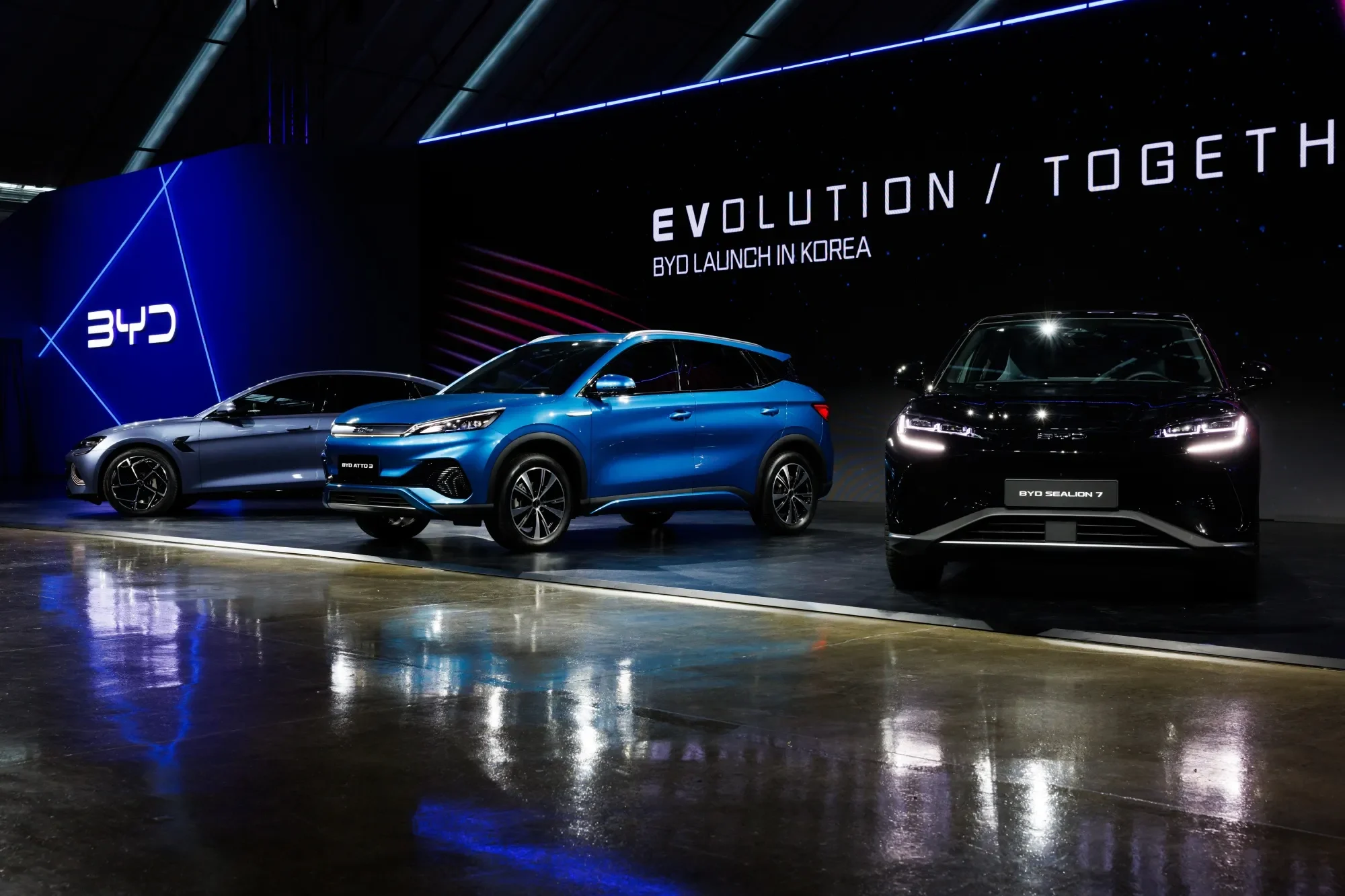
Leading the charge is BYD Korea, which has reported a stunning growth trajectory. According to company data, BYD sold 10,075 vehicles in South Korea by the end of March 2026, achieving this milestone just 11 months after deliveries began on April 14 of the previous year.
Interestingly, the brand’s appeal is strongest among middle-aged consumers. Roughly 65% of BYD’s buyers fall within the 40-50 age bracket, with 79% of total sales coming from individual buyers. This suggests that BYD is attracting pragmatic users who prioritize value and utility over the brand prestige typically sought by first-time car buyers.
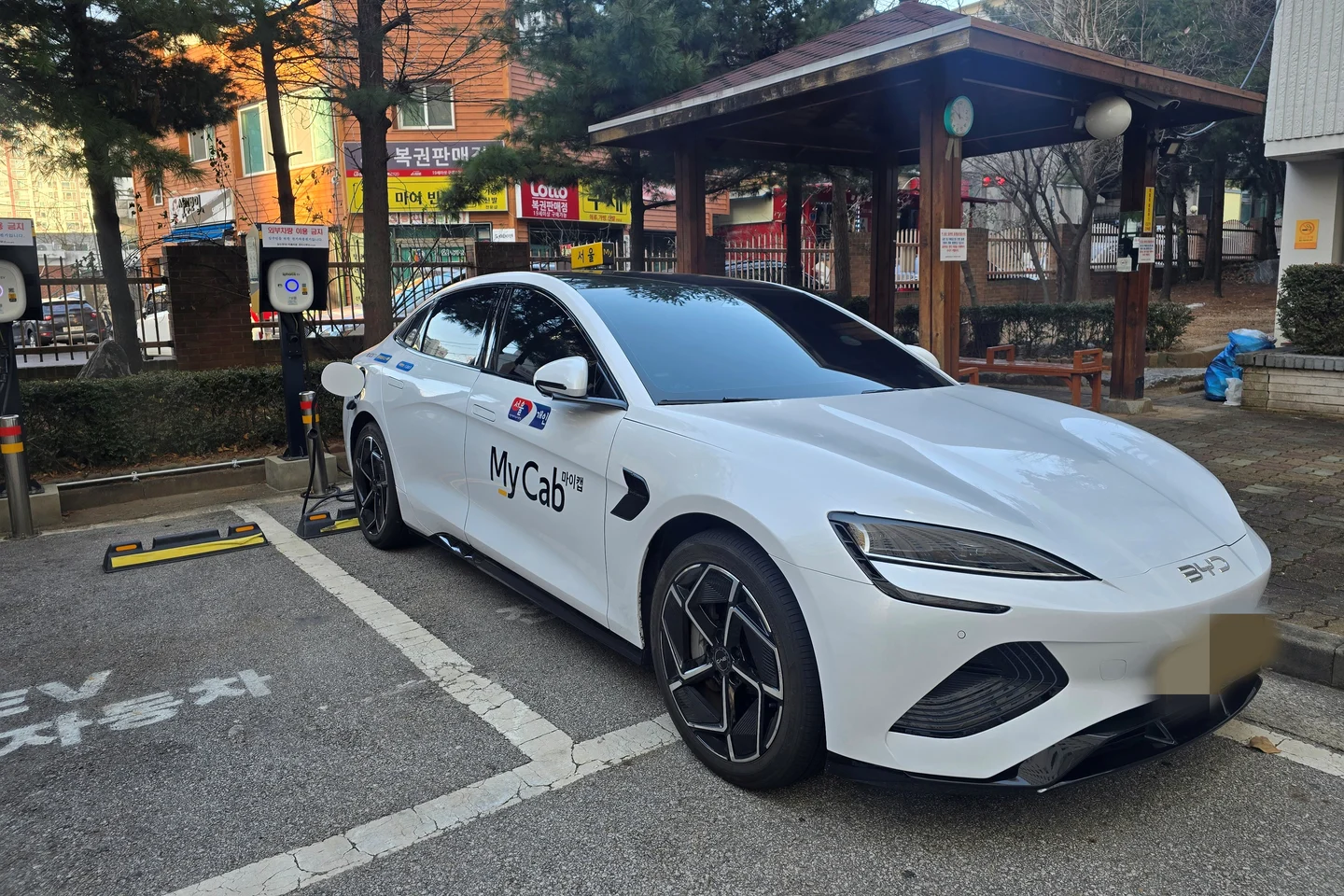
The momentum is only increasing. In 2025, BYD Korea sold 6,107 vehicles over eight months; however, in the first quarter of 2026 alone, they moved an additional 3,968 units. A BYD Korea representative noted that reaching the 10,000-vehicle mark in under a year is the fastest growth rate ever seen for an imported vehicle brand in the region.
Beyond the Brand: The “Made in China” Dominance
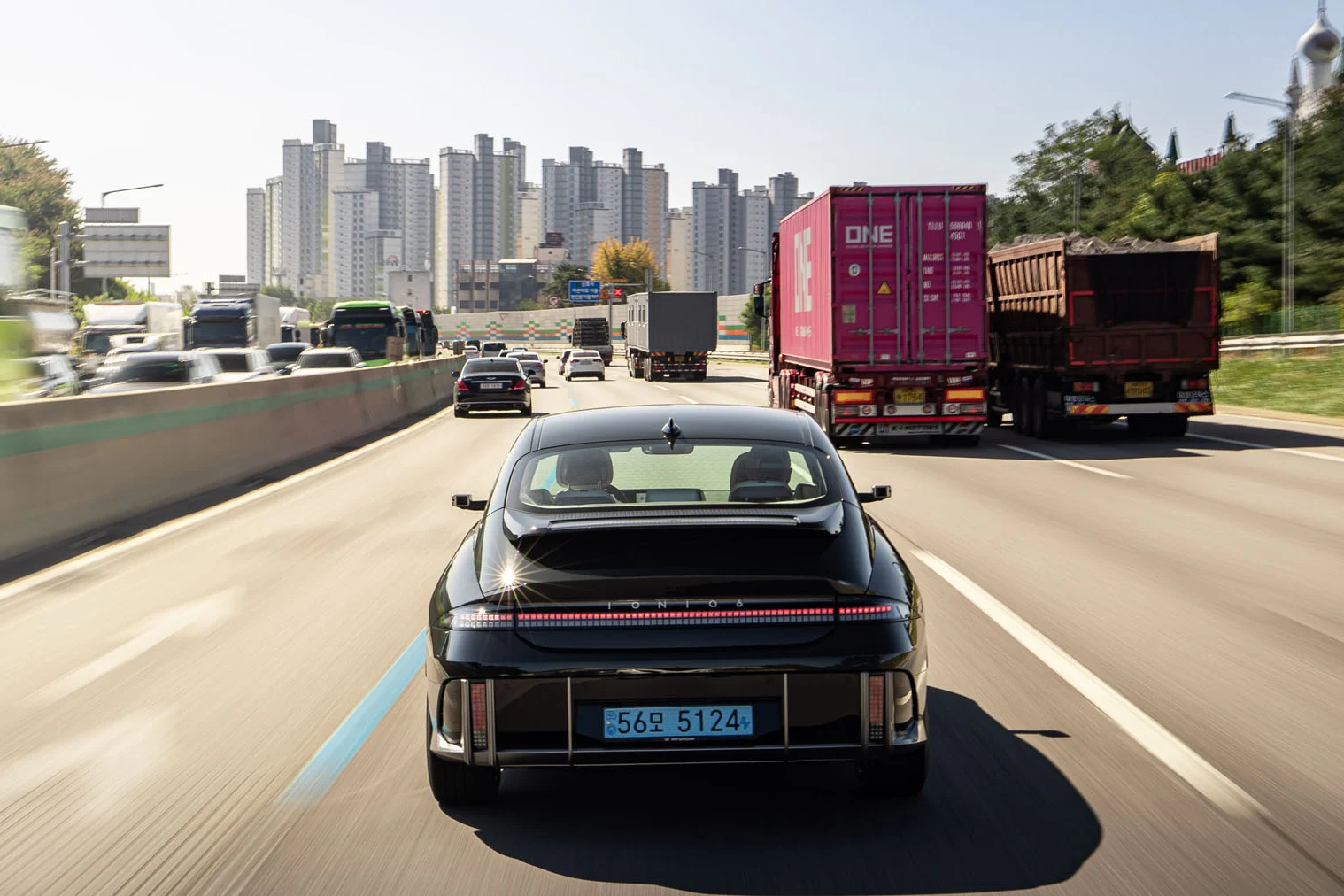
When expanding the definition of “Chinese cars” to include any vehicle manufactured in China, the impact is even more profound. Data from the Korea Automobile & Mobility Association reveals that of the 220,177 new EVs registered last year, 74,728 were produced in China—meaning roughly one in every three new EVs on Korean roads is “Made in China” (33.9%).
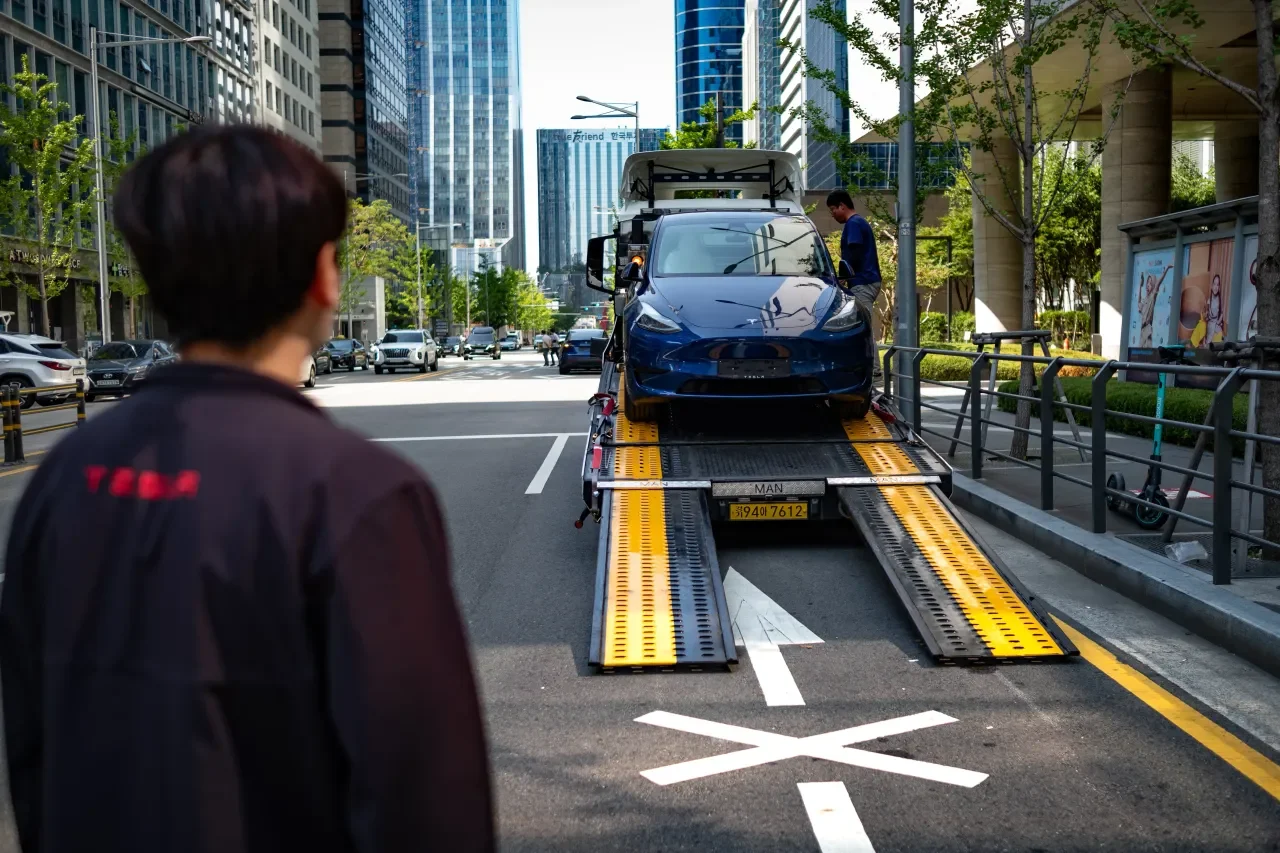
A significant driver of this trend is the Tesla Model Y. As a popular crossover produced in China, its aggressive price cuts have made it a dominant force in the Korean market. Meanwhile, brands like BYD and Polestar are simultaneously creating a sense of caution and curiosity among local buyers.
Economic Drivers and Historical Parallels
The Bank of Korea suggests that rising fuel costs are a primary catalyst pushing consumers toward Chinese-made EVs. The bank drew a parallel to the oil crises of the 1970s, which shifted global demand from large, gas-guzzling cars to compact vehicles, ultimately propelling Japan to become a global automotive superpower.
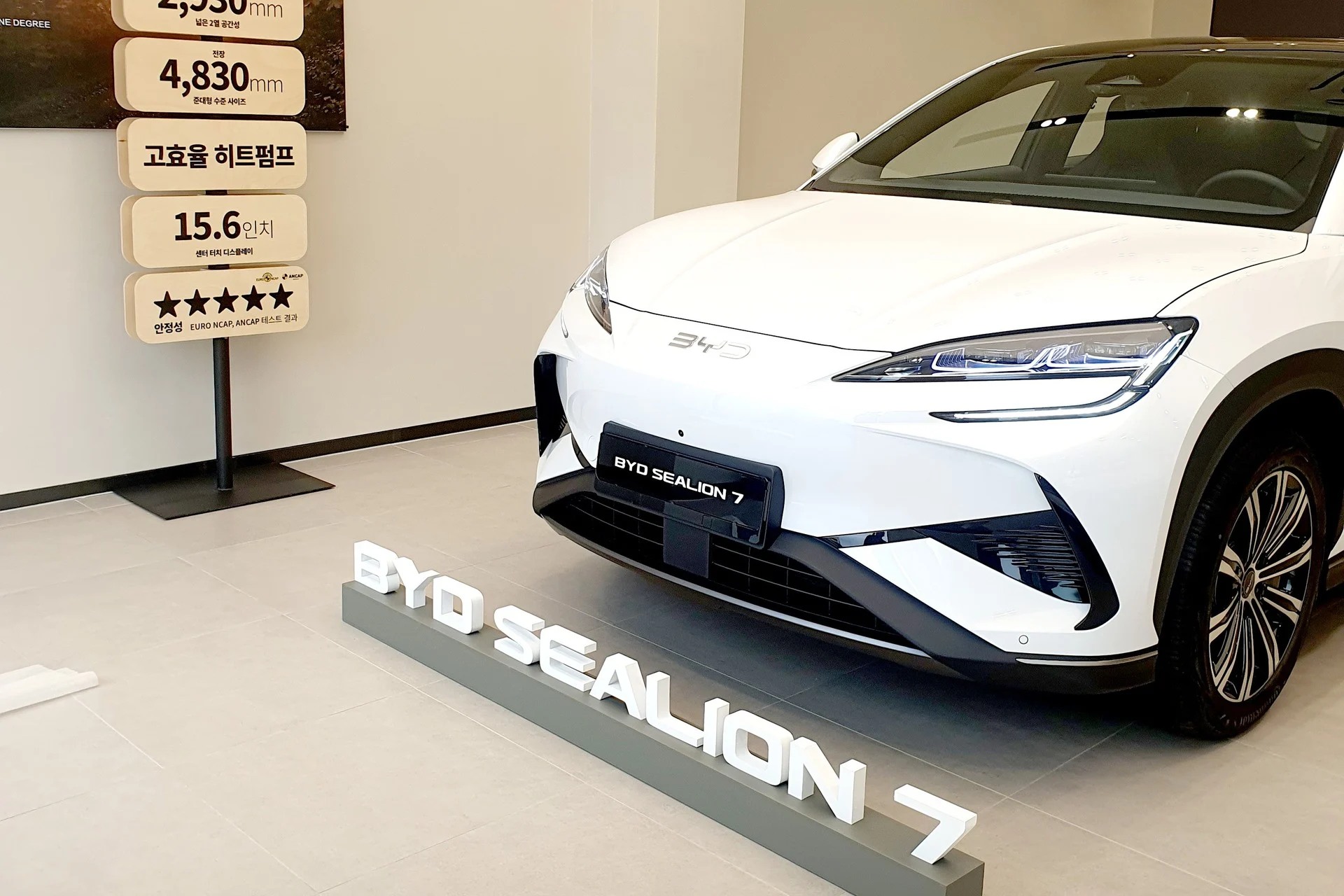
Experts warn that if oil prices remain high and EV demand continues to climb, Chinese manufacturers will likely expand their market share further, leveraging their superior cost structures and manufacturing efficiency.
South Korea’s Protectionist Pivot
In response to this perceived threat, the South Korean government is tightening policies to shield its domestic industry. Starting in 2026, the Ministry of Environment will shift its EV subsidy evaluations from individual models to the manufacturers themselves.
Under the new system, manufacturers must score at least 80 out of 120 points based on a composite set of criteria to qualify for subsidies. These criteria include:
- R&D Investment: Focus on technological development and patent ownership.
- After-Sales Service: The extent of the service network and customer support.
- Local Contribution: Support for domestic suppliers and the rate of local component localization.
Industry insiders point out that this structure heavily disadvantages importers, as patents often remain with the parent company abroad and components are sourced globally. Minister Kim Sung-hwan emphasized that the goal is to ensure taxpayer-funded subsidies support and protect the domestic industrial ecosystem.
A Global Trend of Automotive Protectionism
South Korea is not alone in this approach. Professor Lee Hang-gu of Pyeongtaek University notes that the European Union is implementing similar protective measures as Chinese EVs expand their reach across Europe.
However, Lee warns that protectionism may not be a permanent cure. “Chinese vehicles are still breaking through barriers thanks to their price advantage,” he noted. “Unless Korean automakers can significantly improve their own price competitiveness, they will struggle to remain viable in the long run.”