
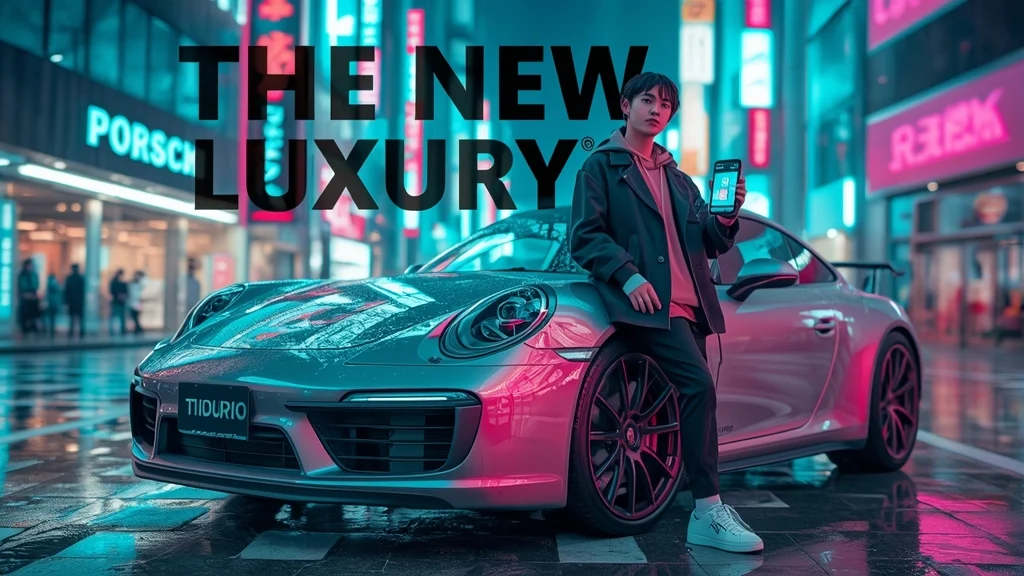
Gen Z in Japan is ditching traditional ownership for co-ownership and rental models to drive Ferraris and Porsches. Discover the trend here!
For many Gen Zers in Japan, the roar of a Ferrari engine or the sleek lines of a Porsche are no longer distant dreams reserved for the ultra-wealthy. While the staggering price tags of these automotive masterpieces remain a barrier, a new generation is finding clever, flexible ways to get behind the wheel without the burden of a massive loan.
The Shift from Ownership to Experience
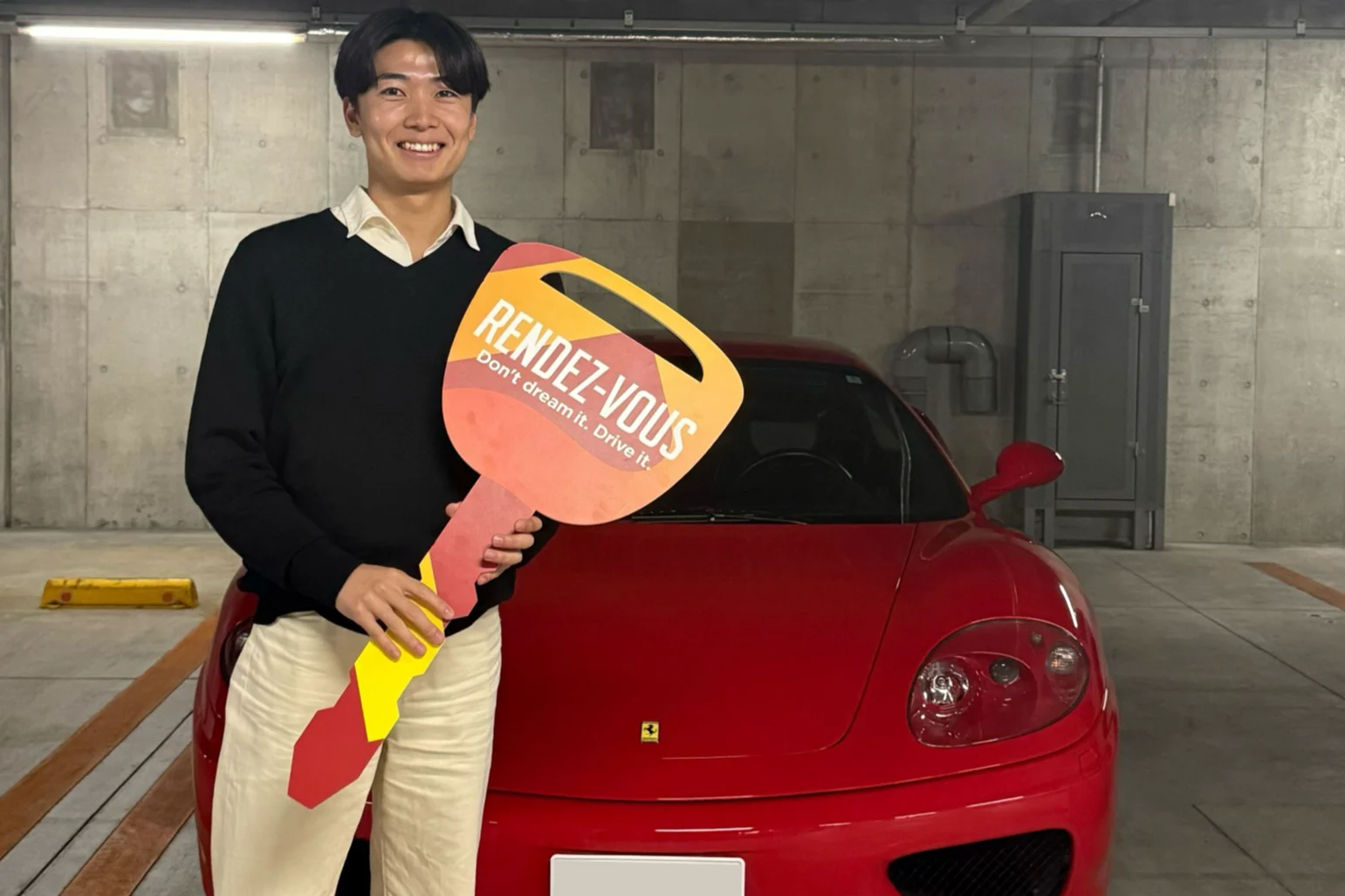
The traditional dream of owning a luxury vehicle outright is being replaced by a modern preference for fractional ownership and peer-to-peer (P2P) rentals. For young Japanese adults in their 20s, the goal is no longer about having a title deed to a car, but about the thrill of the drive and the prestige of the experience.
Fractional Ownership: The ‘Rendez-Vous’ Model
Take Kanji Hiraiwa, a 24-year-old entrepreneur in Tokyo. His heart was set on a rosso corsa Ferrari 360 Modena—a rare gem that ceased production around 2005. With a market price of roughly 16 million yen (approx. $100,800), the car was far beyond the reach of a young startup founder.
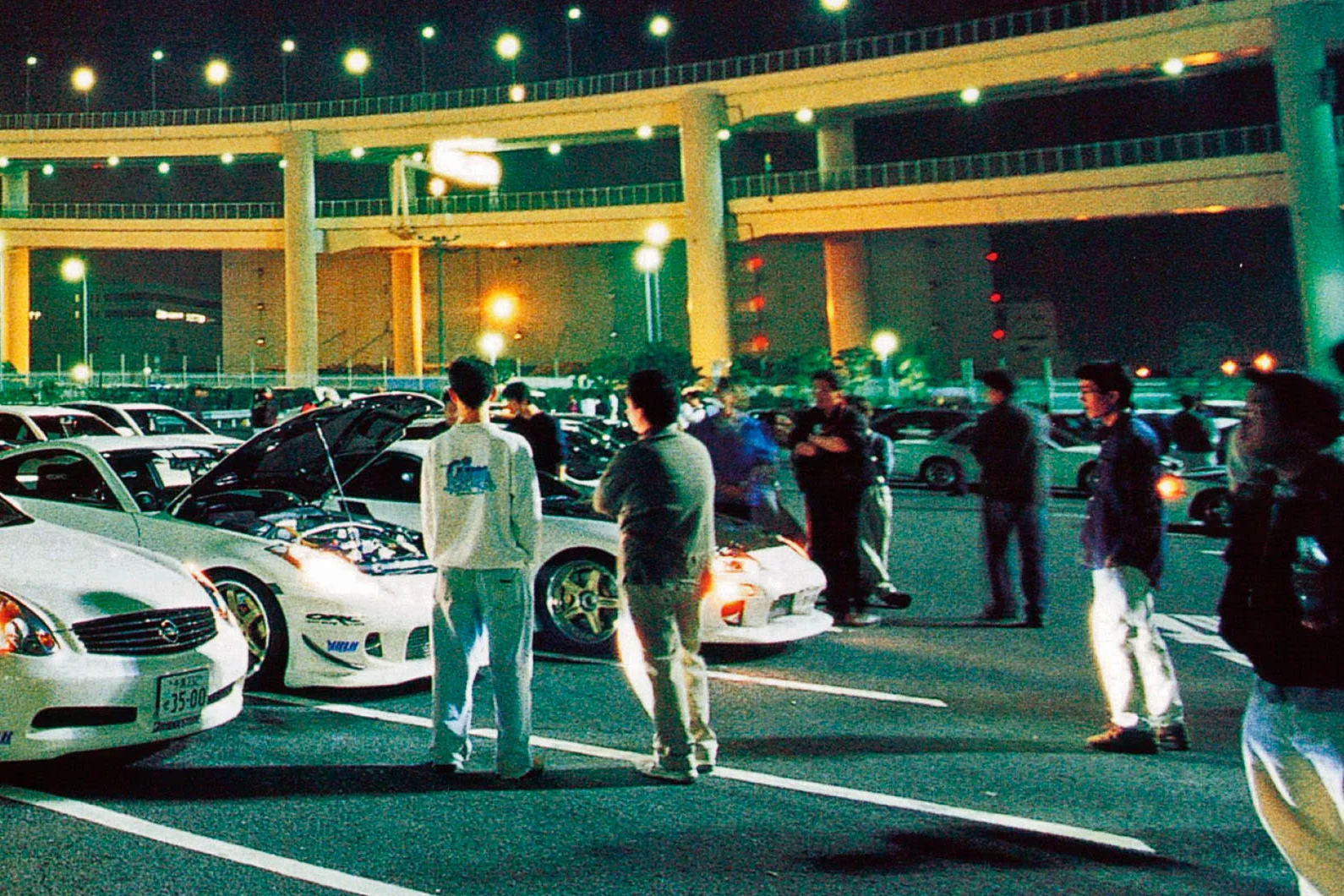
The solution came through Rendez-Vous, a specialized car-sharing service. Instead of one person buying the car, the platform facilitates a co-ownership group—typically five people—who share a luxury vehicle for one year. Here is how the model works:
- Usage Rights: Each member is entitled to use the car for up to 50 days per year.
- Cost Sharing: Users don’t pay the full price; instead, they split the expected annual depreciation, along with maintenance, insurance, taxes, and parking fees.
- Affordability: For instance, if a car depreciates by 3 million yen in a year, each of the five members pays 600,000 yen (approx. $3,800) annually.
This innovative approach has sparked massive interest, with roughly 3,500 people currently on the waiting list. Ryota Asaoka, a representative of Rendez-Vous, notes that the goal is to lower the financial hurdle so that young driving enthusiasts can still enjoy high-performance vehicles.
P2P Rentals: Luxury at Your Fingertips
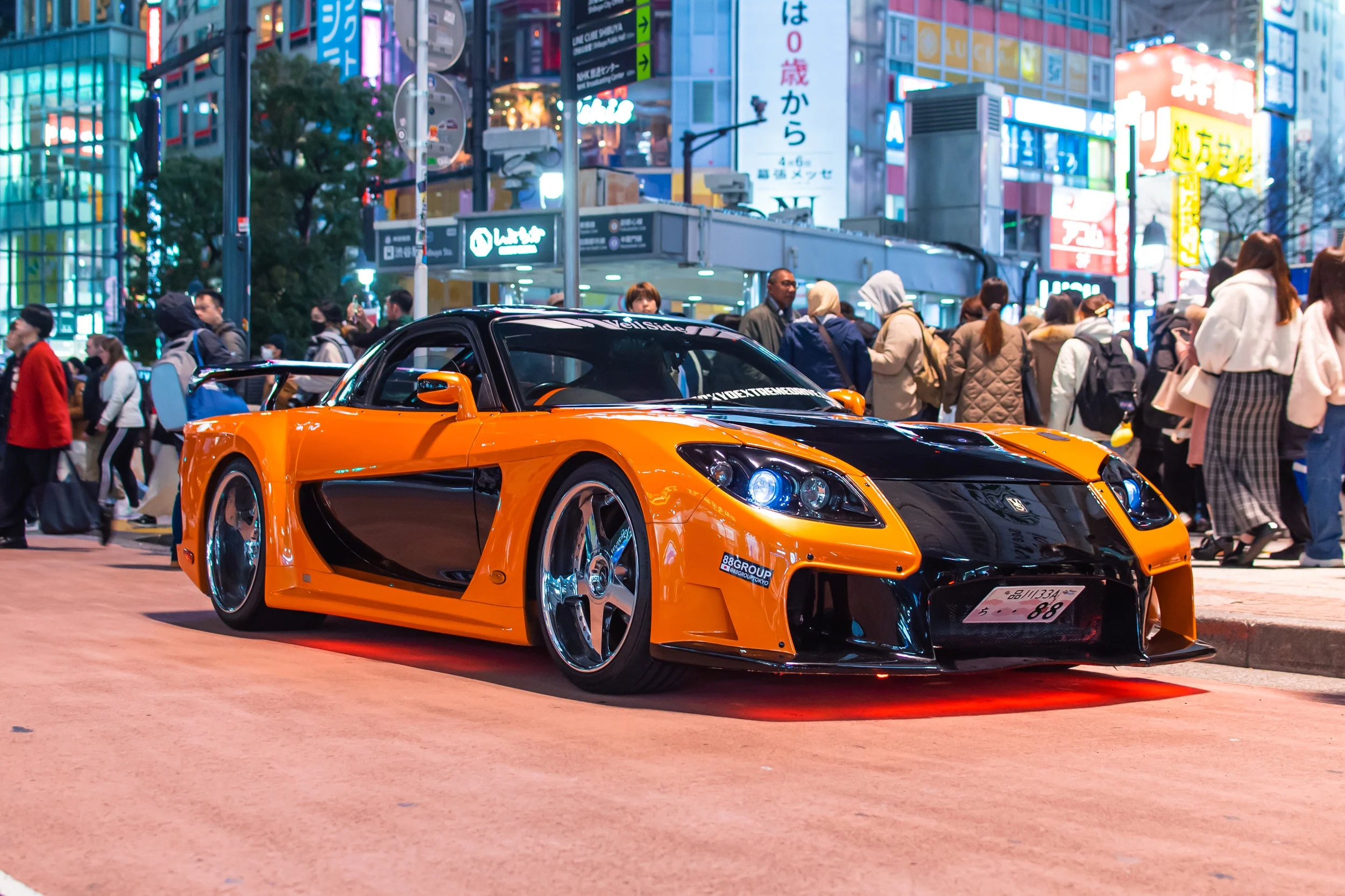
For those seeking even more flexibility, P2P platforms like DriveShare are gaining traction. This app connects private car owners with renters, streamlining everything from vehicle pickup to payment within a single interface.
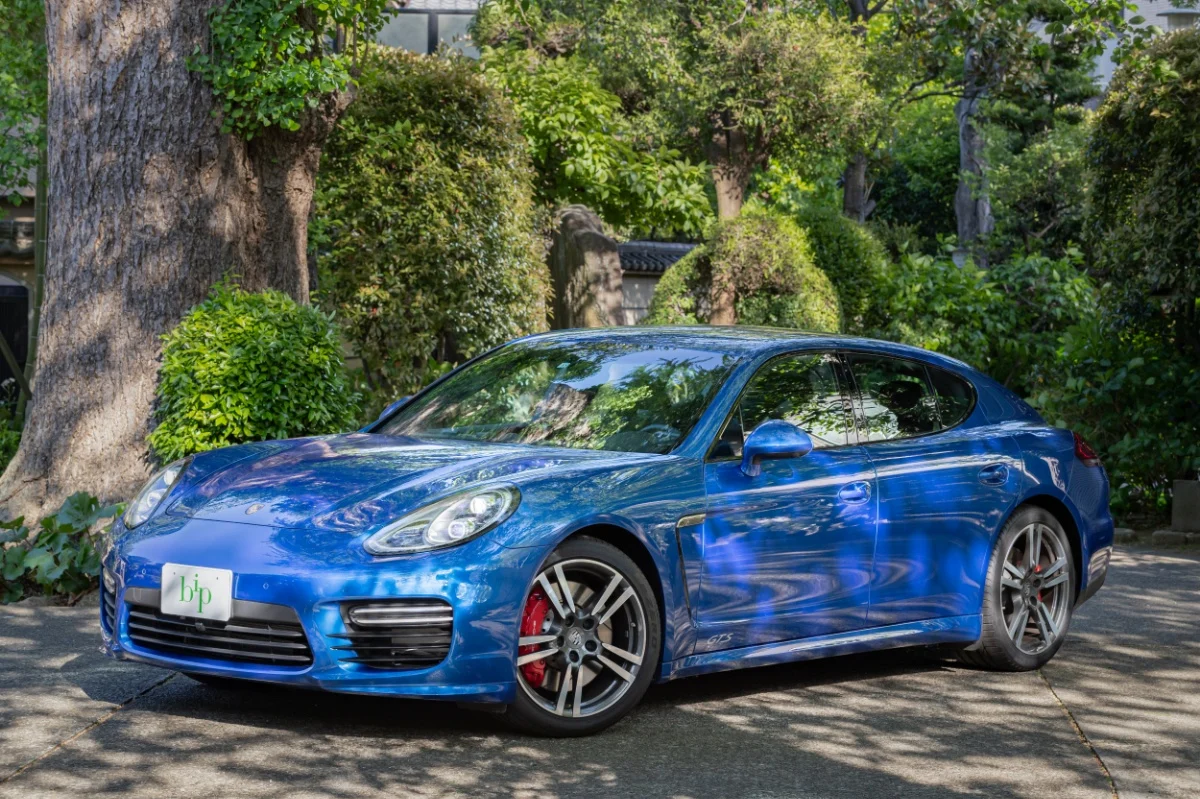
The pricing is surprisingly accessible. A Porsche Panamera can be rented for as little as 13,800 yen (approx. $90) per day. Since its launch in early 2025, DriveShare has recorded 13,500 rentals, with half of its users being young adults in their early 20s.
Why Gen Z is Moving Away from Car Ownership
This trend isn’t just about a love for supercars; it reflects a broader shift in the Japanese socio-economic landscape. Several factors are driving this change:
1. Skyrocketing Costs
The price of entry for any vehicle is rising. Government data shows that the average price of a standard passenger car in Japan reached 3.71 million yen (approx. $23,400) in 2025—a 24% increase compared to 2015. When coupled with high maintenance and parking costs, owning a car has become a financial liability for many.
2. Changing Mindsets
According to a Sony Assurance survey from January 2026, 33% of respondents expressed no intention of ever buying a car. The number of young people obtaining driver’s licenses is also on the decline, as the ‘experience economy’ takes precedence over material possession.
3. Budget-Friendly Alternatives
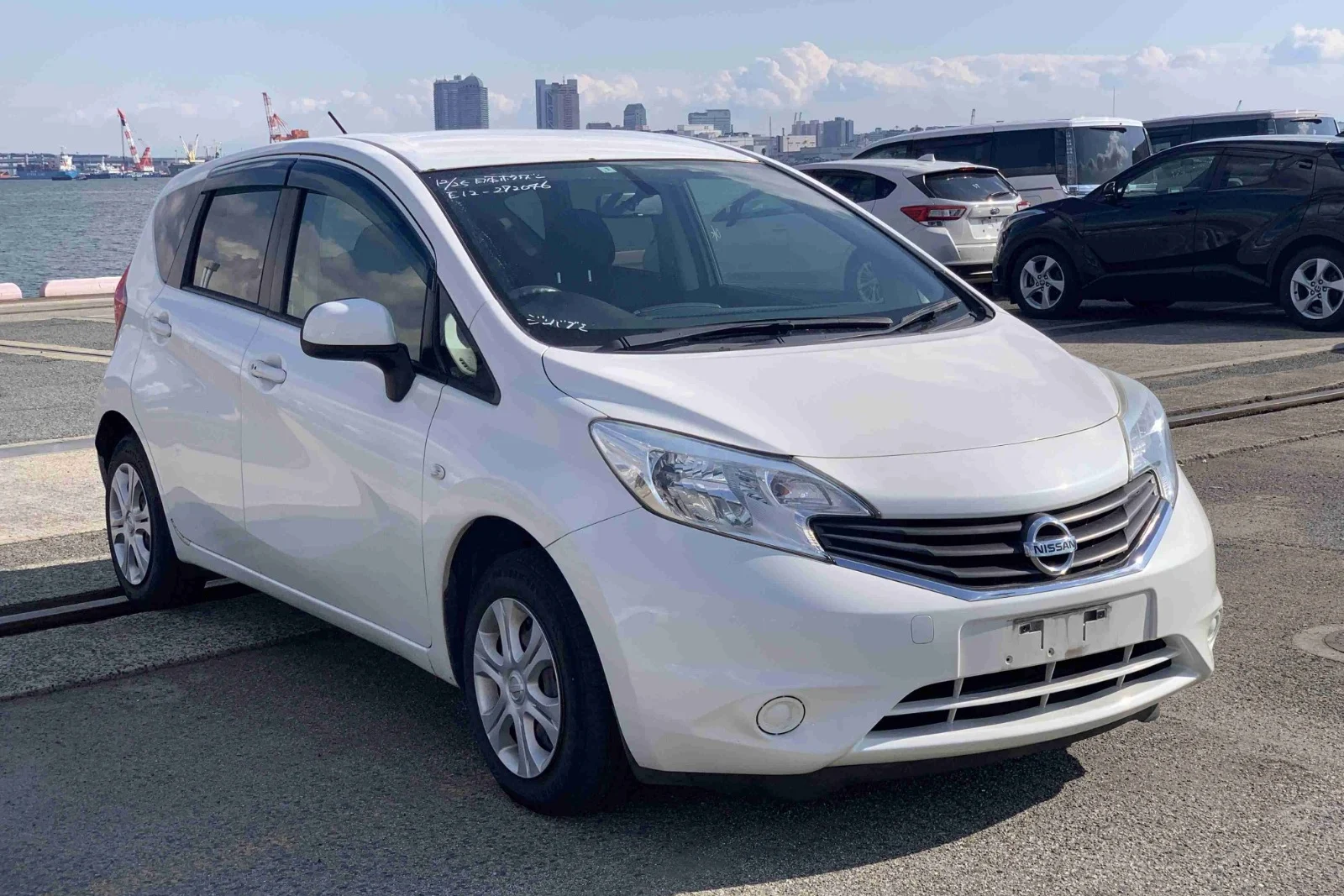
For daily commutes, Gen Z is opting for ultra-low-cost rentals over ownership. Services like All Time Rent-a-Car in Tokyo offer compact models like the Nissan Note or Mazda2 for just 5,980 yen (approx. $40) per 24 hours, including insurance.
Conclusion
Japan’s youth are proving that you don’t need a million-dollar bank account to enjoy a million-dollar lifestyle. By embracing sharing economy models, Gen Z is prioritizing flexibility and experience over the prestige of ownership, paving the way for a new era of automotive consumption.