
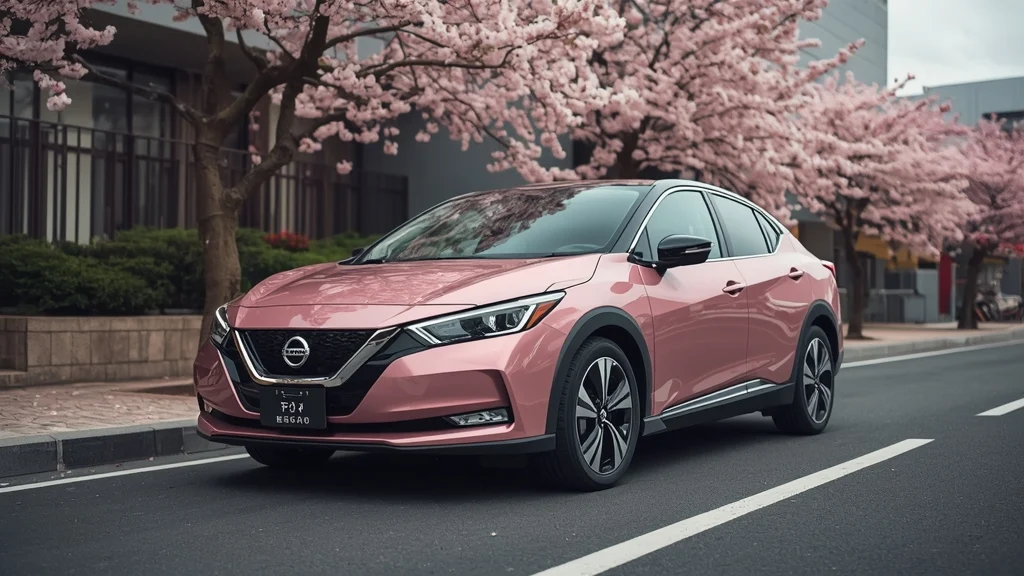
Nissan updates the Sakura, Japan’s top-selling EV, to fend off competition from BYD. See the new features and pricing. Read more!
For four years, the Nissan Sakura has reigned supreme as Japan’s best-selling electric vehicle. However, maintaining the crown requires constant vigilance. As the Japanese market evolves and formidable competitors from China—most notably BYD—prepare to enter the fray, Nissan has introduced a refreshed version of its beloved mini-EV.
The update isn’t a ground-up redesign but rather a strategic refinement. While the Sakura remains fundamentally sound, Nissan recognized that the model was beginning to show its age. The goal is clear: maintain competitiveness in the highly specialized kei-car segment and ensure the Sakura remains the first choice for urban commuters.
Sleek Exterior Refinements
The most noticeable changes are found at the front of the vehicle. The Sakura now features a revised grille painted in the body color, drawing inspiration from its larger sibling, the Nissan Leaf. The front bumper has been reshaped with sharper angles and more prominent vertical elements on the sides, giving the car a more modern, assertive stance.
While the LED headlights and side metallic trim remain unchanged, Nissan has introduced a stunning new color option: Minamono Sakura. Inspired by cherry blossom petals floating on water, this hue is paired with bronze accents and a Sterling silver roof on the top-tier G trim, creating a sophisticated tri-tone appearance.
Note: These aesthetic updates are exclusive to the X and G trims; the entry-level S version retains the original design.
Interior Enhancements and Better Ergonomics
Inside, the Sakura remains familiar but benefits from several functional tweaks aimed at improving the user experience:
- Improved Accessibility: The drive mode switch has been relocated to a more intuitive position.
- Added Convenience: A new cup holder has been added for the front passenger.
- Updated Connectivity: While the 7-inch digital instrument cluster and 9-inch infotainment system remain, the USB Type-C ports have been moved lower on the center console for a cleaner look.
More Value in the Mid-Range
Nissan has also boosted the value proposition of the mid-range X trim. Several previously optional features are now standard, including:
- Intelligent Around View Monitor (360-degree camera).
- Heated front seats and a heated steering wheel.
- Automatic locking/unlocking functions.
- Rear-seat occupancy reminders.
- Optional 1,500W AC power outlet.
Performance and Range
Under the hood, the Sakura’s powertrain remains consistent. It continues to use a single electric motor producing 63 horsepower and 195 Nm of torque. The 20 kWh lithium-ion battery provides a range of up to 180 km (approx. 112 miles) based on the WLTC cycle—more than enough for the tight streets of Tokyo or Osaka.
Pricing and the Battle for the Kei-Car Crown
The updated Sakura is available for order in Japan, with deliveries starting this summer. Pricing is structured to be highly accessible:
- X Trim (Standard): 2,448,600 yen (~$15,400)
- G Trim (Premium): 2,998,600 yen (~$18,900)
Crucially, after applying Japan’s clean energy subsidies (approximately 580,000 yen), the starting price drops to roughly 1,870,000 yen (~$11,800). This aggressive pricing is designed to lure traditional gasoline-powered kei-car owners toward electrification by emphasizing lower operating costs amidst rising fuel prices.
The Looming Threat: BYD and Beyond
Nissan is acting now because the landscape is about to get crowded. By 2026, the small EV market in Japan will be a battlefield. Domestic rivals like the Mitsubishi eK X EV and Honda’s N-One e: and N-Van e: are already in play.
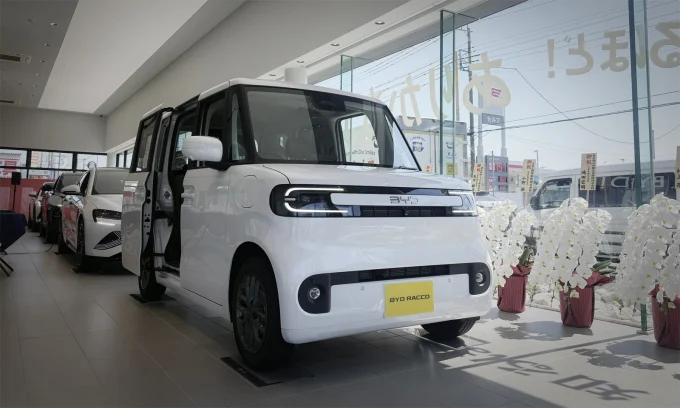
However, the biggest threat is the BYD Racco. This Chinese-made wagon is specifically designed for the Japanese market and is expected to start around 2.6 million yen (~$17,000). As BYD leverages its global battery dominance to enter Japan, Nissan’s decision to refresh the Sakura is a necessary defensive maneuver to protect its home turf.