
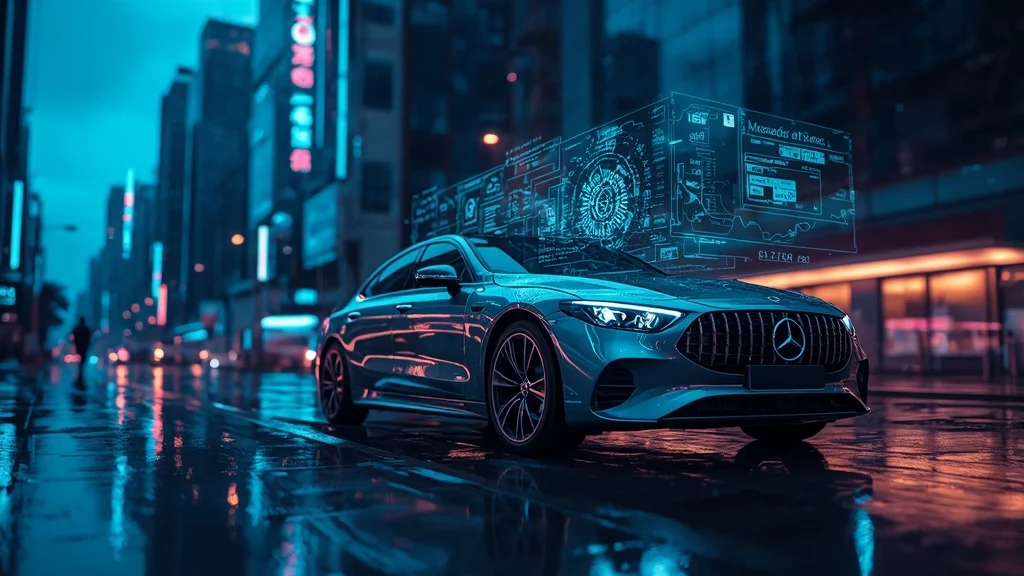
Investors warn Mercedes-Benz is losing ground in China as buyers prioritize tech over prestige. See how the brand plans to fight back. Read more!
For decades, the three-pointed star has been the ultimate symbol of status and success in China. However, a shift in consumer psychology is sending shockwaves through the halls of Stuttgart. Investors are now sounding the alarm, warning that Mercedes-Benz’s rigid adherence to a “luxury-first” strategy may be leaving the brand in the rearview mirror as Chinese consumers pivot from brand prestige to cutting-edge technology.
The Clash of Values: Prestige vs. Innovation
According to recent reports from Reuters, shareholders are putting intense pressure on Mercedes-Benz to overhaul its recovery plan in China. The core of the issue? A growing disconnect between what the brand offers and what the modern Chinese driver wants.
In a market that is evolving faster than any other in the world, the traditional pillars of German engineering—comfort, heritage, and exclusivity—are being overshadowed by software-driven experiences. Investors argue that by focusing too heavily on the ultra-luxury segment, Mercedes-Benz is failing to recapture the broader market.
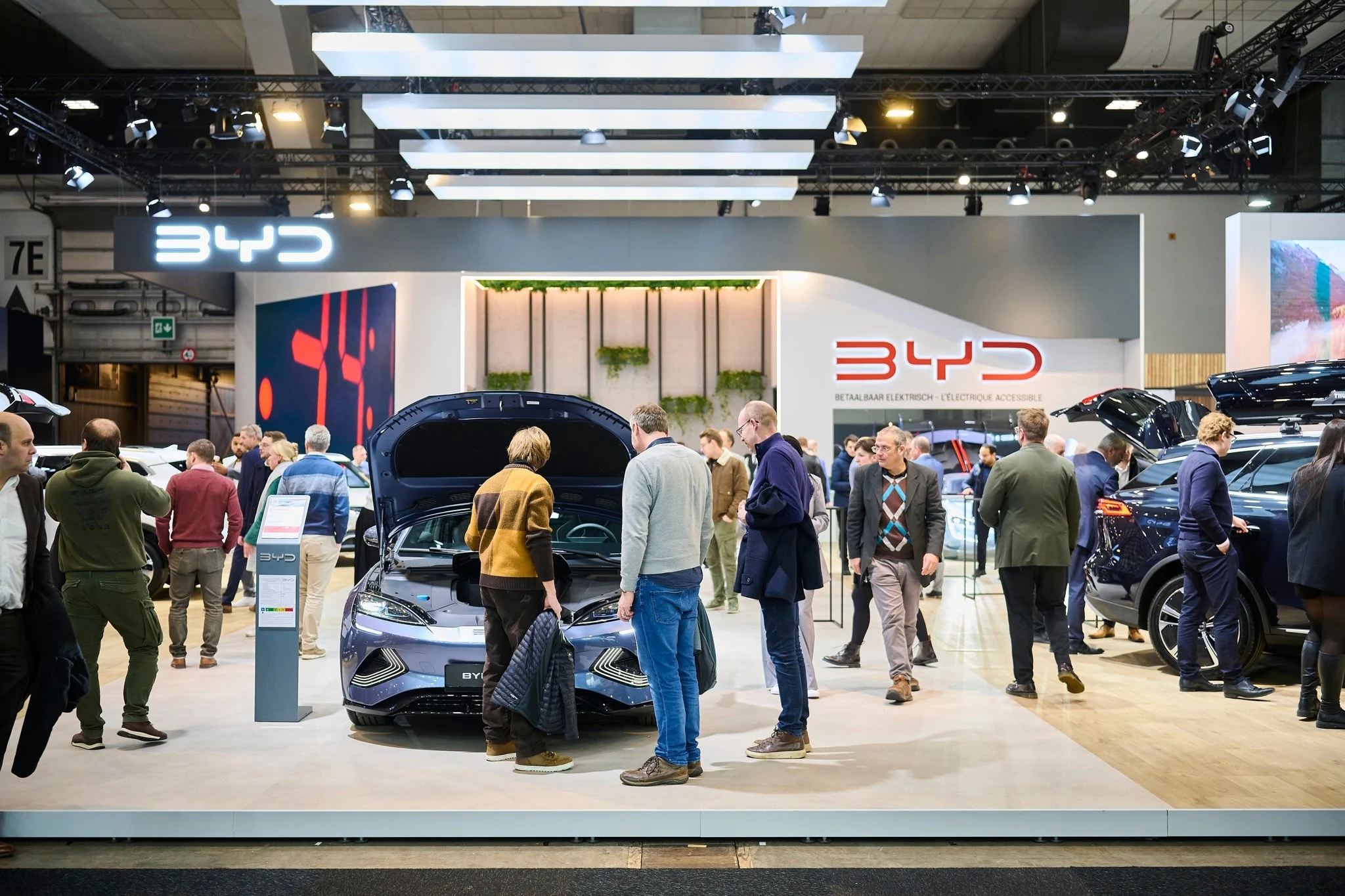
Rising Competition from Local Titans
The battle for the road in China is no longer just between the “German Big Three” (Mercedes-Benz, BMW, and Audi). Domestic powerhouses like BYD, NIO, and Li Auto have disrupted the status quo. These brands are gaining massive market share by offering:
- High-Tech Integration: Advanced AI assistants, seamless connectivity, and superior infotainment systems.
- Competitive Pricing: Premium electric vehicles (EVs) that offer luxury features without the prohibitive price tag of European imports.
- Rapid Iteration: A software-first approach that allows for frequent over-the-air updates, keeping the cars feeling “fresh.”
A “Top-Down” Strategy That May Be Outdated
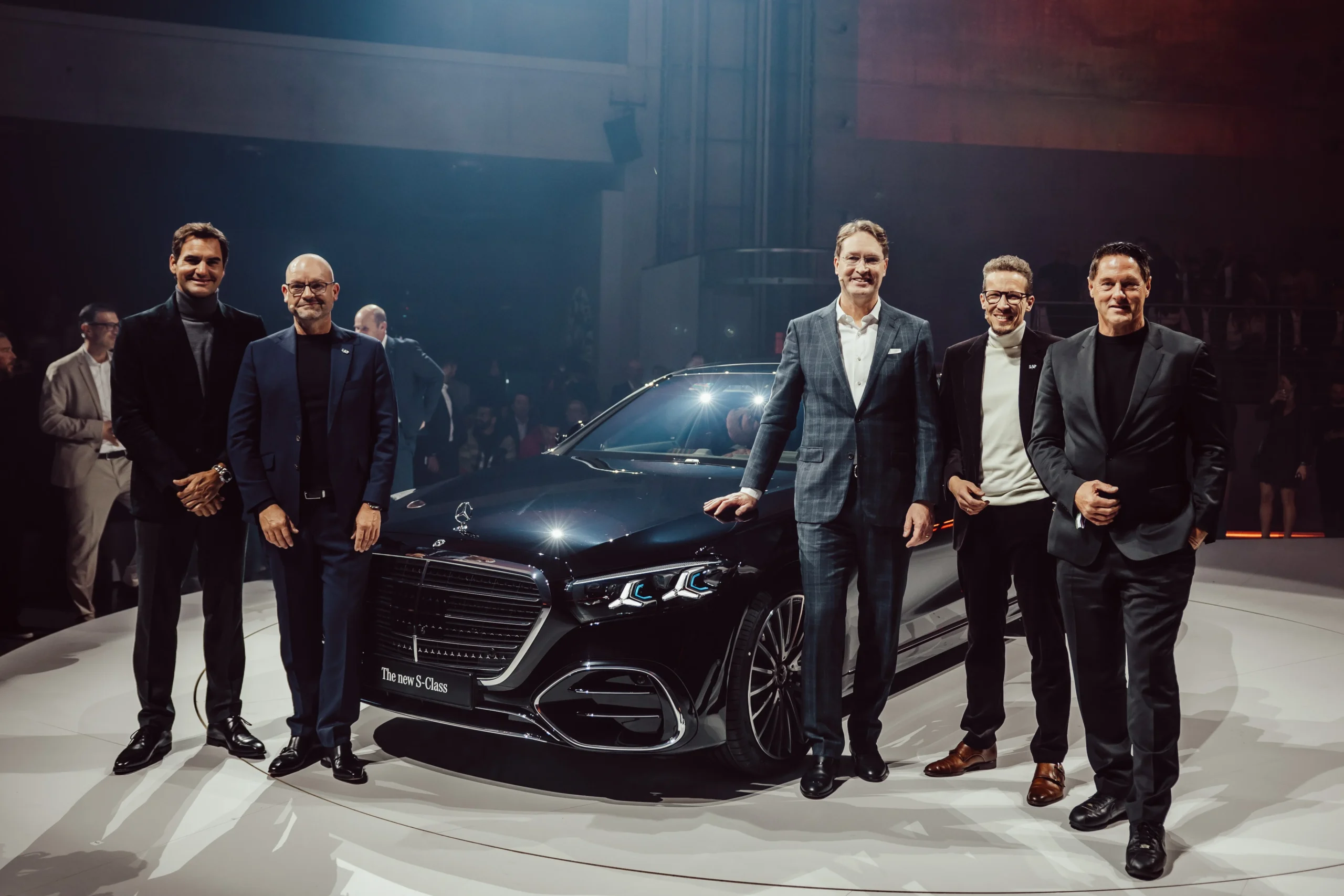
During the annual shareholders’ meeting, critics pointed out a fundamental flaw in the company’s product rollout. Moritz Kronenberger of Union Investment, one of the top 20 shareholders, highlighted that Mercedes-Benz has historically approached the market from the top down—starting with the flagship S-Class and trickling technology down to lower models.
“Customers in China today buy innovation, not tradition,” Kronenberger remarked. “Anyone who isn’t a technology leader will become a symbol of a bygone era.” This sentiment was echoed by Tanja Bauer of Deka Investment, who cautioned against the risks of focusing too narrowly on the luxury niche while the mass market evolves.
The Road to Recovery: A Massive Tech Offensive
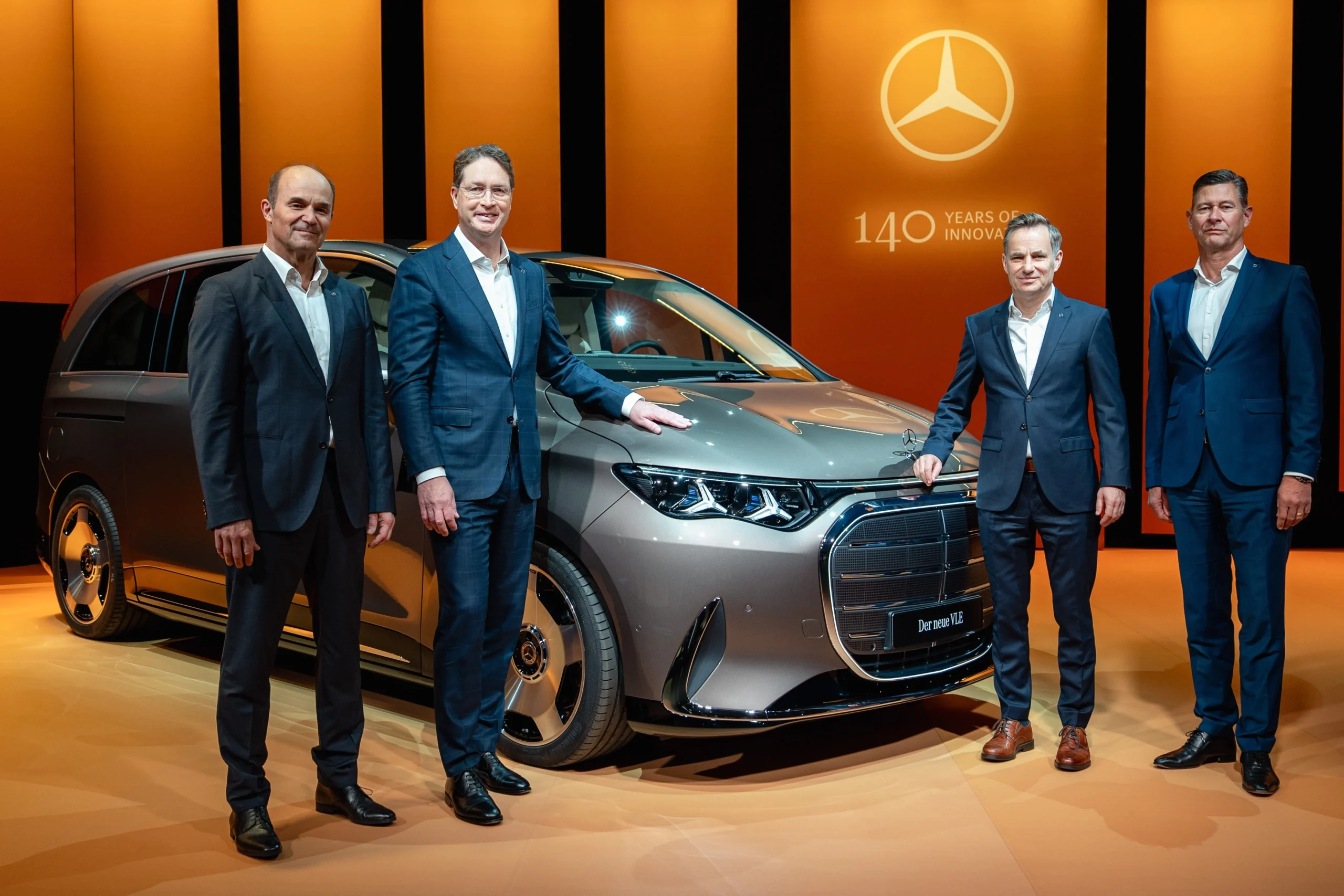
Mercedes-Benz isn’t standing still. CEO Ola Kaellenius has announced what he describes as the “largest product and technology offensive in the group’s history.” The company’s strategy to regain momentum includes:
- Product Expansion: The launch of seven new models specifically tailored for the Chinese market by 2027.
- Strategic Partnerships: Collaborating with the Chinese tech firm Momenta to develop advanced driver-assistance systems (ADAS) that meet local preferences.
- Localized Development: Increasing R&D investment within China to accelerate innovation cycles.
The Hard Truth in the Numbers
Despite the ambitious plans, the data paints a sobering picture. Mercedes-Benz saw its sales in China plunge by 19% last year, dropping to 552,000 units. The downward trend continued into the first quarter of the year with a further 27% decline.
CFO Harald Wilhelm has stated that the company has set “clear, ambitious, yet realistic” targets, aiming for annual sales between 500,000 and 600,000 vehicles in the medium term. Whether these goals are achievable will depend on one thing: how quickly Mercedes-Benz can transform itself from a traditional luxury car maker into a tech-driven mobility company.