
General Motors indefinitely pauses next-gen EV truck projects, pivoting toward PHEVs and EREVs. Discover how GM is adapting to the EV market shift.
General Motors (GM) is reportedly scaling back its ambitious electric vehicle (EV) roadmap. According to a report from Crain’s Detroit Business, the American automotive giant has decided to indefinitely postpone the development of its next-generation large-scale electric vehicles.
A Strategic Pause for Heavy-Duty EVs
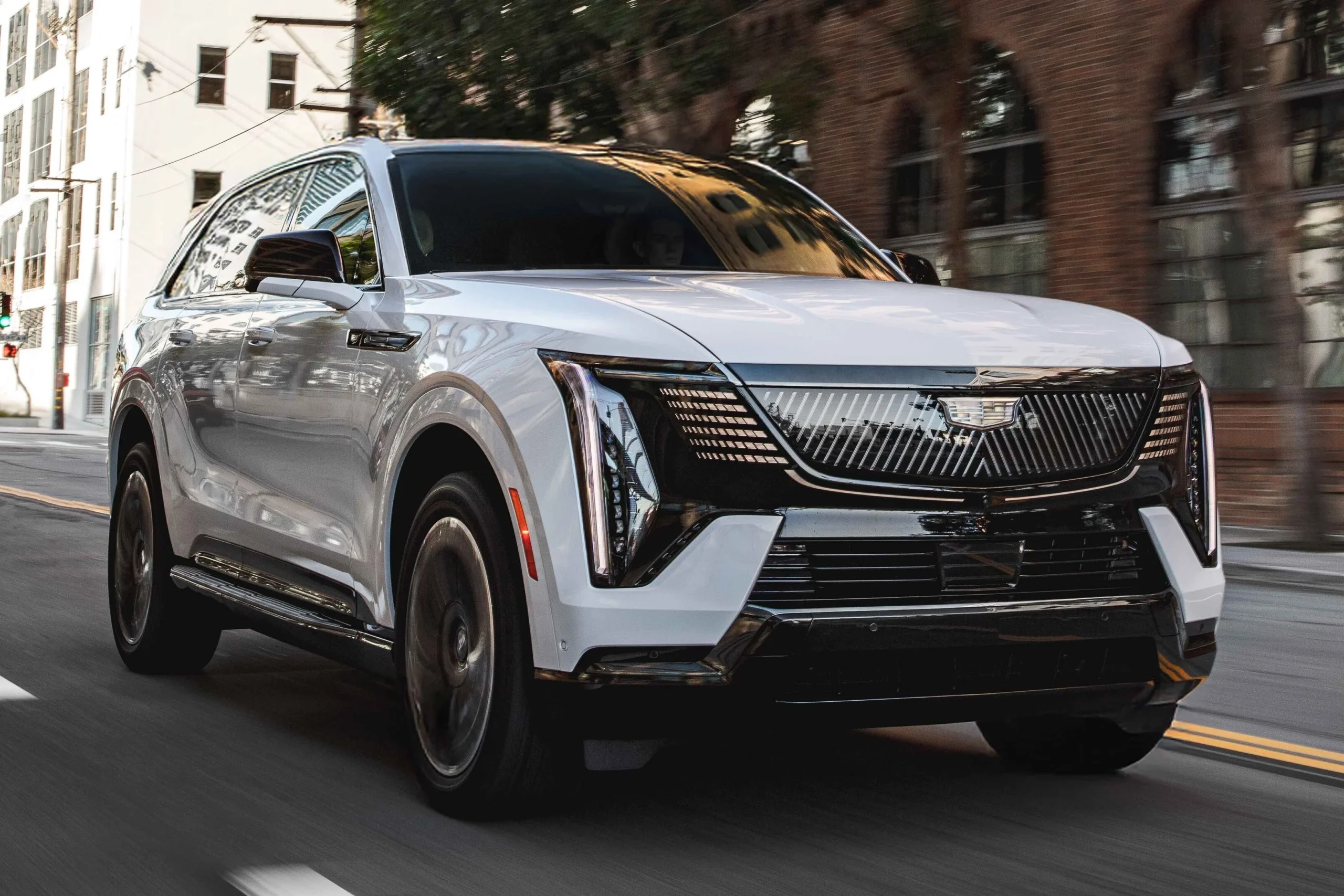
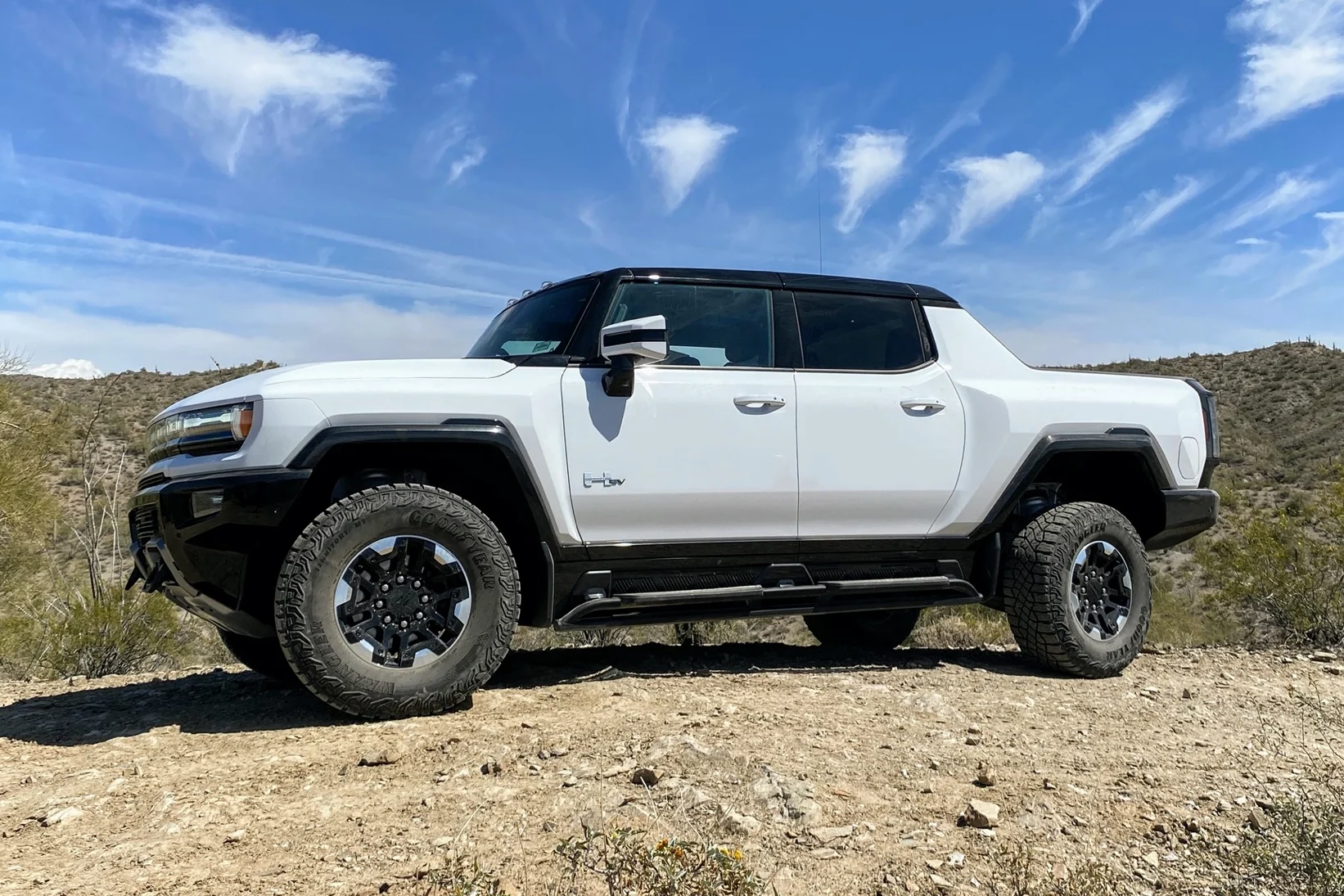
The affected programs primarily target the successors to the GMC Sierra and Chevrolet Silverado electric trucks, which were originally slated for production starting in 2028. This shift comes as a blow to GM’s previous goals of developing more affordable, high-volume EV versions of its flagship lines, including the Sierra, Silverado, Cadillac Escalade IQ, and the GMC Hummer EV.
Industry suppliers have already been notified that these programs are on hold, with no new timeline provided for their resumption. This internal pivot reflects a broader trend of caution across the automotive sector as the initial surge of EV adoption cools.
Market Reality Hits Factory Zero
The impact of slowing EV demand is already being felt on the ground. GM’s Factory Zero in Detroit—the hub for its electric truck production—recently implemented short-term furloughs, with some workers taking a month-long leave. This move highlights the gap between aggressive production targets and the actual pace of consumer adoption in the current economic climate.
The Pivot: PHEVs and the Rise of EREVs
Rather than abandoning electrification entirely, GM is diversifying its approach. The company is reportedly shifting focus toward two alternative technologies to bridge the gap for consumers who aren’t ready to go fully electric:
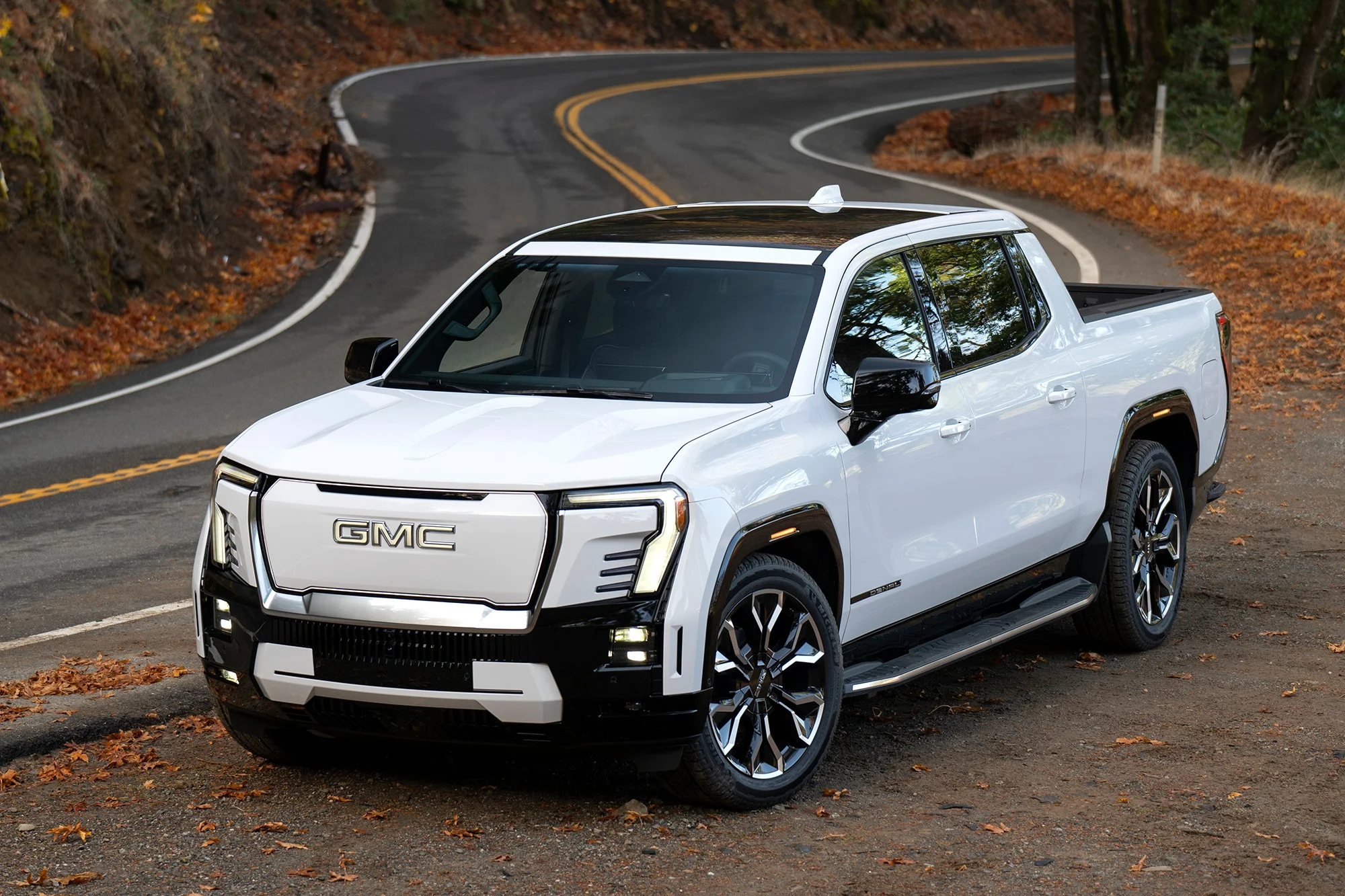
- Plug-in Hybrids (PHEVs): GM is planning to develop PHEV versions of the Silverado and Sierra. These will be produced at a Michigan plant that already handles internal combustion engine (ICE) trucks, allowing the company to leverage existing infrastructure while offering a low-risk transition for buyers.
- Extended Range Electric Vehicles (EREVs): GM is collaborating with suppliers to integrate EREV technology. Unlike a traditional hybrid, an EREV uses a small internal combustion engine primarily as an onboard generator to recharge the battery, effectively eliminating “range anxiety”—one of the primary barriers for potential EV buyers.
A Broader Industry Trend
GM is not alone in this strategic retreat. In a similar move, Ford recently confirmed the cancellation of its second-generation all-electric F-150 Lightning project, opting instead to replace it with an EREV configuration.
When asked for comment, a GM spokesperson stated that the company has “not announced any specific plans or timelines” regarding next-generation electric pickups and declined to comment on further media speculation.
As the industry grapples with infrastructure challenges and shifting consumer preferences, the move toward PHEVs and EREVs suggests that the road to a fully electric future will be more gradual—and more hybrid—than previously anticipated.