

Japan’s auto industry saw a record 111,513 reverse‑imported vehicles in 2023, driven by low‑cost production in India. Learn the shift now!
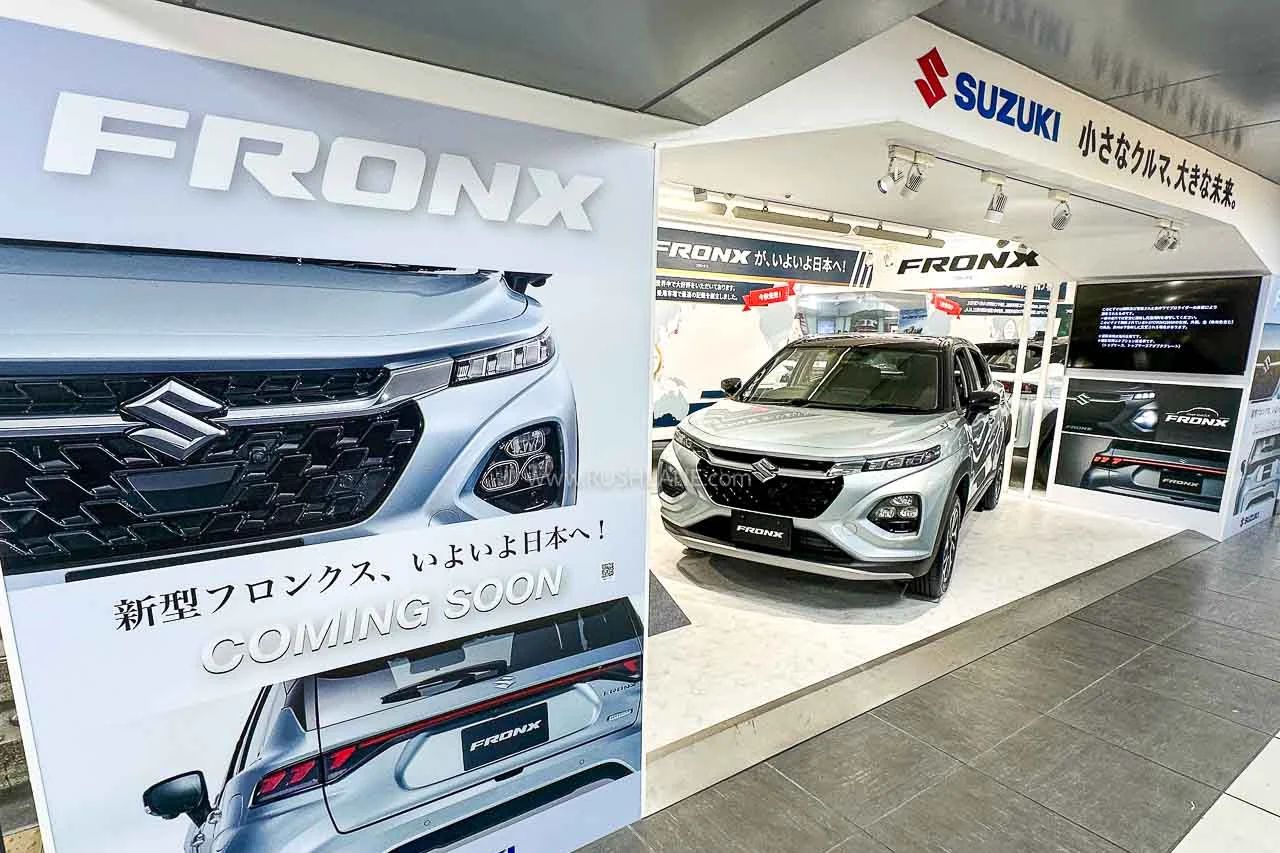
For the first time in three decades, Japan’s automotive sector has broken a long‑standing record for “reverse imports” – vehicles built overseas by Japanese brands and then shipped back to the domestic market. According to the Japan Automobile Importers Association, 111,513 such cars entered the country in 2023, a 19% jump from the previous year and the highest level since 1995.

Suzuki Leads the Surge
Suzuki topped the list with 43,266 units, a seven‑fold increase over 2022. The surge is fueled by the compact Fronx SUV, produced at Suzuki’s Indian plant and launched locally in 2024. By April 2025, the company will also bring the four‑wheel‑drive Jimny Nomade from India, capitalising on lower wages and production costs to offer competitive pricing in the Japanese market.
Honda Holds Strong Despite a Dip
Honda ranked second, importing 37,022 reverse‑built cars, although this marks an 18% decline from the prior year. Since 2024, Honda has been receiving the WR‑V sub‑compact SUV from India. Looking ahead, the automaker plans to import its all‑electric model, the 0 Alpha, from Indian factories starting in fiscal year 2027.

Traditional Giants See the Drop
Both Nissan and Toyota experienced sharp falls, each seeing a 33% reduction – Nissan at 9,595 units and Toyota at 9,587 units. The decline reflects a strategic pivot rather than a loss of confidence.
New Wave of US‑Made Imports
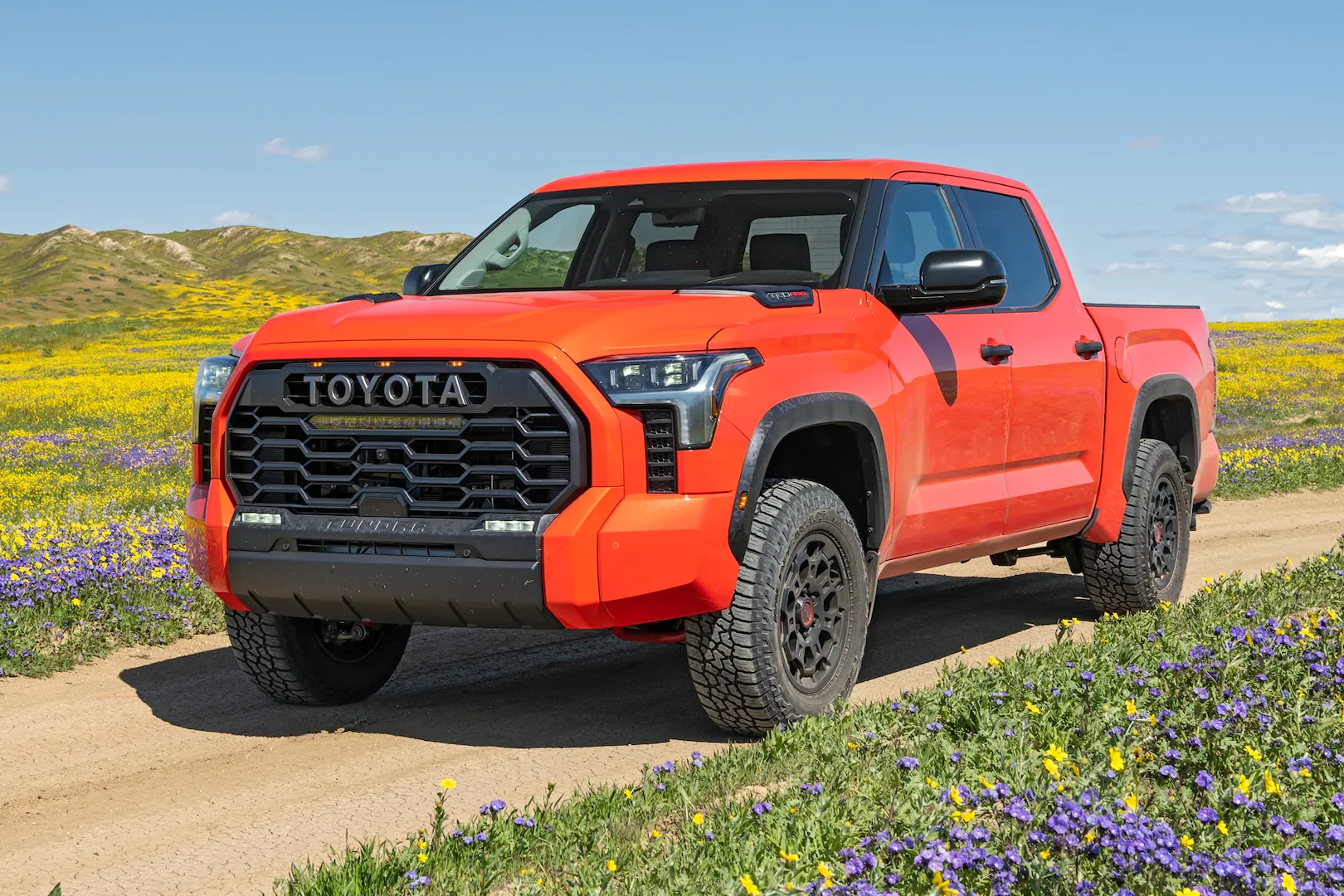
In a surprising turn, Toyota announced last month that it will begin importing three US‑built models – the Camry, Tundra and Highlander – for sale in Japan later this year. The move coincides with the Japanese government’s plan to streamline certification procedures for American‑made cars, following recent trade talks with Washington.
Nissan and Honda are also evaluating similar reverse‑import strategies, eyeing select US models to broaden their domestic offerings.
Why the Shift Matters
The growing reliance on low‑cost production hubs such as India signals a broader globalization of Japan’s automotive supply chain. Reverse imports are evolving from a temporary workaround into a long‑term component of manufacturers’ pricing and distribution strategies.
As Japanese brands continue to balance domestic expectations with global cost efficiencies, the trend of bringing overseas‑built cars home is set to reshape the market landscape for years to come.