
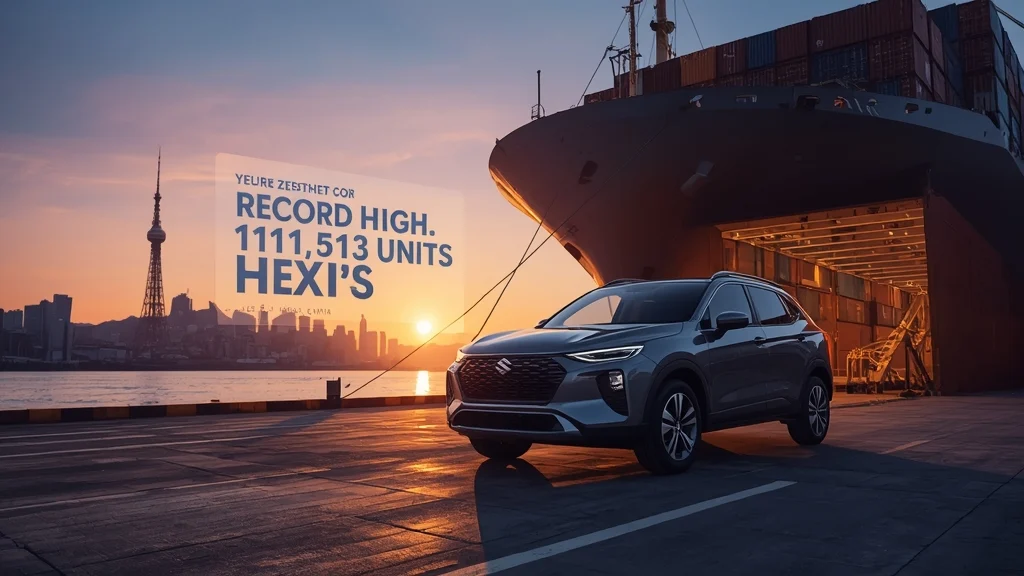
Japanese automakers hit a 30‑year high in reverse imports, sending India‑made models back home. Discover the shift and its impact—read more now!
For the first time in three decades, Japan has witnessed a surge in “reverse imports” – vehicles built by Japanese brands overseas that are then shipped back to the domestic market. According to the Japan Automobile Importers Association, 111,513 such cars entered Japan last year, a 19% jump from the previous year and the highest level since 1995.
Record‑breaking numbers
The previous record of 107,092 reverse‑imported cars was set in 1995. This year’s milestone reflects a strategic pivot toward low‑cost production hubs, especially India, where labor and manufacturing expenses are considerably lower than at home.
Suzuki leads the pack
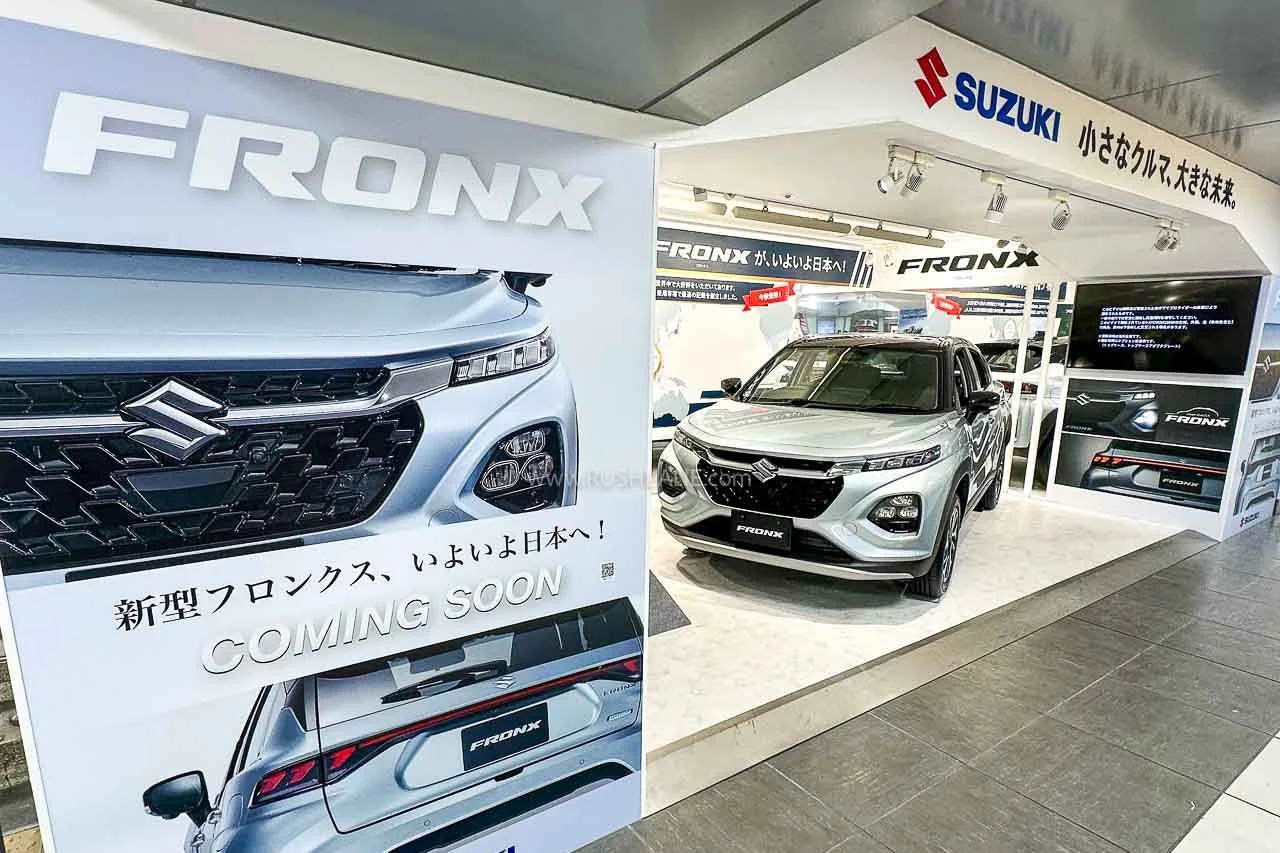
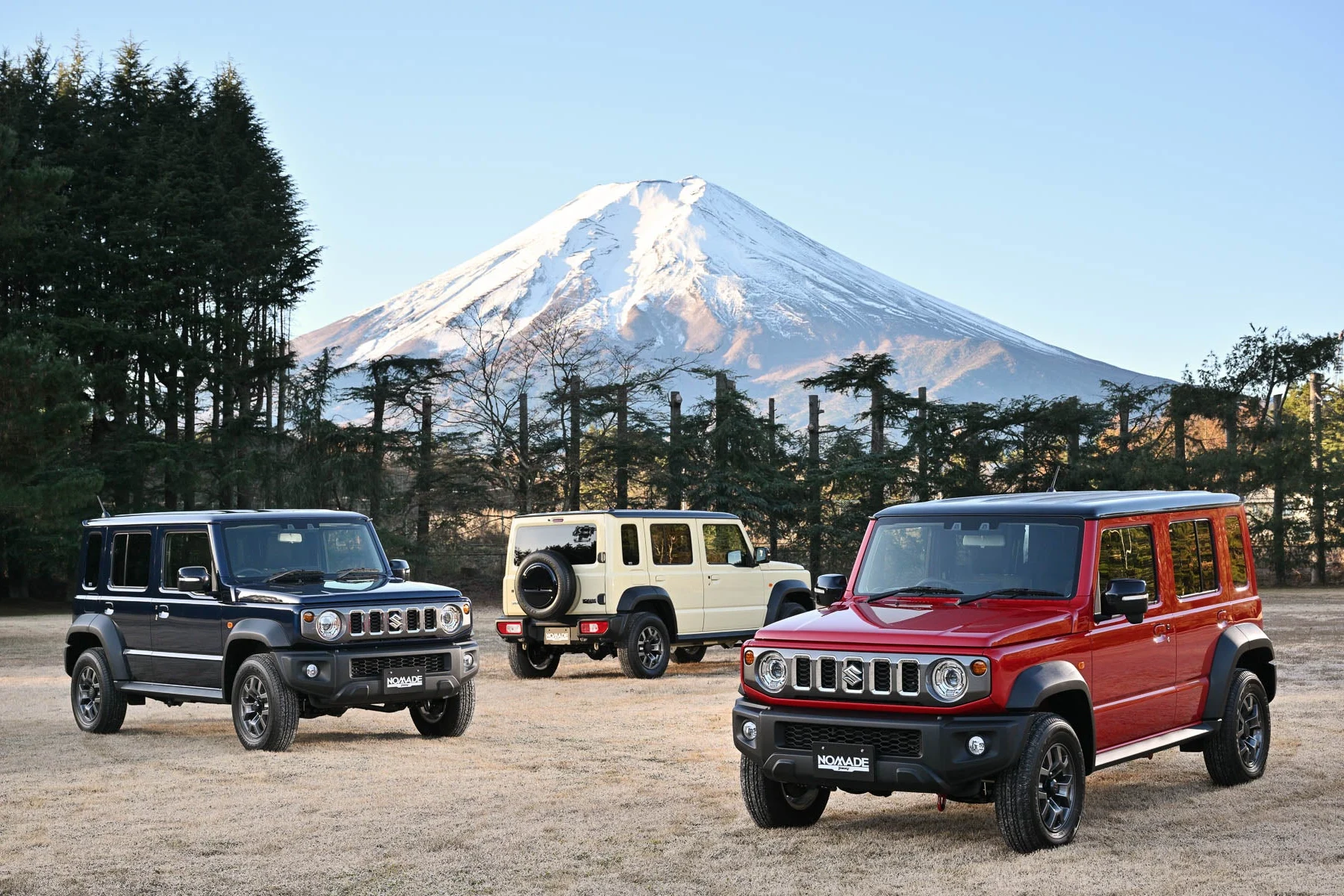
Suzuki topped the list with 43,266 units – more than seven times its 2022 volume. Since 2024, the company has been importing the sub‑compact SUV Fronx from its Indian plant for sale in Japan. By April 2025, Suzuki will also bring back a four‑wheel‑drive version of the Jimny Nomade, also produced in India, giving Japanese consumers competitively priced options.
Honda holds steady
Honda ranked second with 37,022 reverse‑imported cars, despite an 18% decline from the prior year. The firm has been sourcing the small SUV WR‑V from India since 2024. Looking ahead, Honda’s brand‑new electric model, the 0 Alpha, is slated to be imported from India starting FY2027.
Declines at Nissan and Toyota
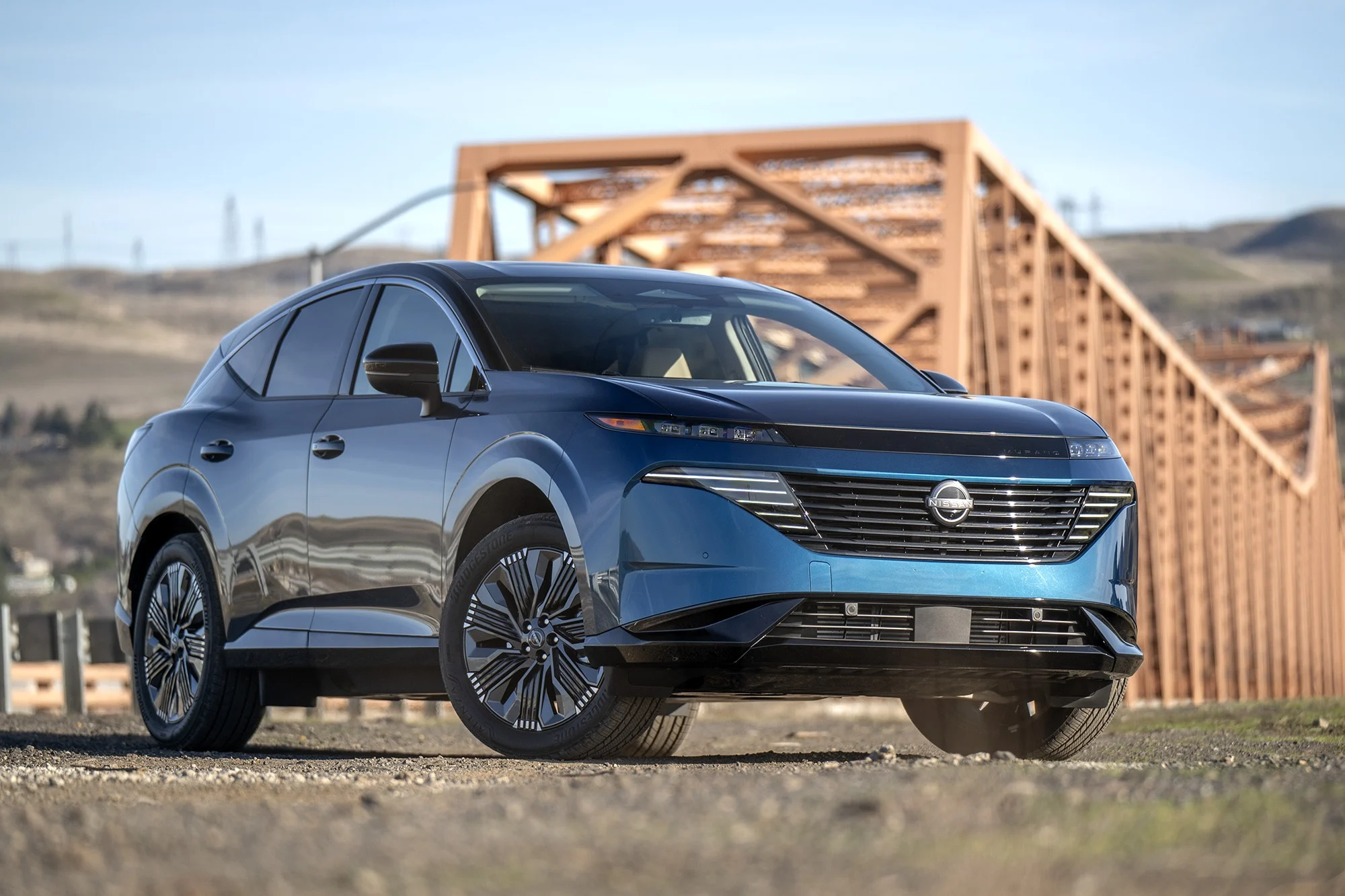
Not all manufacturers share the upward trend. Nissan’s reverse imports fell 33% to 9,595 units, while Toyota’s volume dropped to 9,587 – a matching 33% slide.
Future outlook: importing from the United States
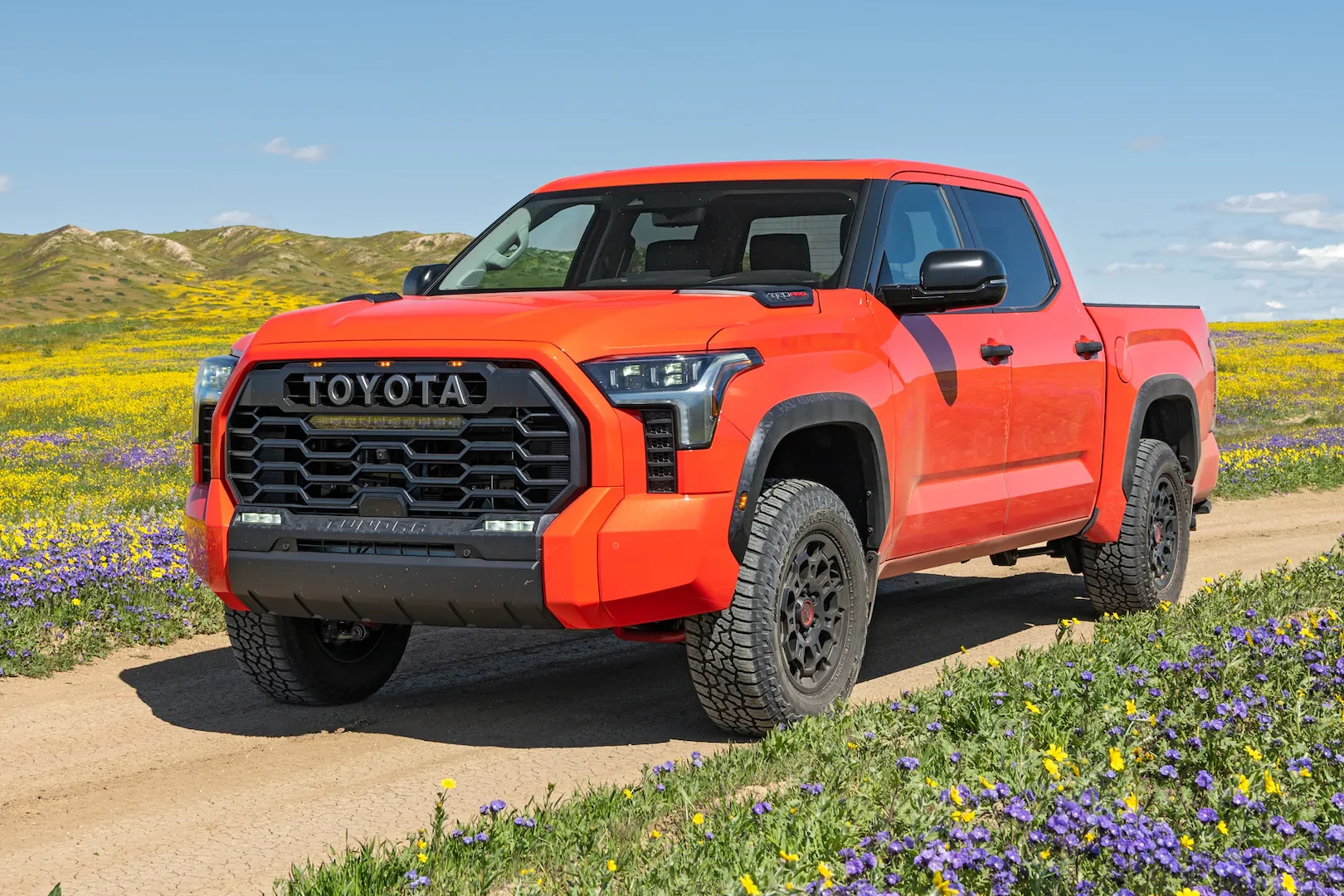
However, the landscape may shift again. Toyota announced plans to import three U.S.-produced models – the Camry, Tundra and Highlander – for the Japanese market later this year. This move aligns with the Japanese government’s effort to streamline certification processes for American‑built cars following recent trade talks with Washington.
Nissan and Honda are also evaluating the feasibility of reverse‑importing U.S. models, underscoring a broader trend of globalized production and distribution in Japan’s auto industry.
What it means for the market
- Low‑cost manufacturing hubs like India are becoming critical to price‑competitive Japanese‑branded vehicles.
- Reverse imports are evolving from a temporary workaround to a long‑term strategic component.
- Japanese consumers can expect a more diverse lineup, including affordable SUVs and upcoming electric models.
As the industry continues to globalize, the balance between domestic production and overseas sourcing will shape the future of Japan’s automotive landscape.