
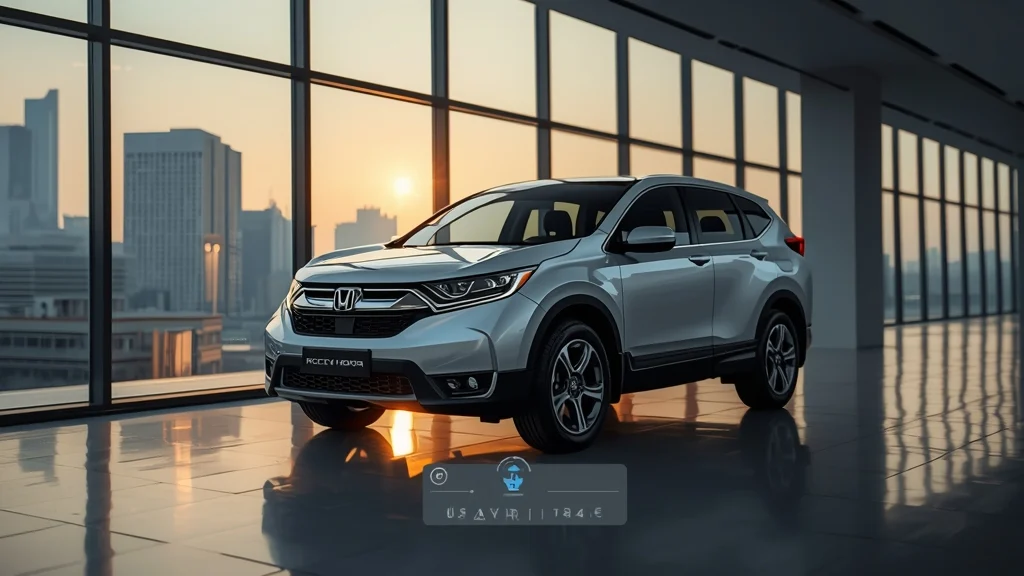
Discover how the newly assembled 2026 Honda CR‑V in Vietnam upgrades safety tech, pricing and competition. Learn if it can lead the SUV segment – read more now!
Honda Vietnam has completed the sixth‑generation CR‑V lineup by adding locally assembled gasoline models alongside the previously introduced e:HEV hybrid. While the exterior remains identical to the imported version, the new G and L trims bring a suite of safety and convenience upgrades that could reshape the SUV’s position in a fiercely competitive market.
What’s Different About the Vietnam‑Assembled CR‑V?
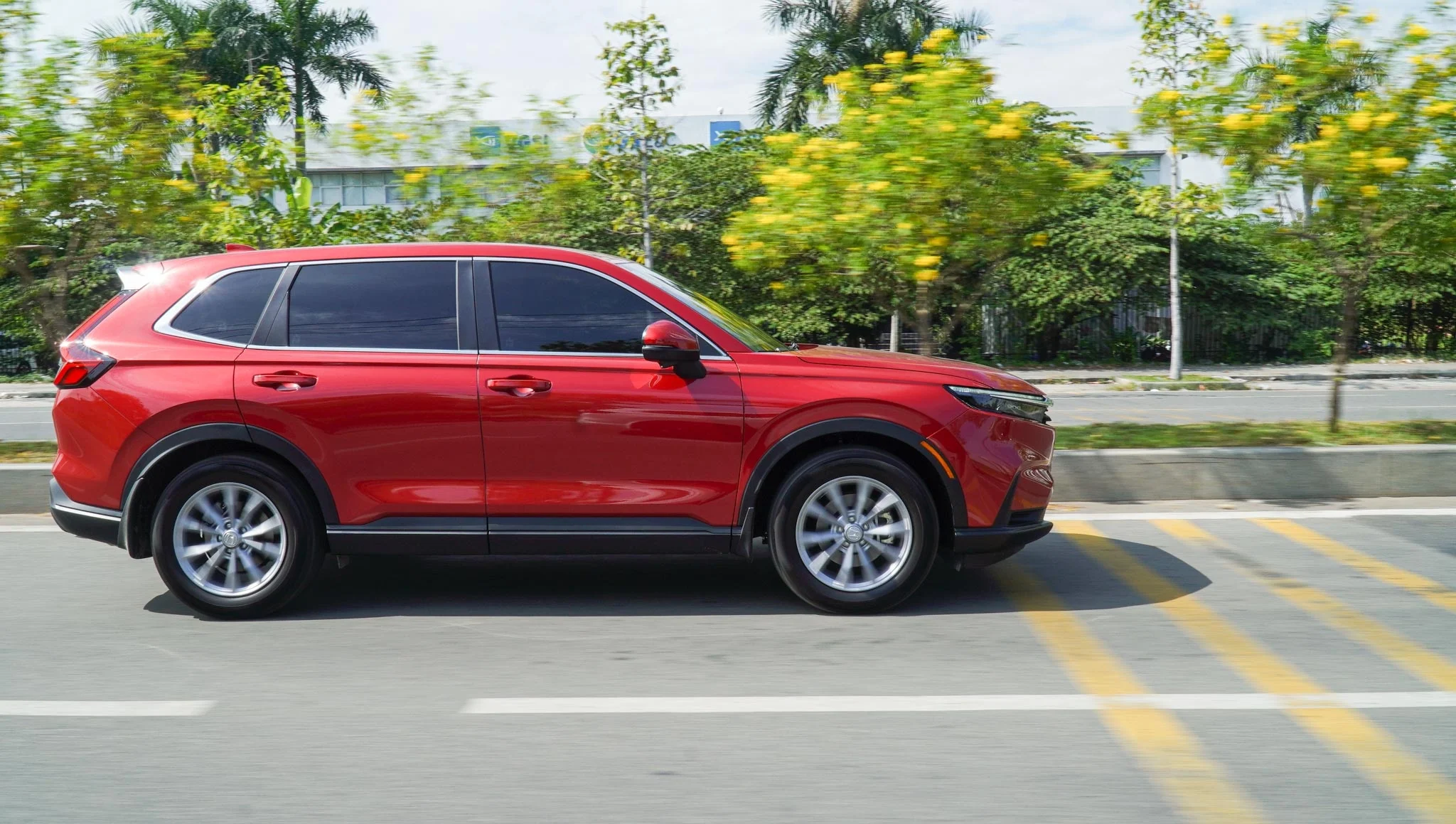
Visually, the locally built CR‑V looks the same as the imported model—no redesign of the front fascia, side panels, or rear lights. The only aesthetic change appears on the hybrid version, where the red “RS” badge has been removed. For the gasoline‑only G and L variants, the styling stays untouched.
Key Upgrades – Safety and Technology
Enhanced Driver‑Assistance Suite
Both the G and L trims now include additional Honda SENSING features. The entry‑level G model adds:
- Pre‑collision automatic emergency braking (AEB)
- Honda LaneWatch blind‑spot camera
- Rear parking sensors
The higher‑spec L trim builds on that with:
- Front parking sensors
- Post‑collision AEB (more aggressive activation)
- Standard Honda CONNECT connectivity suite
All models retain the core Honda SENSING package—adaptive cruise control, lane‑keeping assist, and traffic sign recognition.
Infotainment and Comfort
The G trim receives a 9‑inch touchscreen that supports Bluetooth, USB, and wireless Apple CarPlay/Android Auto, delivering a modern cabin experience without the need for additional premium hardware.
Powertrain Remains Unchanged
Under the hood, the Vietnam‑assembled CR‑V continues to use the 1.5‑liter VTEC Turbo engine paired with a CVT. Output stays at 188 hp (140 kW) and 240 Nm of torque, matching the performance of the imported model.
Pricing Landscape
Official pricing places the G trim at VND 1.039 billion and the L trim at VND 1.099 billion. Compared with the fully imported version, the G model is roughly VND 10 million higher, reflecting the added safety technologies.
While the price increase may be justified by the new equipment, it also pushes the gasoline CR‑V above the VND 1 billion mark—a psychological barrier in Vietnam’s compact SUV segment.
Competitive Context
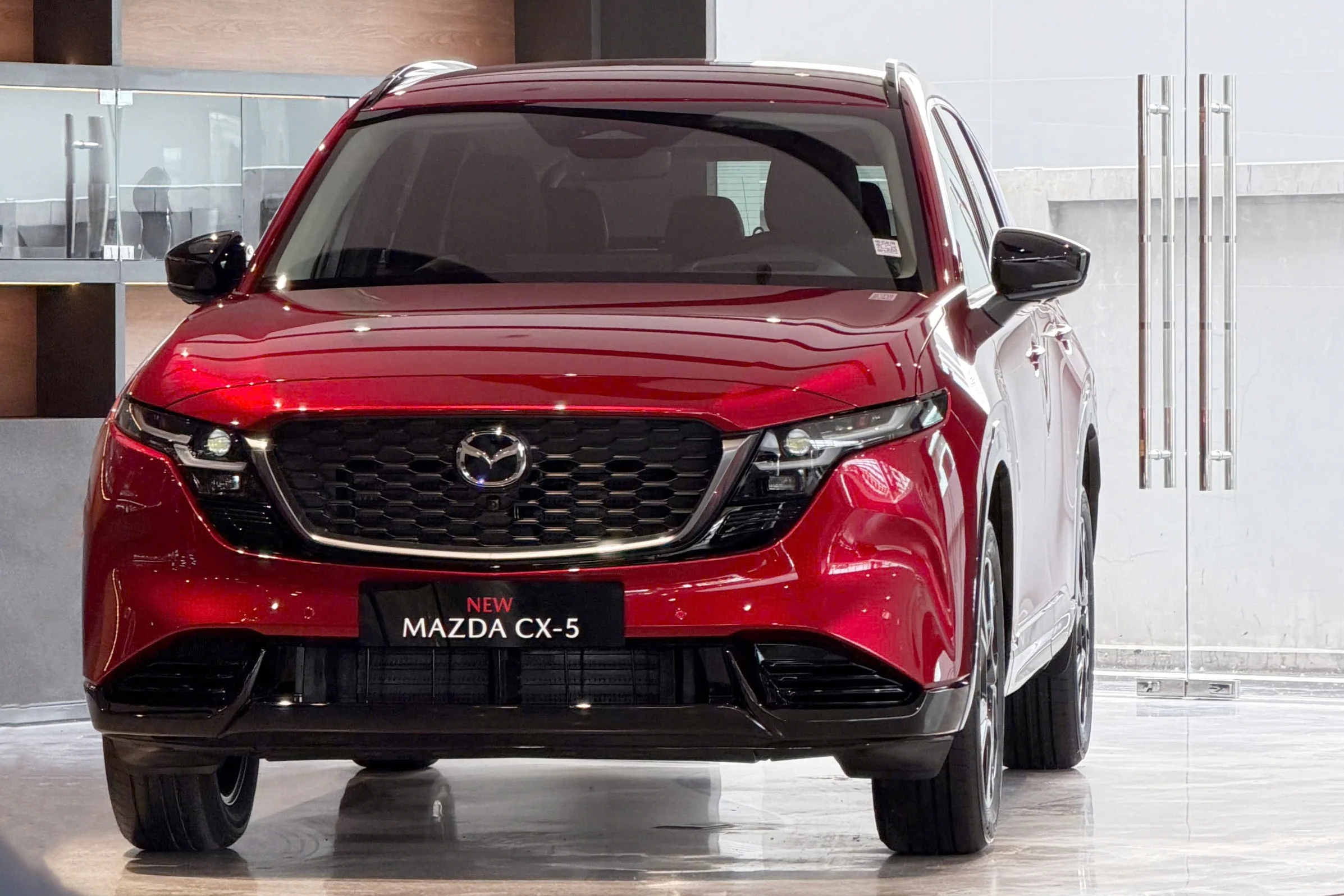
Direct rivals in the sub‑compact SUV space include the Mazda CX‑5, Hyundai Tucson and Ford Territory, all of which start around VND 800‑900 million. During promotional periods, these models can be discounted to as low as VND 695‑700 million, widening the price gap.
Given the CR‑V’s higher price point, its appeal may shift from pure value‑seeking buyers to those who prioritize brand reputation, interior refinement, and the latest safety tech.
Will the Assembled CR‑V Reclaim Segment Leadership?
The decision to localise gasoline production signals Honda’s intent to keep the CR‑V relevant through 2026 and beyond. By bundling advanced driver‑assist features and a modern infotainment system, the brand hopes to offset the price premium and maintain loyalty among long‑time fans.
Nevertheless, with aggressive pricing strategies from competitors, the assembled CR‑V faces an uphill battle to become the top‑selling SUV in its price bracket. Its success may hinge on how well Honda can market the added safety benefits and leverage its strong brand equity.
Bottom Line
Honda’s locally assembled 2026 CR‑V brings noticeable safety upgrades while retaining the powertrain that consumers know and trust. The higher price could limit its reach in a price‑sensitive market, but the combination of Honda’s brand strength and the new tech suite may still attract a dedicated segment of buyers looking for a reliable, well‑equipped SUV.