
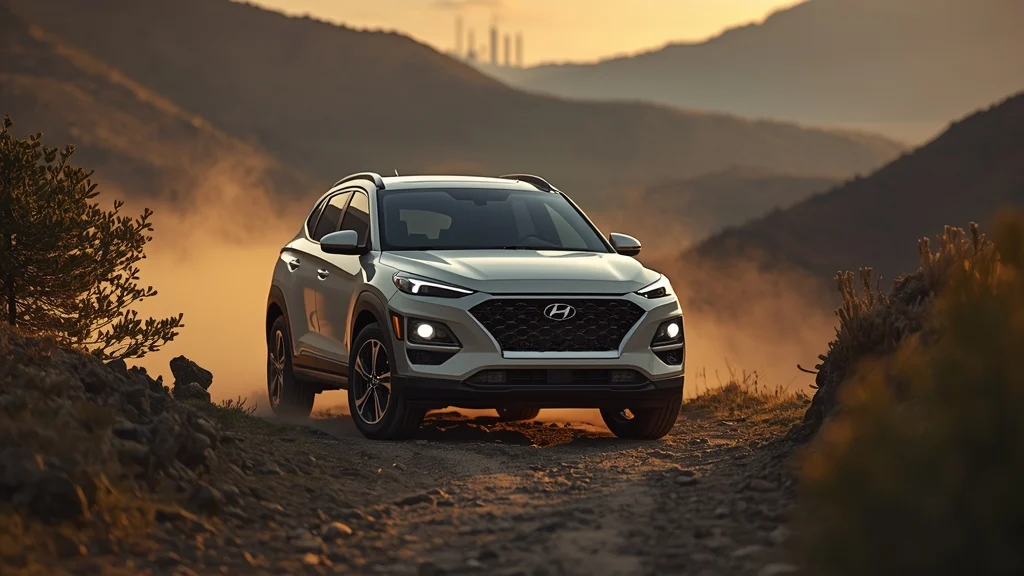
Get an exclusive look at the 2027 Hyundai Tucson with its rugged new front, hexagonal wheels and AI‑driven Pleos OS. Discover what’s next – read now!
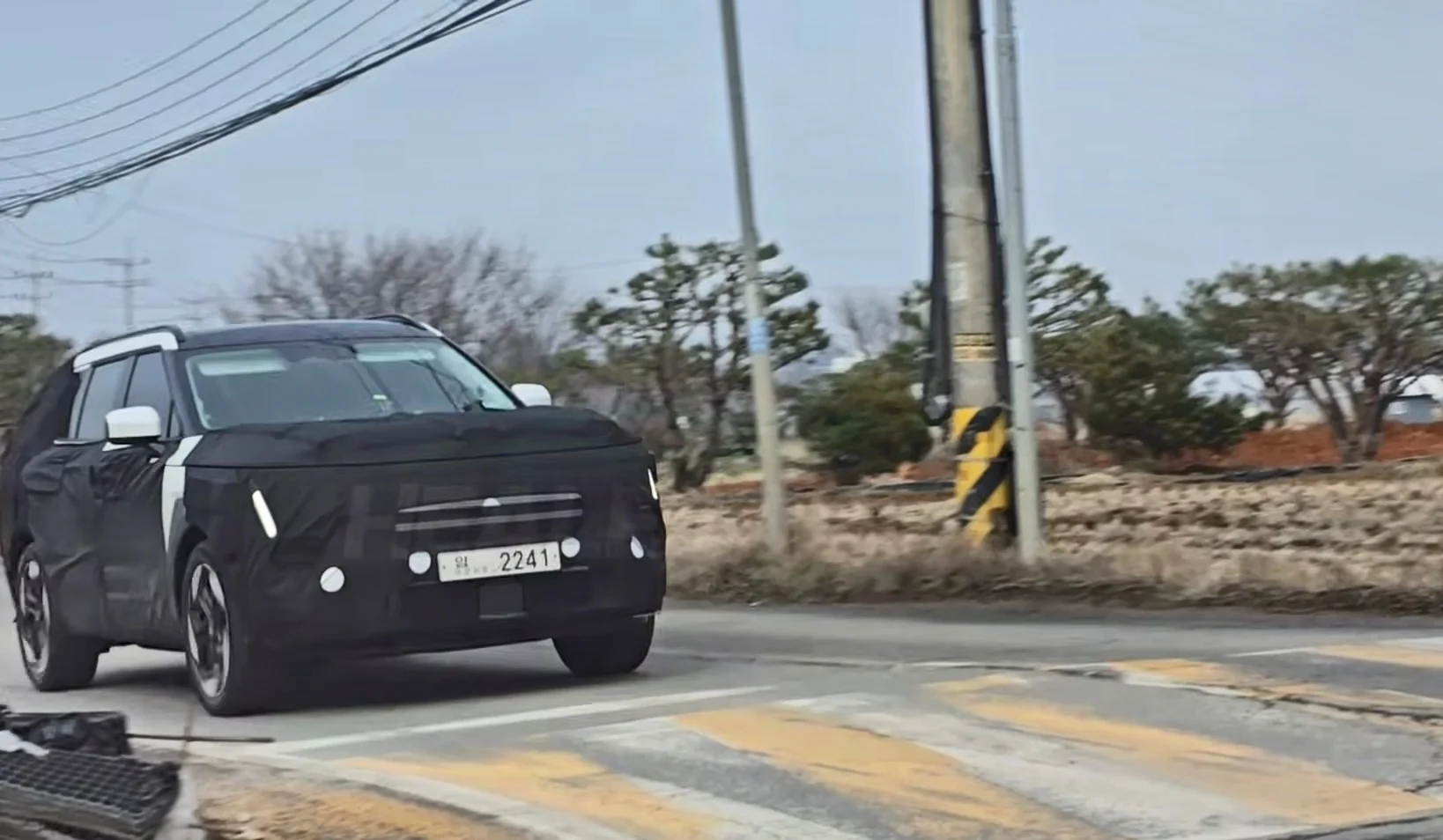
Hyundai has let slip a handful of photos of the P1 prototype for the upcoming 2027 Tucson, marking the first clear glimpse of the next‑generation compact SUV. The P1 stage is the earliest pre‑production build that incorporates real production parts, allowing engineers to spot and fix issues before the model moves into full‑scale manufacturing.
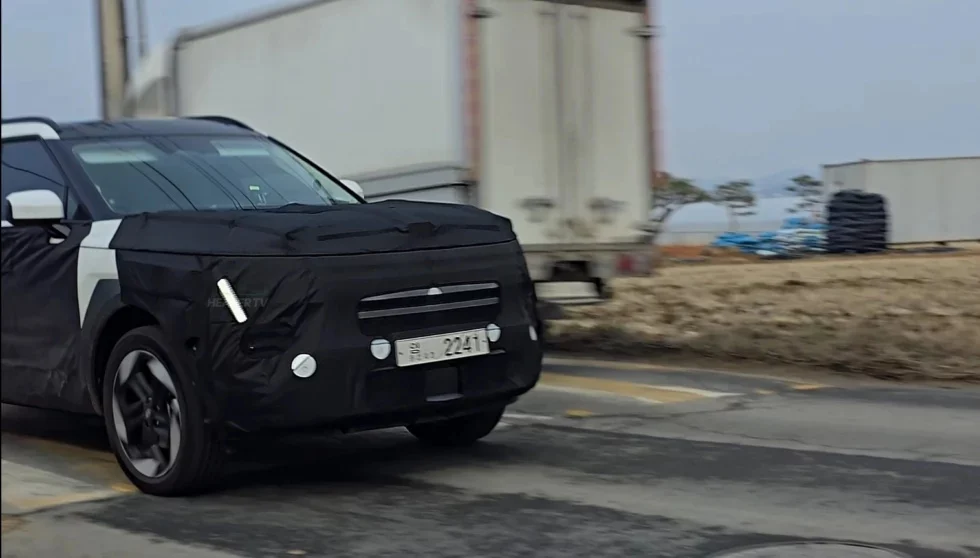
Exterior Evolution
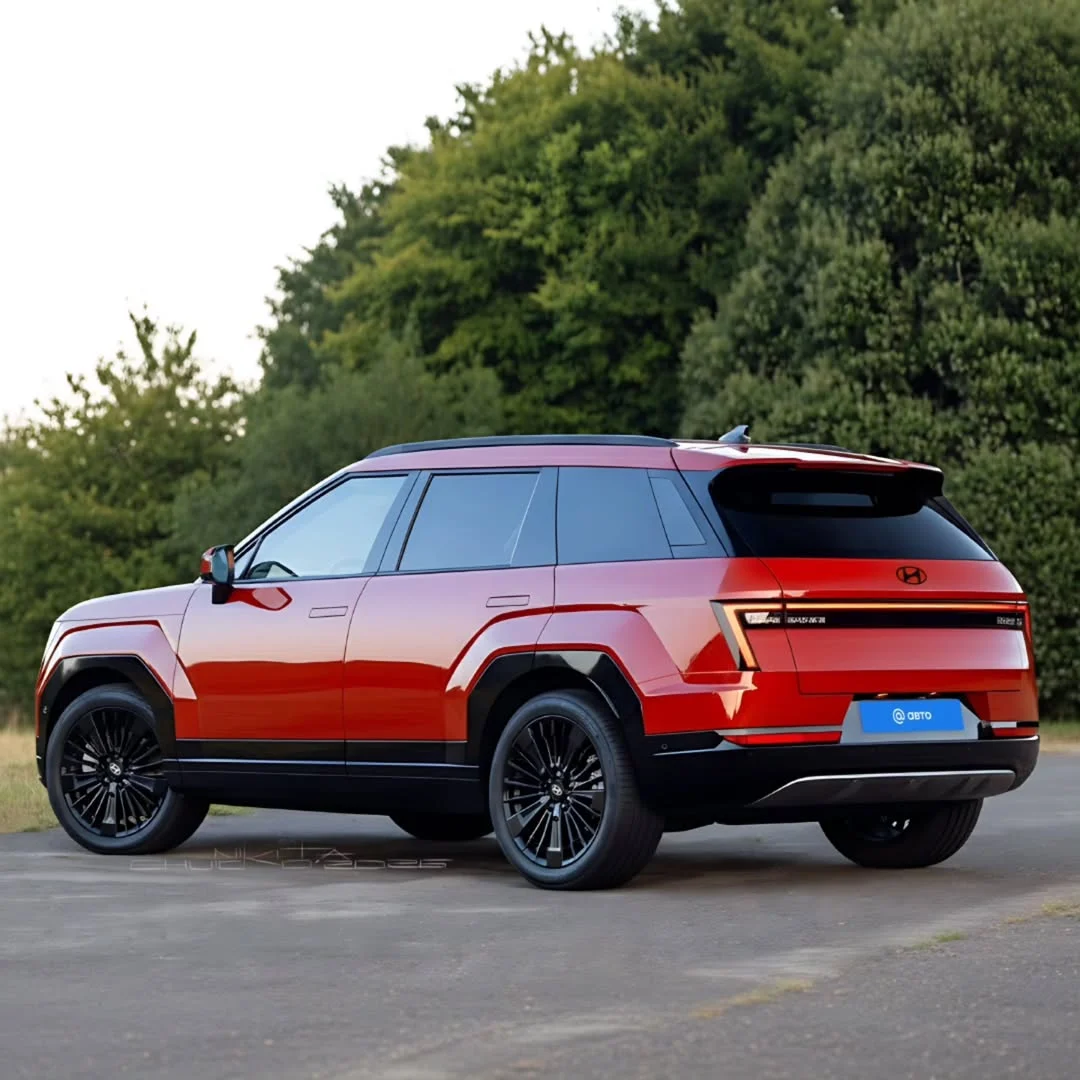
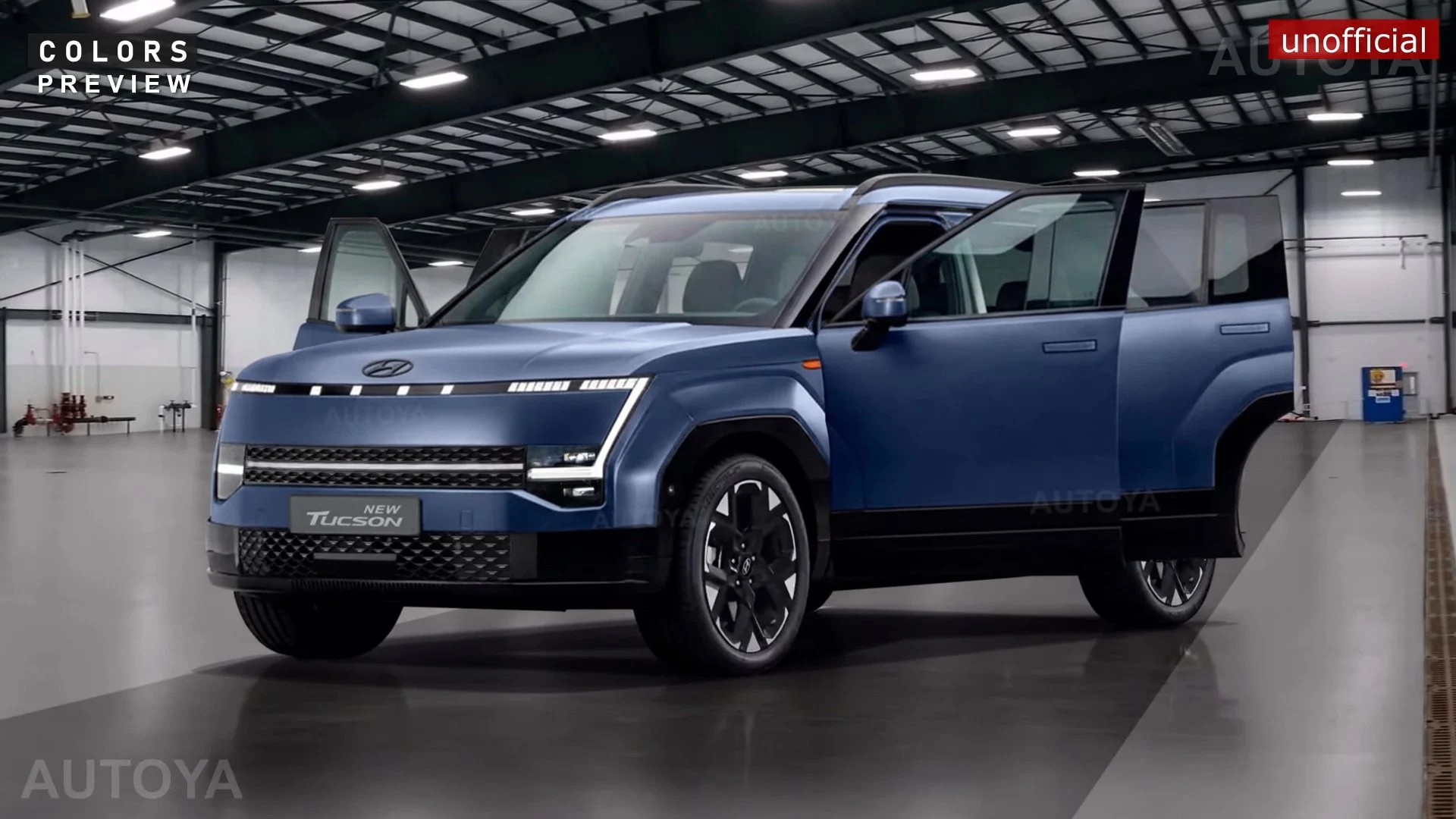
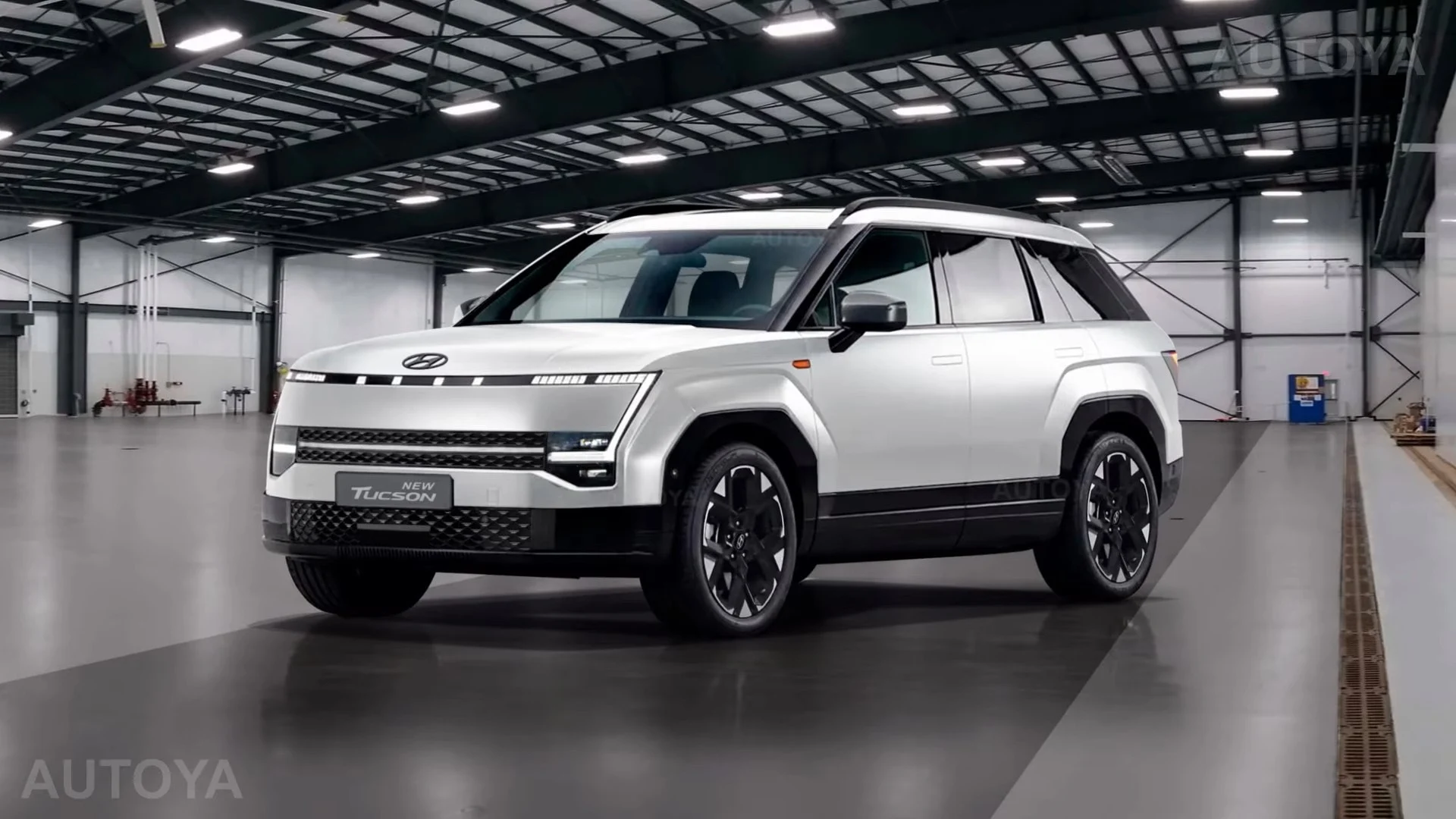
The new Tucson abandons the brand’s long‑standing “Sensuous Sportiness” language in favour of a fresher design philosophy called “Art of Steel,” which draws heavy inspiration from the latest Santa Fe. The front fascia is noticeably more upright, featuring a larger, flatter grille and a reshaped hood that stretches further forward, giving the vehicle a stronger, more dominant presence.
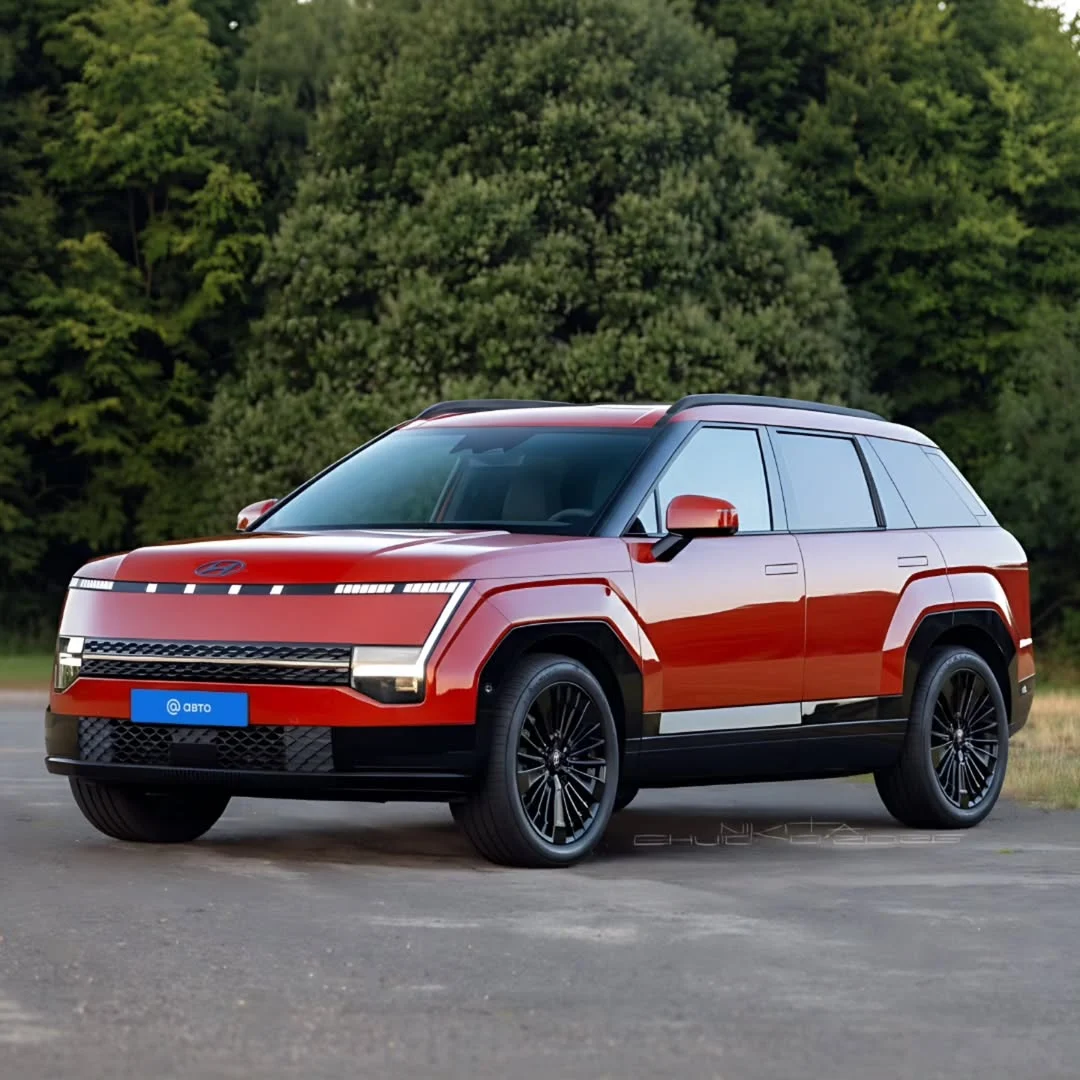
Side mirrors have been completely redesigned, shedding the previous sleek look for a more angular silhouette that echoes the new overall styling.
Lighting and Wheel Design
Hyundai has overhauled the lighting suite. The signature “angel‑wing” daytime running lights are gone, replaced by a vertical strip of LED daytime LEDs that run along the front edge. The low‑mounted LED headlamps follow the trend seen on recent Hyundai SUVs, delivering a modern, razor‑thin appearance.
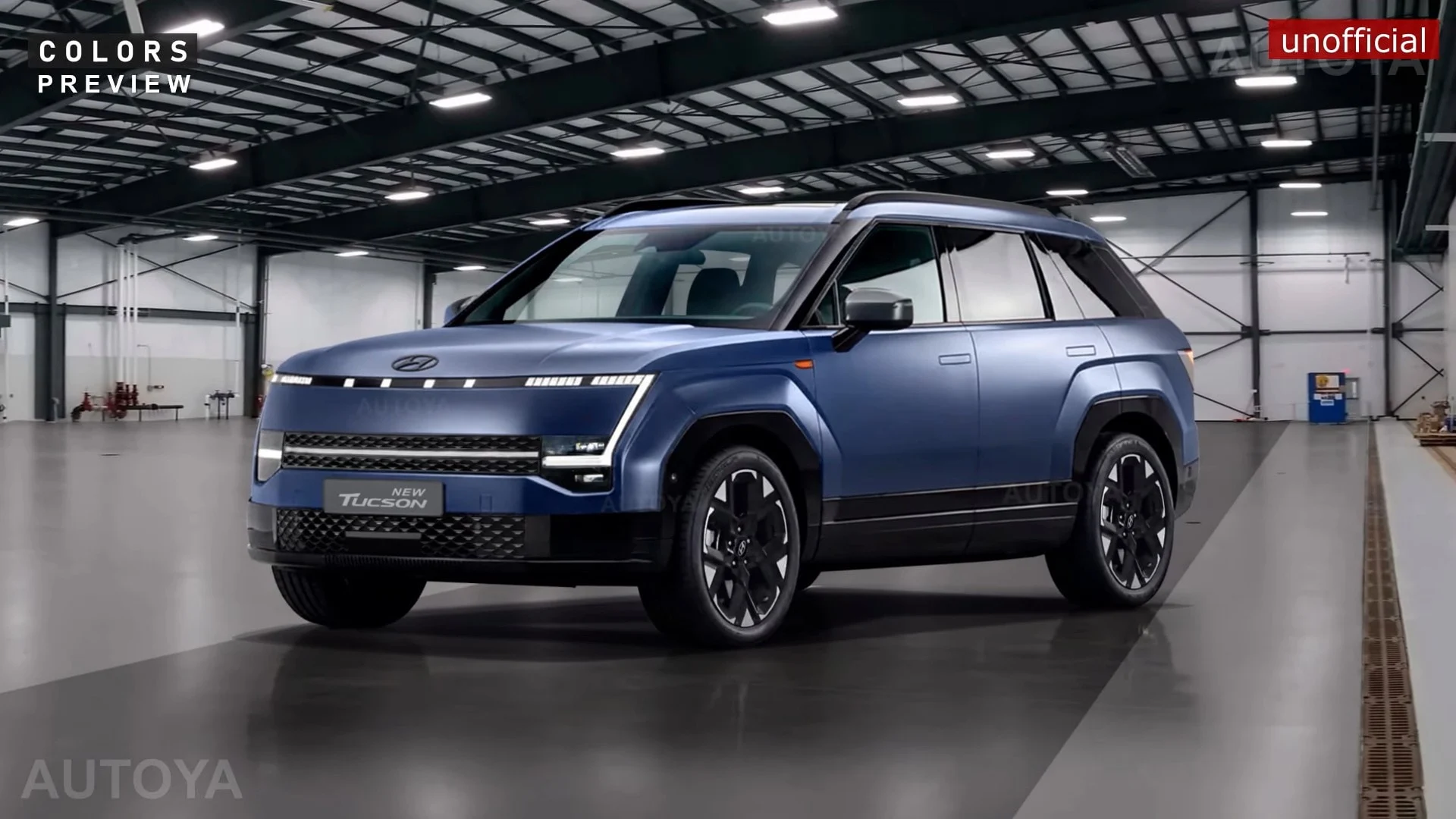
Wheel arches have been re‑contoured into a more pronounced hexagonal shape, adding a muscular, off‑road‑ready feel to the SUV’s profile.
Tech‑Heavy Interior
Inside, the Tucson steps into the digital age with a dual‑screen cockpit: a 17‑inch touchscreen dominates the centre console, while a 9.9‑inch fully digital instrument cluster sits behind the steering wheel. Physical knobs for volume and climate control remain, a detail praised by many drivers for its tactile reliability.
Pleos OS and Gleo AI Assistant
Hyundai is debuting a brand‑new operating system called Pleos OS, built on an Android foundation and styled to look like a smartphone interface. It will host a dedicated app ecosystem tailored for in‑car use.
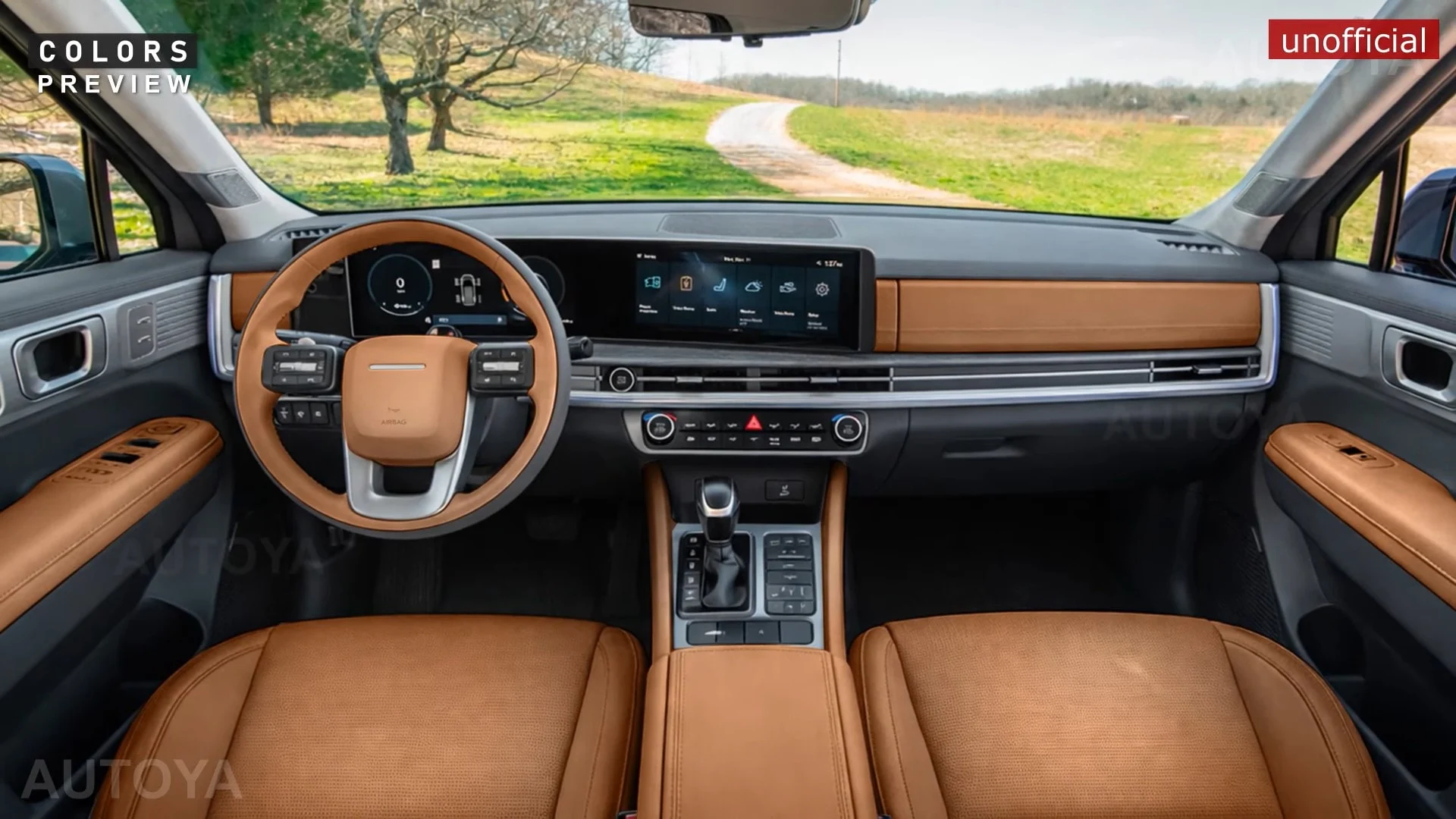
The headline feature is the AI voice assistant named Gleo. Functioning much like ChatGPT, Gleo allows occupants to interact with the vehicle using natural language—requesting navigation, adjusting climate settings, or even controlling infotainment without lifting a finger.
Powertrain and Hybrid Strategy
To stay competitive against the Toyota RAV4 and Honda CR‑V, Hyundai plans to focus heavily on hybrid powertrains for the new Tucson. While exact specifications are still under wraps, the company is expected to offer efficient plug‑in hybrid options aimed at markets where fuel economy and low emissions are top priorities.
Off‑Road Ready XRT Pro Variant
A new XRT Pro trim has been spotted in rugged testing scenarios. Unlike previous cosmetic‑only packages, the XRT Pro is built for genuine off‑road capability, featuring:
- Higher ground clearance
- Upgraded suspension components
- All‑terrain tires
- Heavy‑duty tow hook and reinforced roof rails
- Enhanced under‑body protection
This version aims to attract adventure‑oriented buyers who need more than just a stylish city SUV.
Launch Timeline and Market Outlook
The 2027 Tucson is slated for a global rollout toward the end of 2026, with North American deliveries expected shortly thereafter. Its bold, square‑jawed design combined with a technology‑laden cabin positions it as a true “re‑birth” for Hyundai’s compact SUV segment, promising to shake up the competitive C‑segment landscape.