
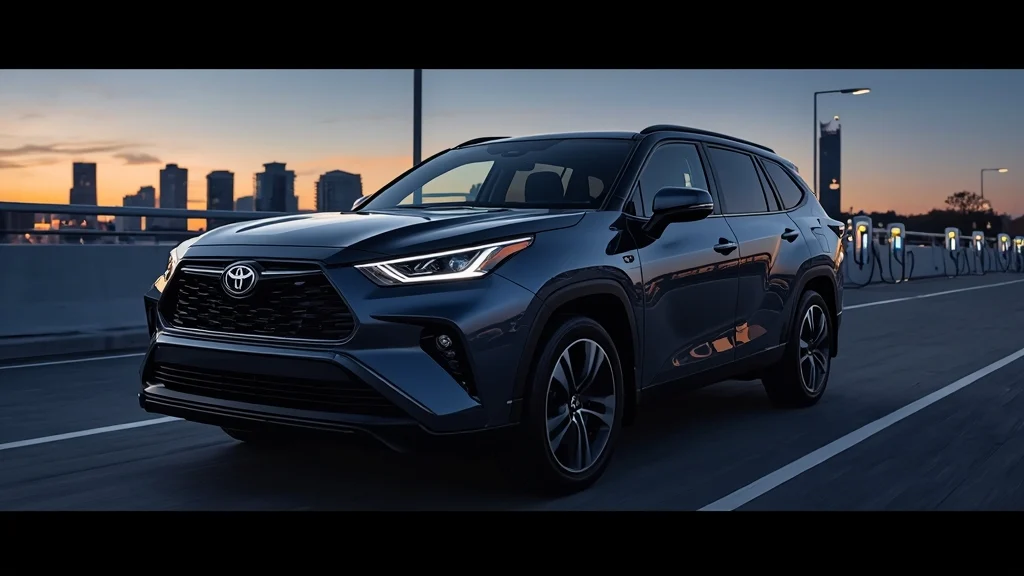
Toyota unveils the 2027 Highlander, a fully electric three‑row SUV with AWD and a bold new design. Discover its specs and why it matters – read more now.
Tokyo – Toyota has lifted the curtain on its next‑generation SUV, the 2027 Highlander. The reveal confirms that the iconic name will return as a three‑row, all‑electric vehicle equipped with all‑wheel drive, marking a decisive step toward a fully electrified lineup.
A Fresh Look Inside and Out
The 11‑second teaser video, released earlier this week, focuses on brand cues rather than a full‑body shot. Viewers see the word “Highlander” alongside two key logos: the familiar Toyota BEV emblem, confirming pure electric propulsion, and an AWD badge, hinting at a dual‑motor setup.
Early renderings show a sleek, sculpted front fascia with a closed‑mouth grille, slim laser‑light headlights, and a more aerodynamic silhouette than the current gasoline model. The rear end adopts a sporty diffuser and a subtle spoiler, while the roofline slopes gently towards the third‑row seating area, offering generous headroom for adults.
Powertrain: Pure Battery‑Electric with AWD
Under the hood, the Highlander 2027 is expected to house a high‑capacity lithium‑ion pack delivering roughly 300 miles (480 km) of range on a single charge, depending on configuration. The AWD system will likely be driven by two independent electric motors – one on each axle – providing instant torque and robust traction for varied road conditions.
- Battery capacity: 85–95 kWh (estimated)
- Range: up to 300 miles (WLTP)
- Combined output: 300–350 hp
- 0‑60 mph: around 5.5 seconds
- Charging: up to 150 kW DC fast‑charge
Why Toyota Chose the Highlander Name
In the past, the company teased an electric concept called the bZ5x, aligning with its global “bZ” (beyond Zero) branding. However, the latest imagery suggests the bZ5x and the all‑electric Highlander are one and the same. By shelving the bZ label and resurrecting the Highlander moniker, Toyota is banking on decades of brand equity.
Industry analysts note that this mirrors a broader trend: manufacturers such as Volkswagen are reviving familiar nameplates (e.g., Polo, Tiguan) for upcoming EV models rather than launching entirely new nomenclature. A trusted name can ease consumer hesitation, especially when the underlying technology represents a significant shift.
What This Means for the Global EV Market
The launch of the Highlander 2027 comes at a pivotal moment. After the mixed reception of the bZ4X, Toyota is recalibrating its electric strategy, emphasizing reliability, familiar branding, and versatile utility. A three‑row electric SUV fills a notable gap in the market, offering families a zero‑emission alternative without sacrificing space or performance.
Auto shows across Europe, North America, and Asia are expected to feature the Highlander in the coming weeks, with detailed specifications, interior finish options, and advanced driver‑assist systems to be disclosed.
Stay tuned for an in‑depth review once the vehicle hits the showroom floor – the future of family SUVs may just be electric.