

Explore how 7‑seater MPVs are reshaping Vietnam’s auto market, from budget models to electric vans. Discover the trends now!
Vietnam’s automotive scene is buzzing with new launches, and a quiet revolution is underway: the growing popularity of 7‑seater multi‑purpose vehicles (MPVs). While compact SUVs still dominate city streets, manufacturers are rapidly expanding their MPV line‑ups to meet the diverse needs of families, ride‑hailing drivers, and commercial operators.
Why the Shift Toward MPVs?
Seven‑seat MPVs combine the practicality of a van with the comfort of a passenger car. Their spacious cabins, flexible seating, and often lower price tags make them ideal for:
- Small businesses that need to transport passengers or cargo.
- Families looking for room without stepping into a full‑size SUV.
- Ride‑hailing services that value low operating costs.
These factors have turned the MPV segment into a competitive playground for both local and foreign brands.
Budget MPVs Lead the Volume Race
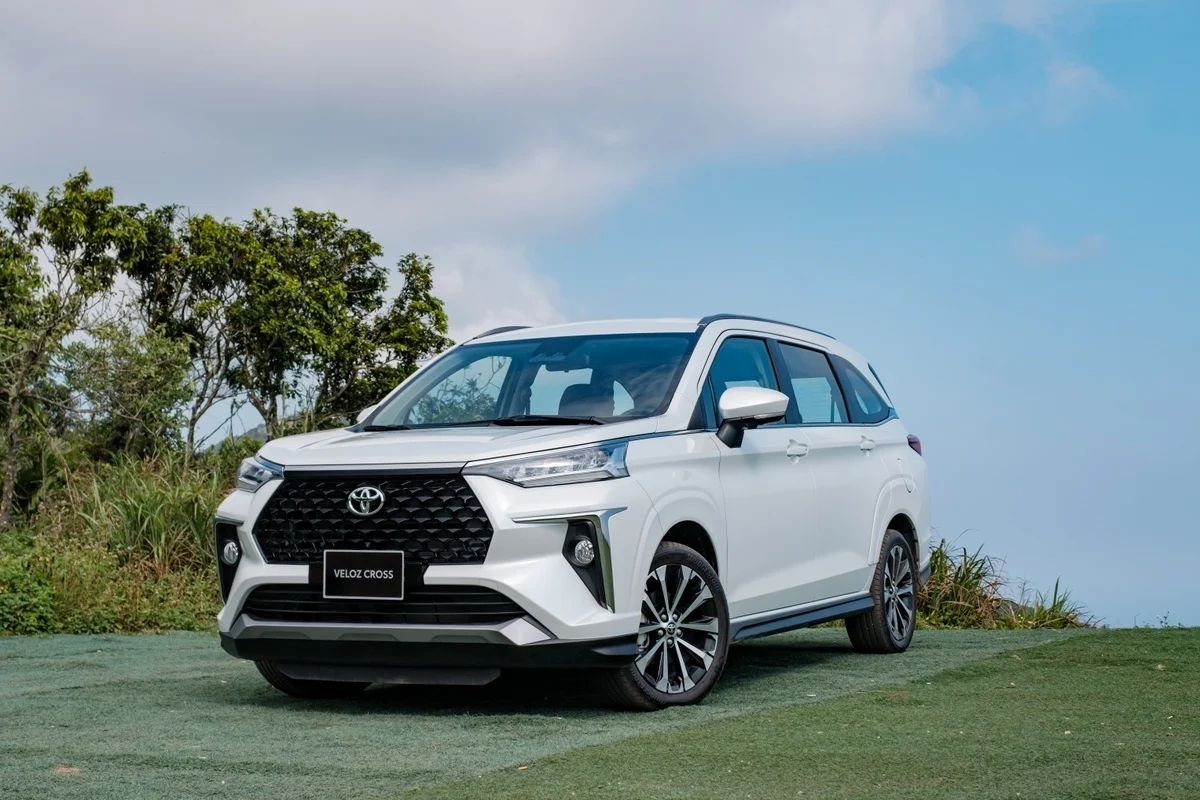
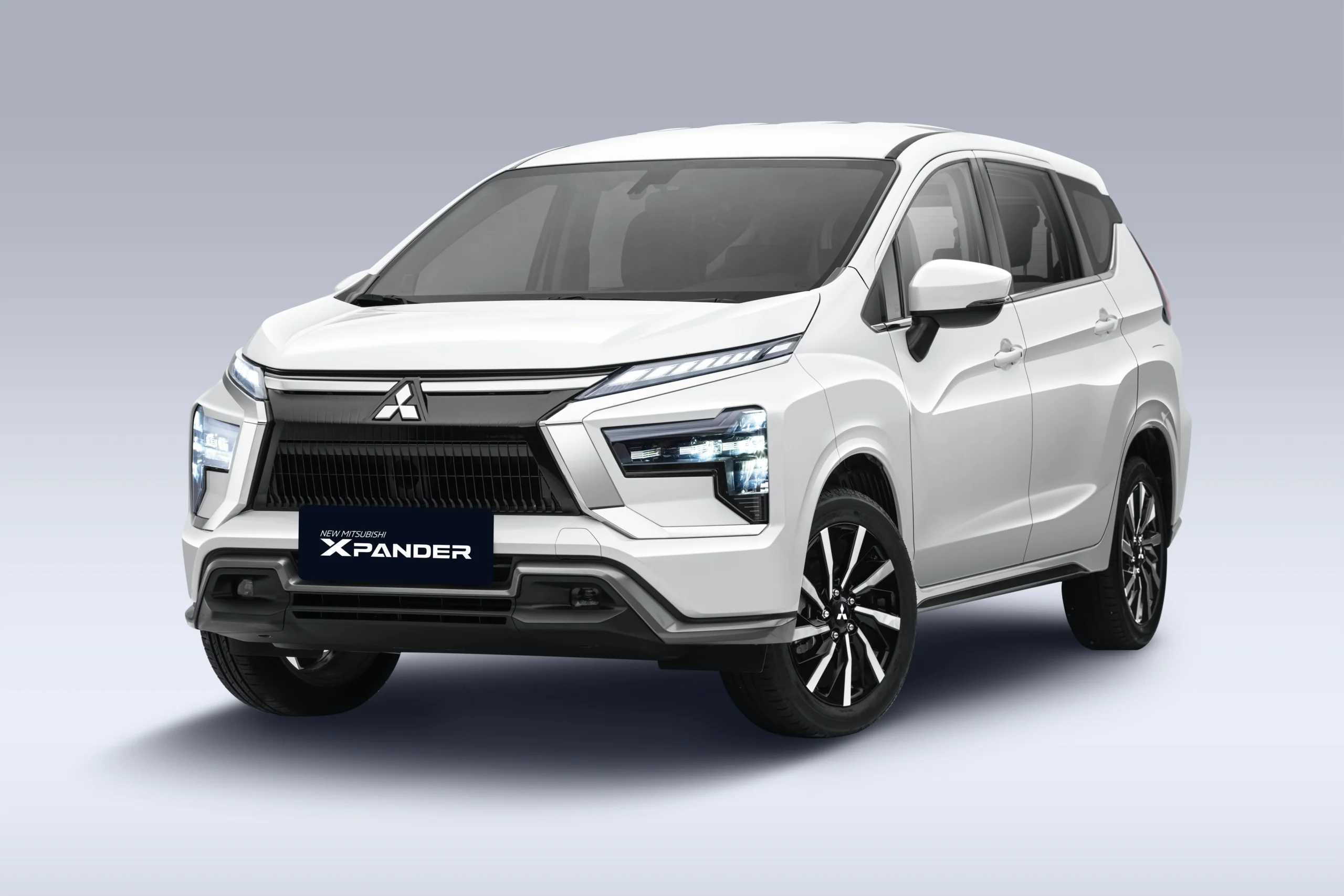
Even though they don’t dominate the headline market, affordable 7‑seater MPVs are carving out a sizable share. In 2025, Toyota recorded over 8,300 units of the Veloz Cross and more than 8,000 Innova Cross deliveries. Mitsubishi’s Xpander, a gasoline‑powered MPV, approached the 20,000‑unit mark, cementing its position as a bestseller among service‑vehicle drivers.
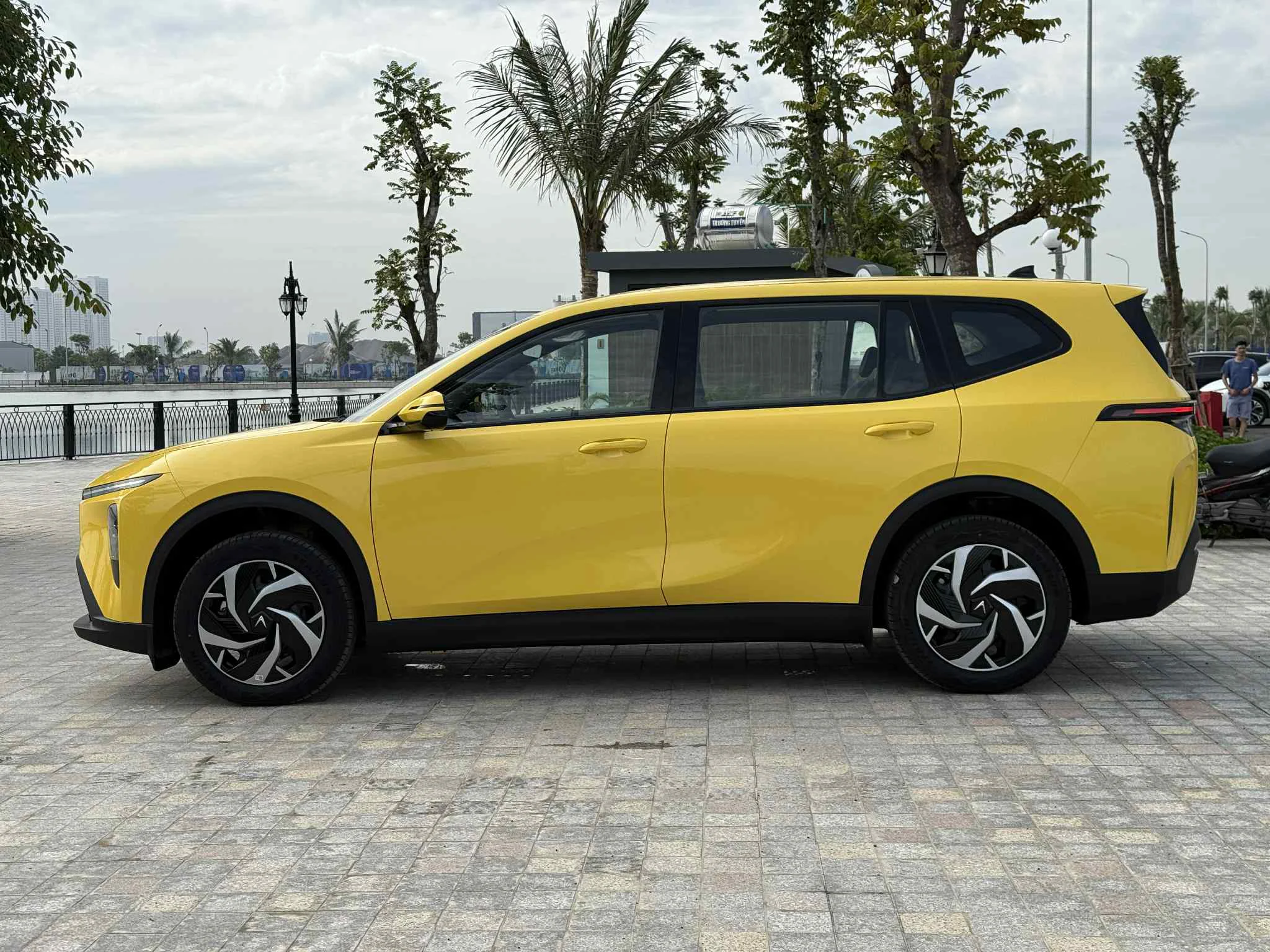
These models thrive because they offer:
- Low purchase price (often under VND 800 million).
- Simple, reliable mechanicals.
- Efficient fuel consumption that keeps daily operating costs down.
Electric MPVs Start to Accelerate
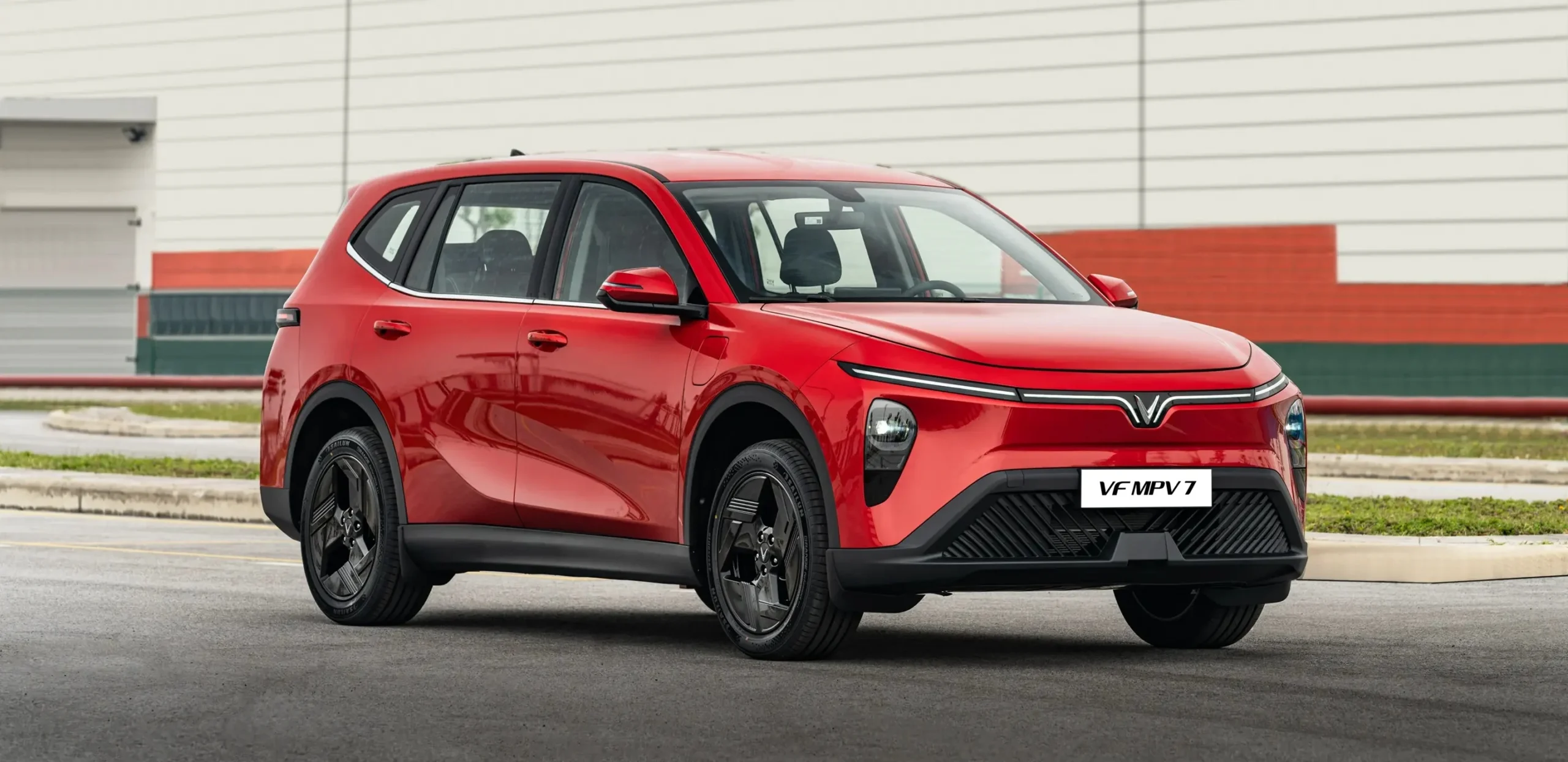
The budget MPV arena is now flirting with electrification. VinFast introduced its first 7‑seater electric MPV in the second half of 2025. Within just four reporting periods, sales topped 27,000 units, overtaking the long‑standing Mitsubishi Xpander.
Key reasons electric MPVs are gaining traction include:
- Lower total cost of ownership thanks to cheaper electricity and reduced maintenance.
- Government incentives and a growing network of fast‑charging stations.
- Minimalist interiors that keep prices approachable – manufacturers strip out premium sound systems, oversized touch screens, and other “nice‑to‑have” features.
For ride‑hailing drivers, an electric MPV is a practical “workhorse” that delivers both passenger capacity and operating‑cost savings.
Mid‑Range and Premium MPVs Target a Different Crowd
Higher‑priced MPVs are less about volume and more about showcasing space, technology, and brand prestige. VinFast’s Limo Green, positioned at VND 819 million (effective price under VND 740 million after incentives), upgrades interior finishes and adds advanced safety aids.
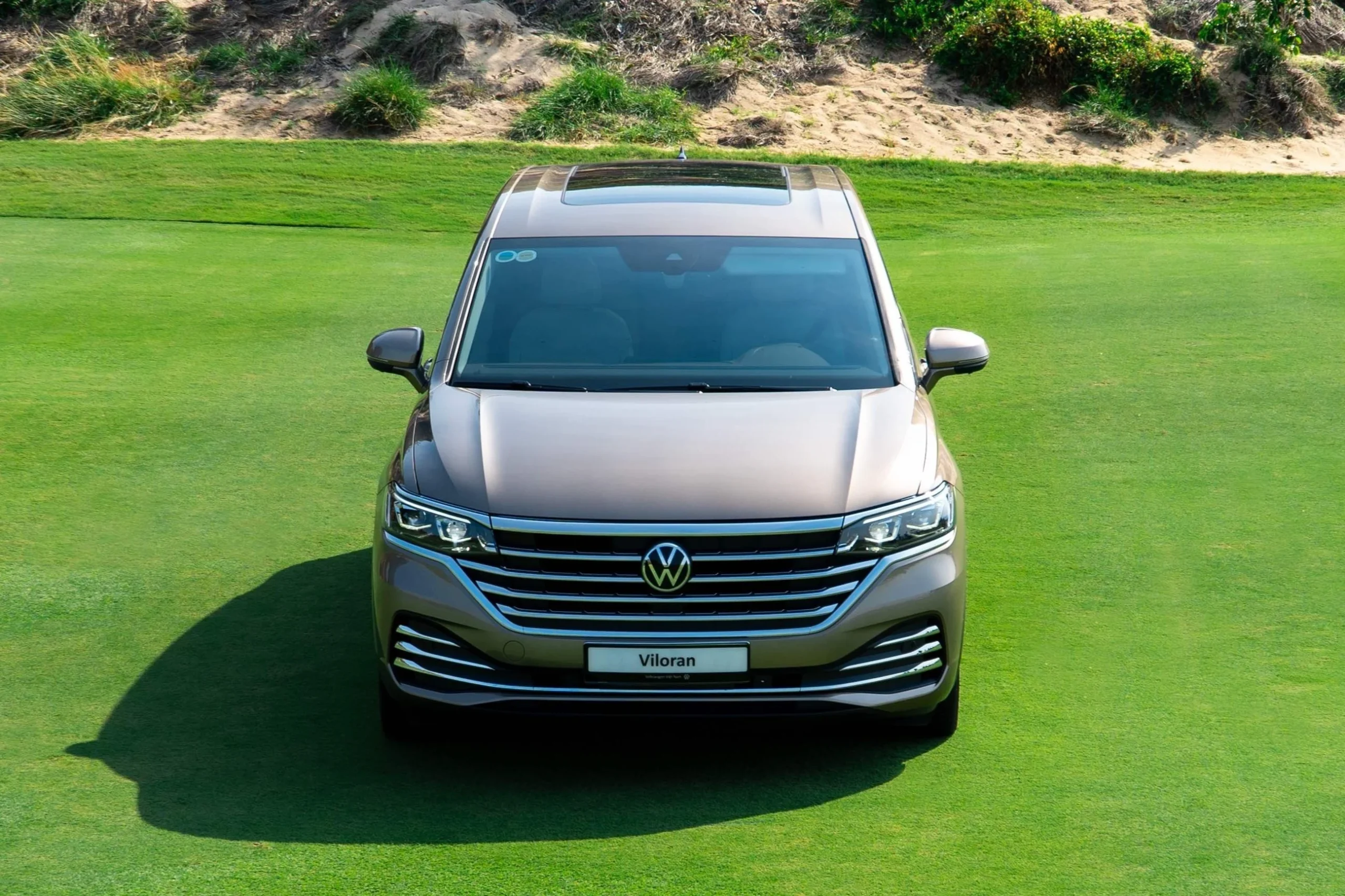
Volkswagen’s Viloran, priced between VND 1.989 billion and VND 2.468 billion, leans on the German badge and a Business‑Class second row to attract executive‑level buyers.
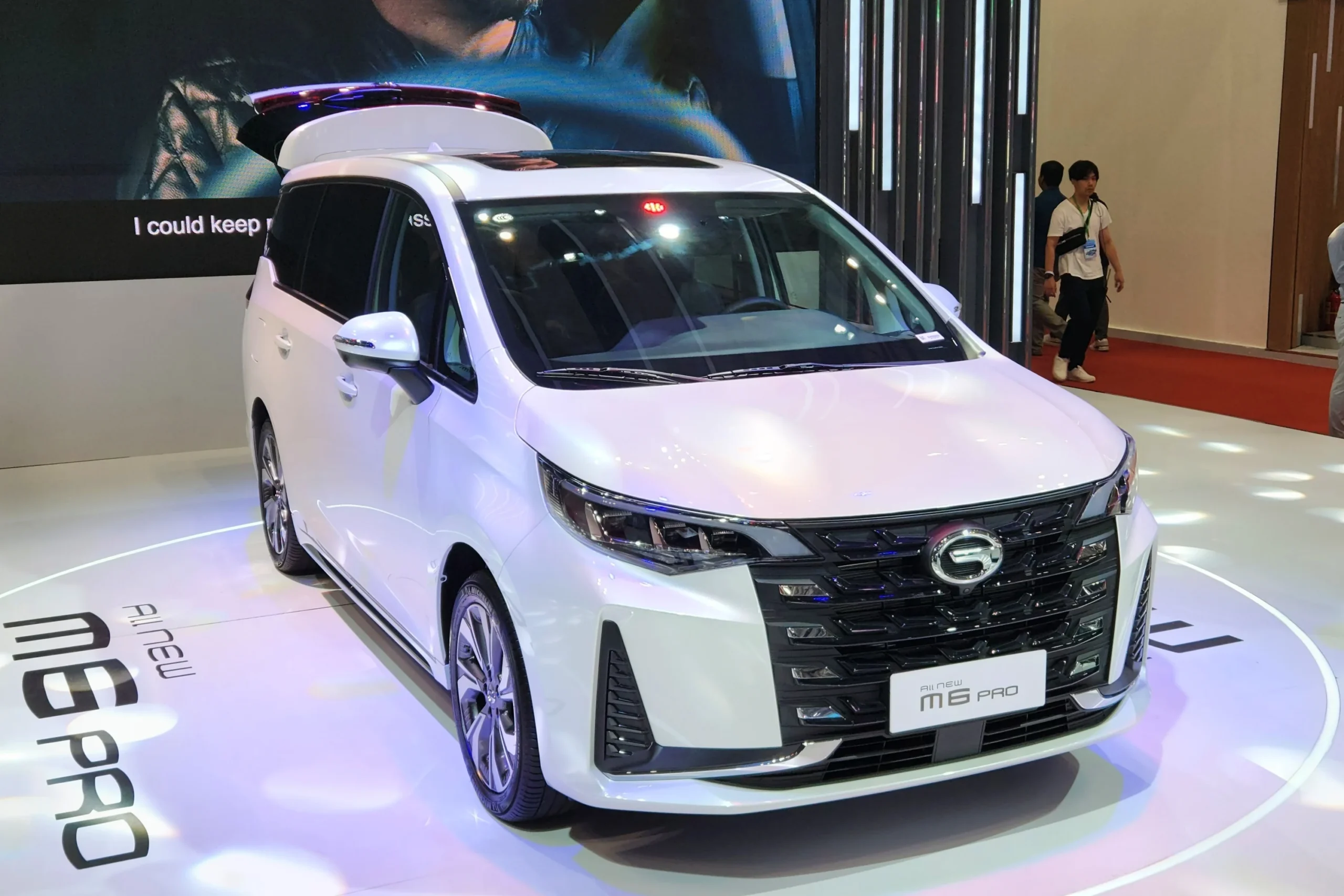
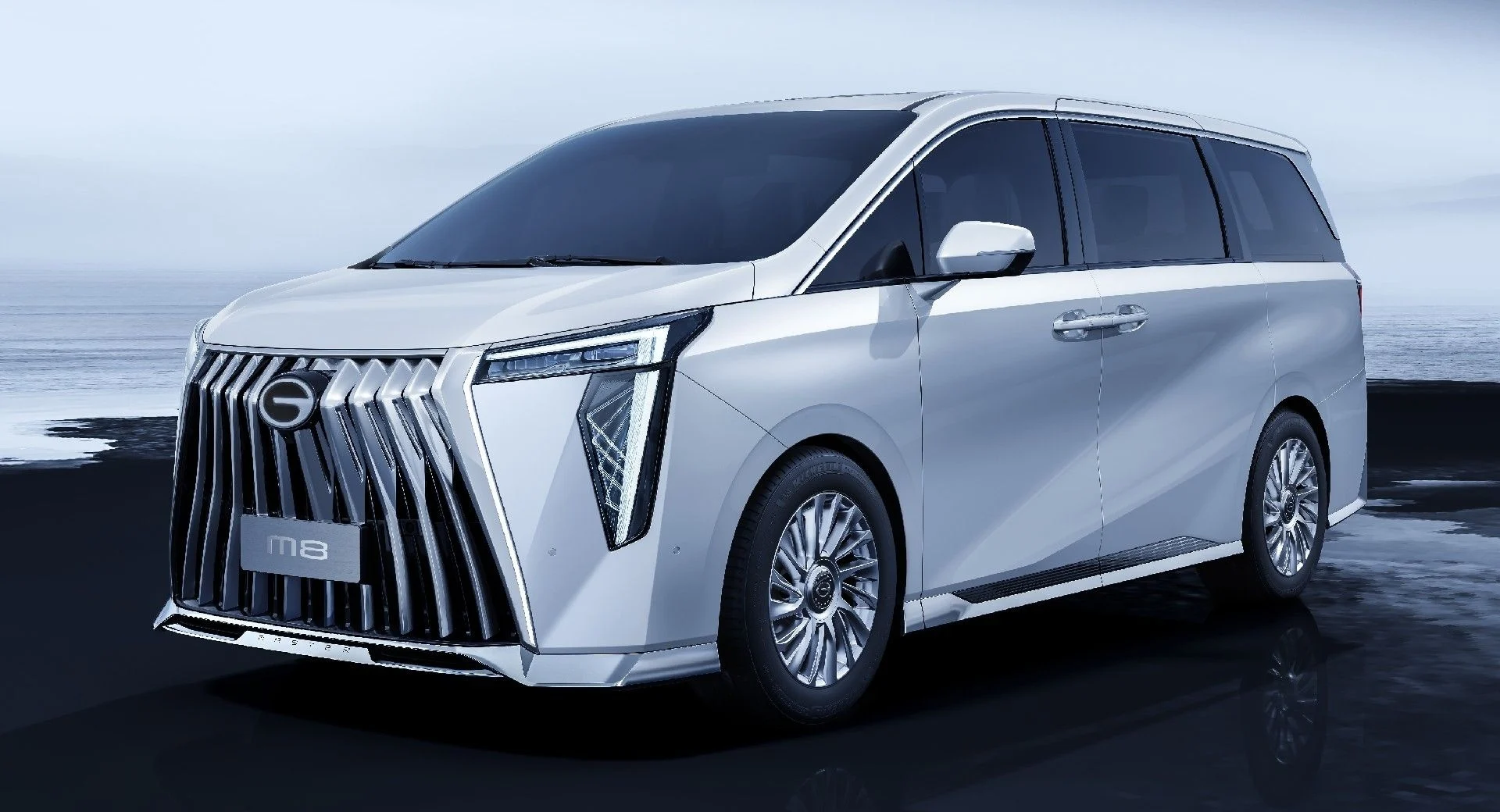
China’s GAC offers two distinct options: the family‑focused M6 and the ultra‑luxurious M8/Pro, branded as “ground‑level yachts” with sleek, modern cabins.
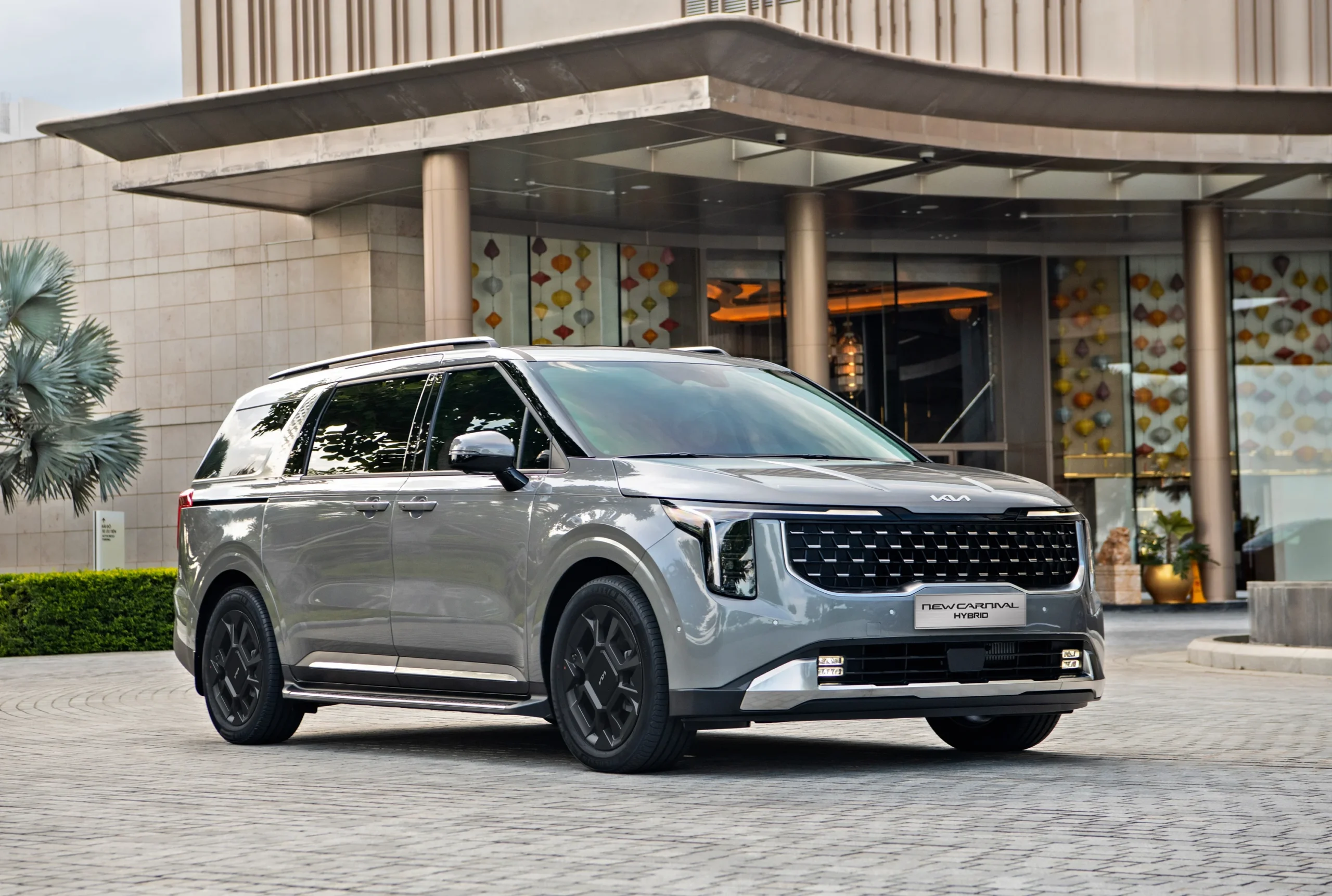
Kia’s Carnival, a sliding‑door flagship above VND 1 billion, combines a generous 5.155 × 1.995 × 1.775 mm footprint with powertrain choices ranging from a 2.2 L Smartstream diesel (199 hp, 440 Nm) to a hybrid unit pairing a 1.6 L turbo with an electric motor for a combined 242 hp. Prices sit between VND 1.299 billion and VND 1.849 billion.
What’s Next? The Coming of Ultra‑Luxury MPVs
Looking ahead, Zeekr’s 009 – an upscale 7‑seat MPV rivaling the Viloran and GAC M8 in size – is slated for a 2026 launch, offering both four‑ and seven‑seat configurations.
Conclusion: A Diversified Landscape
By 2026, Vietnam’s MPV market is no longer a niche for cheap gasoline vans. It’s split between cost‑effective electric workhorses for commercial fleets and premium family‑oriented models that challenge the dominance of SUVs. Whether a driver seeks an affordable vehicle to grow a business or a high‑end “land yacht” to showcase success, the 7‑seater MPV segment provides fertile ground for competition and choice.