
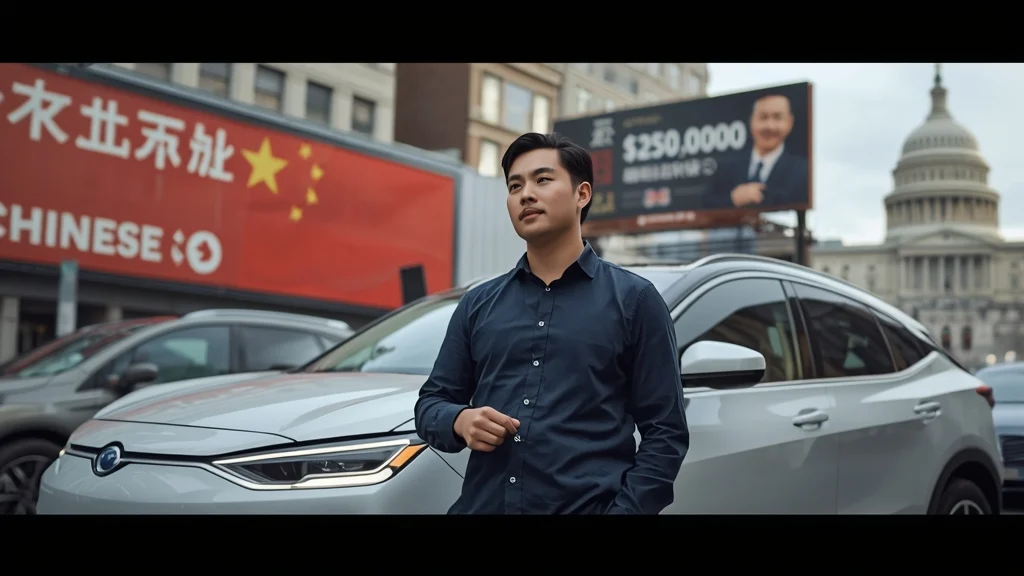
US drivers are eyeing cheap Chinese EVs from BYD, Geely and Zeekr. Discover why they’re popular, the political hurdles, and how you can stay ahead—read more now!
As the average price of a new car in the United States nudges toward $50,000, a growing segment of American drivers is hunting for cheaper, greener alternatives. Among them is 28‑year‑old Sooren Moosavy from Baltimore, who dreams of owning an affordable electric vehicle (EV) that feels smooth on the road and treads lightly on the planet.
Meet the buyer: Sooren Moosavy
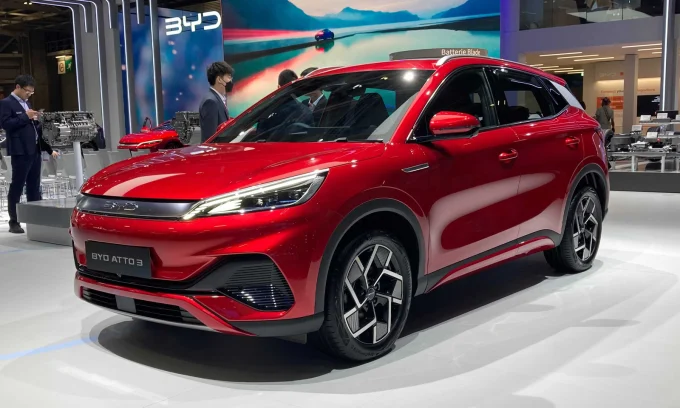
Moosavy has narrowed his wish list to three models that, while popular overseas, are virtually unavailable in the U.S.: a BYD, a Geely, and a Zeekr. He cites their compact size, upscale interiors and, most importantly, their price tags as the key attractions. “I would love the chance to own or at least test‑drive one,” he told Reuters.
Chinese EVs gaining traction abroad
In Europe, Latin America and Canada, Chinese‑made electric cars are already cruising highways and city streets. Many of these models are priced below $30,000 and come stocked with high‑tech driver‑assist software, integrated mini‑fridges and even optional karaoke systems. “The technology they offer at such low cost is astonishing,” says Clint Simone, senior editor at Edmunds, who recently test‑driven several Chinese EVs at CES.
U.S. trade policies and political pushback
Despite the global surge, the United States has imposed tariffs exceeding 100% on Chinese‑manufactured cars, citing data‑security worries and the need to protect American jobs. Former President Donald Trump, speaking in Detroit earlier this year, suggested he would allow Chinese manufacturers to set up U.S. plants if they hired American workers.
Nevertheless, industry groups have sent letters to the administration urging a ban on Chinese EVs, fearing they could undercut domestic makers. Ohio Republican Senator Bernie Moreno warned at a Ford factory event that, “as long as I breathe, no Chinese car will be sold in America.”
Dealership perspective
Rhett Ricart, an Ohio dealer who sells Ford, Chevrolet and Hyundai vehicles, admits he sees no reason why customers wouldn’t snap up a Chinese EV if it hit the showroom floor. Yet a recent Cox Automotive survey reveals only 15% of U.S. dealers support Chinese brands entering the market, and just 26% trust them to meet U.S. safety standards.
Consumer sentiment
Consumer enthusiasm tells a different story. In a poll of 802 U.S. shoppers planning to buy a car within the next two years, 49% rated Chinese EVs as “very good” or “excellent” value, and 40% expressed support for Chinese brands in the domestic market.
YouTube auto enthusiast Rich Benoit, whose channel showcases Chinese EV reviews to millions, says price is the biggest draw. “People want fuel savings, a quiet ride and a low purchase price—not everyone is a gearhead,” he explains.
What’s next for Chinese EVs in America?
Some enthusiasts are already finding workarounds. Benoit is considering buying a BYD in Mexico and driving it across the border, noting that Chinese automakers have been selling there for years. If U.S. tariffs remain, Mexico could become the de‑facto gateway for cost‑conscious American buyers.
With demand rising and political winds shifting, Chinese electric cars may soon find a foothold on American streets—provided they can clear regulatory hurdles and convince a skeptical industry that they’re safe, secure and worth the ride.