
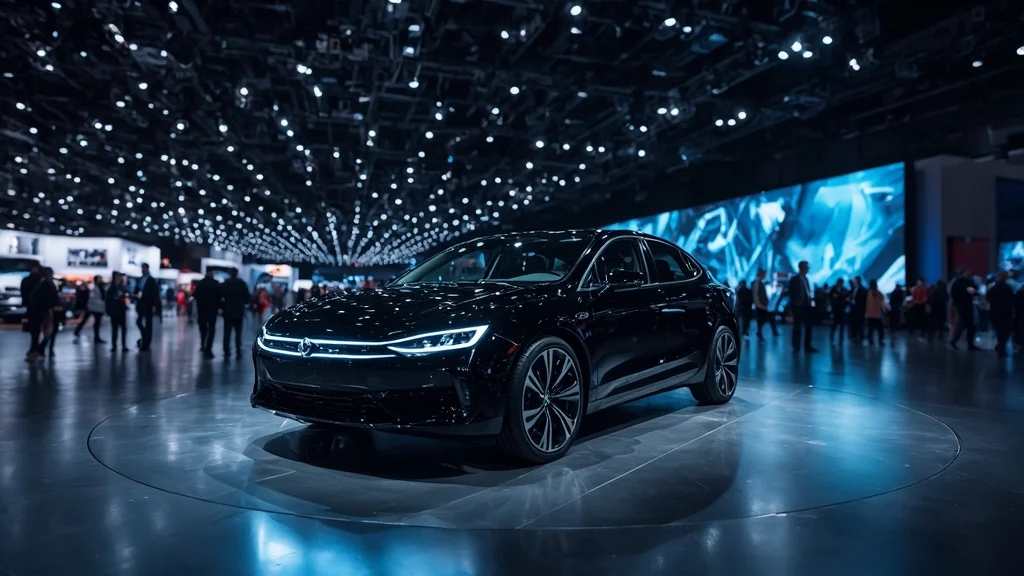
Discover how car manufacturers are dominating CES 2026 with AI-powered autonomous vehicle tech amid electric‑car setbacks. Read more now!
Las Vegas is set to host the world’s biggest consumer‑electronics showcase, CES 2026, from Jan 6‑9. While the event traditionally launches the latest TVs, laptops and wearables, this year’s spotlight is shifting toward the automotive sector.
AI Takes Center Stage at CES
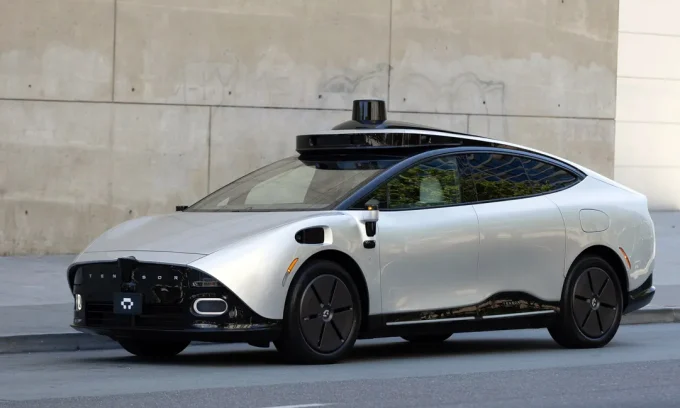
Investors are betting that artificial intelligence will rejuvenate an industry currently grappling with slowing development cycles, rising costs and tighter regulatory scrutiny. A flood of automotive parts suppliers and start‑ups are lining up to unveil the newest hardware and software for driverless cars.
Auto Industry Reevaluates Electric‑Vehicle Plans
U.S. automakers have been forced to trim or pause their electric‑vehicle (EV) programmes after recent policy roll‑backs and reduced incentives. The shift has left many manufacturers searching for fresh revenue streams, prompting a rapid pivot toward autonomous‑driving technology.
Self‑Driving Technology Gains Momentum
Major announcements are expected at the show, promising to shift much of the driving burden away from humans or even eliminate the need for a driver entirely. C.J. Finn, head of the automotive practice at PwC, warned that “the way companies use AI to tackle the safety challenges of driverless deployment will be scrutinised closely,” adding that vehicle‑to‑cloud connectivity will be a focal point.
Beyond cars, AI is set to permeate a range of products—from robots and smart wearables to household appliances and medical devices—broadening the market for automotive‑grade chips.
Key Players and Partnerships
Industry giants such as Nvidia CEO Jensen Huang and AMD CEO Lisa Su are among the headline speakers, underscoring the convergence of high‑performance computing and automotive engineering.
Regulatory and Cost Hurdles Remain
Commercialising autonomous fleets is far from straightforward. High capital expenditure, complex regulations and post‑collision investigations have forced several start‑ups out of the market. Nonetheless, Tesla’s plans to launch a small‑scale, safety‑monitored autonomous taxi service in Austin, Texas, in 2025, and Alphabet’s Waymo expansion continue to inject optimism.
Driver‑assistance systems are also evolving. Some manufacturers now offer hands‑free driving and automatic lane changes on highways, while companies like Rivian are targeting “no‑look” autonomous city driving.
Economic Pressures and Trade Tariffs
Automakers are grappling with billions of dollars in losses stemming from the EV strategy reversal and high import tariffs on vehicles and parts imposed during the previous administration. Many have absorbed these costs rather than passing them to consumers, squeezing margins further.
“The combination of tariff pressures and increased competition from Chinese manufacturers will dominate the conversation at CES,” says Felix Stellmaszek, global head of automotive and mobility at the Boston Consulting Group.
As the industry navigates these challenges, CES 2026 promises to be the barometer for the next wave of AI‑driven automotive innovation.