
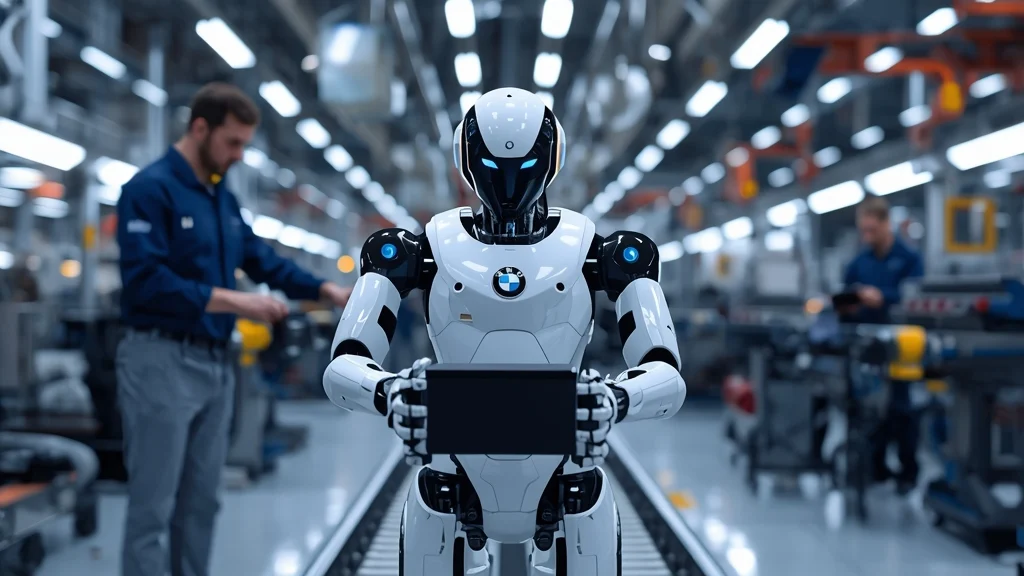
BMW introduces humanoid AI robots on its Leipzig plant to boost efficiency and support workers. Discover the future of automotive manufacturing today!
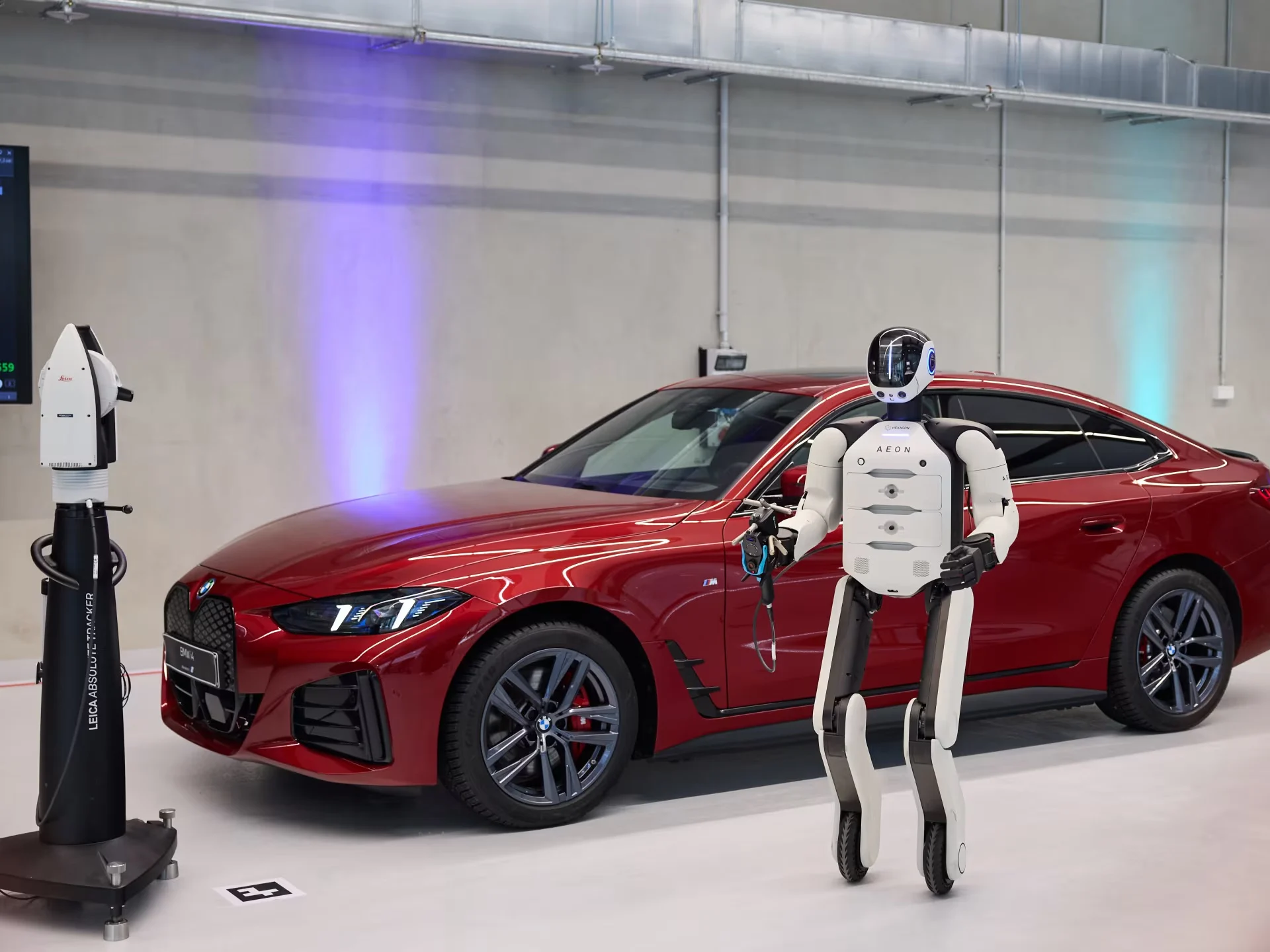
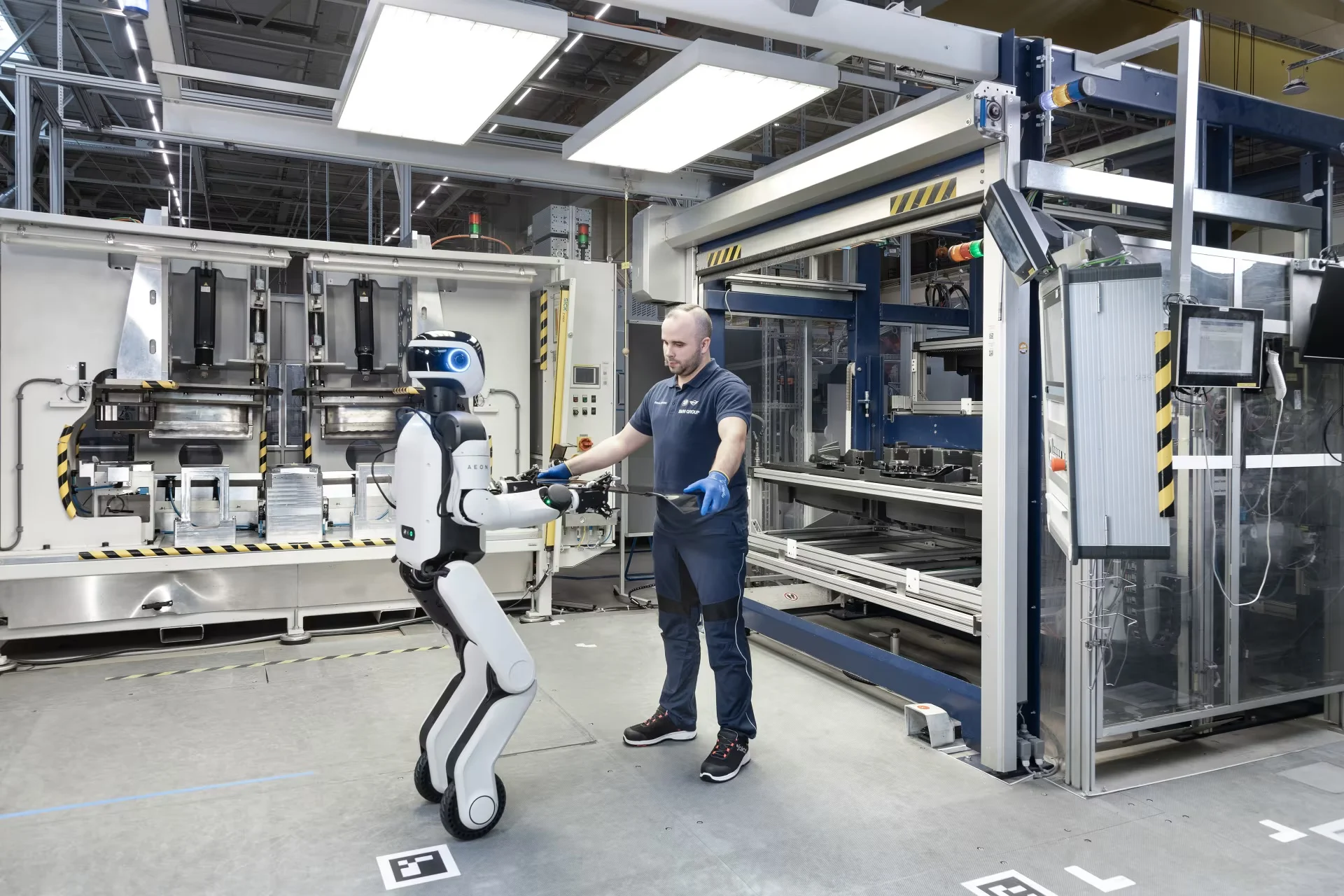
German automaker BMW is taking a decisive step toward the next generation of vehicle production by piloting humanoid, artificial‑intelligence‑driven robots on its Leipzig plant’s assembly line. The trial, set to launch in April 2026, will see a small fleet of robots from Hexagon Robotics working alongside humans in high‑voltage battery‑pack assembly and component‑handling zones.
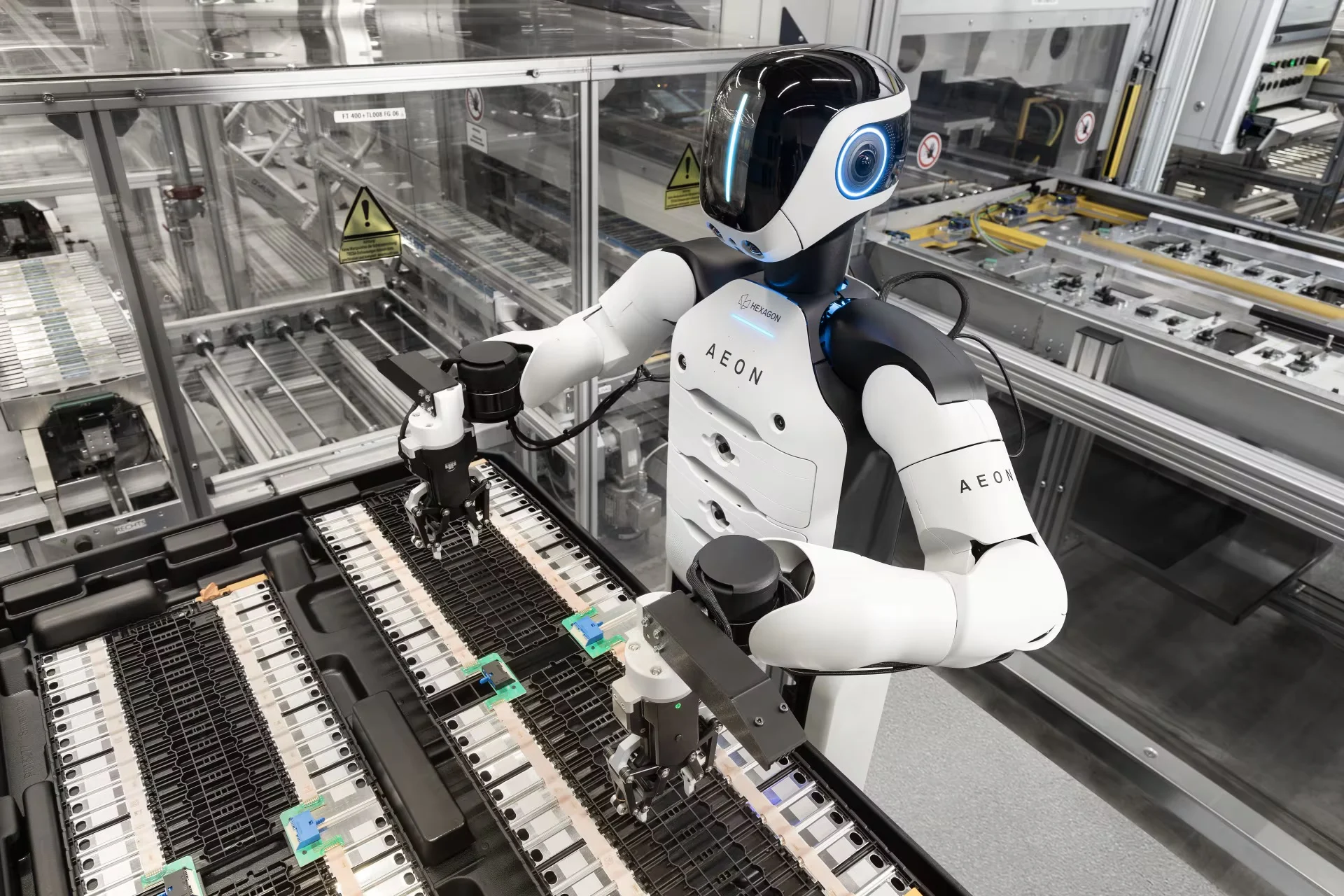
What the robots will do
These “physical AI” machines are not meant to replace the workforce. Instead, they are programmed to tackle repetitive, physically demanding or safety‑critical tasks—lifting heavy battery modules, performing precision placements, and monitoring hazardous environments. Over time, the robots will learn from real‑world experience and gradually take on more complex duties.
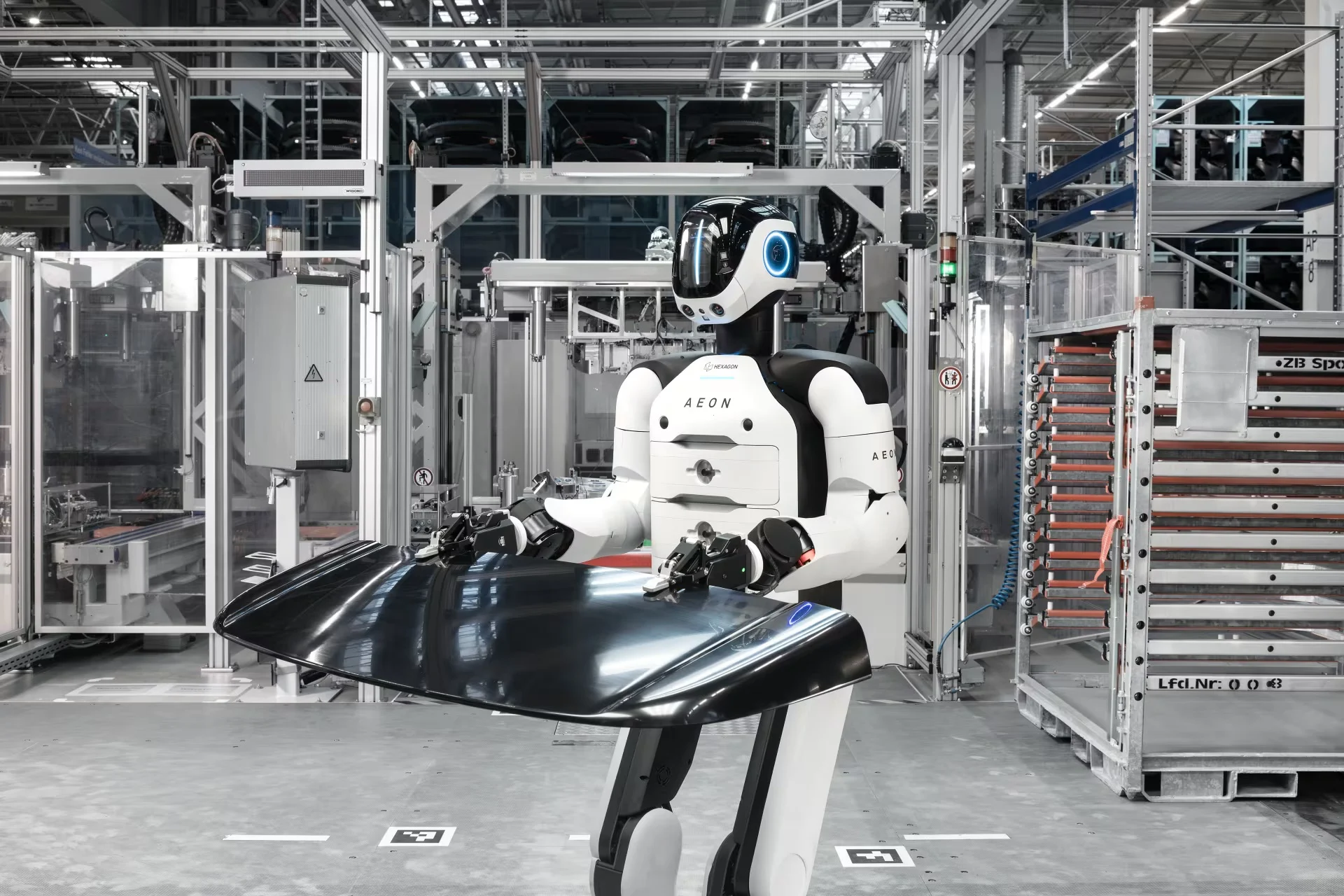
A proven concept
The Leipzig trial builds on a successful experiment conducted in 2025 at BMW’s Spartanburg factory in South Carolina. There, robotic assistants helped assemble metal sheets for the welding of over 30,000 BMW X3 models, demonstrating that controlled‑environment training can translate quickly to real‑production settings.
Why now?
BMW is accelerating its automation and digital‑transformation agenda as it prepares to roll out a slew of new electric models in the coming years. Humanoid robots offer a flexible response to unexpected production hiccups, help contain labor costs, and maintain the high precision required for electric‑vehicle manufacturing.

Potential benefits
- Increased line efficiency and uptime
- Reduced physical strain on human workers
- Enhanced safety in high‑voltage zones
- Scalable AI capabilities for future factory upgrades
- Cost savings without compromising quality
Looking ahead
While the primary goal is to augment human effort, the deployment of humanoid robots raises broader questions about the long‑term impact on the automotive labour force. As AI and robotics become more embedded in car factories worldwide, the industry will need to balance technological progress with workforce development and job security.
BMW’s Leipzig pilot will provide valuable data on how physical AI can coexist with skilled technicians, potentially shaping the blueprint for next‑generation automotive production across the globe.