
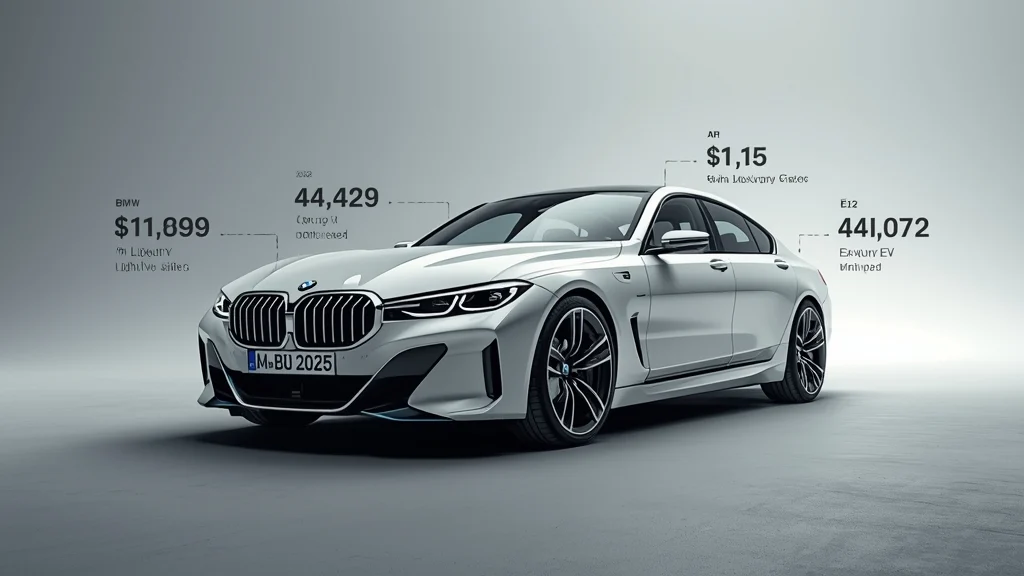
BMW continues to dominate the luxury car market in 2025, outpacing Mercedes‑Benz and Audi worldwide. Discover the sales figures, EV performance, and what’s next for the brand. Read on!
Global Overview
BMW finished 2025 as the world’s best‑selling premium‑vehicle brand, widening the gap with long‑time rivals Mercedes‑Benz and Audi despite a turbulent market and weak demand in several key regions.
Sales Figures at a Glance
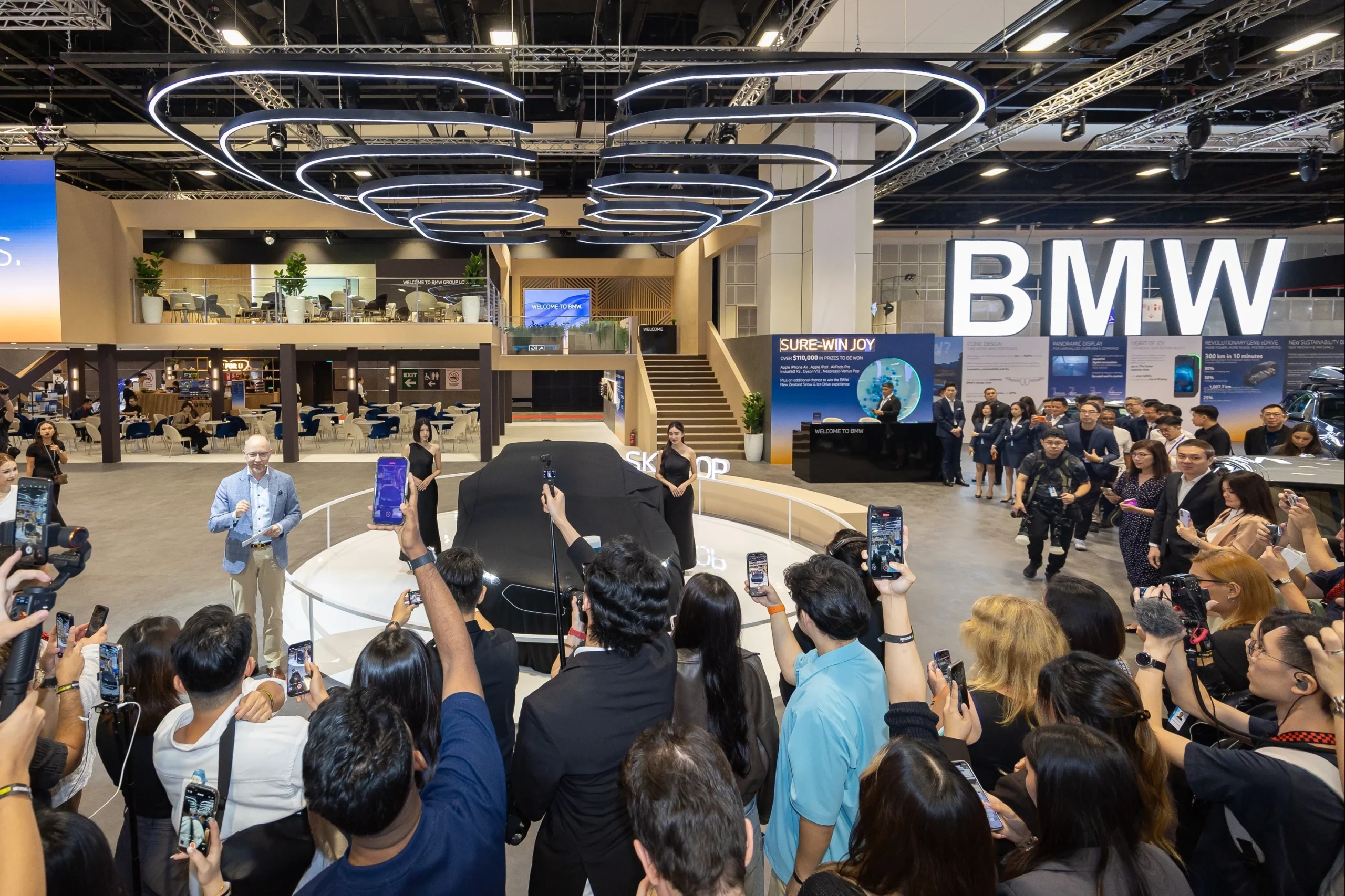
According to the latest worldwide delivery data, BMW shipped 2,169,761 vehicles in 2025 – a modest 1.4% dip from 2024 (Mini and Rolls‑Royce excluded). The decline was far milder than Mercedes‑Benz, which delivered only 1,800,800 cars, a 9% drop year‑on‑year. This widened the rivalry gap to roughly 369,000 units.
Audi reported 1,623,551 deliveries, down 2.9%.
Performance Sub‑Brands
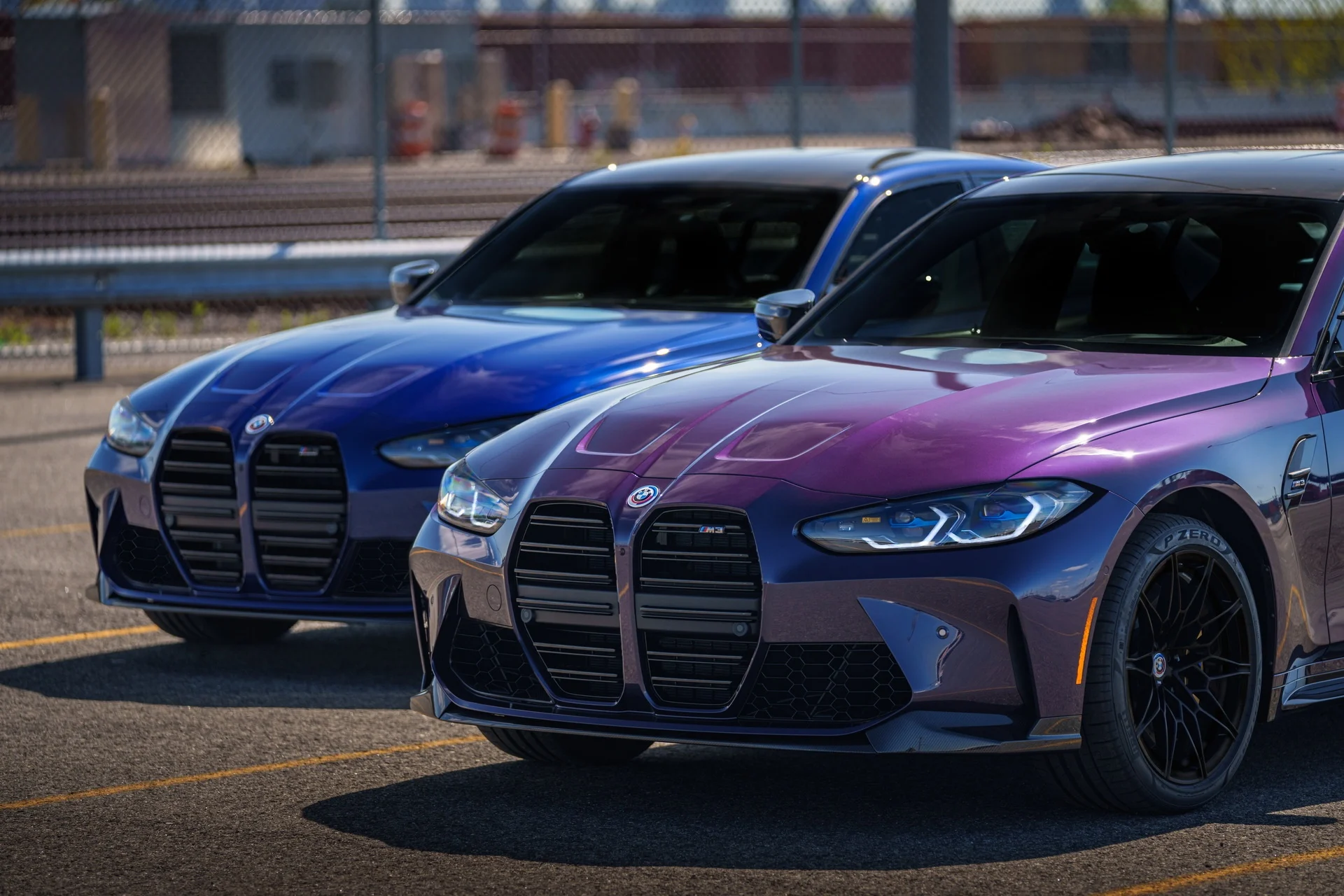
BMW’s high‑performance arm, BMW M, celebrated its 14th consecutive record year with 213,457 units sold – a 3.3% increase over 2024. Mercedes‑AMG grew 7% to 145,000 cars, while Audi Sport (RS models) fell 13% to around 36,000 units.
Electric Vehicle (EV) Leadership
In the EV segment, BMW remained ahead. The group delivered 442,072 zero‑emission vehicles, including a record‑breaking 105,535 Mini EVs. Excluding Mini, BMW‑badged EVs topped 330,000 units, comfortably surpassing both German rivals.
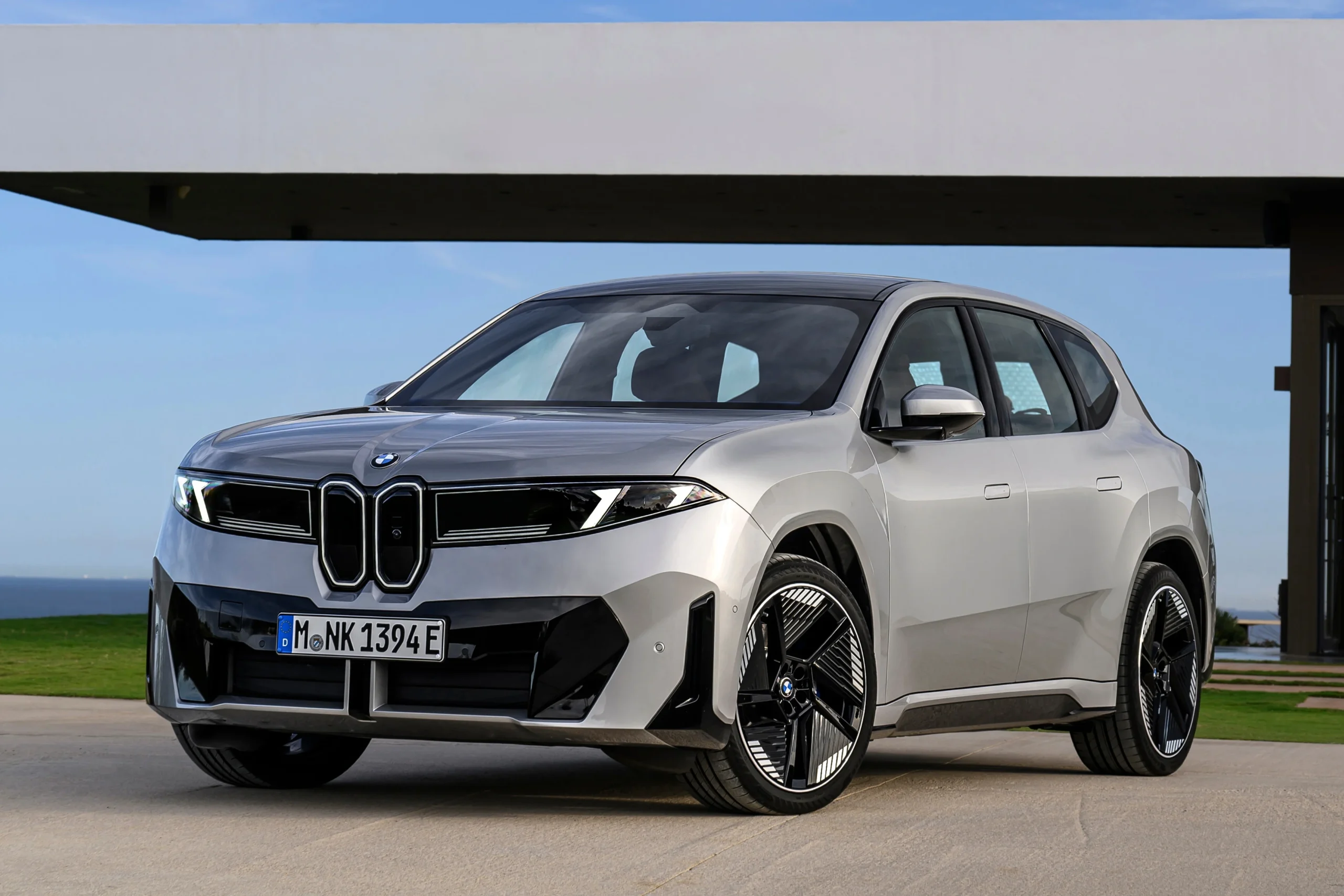
Mercedes‑Benz shipped 168,800 EVs (‑9% YoY) and Audi posted a 13% rise to over 223,000 units.
Rolls‑Royce’s ultra‑luxury Spectre contributed 5,664 units, with the Cullinan SUV leading its line‑up.
United States Market
In the world’s biggest automotive market, BMW solidified its dominance, delivering 388,897 cars – a 4.7% gain and the third straight record year.
Mercedes‑Benz managed only 303,200 passenger cars (+1%) and, even after adding roughly 40,000 commercial vehicles, totalled about 343,200 units, still 46,000 short of BMW’s passenger‑car volume.
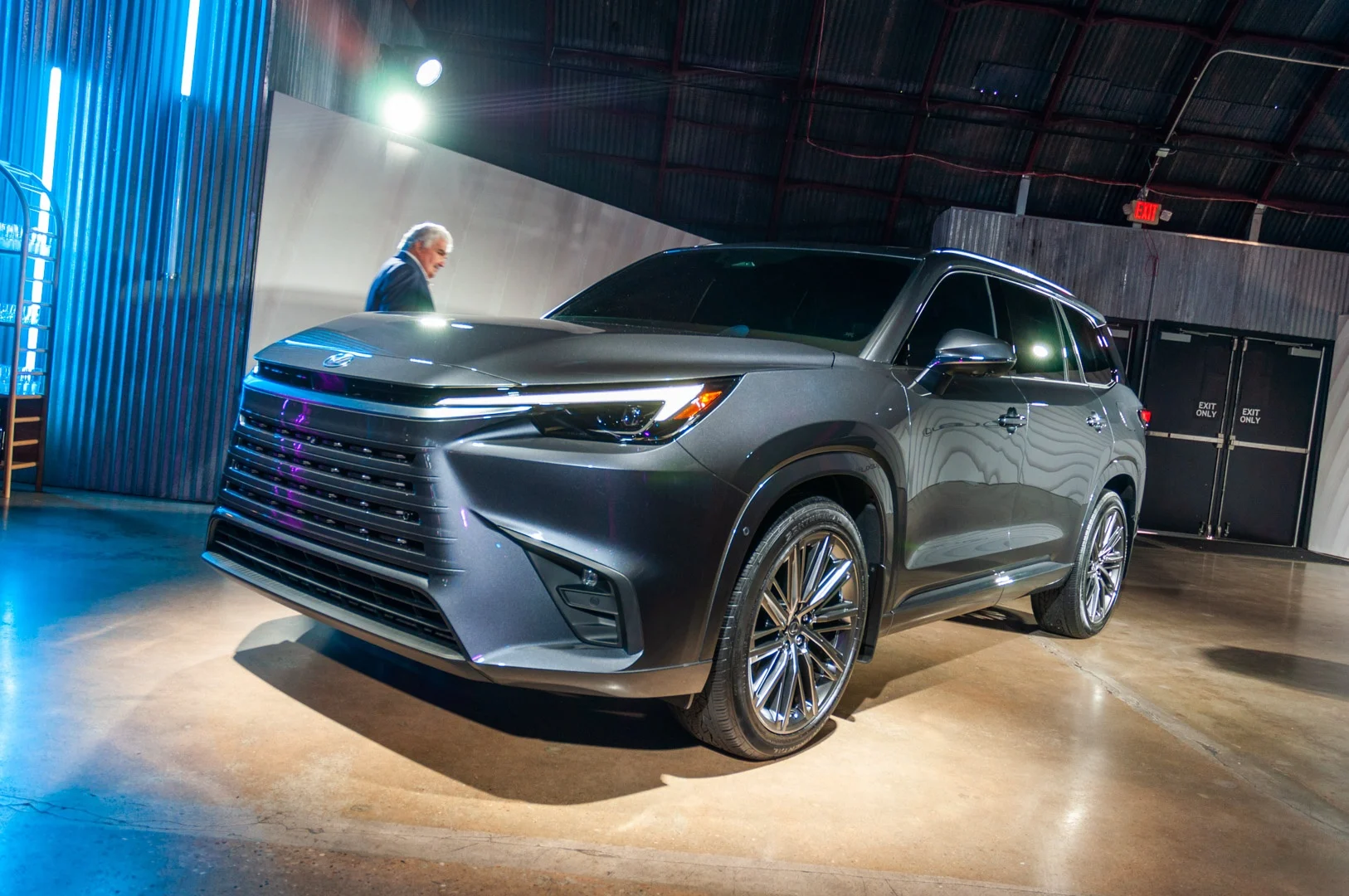
Lexus jumped ahead of Mercedes‑Benz, moving into second place with 370,260 units, pushing the German brand to third.
During the first half of the year BMW’s lead was 36,499 units; by Q3 the gap ballooned as BMW grew 24.9% to 104,163 cars while Mercedes‑Benz fell 17% to 70,800.
China – A Tough Battlefield
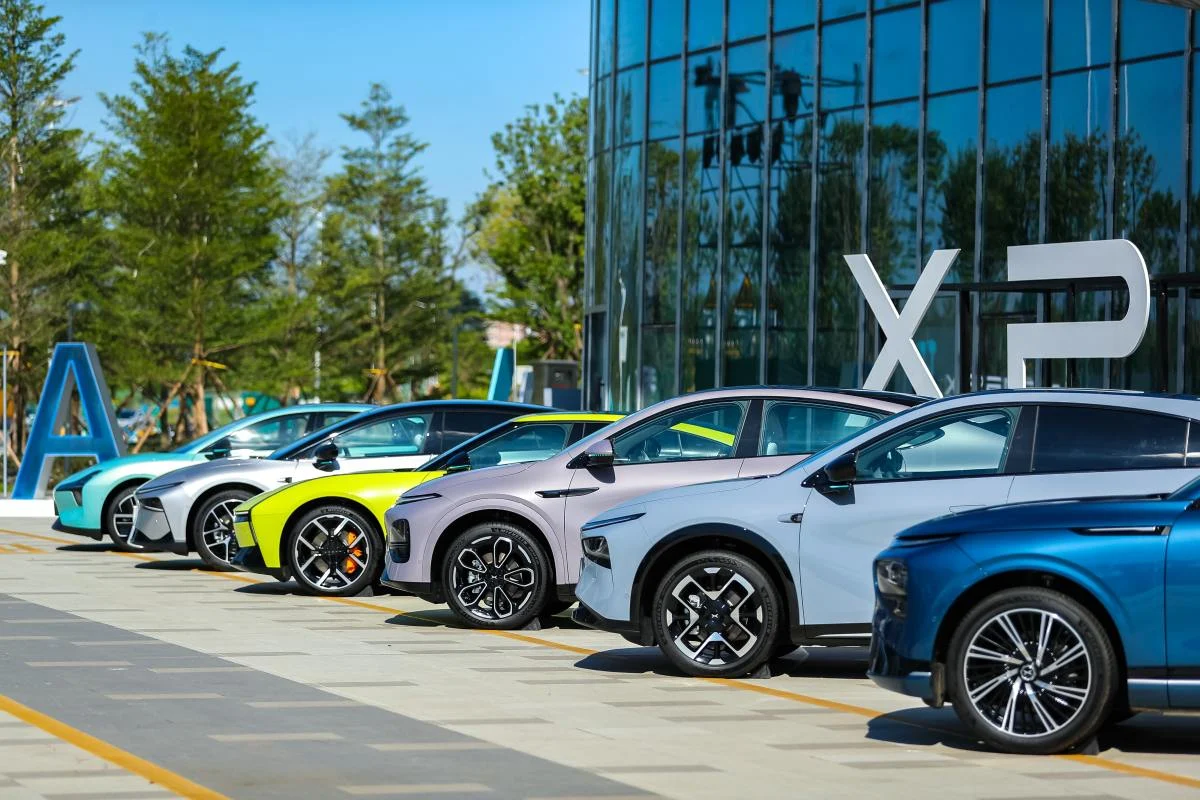
All three German premium marques faced steep declines in China as price‑competitive domestic brands gained ground.
- BMW (incl. Mini) fell 12.5% to 625,527 units.
- Audi slipped 5% to 617,514 units.
- Mercedes‑Benz experienced the steepest drop – 19% – ending the year with 551,900 cars.
Looking Ahead to 2026
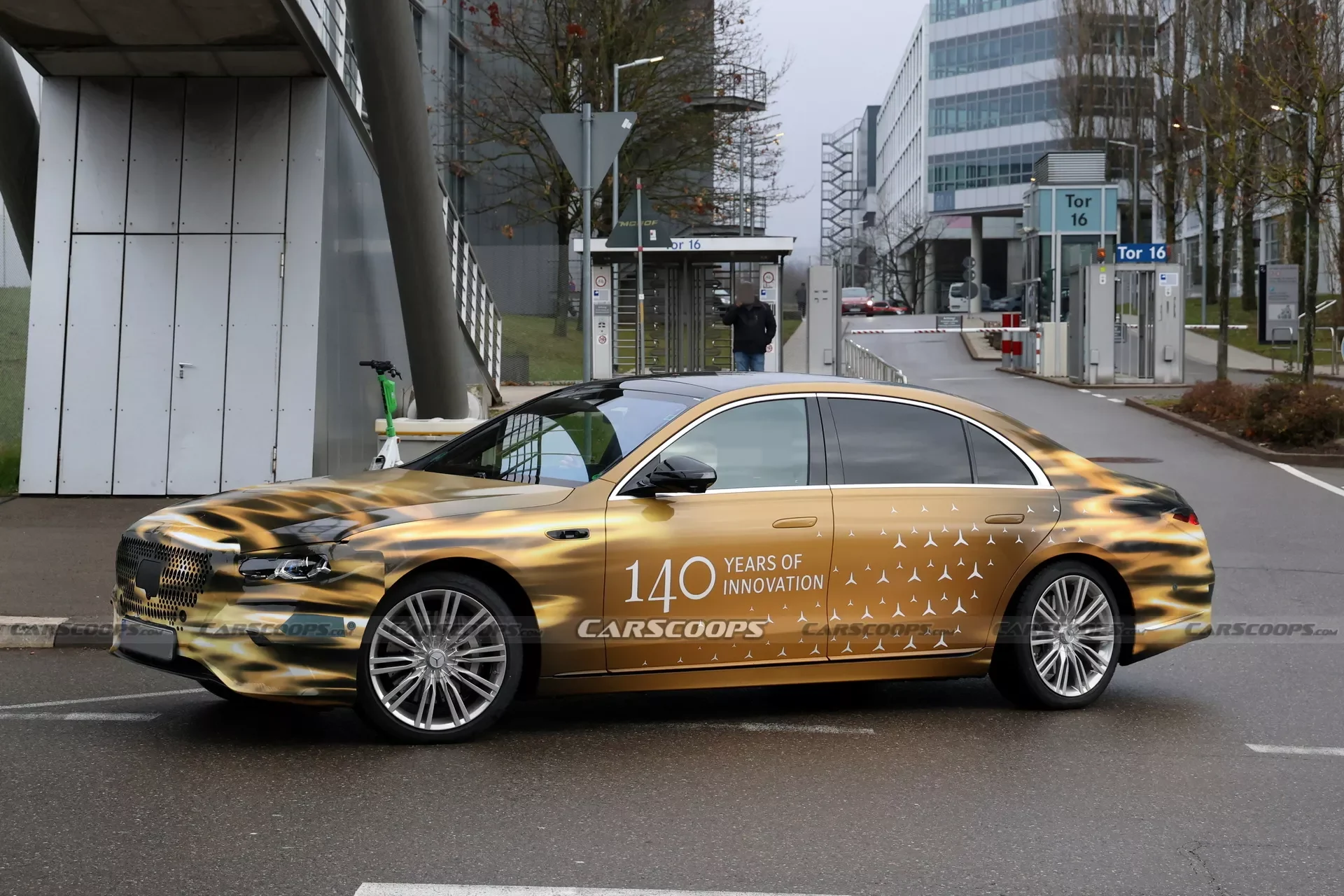
Both BMW and Mercedes‑Benz are gearing up for an exciting product cycle. Mercedes‑Benz will unveil a facelifted S‑Class on 29 January, followed by the Maybach variant. BMW’s refreshed 7‑Series (G70) is expected later in the year, although an exact launch date has not been announced.
Why BMW Stays on Top
The brand’s resilience stems from a diversified portfolio that spans sedans, flagship SUVs, and a robust lineup of high‑performance M models. In contrast, Mercedes‑Benz leans heavily on its GLC and GLE SUVs, with modest growth in those segments and a stagnant passenger‑car range.
Even with a slight global sales dip, BMW’s balanced strategy across traditional and electric vehicles, coupled with strong performance in the US and a resilient product range, ensures it remains the benchmark for luxury‑car excellence.