
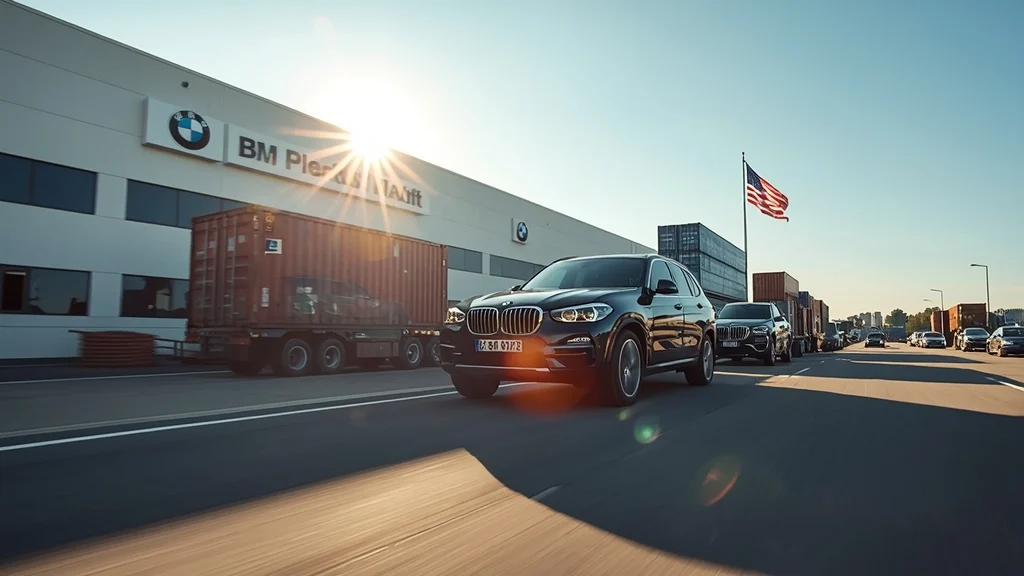
Discover how BMW became the top US car exporter in 2025, shipping $9 bn of SUVs from its Spartanburg plant. Learn the strategy behind the success – read more now!
Even though Detroit’s giants like Ford and General Motors dominate headlines, a European name now tops the list of U.S. vehicle exporters.
BMW Claims the Lead in 2025
According to the latest U.S. Department of Commerce data, BMW Group again ranked first among car exporters by value for the 2025 calendar year. The surge is driven by the massive output of its Spartanburg, South Carolina plant.
Why Spartanburg Matters
Since opening in 2014, the Spartanburg facility has produced more than 3 million vehicles, generating roughly $113 billion in export value. In 2025 alone, about 200,000 SUVs and crossovers left the plant for overseas markets, delivering $9 billion in export revenue.
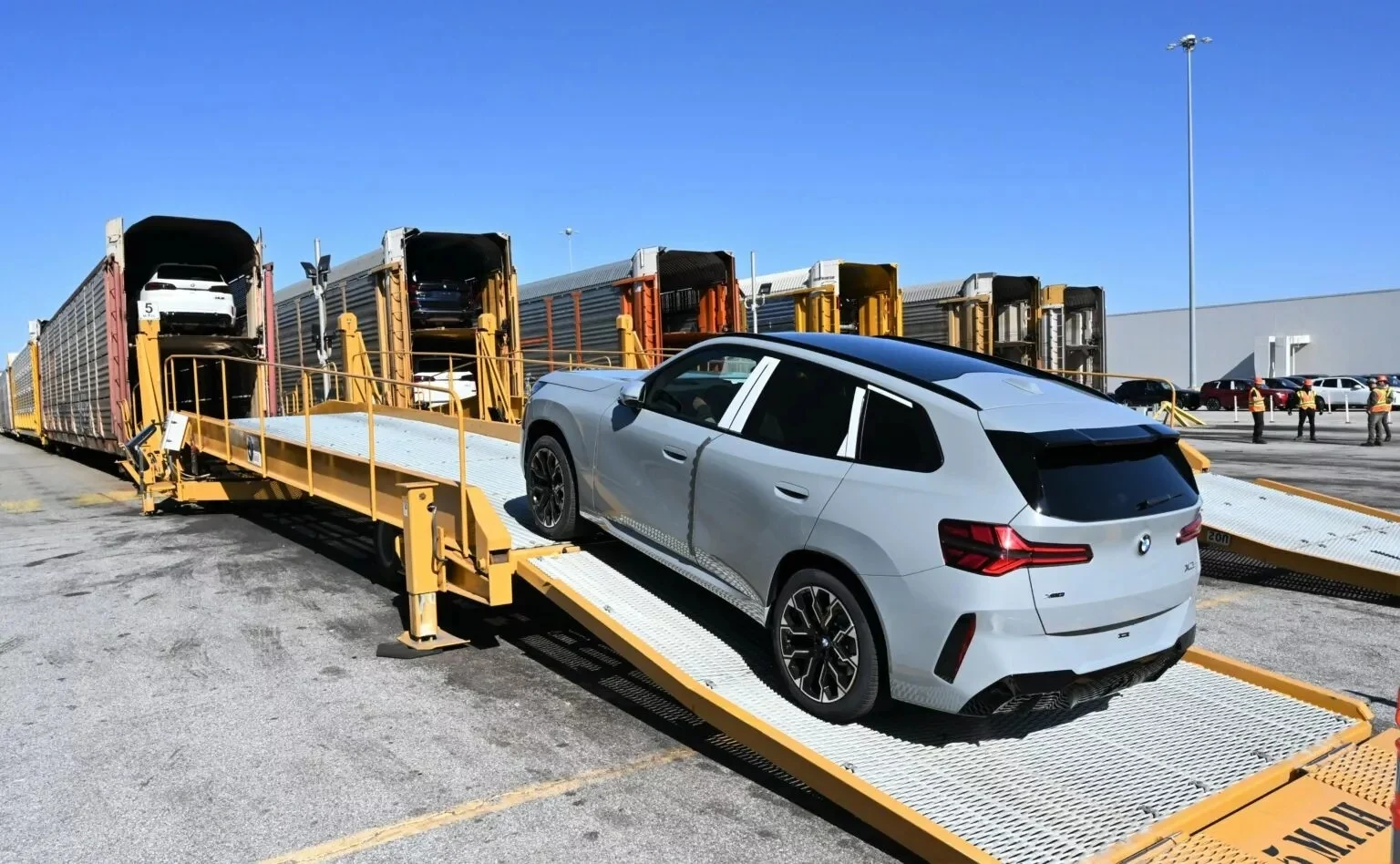
Key figures at a glance
- Annual production capacity: over 1,500 vehicles per day
- Workforce: >12,000 employees
- 2025 output: 412,799 BMW X‑Series models – the third‑highest annual total in the plant’s 30‑year history
- More than 52% of all BMWs sold in the United States are built in Spartanburg, not imported from Germany
- Total investment in South Carolina: nearly $16 billion
Strategic Insight
“Free trade and open markets are the cornerstone of growth and prosperity,” said Milan Nedeljkovic, Board Member responsible for Production at BMW AG. The company’s “manufacture where you sell” approach is paying off, especially as global economic conditions become more unpredictable.
BMW’s U.S. footprint extends beyond assembly. The brand operates over 30 locations across 12 states, including design studios, financial services hubs, and technology centers, reinforcing the Bavarian automaker’s commitment to the American market.
What This Means for the Industry
The Spartanburg success story underscores a broader shift: foreign manufacturers are increasingly investing in local production to meet regional demand, cut logistics costs, and insulate themselves from trade‑policy turbulence. For the United States, it means higher‑skill jobs, deeper supply‑chain integration, and a more diverse automotive export portfolio.
As BMW continues to expand its U.S. operations, the company sets a benchmark for how strategic localization can drive export performance while supporting domestic economic growth.