
Chinese EV maker BYD is outpacing Tesla in over 20 markets with low‑cost batteries and fast overseas expansion. Discover how BYD is reshaping the electric‑vehicle landscape – read more now!
China’s BYD has become the most aggressive challenger to Tesla’s dominance, surpassing the U.S. automaker in sales across more than 20 countries and territories over the past five years. The company’s rapid overseas push is reshaping the worldwide electric‑vehicle (EV) landscape.
Speed as a Competitive Edge
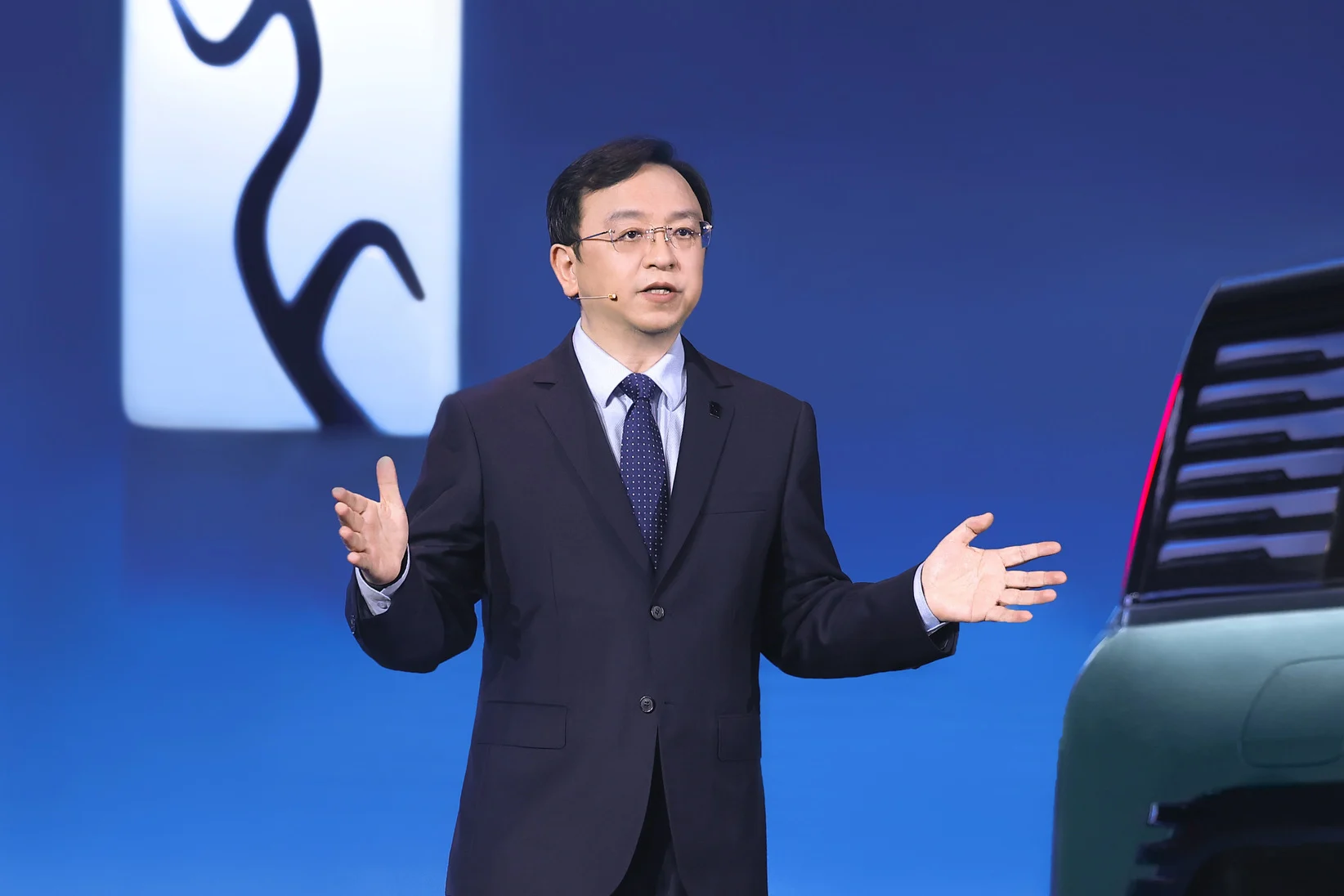
During internal strategy meetings in 2021, BYD founder and CEO Wang Chuanfu repeatedly stressed speed. He warned that traditional giants such as Toyota and Volkswagen were lagging behind in electrification, and that any acceleration on their part would dramatically shift the market. For BYD, moving faster is not just an ambition – it’s a survival imperative.
Fast‑Track Global Presence
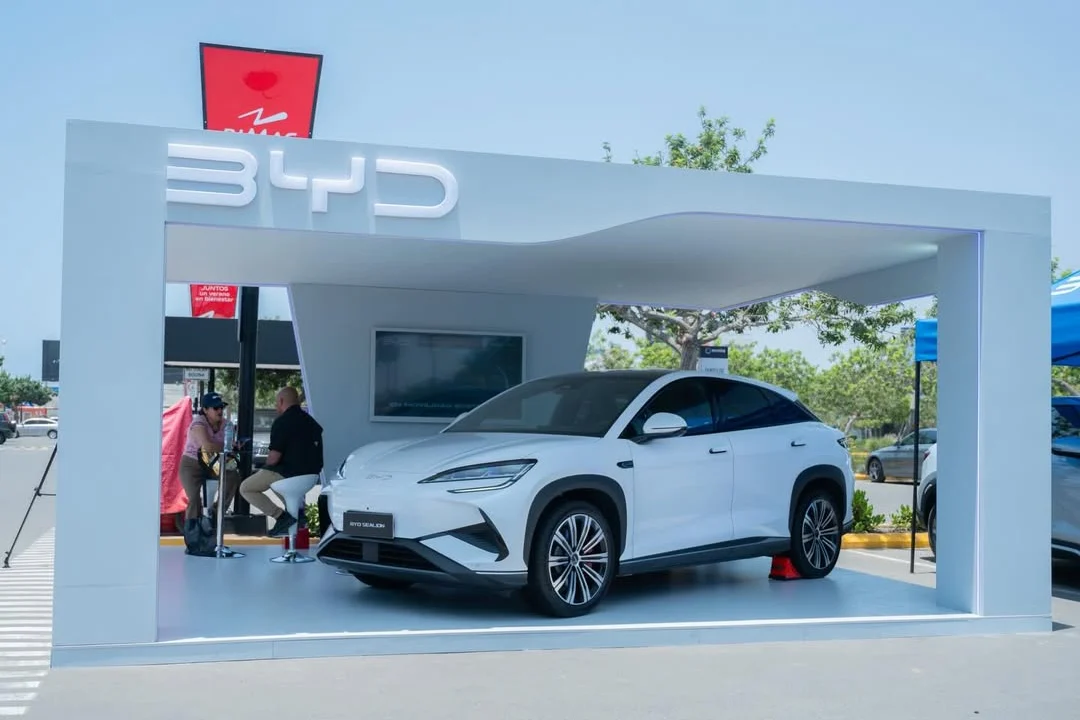
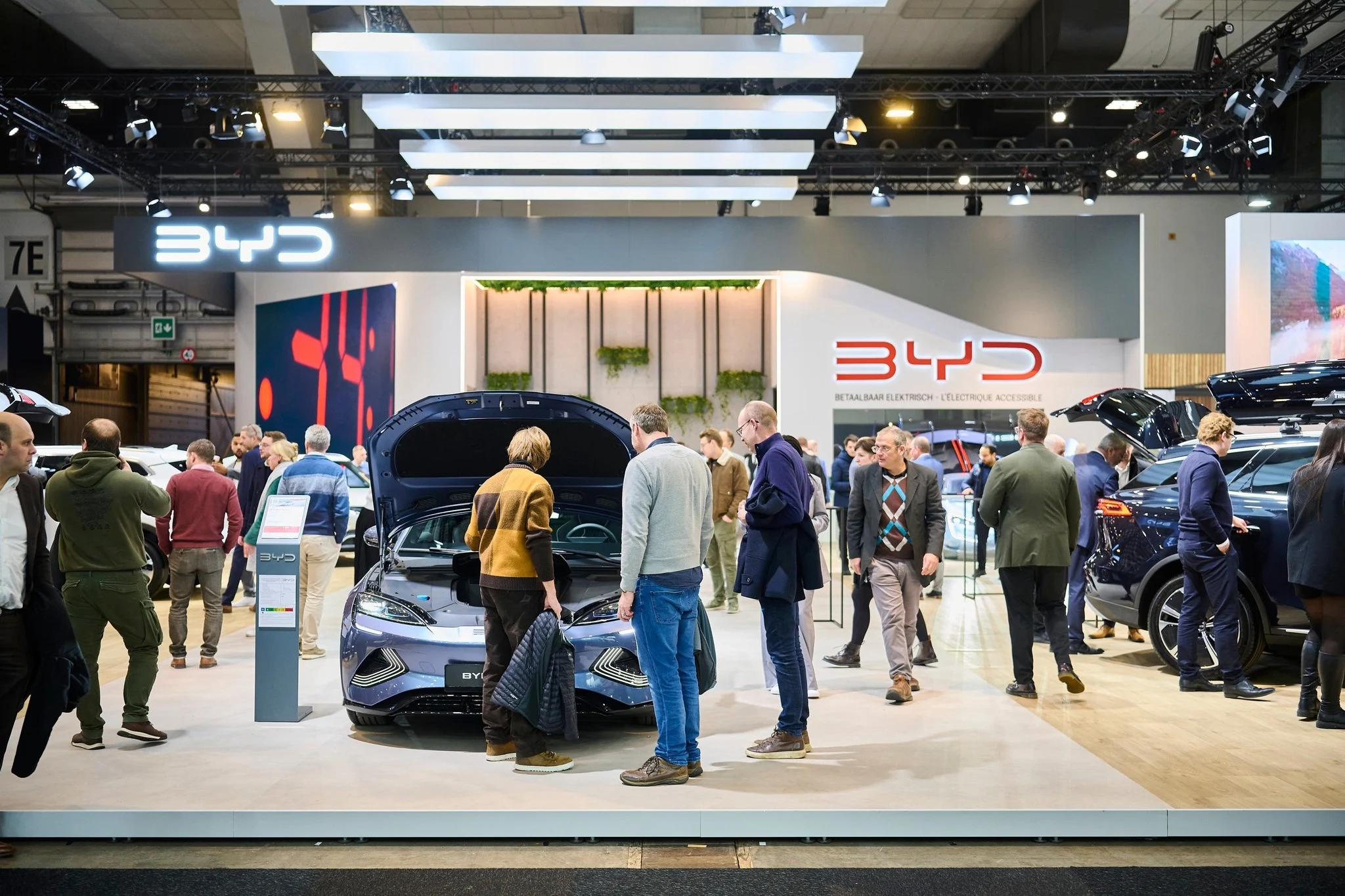
From 2021 to 2025, BYD expanded its footprint to 113 countries and regions. According to S&P Global Mobility, the Chinese automaker topped Tesla in sales in 22 markets during that period, ranging from European capitals to high‑income Asian cities like Hong Kong and Singapore.
Pricing Power from In‑House Battery Production
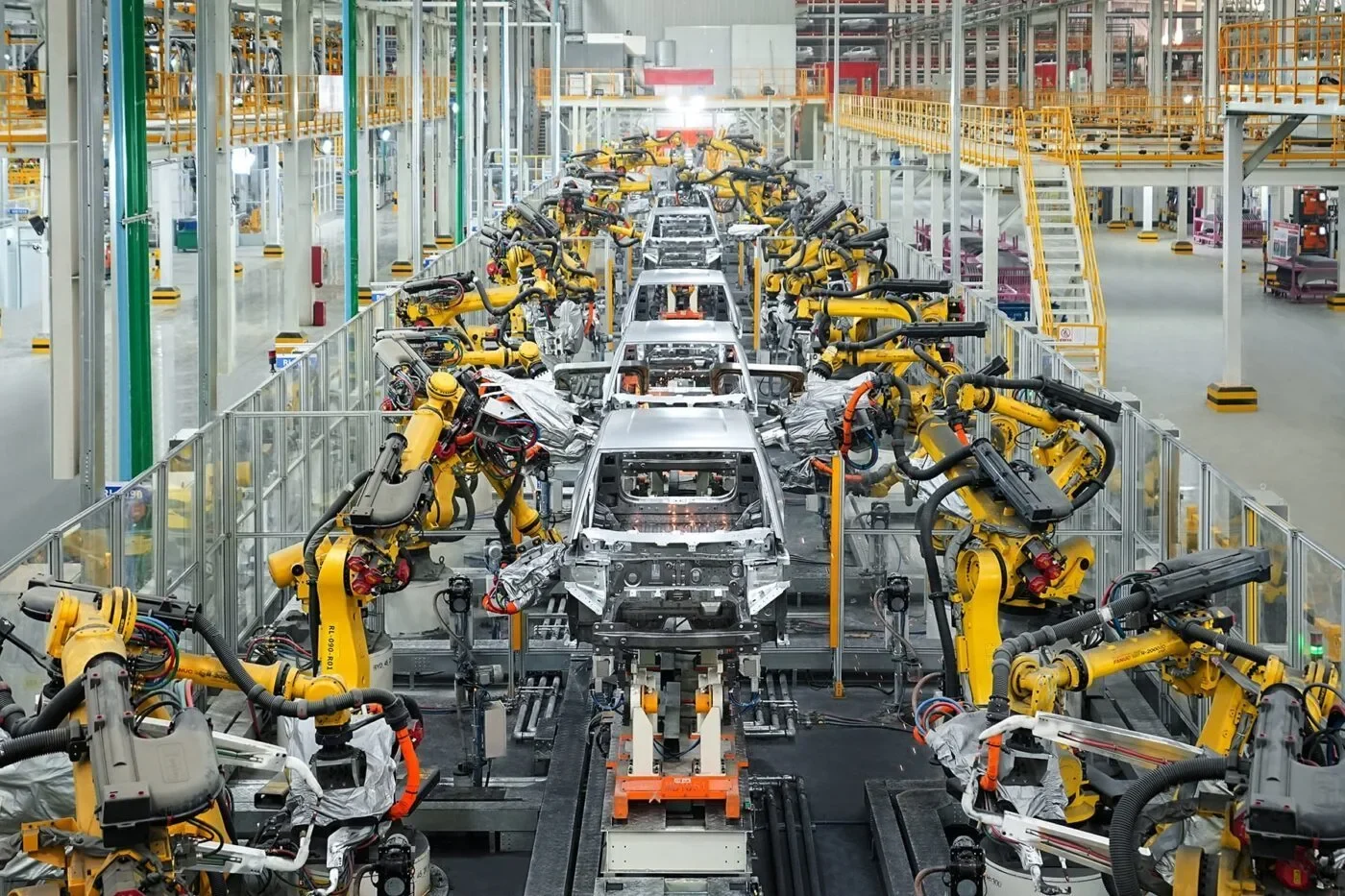
One of BYD’s biggest advantages is its ability to keep prices low. In 2025 the average price of a BYD EV in China was about CNY 114,000 (≈ USD 16,600). The company’s vertical integration – producing its own lithium‑iron‑phosphate batteries and many core components – allows it to undercut rivals while still investing in new models and markets.
Strategic Wins in Emerging Markets
In Uruguay, a nation of 3.4 million people with an annual vehicle market of roughly 70,000 units, BYD began testing electric buses in the early 2010s. The pilot later grew into a full‑scale fleet of buses and electric taxis, cementing relationships with local authorities and dealers.
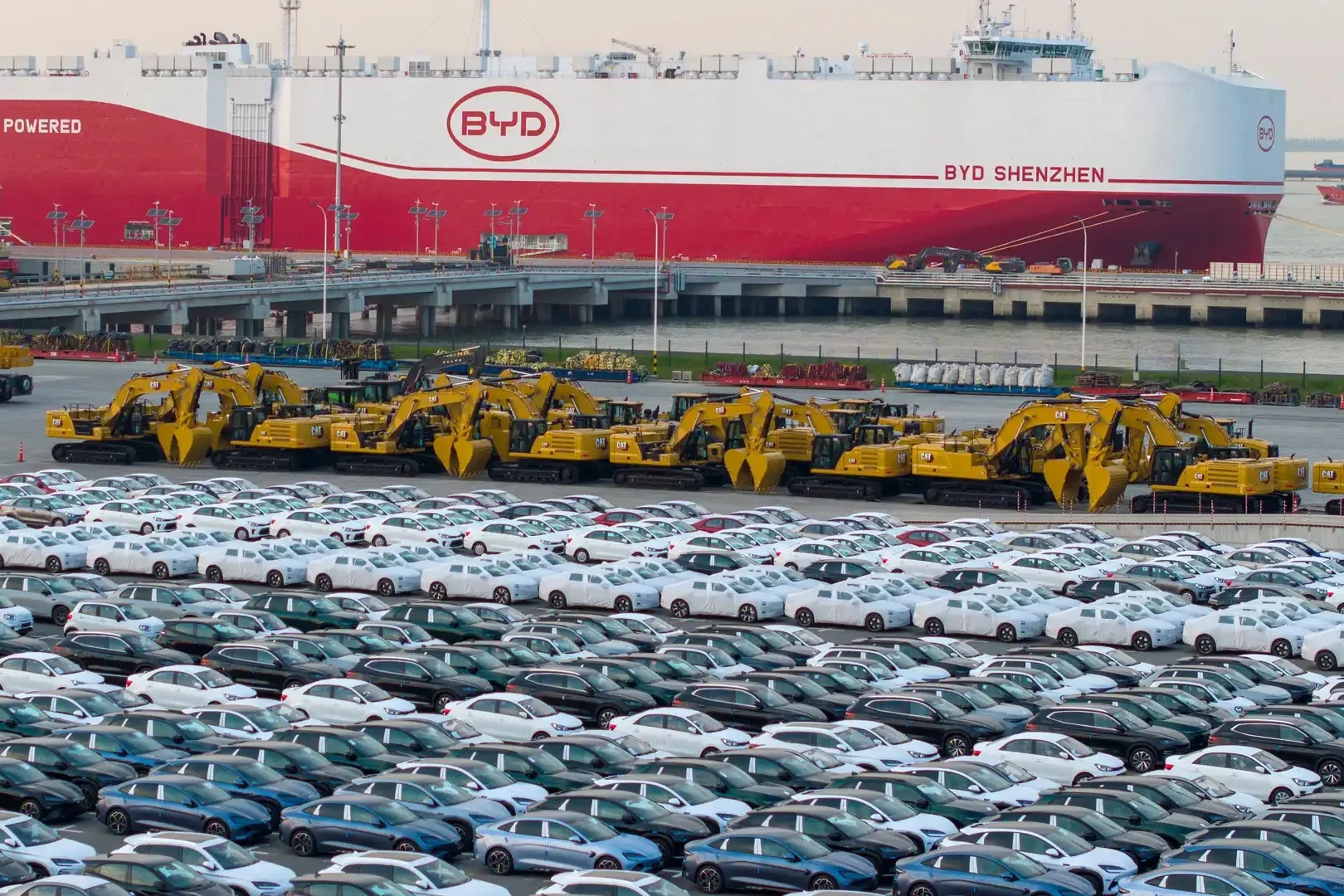
In South America, the newly built Chancay port in Peru – funded by Chinese investment under the Belt and Road Initiative – now serves as a direct gateway for BYD vehicles to the continent, cutting shipping times by up to ten days and reducing transit to about 25 days.
Western Barriers and Adjusted Strategies
Expansion has not been without friction. A planned BYD plant in Mexico, intended to bypass high U.S. tariffs, was scrapped after political pressure from the Trump administration. Meanwhile, the European Union has introduced standards that favor smaller‑size EVs, effectively limiting the entry of some Chinese models.
Despite these hurdles, BYD remains committed to localization. The automaker announced a shift from pure export to local assembly, eyeing a new passenger‑vehicle plant in Hungary later this year, following factories slated for Thailand in 2024 and Brazil in 2025.
Financial Pulse
BYD’s domestic sales slipped to about 3.5 million units in 2024, a 10 % decline from the previous year. Third‑quarter 2025 revenue fell 3 % year‑on‑year to CNY 194.9 billion, marking the first profit drop after 22 consecutive quarters of growth. Free cash flow turned negative at CNY ‑44 billion, the deepest deficit in roughly 15 years, raising concerns about funding for overseas projects.
China’s Broader Automotive Surge
The BYD story mirrors a larger trend: Chinese carmakers are rapidly closing the gap with Japan, which has traditionally led global auto exports. In 2023, China overtook Japan as the world’s largest vehicle exporter. Brands such as Great Wall Motor and Chery are likewise securing overseas production capacity, acquiring former Mercedes‑Benz and Nissan facilities in Brazil and South Africa, respectively.
As the global EV race accelerates, BYD’s bold, speed‑driven approach illustrates how a Chinese automaker can challenge entrenched players, adapt to geopolitical headwinds, and potentially redraw the map of electric mobility for the next decade.