
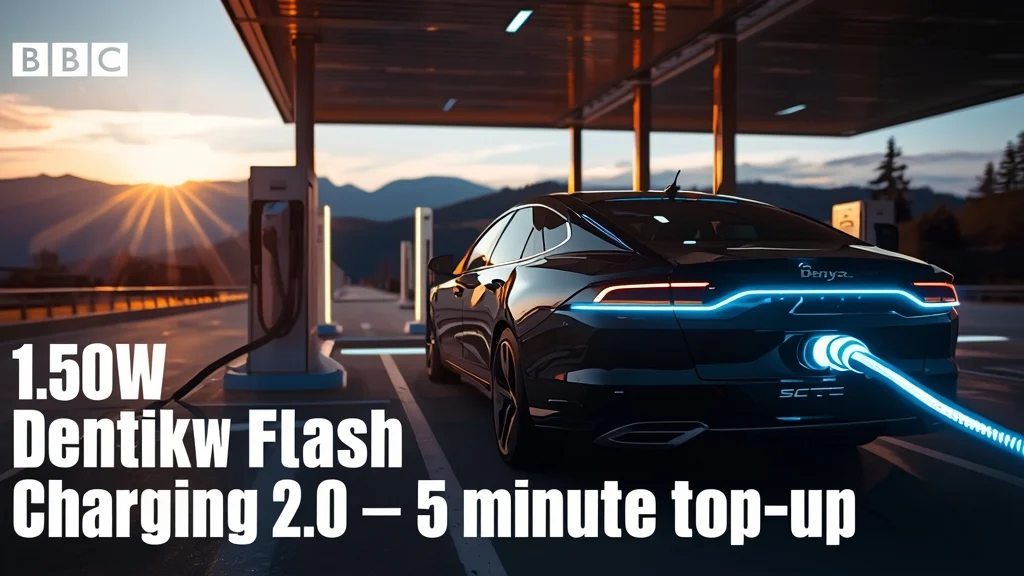
BYD plans to roll out 1,500 kW Flash Charging 2.0 stations across Europe, promising 5‑minute top‑ups for Blade‑Battery EVs. Learn more now!
Fast‑Charging Ambitions Take Shape in Europe
Chinese automaker BYD announced that it will begin deploying its next‑generation Flash Charging 2.0 network in Europe within the next few weeks. The new stations are rated at a staggering 1,500 kW – the highest public‑charging power currently planned for the continent.
Blade Battery Power Meets Ultra‑Rapid Top‑Ups
The first rollout will cater to BYD models equipped with the second‑generation Blade Battery. According to the company, these batteries can charge from 10% to 70% in just five minutes, and reach 97% within nine minutes when connected to a 1,500 kW charger. Whether the upcoming Denza Z9 GT will achieve those figures in real‑world European conditions remains to be verified.
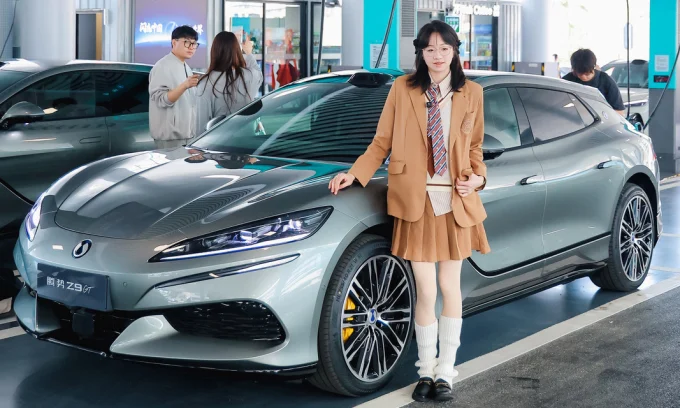
Denza Z9 GT – A Flagship for the New Network
The Denza Z9 GT, slated to debut in Europe on 8 April, will showcase BYD’s high‑power charging capabilities. Key specifications include:
- Blade Battery capacity: 122 kWh
- Three electric motors delivering a combined 960 hp
- Rear‑wheel‑drive and optional all‑wheel‑drive configurations
- WLTP‑rated range: up to 800 km (≈ 500 miles)
- Premium Devialet audio system with Dolby Atmos certification – the first European‑spec car to offer cinema‑grade sound
Exact dimensions and wheelbase details have not yet been disclosed.
How BYD’s Network Stacks Up Against Existing Infrastructure
Most European EVs currently support DC fast‑charging up to 400 kW. The Ionity network operates more than 5,000 stations at 350 kW and is piloting Alpitronic chargers capable of 600 kW, with upgrade paths to 1,000 kW. In comparison, BYD’s 1,500 kW stations would set a new benchmark for public chargers on the continent.
Potential Market Impact and Open Questions
Industry observers note several factors that will determine BYD’s influence on Europe’s electric‑vehicle adoption:
- Can the 1,500 kW stations consistently deliver the advertised five‑minute charge times?
- Will non‑BYD EVs be able to use the Flash Charging network, or will it remain brand‑specific?
- How quickly will the network expand, and what geographic coverage will be achieved in the first year?
- How does BYD’s fast‑charging approach compare to battery‑swap models championed by rivals such as Nio?
The answers will shape BYD’s competitiveness against established European networks like Ionity and could accelerate the broader shift to high‑power EV charging.
Looking Ahead
BYD has already installed thousands of Flash Charging stations across China, but details on the European rollout timeline, station density, and interoperability standards remain scarce. As the company pushes its high‑efficiency Blade Battery architecture into new markets, the EV community will be watching closely to see whether the promised speed and convenience translate into real‑world advantages.