
In 2025, BYD outsold Ford to claim the 6th spot in global car sales, signaling a shift in the industry. Learn more today.
Chinese automaker BYD has marked a historic milestone in 2025, delivering a record 4.6 million vehicles worldwide – a 7.7 % increase over the previous year. This surge propelled BYD from seventh to sixth place in global passenger‑car sales, pushing long‑time industry heavyweight Ford down the ladder.
Ford’s Decline in the Global Rankings
Ford reported a 2 % dip in sales, moving 4.4 million units during the same period. While the American brand kept a modest growth trajectory in its domestic market, it lost significant market share in Europe and, most critically, China – a region now dominated by home‑grown EV players.
Why BYD Is Accelerating Faster
BYD’s success is driven by a two‑pronged strategy: rapid expansion of its electric‑vehicle lineup and aggressive pricing that undercuts many rivals. Models such as the Dolphin, Tang and the ultra‑affordable Yuan Plus combine competitive range, modern tech, and price points that appeal to cost‑conscious consumers.
In addition, BYD has capitalised on China’s renewed incentive scheme, with the government reinstating a 5 % purchase tax rebate for new‑energy vehicles, further spurring domestic demand.
Export Boom Fuels BYD’s Growth
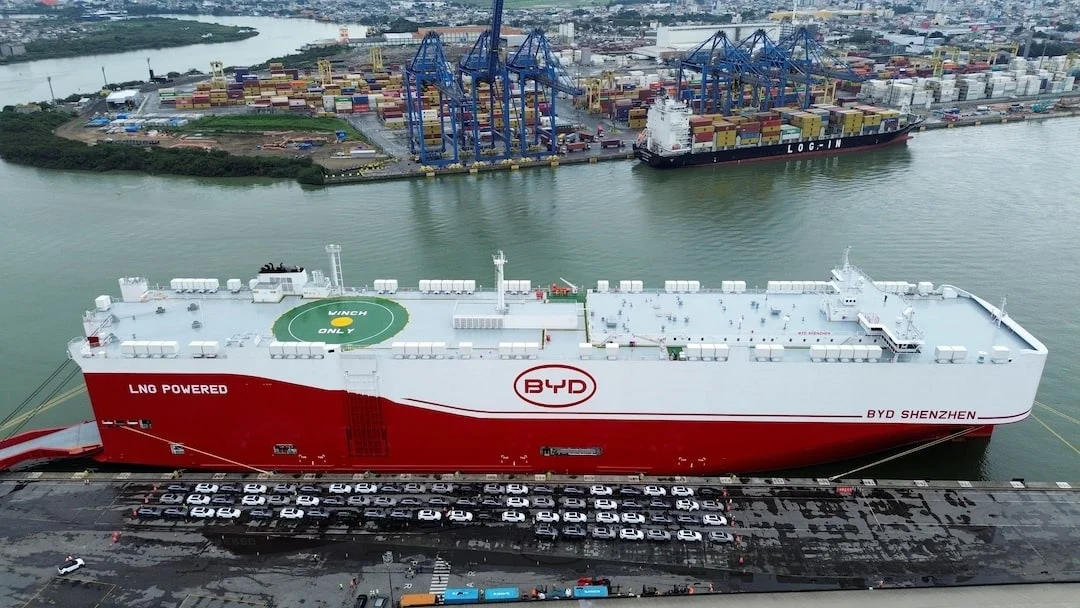
Beyond its home market, BYD is rapidly becoming a global exporter. In 2025, the company shipped 1.05 million cars abroad, with projections to reach 1.3 million units in 2026 as it deepens its presence in South America, Southeast Asia and Europe.
This export drive is a strategic response to a slight cooling of Chinese EV demand and reflects BYD’s ambition to become a truly international brand.
The Costly Shift to Electric for Ford
Ford’s transition to an all‑electric portfolio comes with a hefty price tag. The automaker disclosed restructuring expenses of $19.5 billion, a figure that underscores the financial pressure traditional manufacturers face while retooling factories and developing new battery technologies.
These investments, while essential for long‑term competitiveness, have compressed short‑term profitability and contributed to the recent sales dip.
How the Rest of the Industry Stacks Up
While BYD claimed the sixth spot, the overall ranking of the world’s biggest sellers remained largely unchanged:
- Toyota retained the top position with 11.32 million vehicles sold.
- Volkswagen held second place with 8.98 million units.
- Hyundai‑Kia delivered 7.28 million cars.
- General Motors posted 6.18 million deliveries.
- Stellantis rounded out the top five with 5.48 million vehicles.
BYD’s entry into the top six not only showcases the rising clout of Chinese automakers but also serves as a stark warning that the traditional hierarchy of the global automotive industry is being reshaped.
What This Means for the Future
The shift signals a broader trend: electric vehicles, aggressive pricing, and localized production are redefining competition. Companies that fail to adapt quickly may find themselves edged out of key markets, just as Ford experienced.
For consumers, the outcome is likely more choices, innovative technology, and potentially lower prices as manufacturers battle for market share on a global stage.
Stay tuned as the race for automotive supremacy accelerates, driven by electrification, policy incentives, and the unstoppable rise of new‑energy champions like BYD.