
BYD won a US court ruling overturning Trump-era tariffs on Chinese EV parts. Discover the impact on electric vehicles and trade – read more now.
On February 20, the U.S. Supreme Court delivered a 6‑3 ruling that President Donald Trump exceeded his authority when he invoked the International Emergency Economic Powers Act (IEEPA) to impose sweeping tariffs. The decision directly backs BYD’s legal challenge filed with the U.S. International Trade Commission on January 26, 2026.
Background of the case
Four North American subsidiaries of BYD allege that the tariff orders introduced in April 2025 were unlawful. The companies argue that IEEPA does not grant the President power to levy “tariffs” or any comparable duties. Their lawsuit seeks a refund of duties already paid on Chinese‑made electric‑vehicle components.
Supreme Court’s ruling
The Court affirmed that only Congress has the constitutional authority to set tariff rates. It concluded that IEEPA cannot be used to issue tax‑like measures under the guise of an “emergency”. This finding nullifies the specific IEEPA‑based duties, but it does not affect other tariffs imposed under Section 232 (national security) or Section 301 (trade enforcement).
Immediate market impact
While the ruling is a legal win for BYD, practical hurdles remain. Shortly after the decision, President Trump announced a new temporary import duty of 15 %—up from the previous 10 %—using alternative legal pathways to offset the struck‑down tariffs.
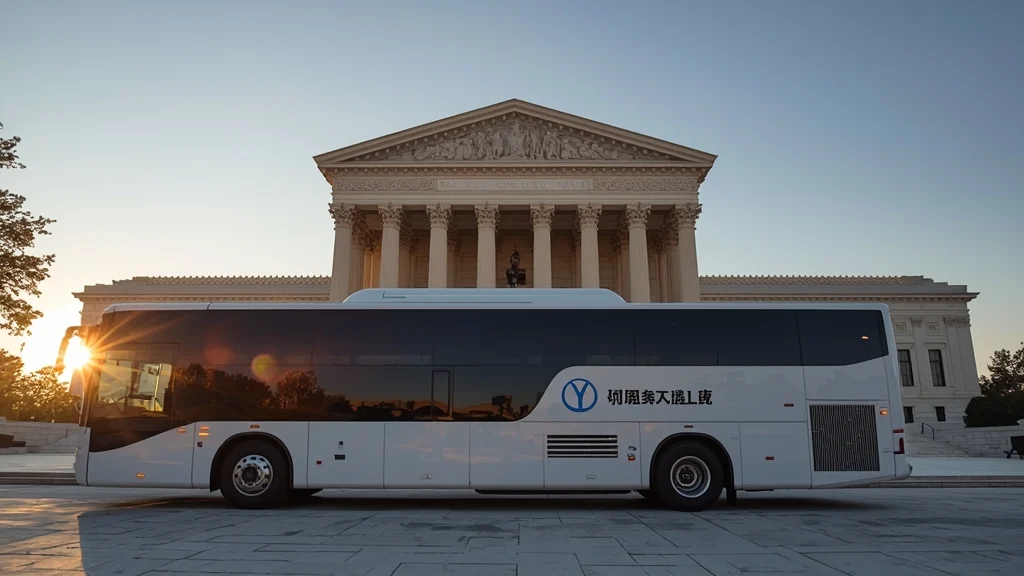
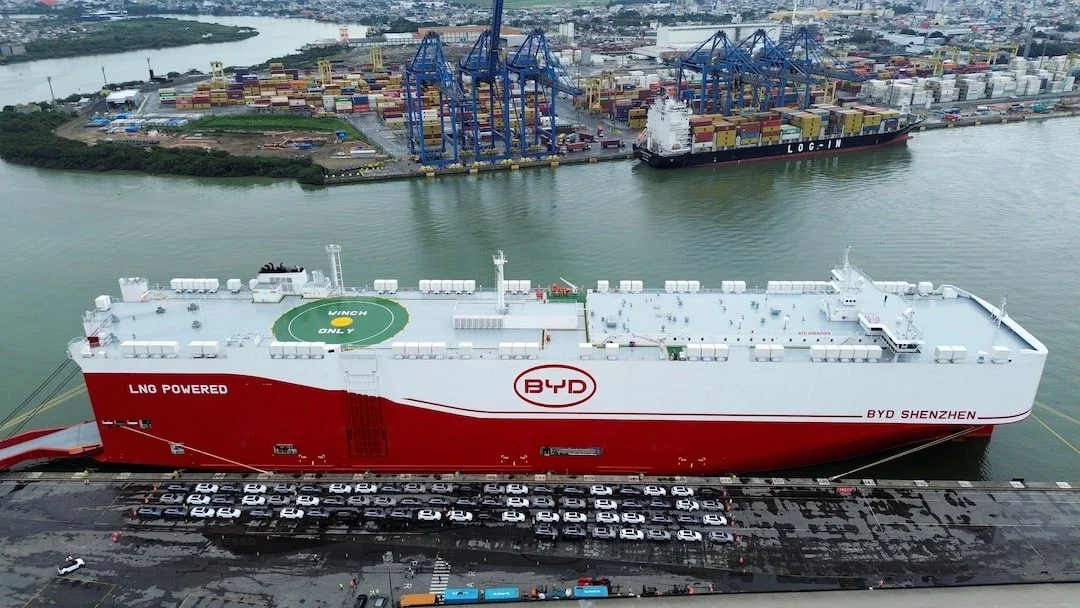
BYD continues to concentrate on electric buses and commercial vehicles at its Lancaster, California plant. The verdict may enable the company to reclaim billions of dollars in duties paid on imported parts, but it does not instantly open the door for BYD’s passenger‑car lineup in the United States.
Industry outlook
Analysts view BYD’s lawsuit as the “first shot” from a Chinese automaker challenging U.S. trade measures. The case could set a precedent for other manufacturers—such as Toyota, Volvo and General Motors—to pursue refunds for emergency duties levied in 2025.
As the automotive sector watches closely, the outcome may reshape how Chinese electric‑vehicle makers navigate U.S. trade policy and could influence future tariff negotiations.