

Canada’s new deal lowers tariffs on Chinese electric cars, sparking debate over price benefits, jobs and security. Learn the full story now.
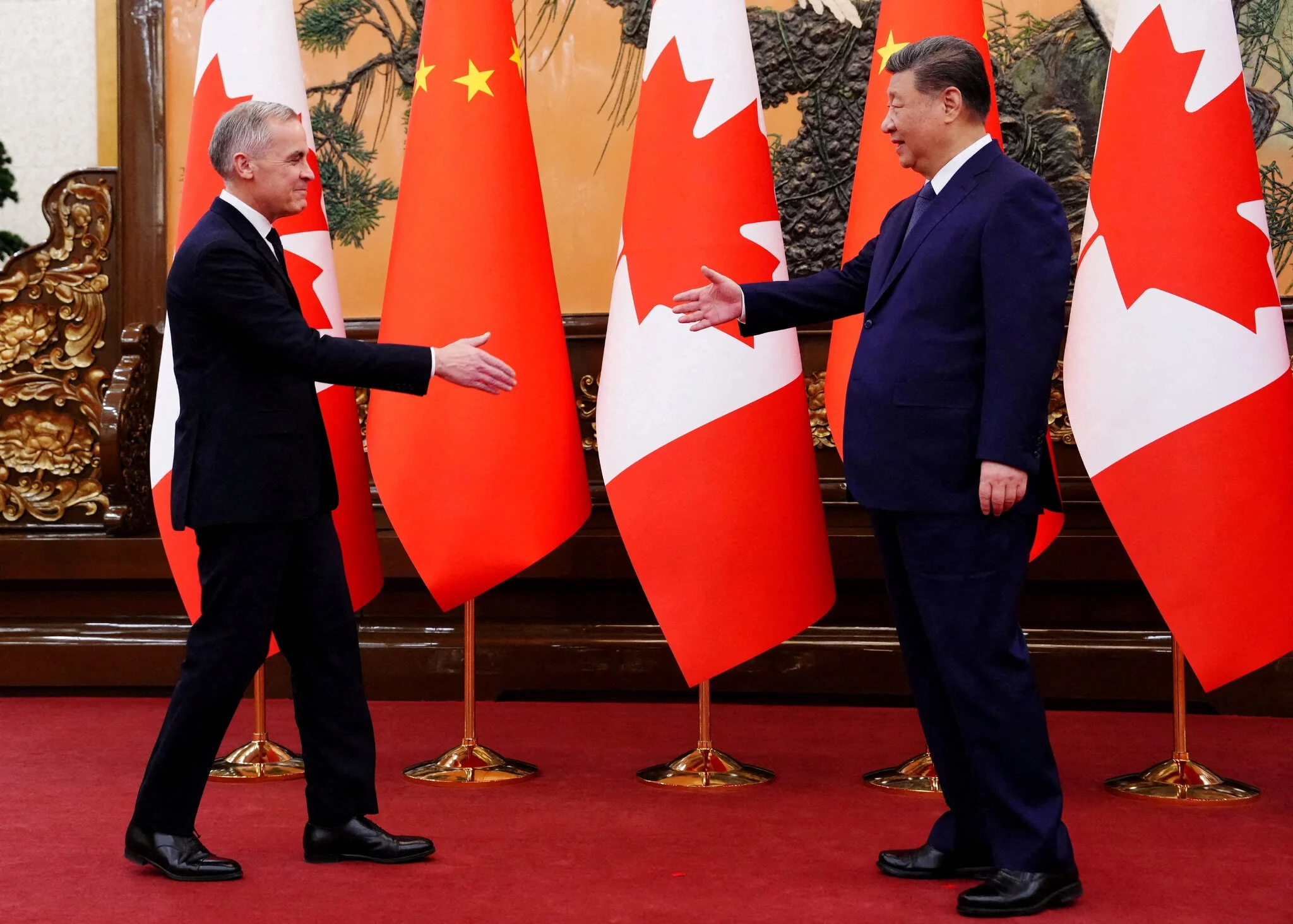
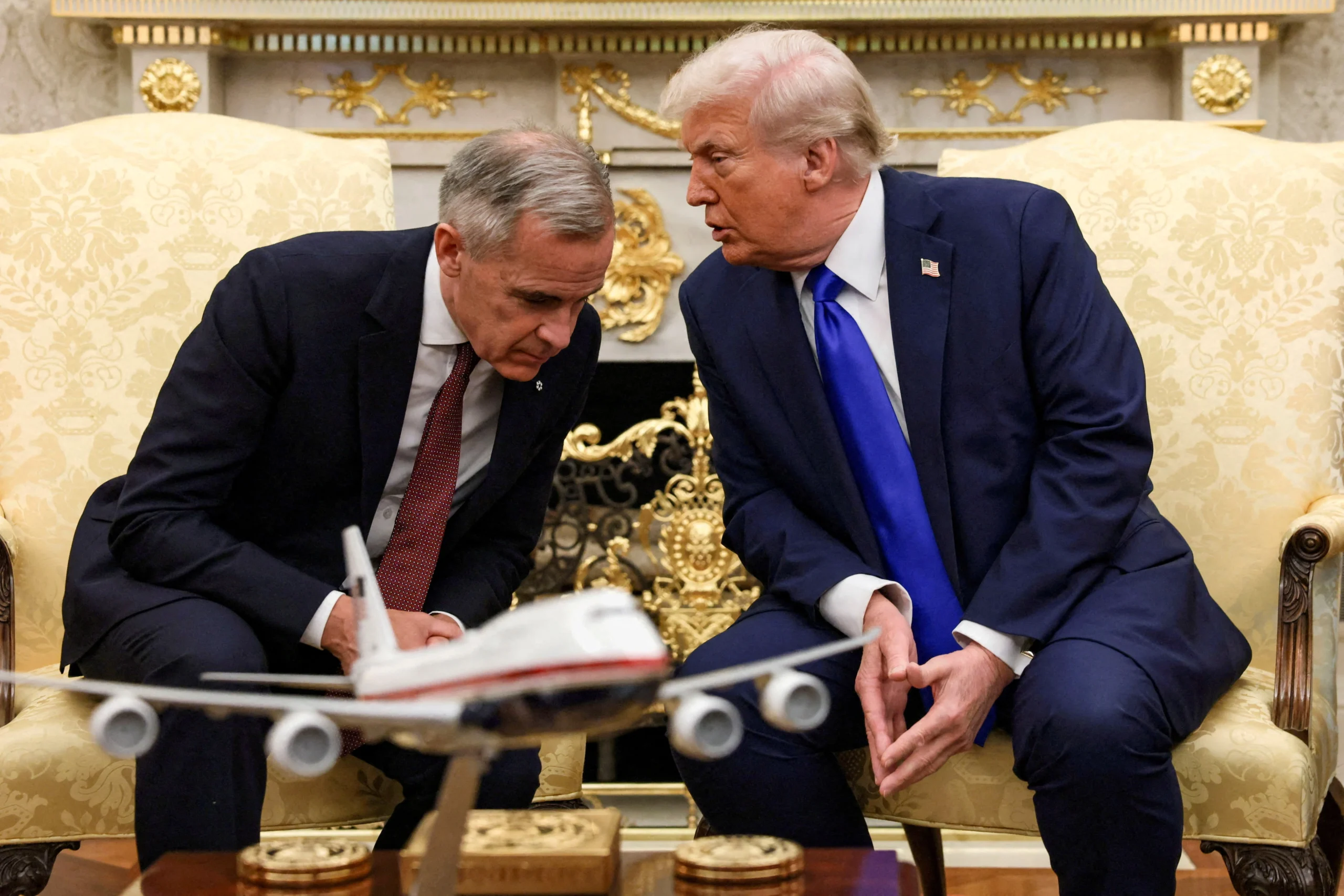
On January 16, Canadian Prime Minister Mark Carney unveiled a landmark trade agreement with Beijing that will allow up to 49,000 Chinese‑made electric vehicles (EVs) to be imported into Canada each year. The tariff on those cars will drop dramatically from 106.1% to just 6.1%, creating a price shock that could reshape Canada’s EV market.
Why the Deal Matters
The reduced duty is part of a broader negotiation in which China agreed to cut tariffs on Canadian agricultural products, such as canola, from 84% to 15% starting March 2026. The move is being pitched as a win‑win: cheaper EVs for Canadian shoppers and relief for struggling Canadian farmers.

Industry Pushback
Canadian auto‑industry leaders reacted with disappointment and alarm. Brian Kingston, CEO of the Canadian Vehicle Manufacturers Association (CVMA), warned that flooding the market with low‑priced Chinese EVs could jeopardise the sector’s relationship with the United States and threaten domestic jobs.

Flavio Volpe, chair of the Automotive Parts Manufacturers Association (APMA), raised serious cyber‑security concerns, insisting that any safety certification for Chinese‑built EVs must include robust network‑security filters. Canada has already banned Huawei equipment from its 5G networks and restricted TikTok on government devices, underscoring the sensitivity of the issue.

Labor and Union Concerns
Unifor, the union representing tens of thousands of auto workers, called the agreement “self‑inflicted damage” to an industry already under pressure. President Lana Payne warned that the deal could reward unfair trade practices and make it harder to resolve ongoing U.S. auto‑tax disputes.
Dealer and Provincial Reactions
Tim Reuss, CEO of the Canadian Automobile Dealers Association (CADA), said his group is seeking clarity on how import quotas will be allocated. “We want a fair, transparent system that guarantees market stability and long‑term competitiveness,” he said.

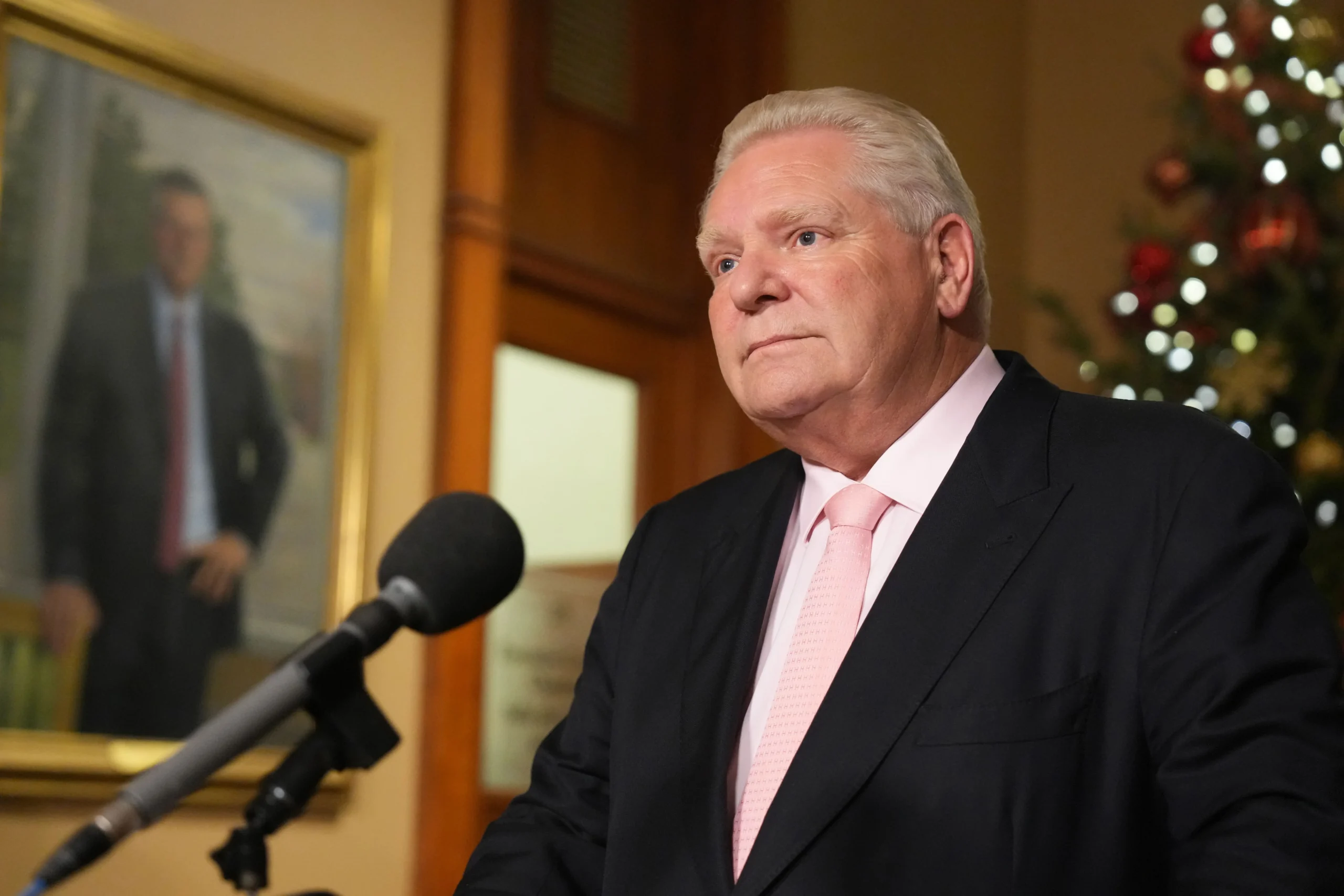
Ontario Premier Doug Ford blasted the federal move on social media, contending that allowing cheap Chinese EVs without a clear investment commitment will hurt Canadian workers and could erode the country’s access to the U.S. market, its largest export destination.
Potential Upsides for Consumers
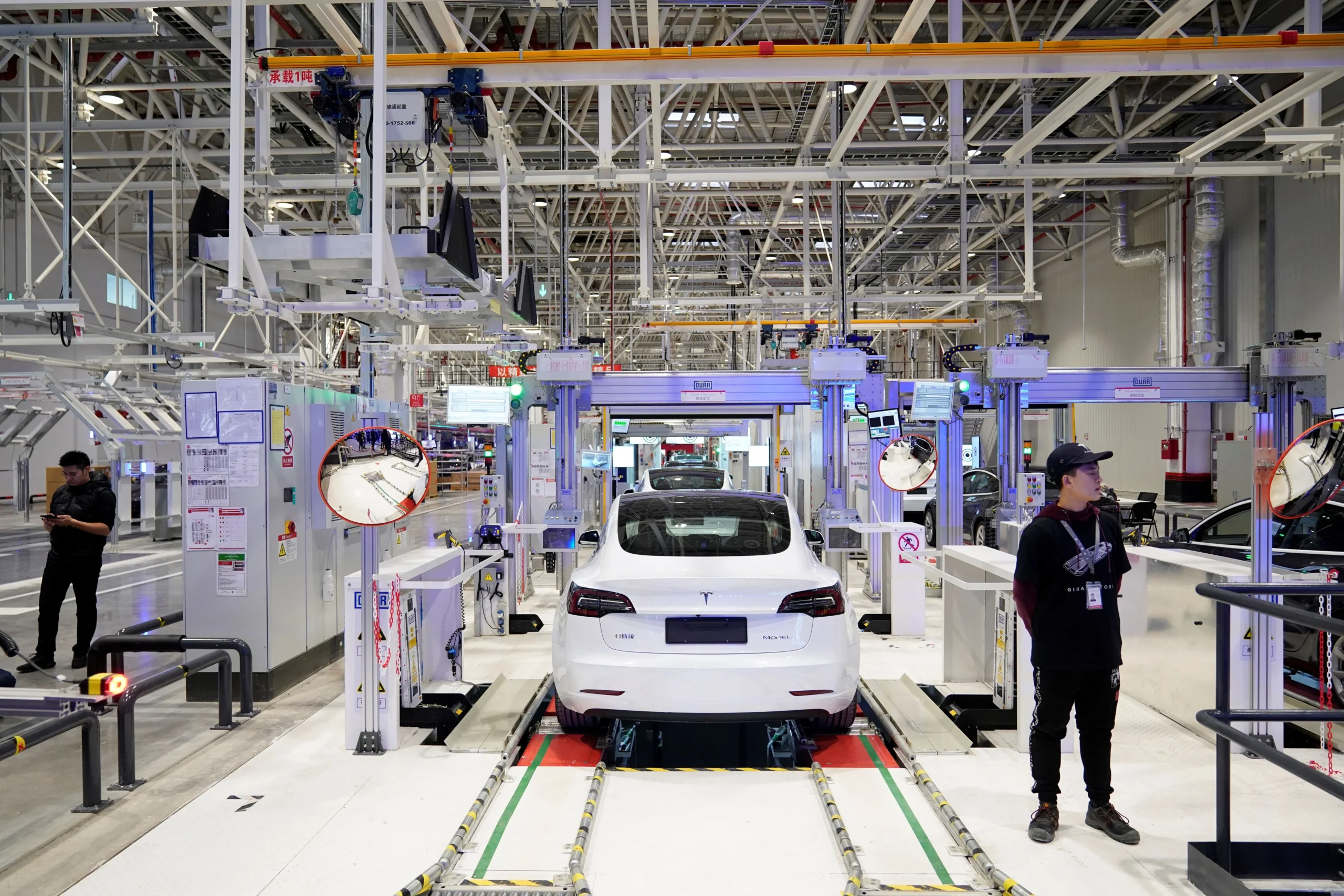
Analysts such as Sam Fiorani of AutoForecast Solutions argue that Canadian buyers stand to benefit the most. Lower‑priced EVs could expand the affordable‑segment of the market, which today offers limited choices. If sales reach the 50,000‑unit threshold, manufacturers might consider setting up local assembly lines, further boosting the domestic supply chain.

Fiorani also notes that brands already importing Chinese‑built models—like Polestar and Tesla—could see a head‑start under the new tariff regime. Full‑scale Chinese EV sales in Canada, however, may still be a year or more away.
Looking Ahead
The agreement marks Prime Minister Carney’s first major trade deal since taking office and could signal a thaw in Canada‑China relations after years of tension. Yet the backlash from automakers, unions and security officials suggests that the benefits of cheaper EVs will be weighed against potential risks to jobs, technology security and Canada’s broader trade posture.
As the implementation date approaches, all eyes will be on how the government balances consumer savings with the protection of Canada’s automotive ecosystem.