
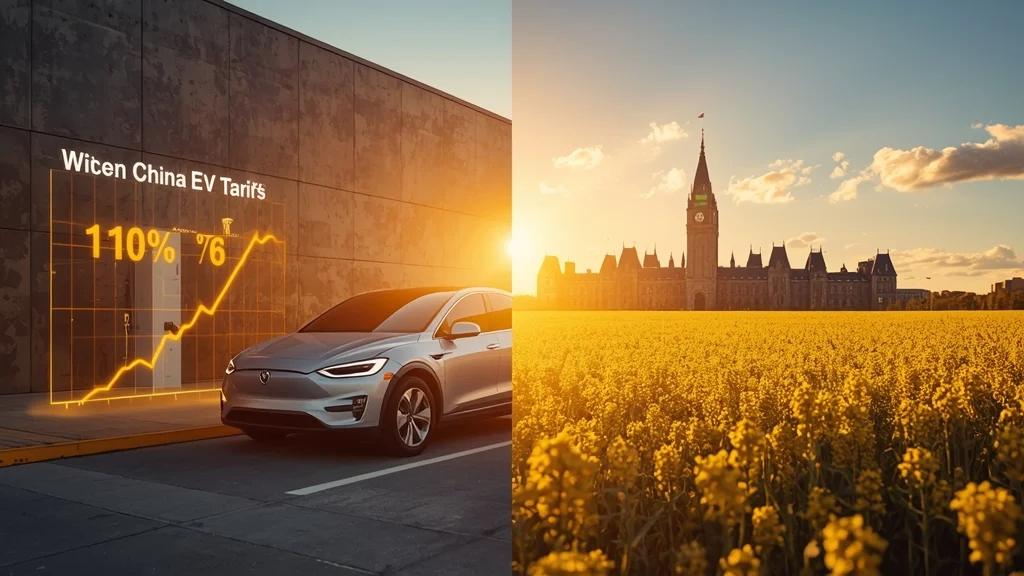
Canada ends its 2024 EV tariff war with China, lowering duties to 6% and boosting canola exports. Learn how this deal reshapes the auto market – read more now.
In a surprise turn of events, Canada has moved to end its trade dispute with China over electric vehicles (EVs). Prime Minister Mark Carney announced a new agreement that trims the punitive 100% duty on Chinese‑made EVs to a modest 6.1%, signaling a bold shift toward cheaper, greener transportation.
Deal Overview
The agreement, signed alongside Chinese President Xi Jinping, replaces the steep tariff that had been in place since late 2024. Under the deal, Canada will initially allow up to 49,000 Chinese EVs per year, with the quota rising to 70,000 units by the fifth year.
Impact on the Canadian EV Market
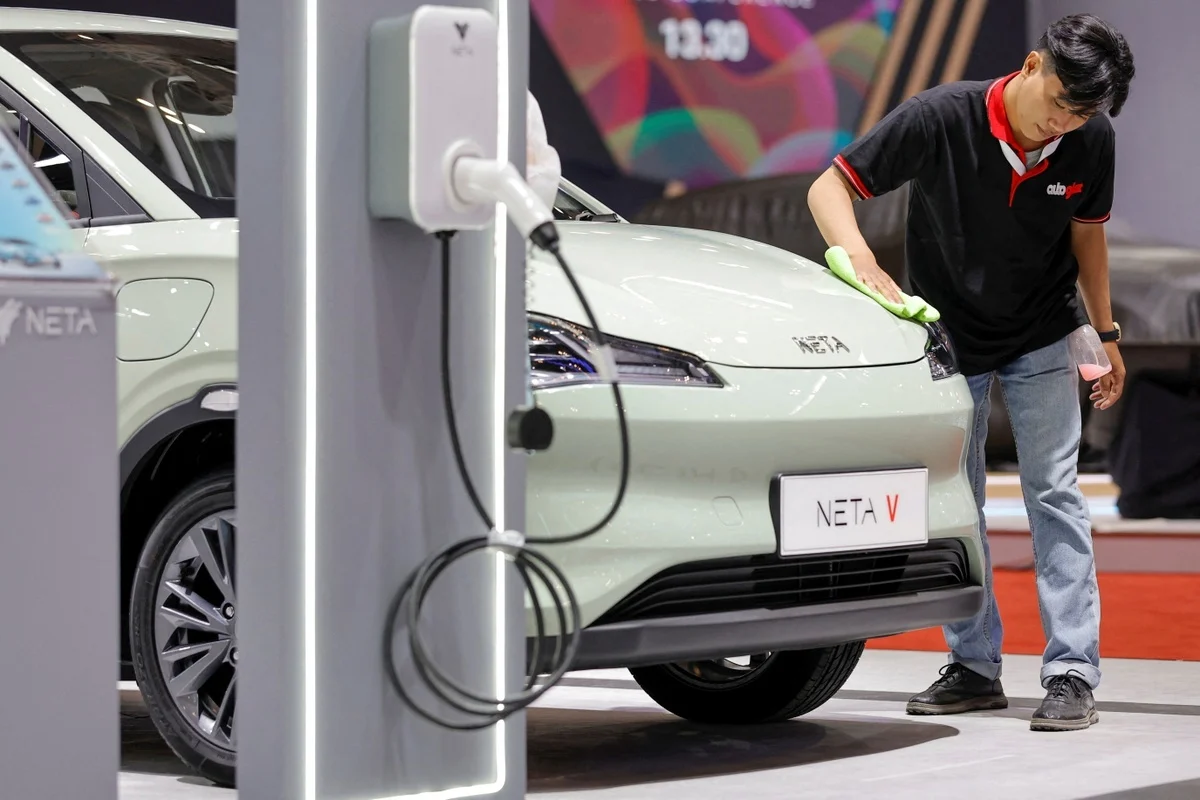
Lower duties are expected to make Chinese electric cars far more price‑competitive, offering Canadian consumers affordable options as the country pushes toward its 2030 emissions targets. Industry analysts predict a surge in market diversity, though they also warn that domestic manufacturers will need to accelerate innovation to stay relevant.
Canola Tariff Cuts Benefit Farmers
In return, China agreed to slash its import duty on Canadian canola from 84% to about 15% starting March 2026. The move provides a much‑needed boost to Canada’s grain sector, which has been grappling with a prolonged export slowdown caused by previous retaliatory measures.
Domestic Opposition and Political Fallout
The decision has sparked fierce criticism from Ontario Premier Doug Ford and several North‑American auto‑union leaders, who argue that a flood of low‑priced Chinese EVs could threaten local jobs. Even former U.S. President Donald Trump’s camp is expected to voice concern, seeing the policy as a loophole that weakens the broader regional trade defence.
Strategic Implications for Green Growth
Despite the backlash, Prime Minister Carney maintains that the treaty is a strategic investment in Canada’s green future. By opening the door to Chinese technology partners, the government hopes to accelerate the development of a competitive EV supply chain, attract foreign investment, and meet climate commitments more quickly.
Ultimately, Canada’s gamble tests not only its own economic resilience but also the strength of its alliance with the United States amid an increasingly complex geopolitical landscape.