
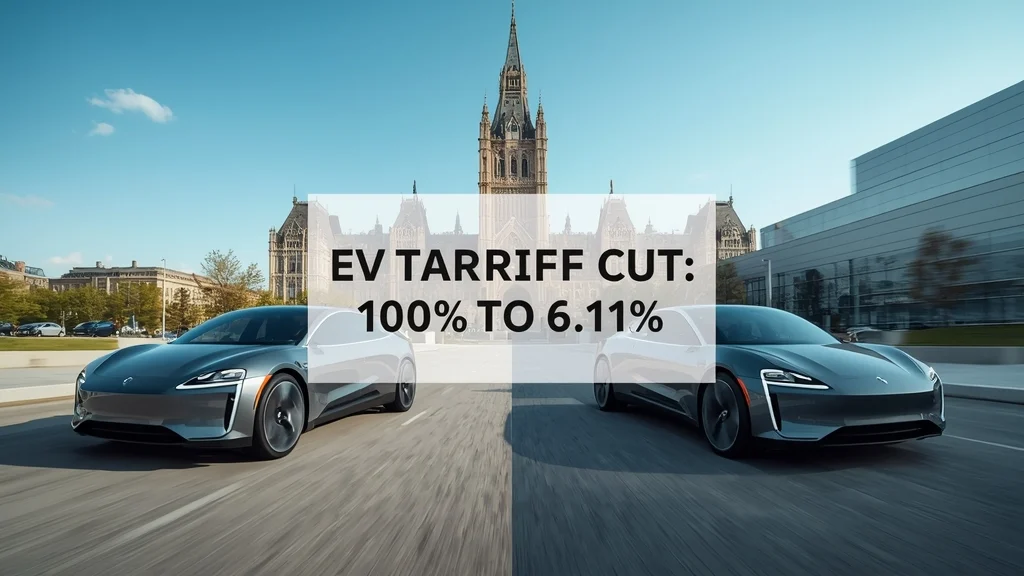
Canada slashes EV import duties on Chinese electric cars to under 10%, sparking industry debate. Discover the impact on North American markets – read more now.
In a surprising turn of events, Canadian Prime Minister Mark Carney and Chinese President Xi Jinping have signed a new trade agreement that dramatically reduces duties on Chinese‑made electric vehicles (EVs). The punitive 100% tariff that had been imposed on Chinese EV imports will be replaced by a modest 6.1% rate, bringing the overall duty to well below 10%.
What the Deal Looks Like
The agreement sets a ceiling of 49,000 Chinese EVs allowed into Canada each year during the initial phase, with the quota rising to 70,000 units by the fifth year. In exchange, China has agreed to cut its import tariff on Canadian canola – a crucial oilseed crop – from a steep 84% to roughly 15% starting March 2026. The canola concession is expected to revive a billion‑dollar export sector that has been stalled for more than a year due to retaliatory measures.
Why Canada Is Changing Course
Until now, Ottawa has largely mirrored Washington’s hardline stance, erecting high barriers to protect its domestic auto industry. Carney argues that lowering the EV tariff is a strategic move to attract investment from leading Chinese technology partners, accelerate Canada’s climate goals, and integrate the country into a more competitive global EV supply chain.
Domestic Pushback
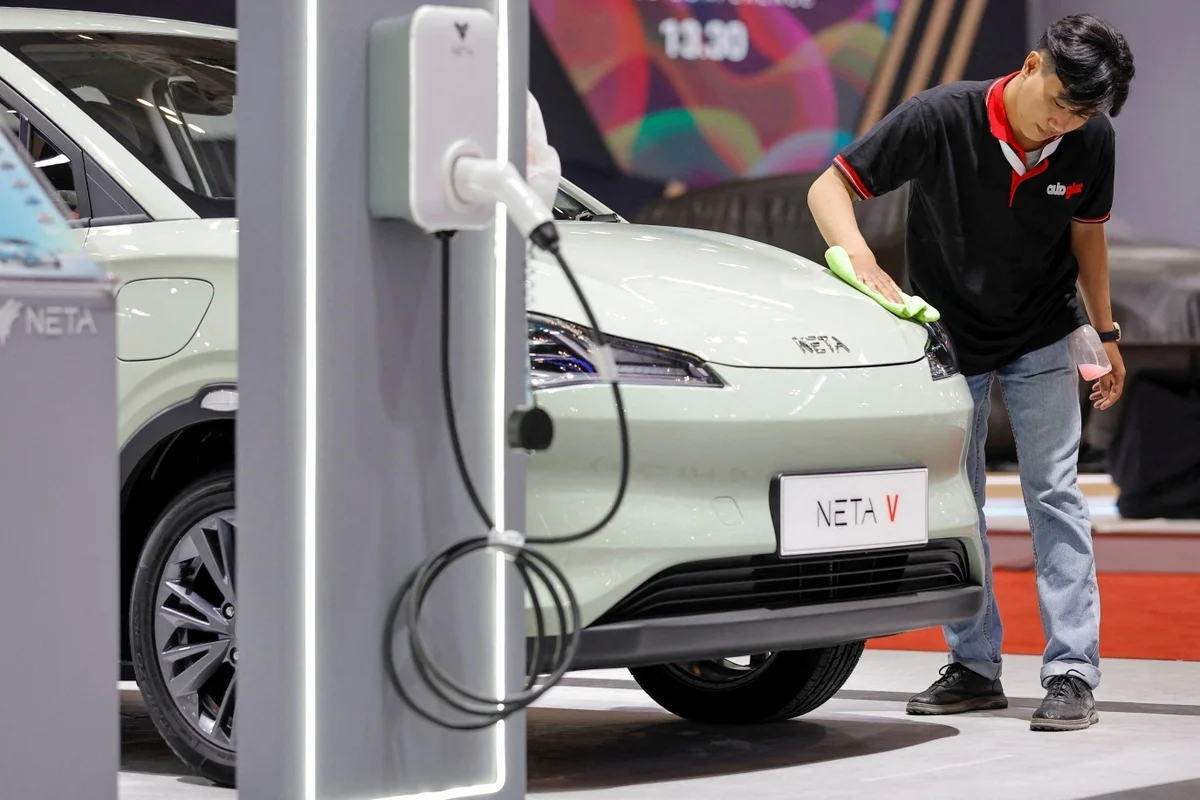
The decision has ignited fierce criticism from North‑American auto manufacturers and labour unions. Ontario Premier Doug Ford publicly condemned the tariff cut, warning that a flood of low‑priced Chinese cars could squeeze domestic producers already grappling with high production costs. Even former U.S. President Donald Trump is rumored to be displeased, suggesting that Canada’s move could create a loophole in the region’s coordinated trade defenses.
Economic and Environmental Stakes
Supporters contend that the lower tariff will expand consumer choice, drive down vehicle prices, and boost EV adoption, helping Canada meet its 2030 emissions targets. Critics, however, fear job losses in the Canadian auto sector and a weakening of the country’s bargaining power with the United States.
Looking Ahead
Canada’s gamble is more than a simple trade concession; it is a test of the nation’s alliance with the United States amid an increasingly complex geopolitical landscape in 2026. The outcome will likely influence how other countries balance environmental ambitions with domestic industry protection.
Stay tuned as the automotive world watches how Canada’s bold policy shift reshapes the North‑American EV market.