
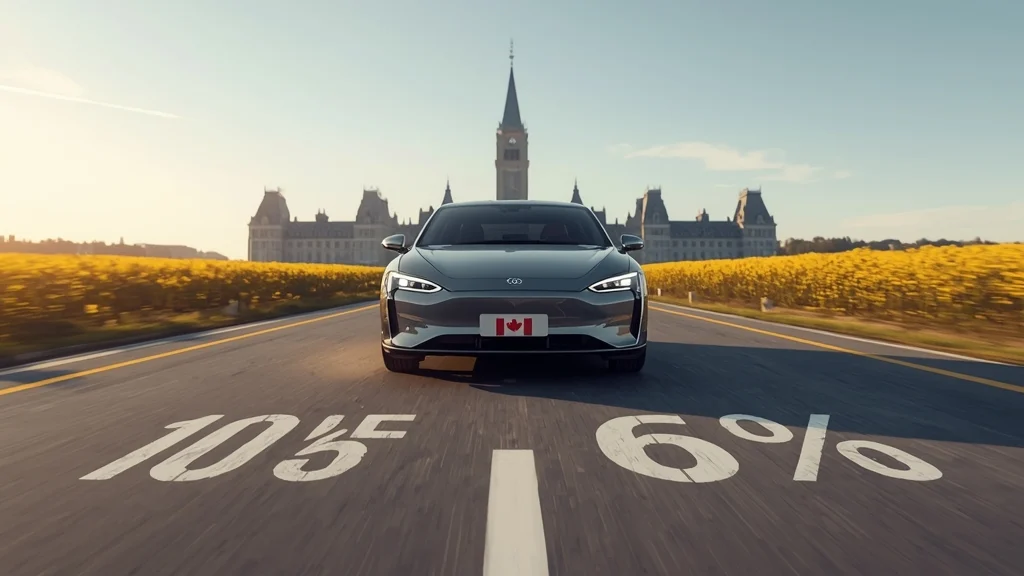
Canada reduces tariffs on Chinese electric vehicles, cutting duties to 6% and unlocking new market opportunities. Discover the impact on trade and climate goals. Read more.
In a surprise move that could reshape North‑American auto markets, Canada has announced a drastic cut in duties for electric vehicles (EVs) imported from China. The new tariff rate sits at just over 6%, down from a punitive 100% levied in recent years.
What the Deal Entails
Prime Minister Mark Carney and Chinese President Xi Jinping signed the agreement at a bilateral summit last week, officially ending the tariff war that began in late 2024. Under the terms, Canada will allow up to 49,000 Chinese‑made EVs per year in the first phase, rising to 70,000 units by the fifth year.
A Reciprocal Concession for Farmers
China, in turn, agreed to slash its import duty on Canadian canola—from a steep 84% to roughly 15%—starting March 2026. The reduction offers a lifeline to Canadian growers whose billions‑dollar export market has been stalled by retaliatory measures.
Industry Reaction: Praise and Pushback
While the policy is billed as a strategic step to attract Chinese technology investment and accelerate Canada’s climate targets, it has sparked fierce criticism from the domestic auto sector and labor unions. Ontario Premier Doug Ford publicly warned that a flood of low‑cost Chinese EVs could squeeze home‑grown manufacturers already fighting a tough market.
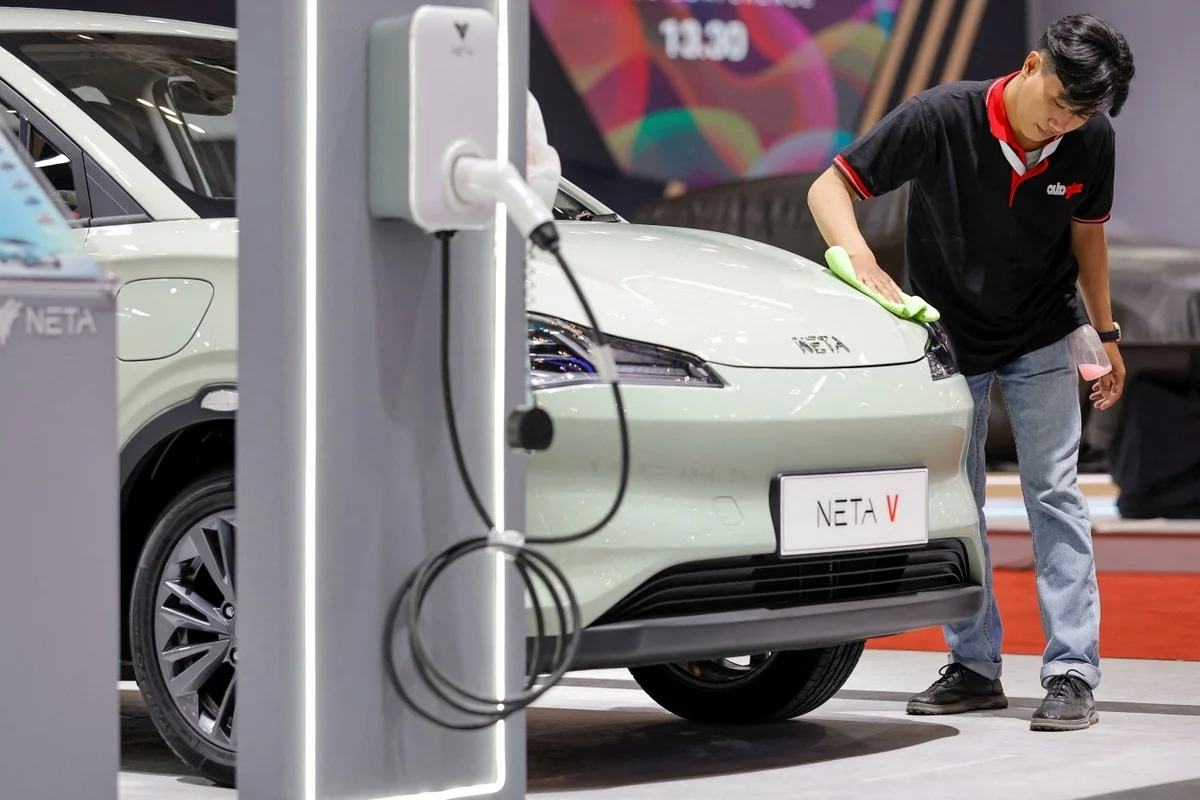
Even former U.S. President Donald Trump’s administration is rumored to be displeased, viewing Canada’s move as a potential loophole in the broader regional trade defense framework.
Strategic Rationale
Carney argues that Canada needs to plug into global supply chains and learn from advanced EV innovators to build a robust domestic industry. By lowering import barriers, the government hopes to encourage joint ventures, technology transfer, and faster adoption of zero‑emission vehicles, aligning with the nation’s 2030 climate commitments.
Broader Implications
The agreement tests the resilience of the Canada‑U.S. alliance as geopolitical tensions rise in 2026. It also signals a shift from a protectionist stance to a more open, investment‑driven approach—one that could set a precedent for other commodities and sectors.
What’s Next?
Stakeholders are watching closely to see how quickly Chinese EV manufacturers can scale up shipments and whether Canadian automakers can adapt through innovation, partnerships, or policy support. The canola tariff cut will also be monitored for its impact on agricultural trade balances.
In short, the new policy opens a gateway for cheaper electric cars, while also sparking a debate about the future of Canada’s automotive and agricultural industries.