
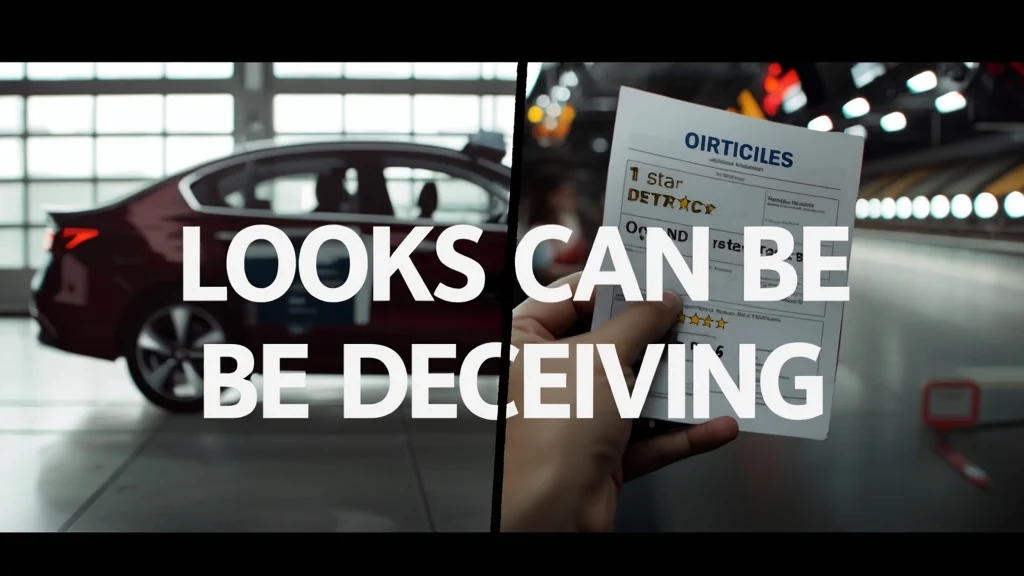
Discover why popular models like the Suzuki Fronx, Swift, and MG 5 earn only 1‑star NCAP safety ratings and what it means for buyers. Learn more now!
When you shop for a new car, the safety rating displayed on the window sticker can be a decisive factor. In Vietnam, several models that many drivers consider everyday choices—such as the Suzuki Fronx, Suzuki Swift, and MG 5—have recently been slapped with a disappointing one‑star rating from various NCAP programmes. Let’s unpack what these ratings mean, why they differ across regions, and what you should look out for.
What Is NCAP?
NCAP stands for New Car Assessment Programme. It is a collection of independent, third‑party organizations that put vehicles through a battery of crash tests and safety‑technology evaluations. Each region has its own NCAP body to reflect local road conditions and driving habits:
- Euro NCAP – Europe’s rigorous benchmark.
- ASEAN NCAP – Covers Southeast Asian markets.
- ANCAP – Serves Australia and New Zealand.
- Global NCAP – Offers a worldwide perspective.
Results are expressed as stars, from 0 (no safety) to 5 (top‑tier protection). A higher star count usually signals better occupant protection, crash avoidance technology, and overall structural integrity.
Models That Fell to One Star
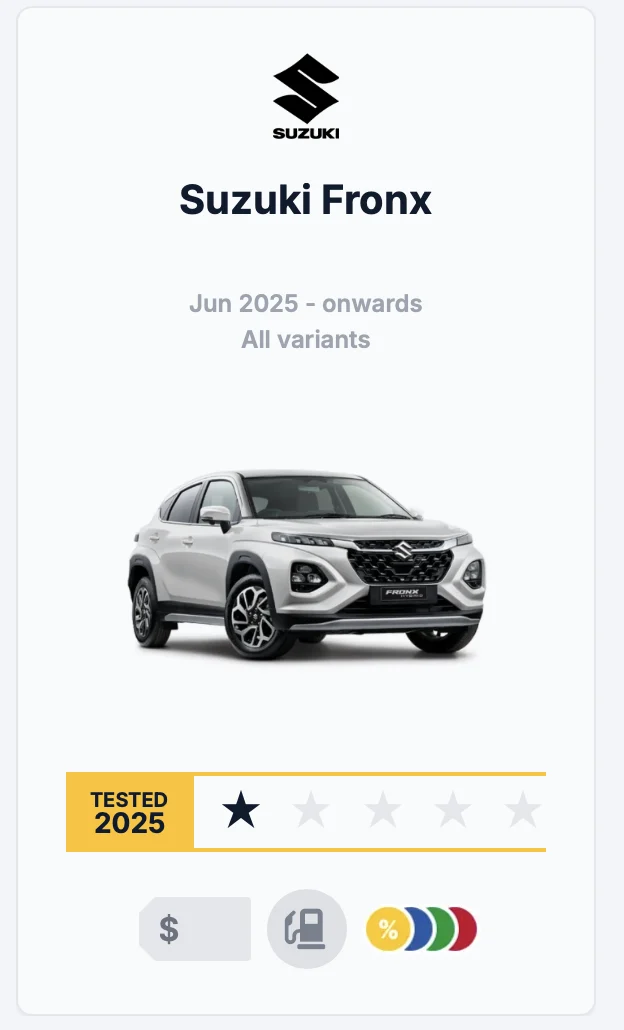
Suzuki Fronx – 1 Star from ANCAP (2025)
In early 2025, ANCAP tested the Suzuki Fronx destined for the Australian and New Zealand markets and awarded it just a single star. During a full‑front impact test, a technical fault caused the rear‑seat seat‑belt retractors to fail, letting the belts slip free. Consequently, the dummy representing a rear passenger received no belt protection and was hurled forward, striking the driver’s seat back.
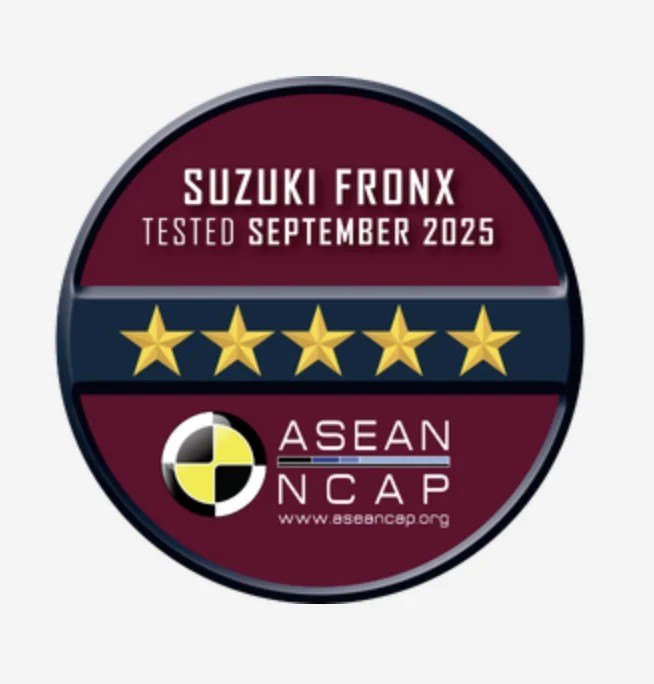
However, the story isn’t all negative. When the same A‑size SUV was evaluated by ASEAN NCAP for the Southeast Asian market (the 1.5‑liter 6‑speed automatic version sold in Malaysia), it achieved a full five‑star rating with an overall safety score of 77.7 points. The discrepancy highlights how regional specifications—and even minor hardware differences—can dramatically influence test outcomes.
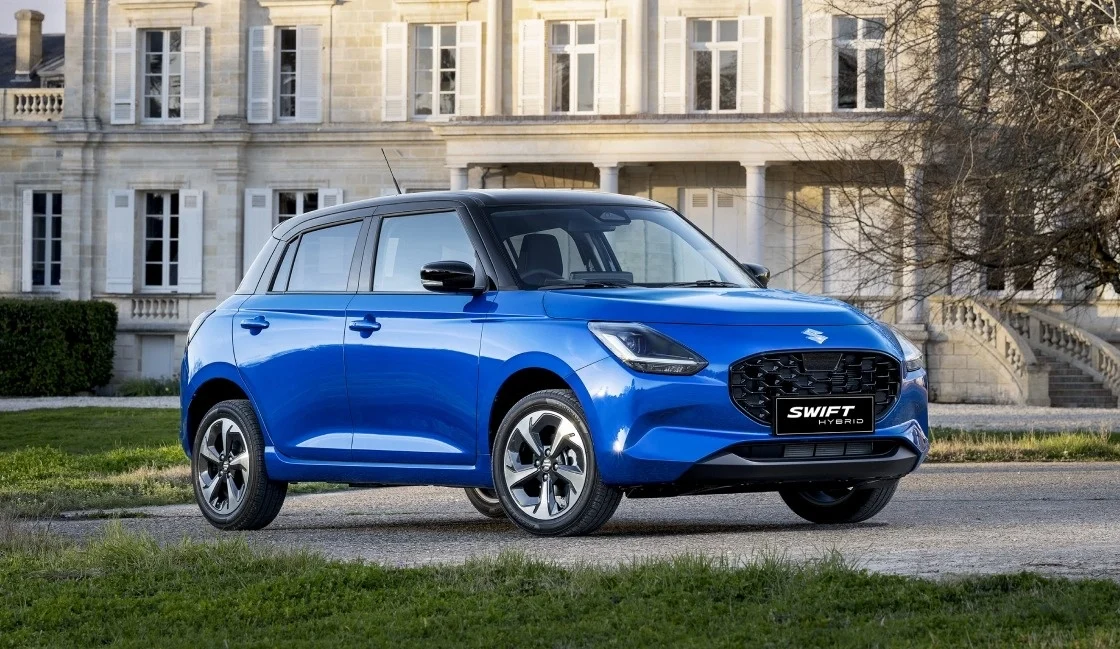
Suzuki Swift (2024‑2025) – 1 Star from ANCAP
The latest generation of the Suzuki Swift earned a single star in ANCAP’s 2024 assessment. Key shortcomings included the absence of a centre‑airbag and a lack of automatic emergency braking for reverse‑movement (AEB Back‑over). The vehicle was tested under European‑style protocols at an Australian facility, not under ASEAN NCAP’s criteria.
Good news for Southeast Asian buyers: the previous‑generation Swift (2018‑2023) had previously secured four stars from ASEAN NCAP, and the 2024 model has already improved to three stars in subsequent ANCAP testing, thanks to added safety assists.
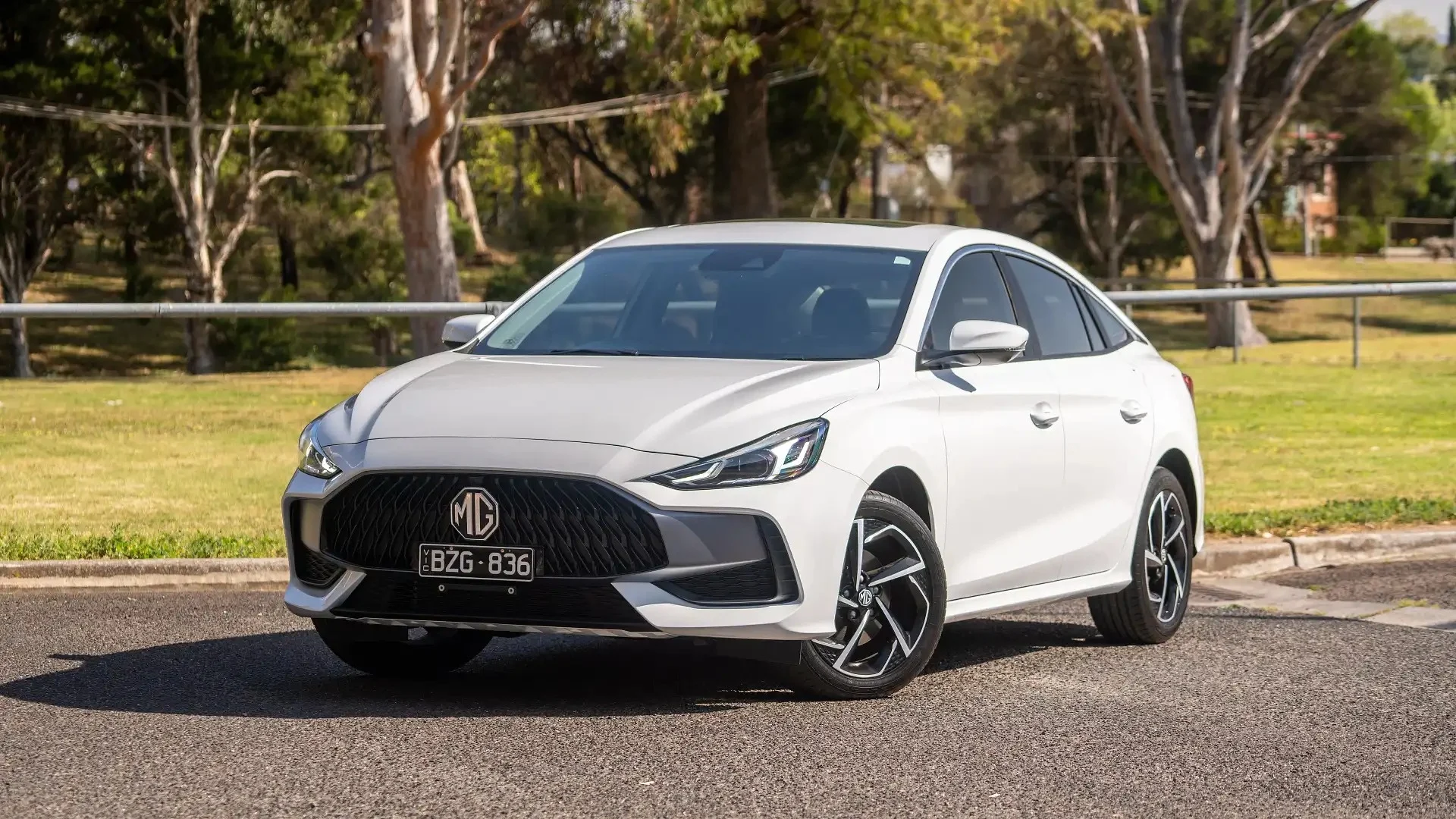
MG 5 – From 0 Stars to 3 Stars
In 2023, ANCAP gave the MG 5 sedan a stark zero‑star rating when the 2023‑2025 Australian‑New Zealand specification was tested. The car lacked basic safety hardware that many competitors consider standard:
- No pretensioner seat‑belt systems for front or rear occupants, a feature that tightens belts instantly during a crash.
- Seat‑belt reminders were only present for the front seats, leaving rear passengers unmonitored.
Fast forward to the latest model year, and MG has upgraded the sedan with more advanced driver‑assist features, lifting it to a three‑star rating in ANCAP. The upgrade, however, still omits a centre‑airbag, keeping the score from reaching the top tier.
Why Star Ratings Vary Across Regions
The differences you see aren’t merely bureaucratic quirks; they reflect genuine variations in test protocols, crash scenarios, and market expectations. A car that achieves a five‑star rating in ASEAN NCAP might falter under the more demanding European test speeds or impact angles used by Euro NCAP or ANCAP.
Manufacturers often tailor vehicles for specific markets—adding or removing safety equipment to meet local regulations or price points. As a result, a model sold in Vietnam may not share the exact safety specifications of its counterpart in Australia, even though it carries the same nameplate.
What Buyers Should Take Away
When evaluating a car’s safety, look beyond the headline star rating and consider:
- The specific NCAP programme that issued the rating (ASEAN, ANCAP, Euro, etc.).
- Which market version was tested and whether that version matches the vehicle you intend to buy.
- The presence of fundamental safety features such as pretensioner belts, front and side airbags, and automatic emergency braking.
In short, a low star rating is a red flag that a vehicle may lack essential protection, while a high rating in one region does not guarantee universal safety performance. Stay informed, compare specifications, and choose a car that meets the safety standards most relevant to the roads you’ll drive on.
Bottom Line
The one‑star NCAP scores for models like the Suzuki Fronx, Swift, and MG 5 expose a gap between consumer expectations and the safety reality of some popular cars in Vietnam. Understanding the nuances of regional NCAP testing can help you make a smarter, safer purchase.