
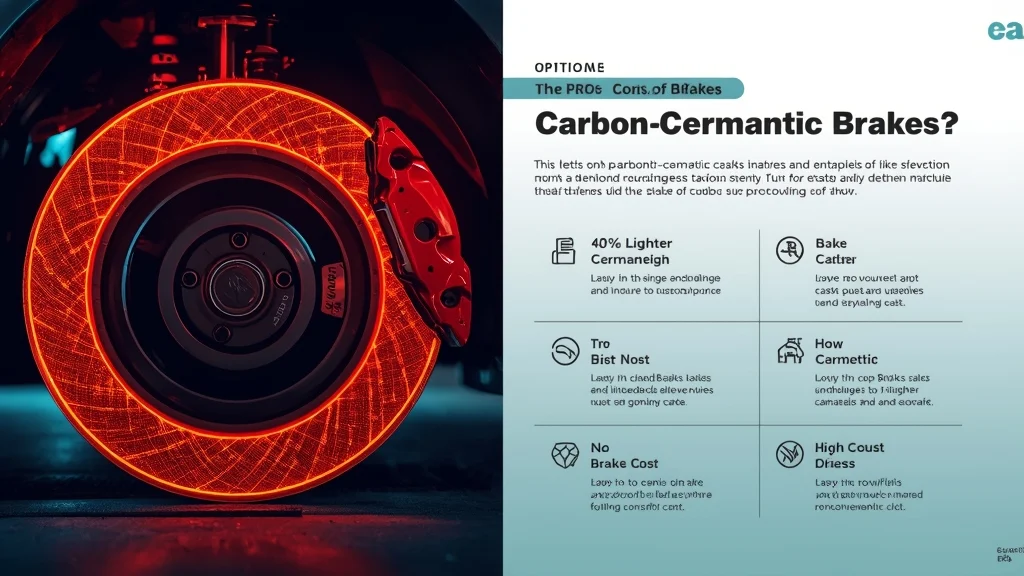
Explore the benefits and drawbacks of carbon‑ceramic brake discs for supercars and performance sedans. Learn if they’re right for you – read now!
Carbon‑ceramic brake discs have long been the hallmark of ultra‑high‑performance cars. From exotic supercars to sporty luxury sedans, manufacturers tout their lighter weight, superior heat resistance and long lifespan. Yet the technology also carries a hefty price tag and some practical quirks. Below we break down the key advantages and the trade‑offs you should consider before opting for this premium braking system.
What are carbon‑ceramic brake discs?
Carbon‑ceramic brakes combine carbon fibre reinforcement with a ceramic matrix, creating a composite that is both extremely hard and lightweight. The result is a brake disc that can handle very high temperatures without warping, while shedding roughly 40% of the mass of a traditional cast‑iron rotor.
Key Advantages
- Reduced unsprung weight: The lighter disc lessens the load on the suspension, improving acceleration, braking response and cornering stability.
- Exceptional heat tolerance: Carbon‑ceramic discs stay functional up to ~1,000 °C, reducing brake fade during spirited driving or track days.
- Long service life: When not subjected to constant hard‑track use, these discs can outlast iron rotors by many thousands of miles.
- Consistent performance: High‑temperature stability means the brake pedal feel remains predictable, even after repeated hard stops.
Notable Drawbacks
- Cold‑weather performance: Carbon‑ceramic brakes need to reach operating temperature before delivering optimal bite, which can feel spongy in low‑temp conditions.
- Initial squeal and feel: New discs may produce a higher‑pitched squeal and a slightly rough pad‑disc interface until they heat up.
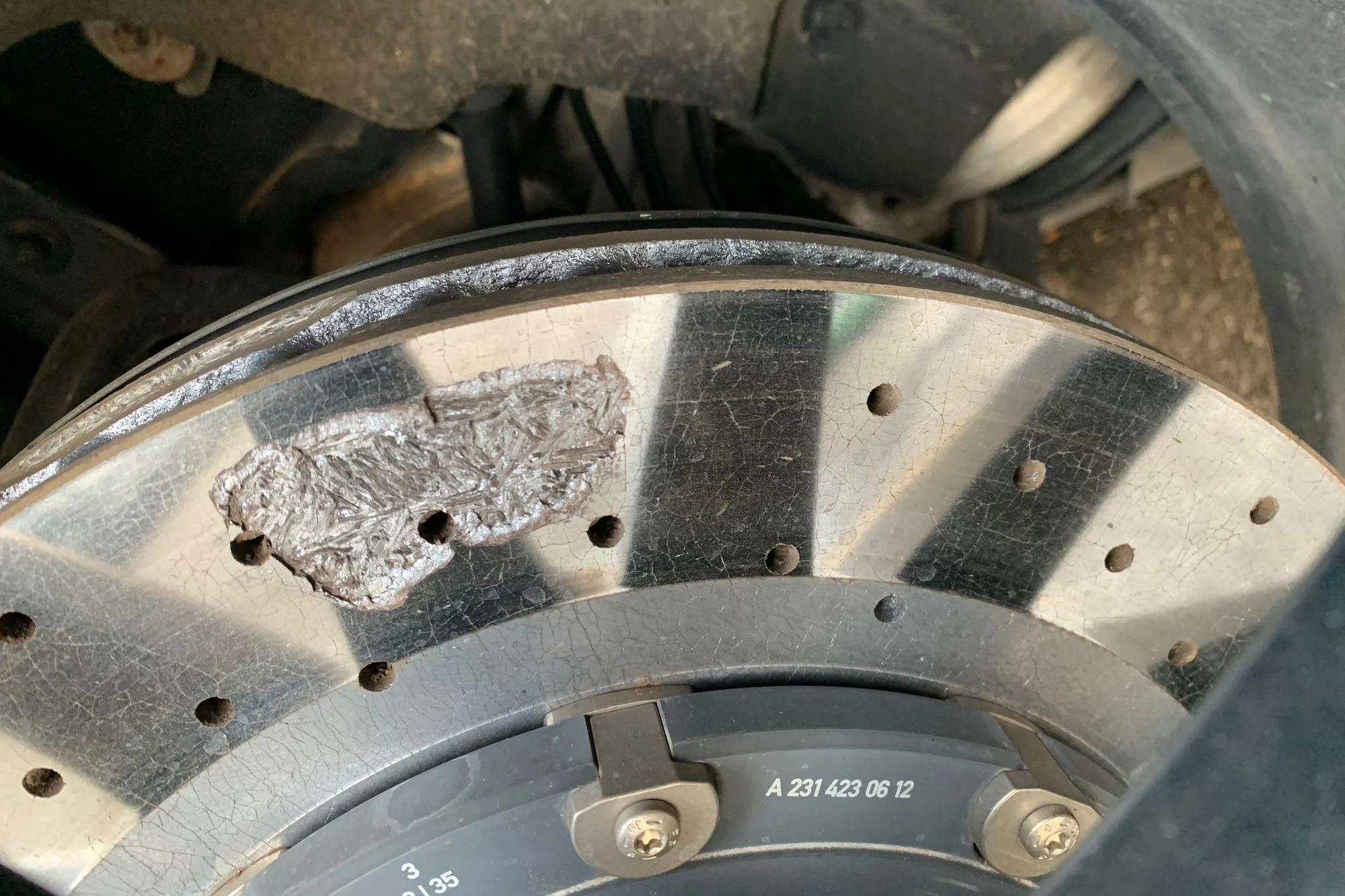
- Fragility under impact: The composite is hard but brittle; a hard stone strike or severe collision can cause cracking or shattering.
- High upfront cost: Manufacturing is complex and time‑consuming, pushing prices upward of $8,000 for a complete set on premium models.
Cost and Availability
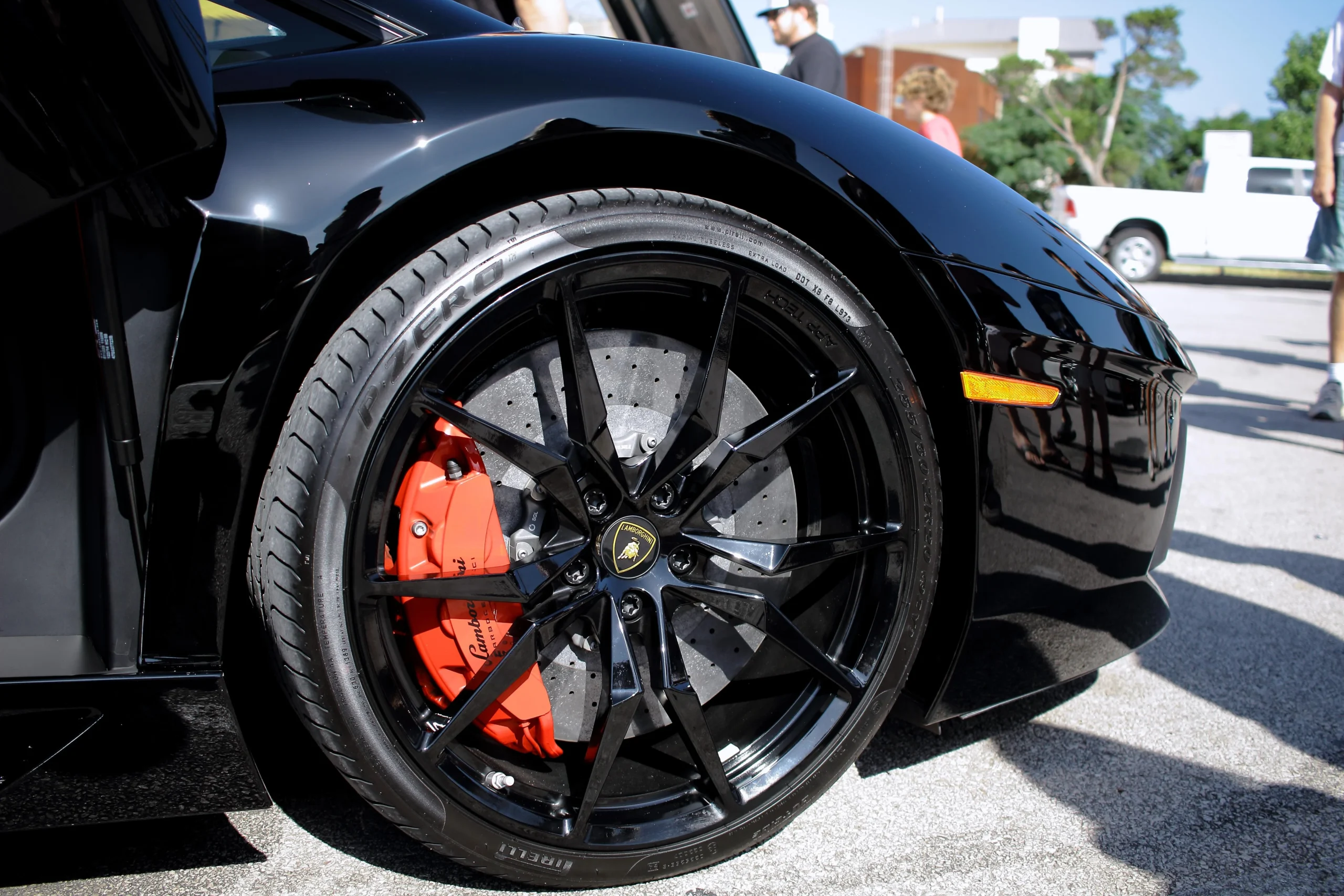
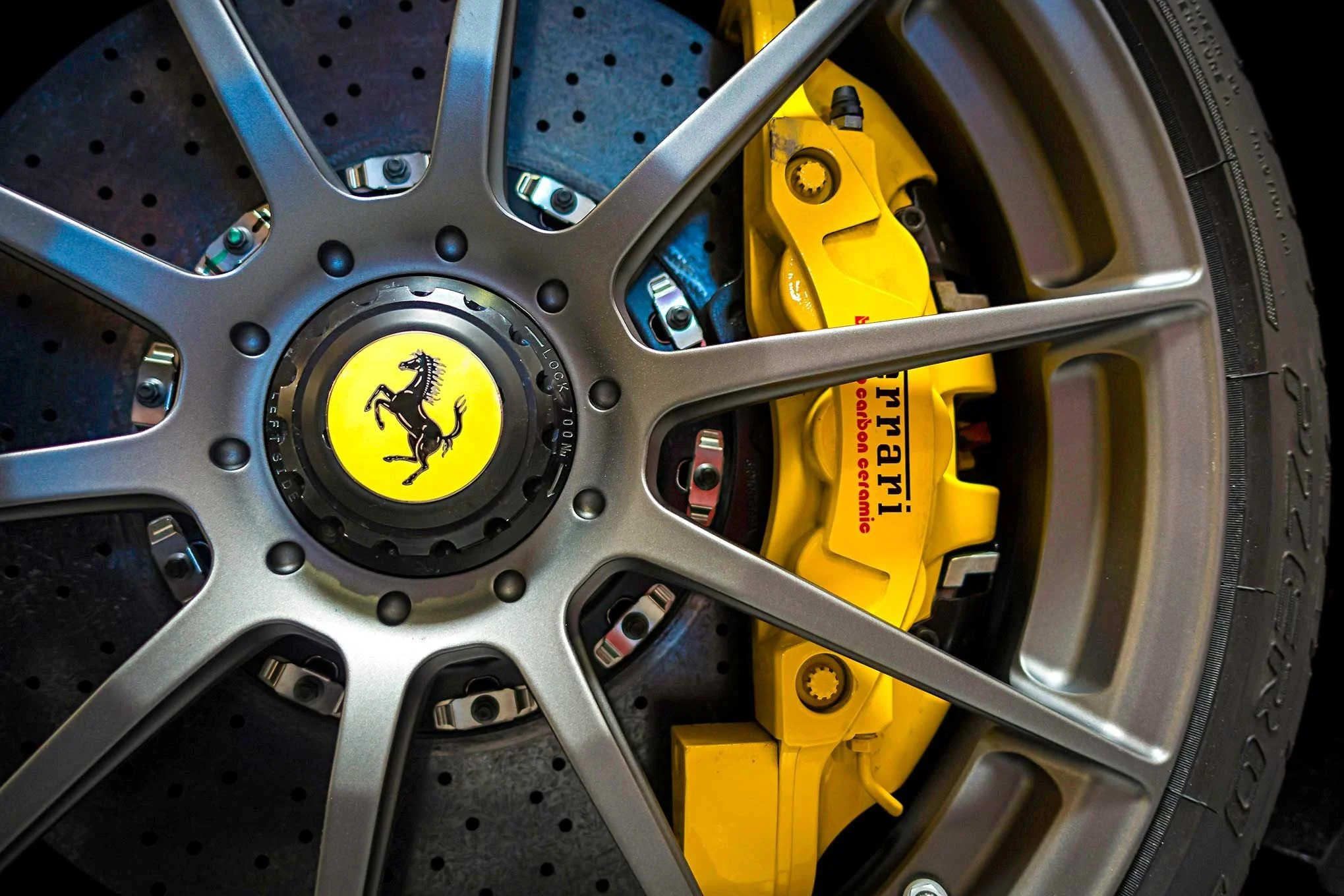
Because of the specialized production process, carbon‑ceramic brakes are typically offered as optional equipment on top‑tier models such as the Lamborghini Aventador, Ferrari 812 Superfast, BMW M5, and the 2025 Cadillac CT5‑V Blackwing. The optional package can add roughly $6,000‑$9,000 to a vehicle’s price, making it a true niche upgrade.
Durability Considerations
While the discs themselves resist wear, the associated pads can be more expensive to replace, and the entire system may require specialized tools for service. Owners should also avoid prolonged exposure to extreme debris (e.g., gravel, metal shrapnel) that could chip the ceramic surface.
Bottom Line
Carbon‑ceramic brake discs deliver clear performance benefits—lighter weight, superior heat handling, and extended life—that make them ideal for high‑performance cars and occasional track enthusiasts. However, the steep price, sensitivity to cold weather, and potential fragility mean they’re not the best fit for everyday commuter vehicles or drivers who live in harsh winter climates.
Consider your driving priorities and budget before deciding whether to upgrade to carbon‑ceramic brakes. If you crave razor‑sharp stopping power on a supercar or a performance sedan, the investment can be well worth it.